Why Official Blockchain Merch Matters
A random crypto tee is easy to print. Official blockchain merch is harder to fake, harder to earn, and a lot more meaningful once you know what it represents.
That difference matters in Web3. People are not just buying fabric, patches, or posters. They are buying proof of affiliation, cultural fluency, and access to a community that exists online but wants to show up in real life too. When the merch is official, it carries the weight of the brand, the artist, and the project behind it. That is what turns a hoodie into a signal.
What official blockchain merch actually means
Official blockchain merch is licensed, approved, or directly released by a recognized NFT brand, Web3 community, or blockchain-native artist. It is tied to the source, not scraped from a meme account or thrown together by a generic print seller trying to catch traffic around a hot collection.
In practical terms, that usually means the designs come from the project itself, from a legitimate collaboration, or from a retail partner with clear permission to produce the collection. That sounds basic, but in a space built on ownership, provenance, and reputation, it changes everything.
The merch is not official because it uses a token logo. It is official because the people who built the culture are part of the release. That is the line.
Why official blockchain merch hits differently
Web3 has always been about identity. Wallets, PFPs, token-gated communities, Discord roles, and on-chain history all shape how people move through the space. Physical merch gives that identity a body.
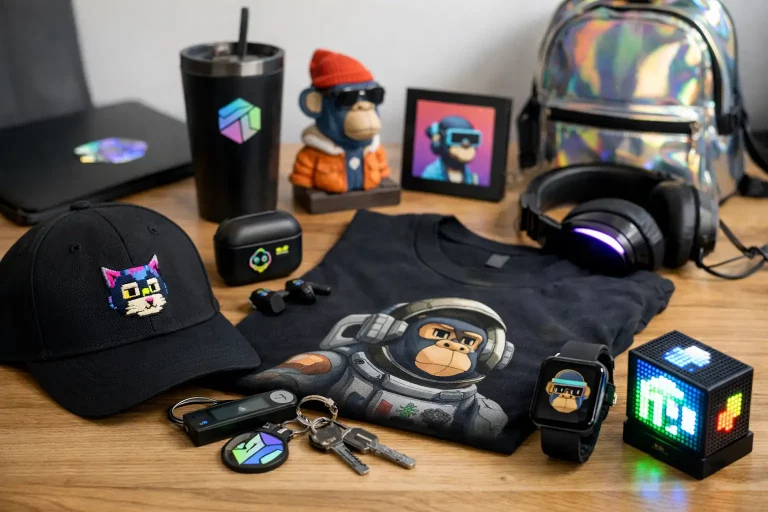
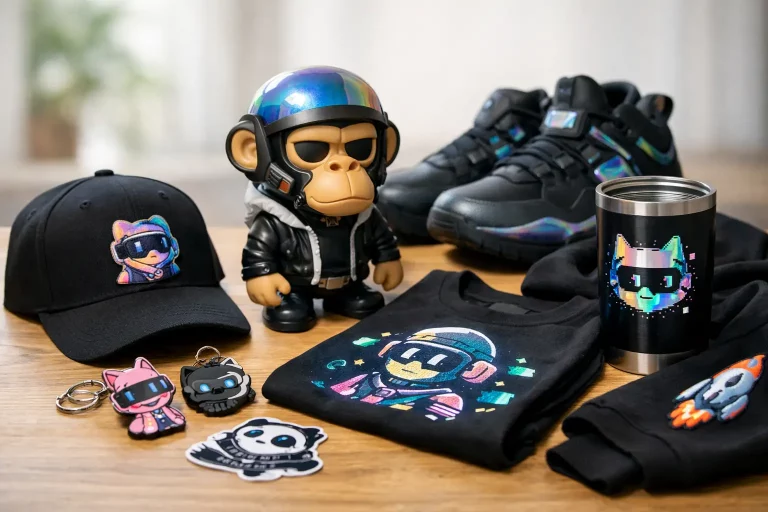
A clean cap from a recognized collection says something different from a generic shirt with a pixel ape slapped on it. One says you are part of the culture. The other says you found a print file. For holders, collectors, and active community members, that distinction is obvious.
There is also the status factor, and pretending otherwise misses the point. Good blockchain merch works like good streetwear. It reflects taste, timing, and access. If a drop is tied to a known project or artist, it carries social value beyond the material itself. That does not mean every item has to be rare or expensive. It means the piece should feel connected to something real.
Official blockchain merch and authenticity
Authenticity is not a buzzword here. It is the core product.
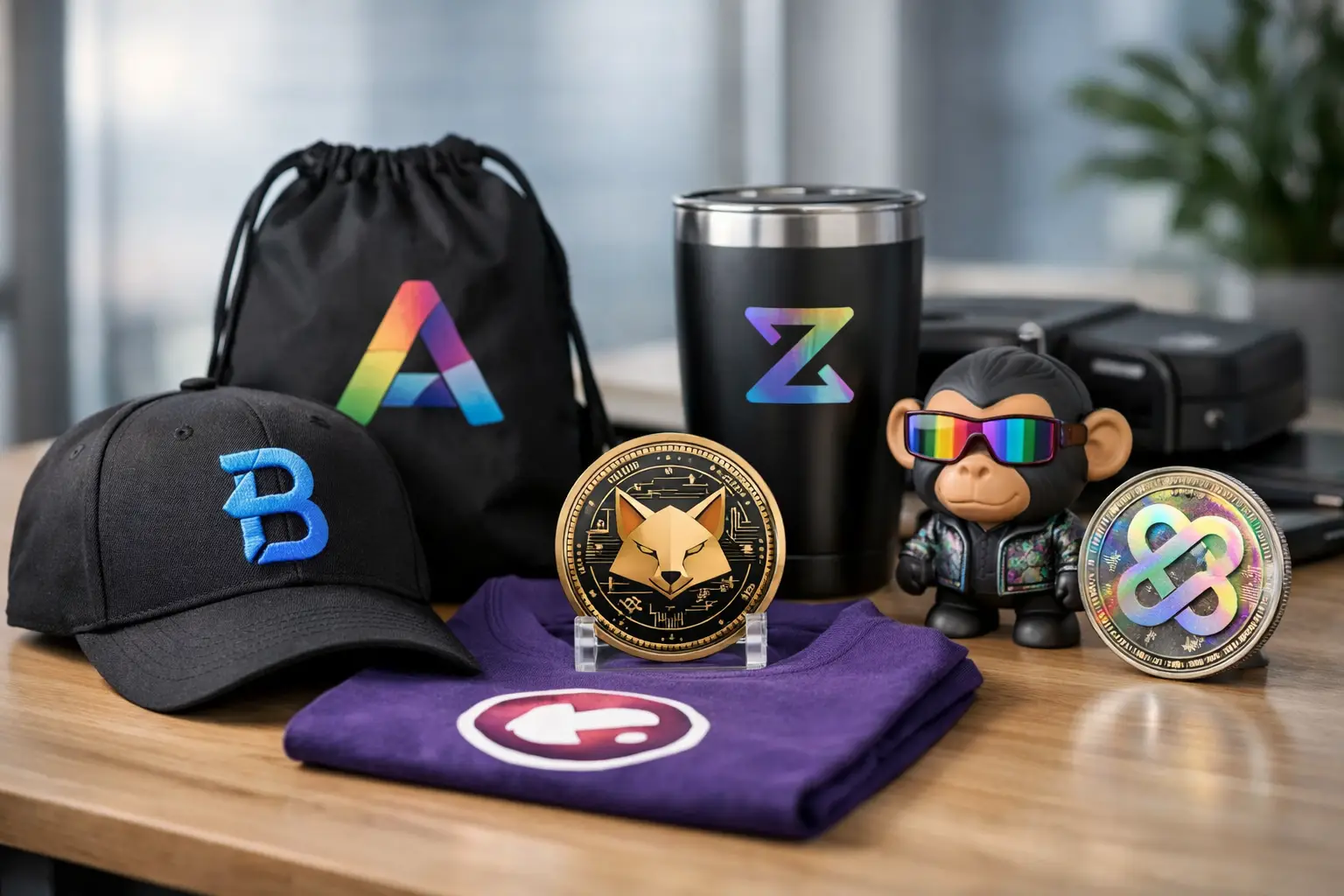
Web3 audiences know how fast copycats move. The minute a collection gets attention, low-effort sellers flood the market with knockoff shirts, mugs, and phone cases. They borrow the visual language but miss the deeper value – no approved artwork, no real partnership, no design standards, no connection to the community.
Official blockchain merch cuts through that noise. It gives buyers confidence that the work respects the original brand and that the people behind the project are actually part of the story. For collectors, that matters because merch is often an extension of the same mindset that drives digital ownership. People want the real thing, even when the item is physical.
There is also a creative upside. Licensed merch tends to be better designed because the brand has skin in the game. Instead of just printing the obvious logo front and center, official drops can build around inside references, signature traits, community lore, and artist-led graphics that actually feel wearable.
The streetwear angle is not optional
If blockchain merch looks like a conference giveaway, it is dead on arrival.
The strongest collections understand that Web3 culture overlaps with streetwear, gaming, internet art, and music scenes. People want pieces they would wear even if the person next to them does not immediately recognize the reference. That is what gives official merch staying power.
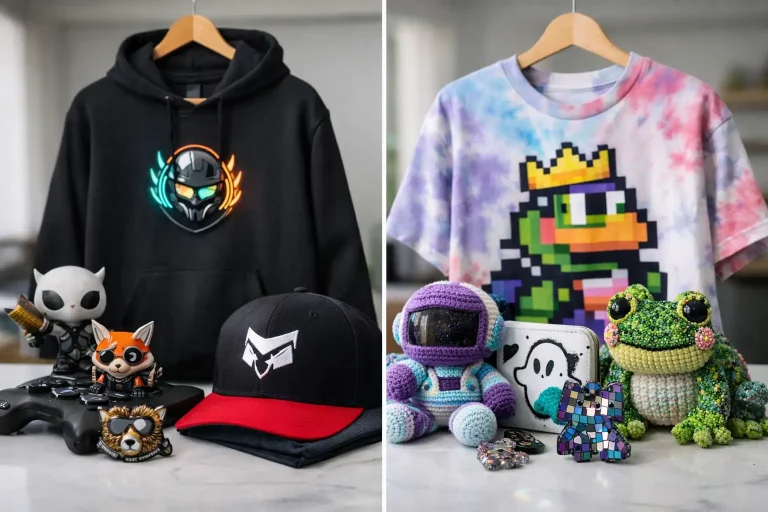
A strong drop balances signal and style. It can be loud, but it should still feel intentional. Oversized graphics, premium blanks, embroidered details, washed finishes, capsule-style colorways, and limited-run artwork all matter because they move the product out of novelty territory and into actual rotation.
This is where official partnerships stand apart. When a recognized NFT project or digital artist works with a merch platform that understands apparel, the result feels built for closets, not just for screenshots. That is a different category from souvenir merch.
Who buys official blockchain merch
Not everyone buying official merch is trying to flex a grail wallet. The audience is wider than that.
Some buyers are holders who want to represent their project offline. Some are community members who may not hold the asset but still feel connected to the brand, the art, or the movement around it. Others are simply drawn to the design language of Web3 and want pieces that reflect the culture without looking generic.
That mix is part of the appeal. Official merch gives people more than one way into the ecosystem. A hoodie can be a badge of ownership, a conversation starter, or a collectible object in its own right. It depends on the buyer and the drop.
For brands, that flexibility matters too. Merch can deepen loyalty among existing holders while also opening the door to new audiences who are not ready to buy an NFT but are ready to buy into the identity.
What separates great official blockchain merch from lazy merch
The gap is usually obvious the second you see it.
Great official merch starts with design discipline. It respects the source material without relying on lazy duplication. It feels considered, wearable, and connected to the brand world. The fit, fabric, print quality, and product selection all support the concept.
Lazy merch leans on hype alone. It assumes the logo is enough. Sometimes that works for a quick flip, but it rarely builds long-term value. In a culture that moves fast, low-effort merch fades even faster.
There is a trade-off here, though. Some buyers want loud, unmistakable branding. Others want subtle pieces that only insiders catch. The best official collections usually make room for both. A bold graphic tee can sit next to a cleaner embroidered cap or a heavyweight hoodie with quieter branding. Different communities wear their identity in different ways.
Why on-demand production fits Web3
On-demand production makes a lot of sense for official blockchain merch, especially in a market built around fast-moving communities and limited drops.
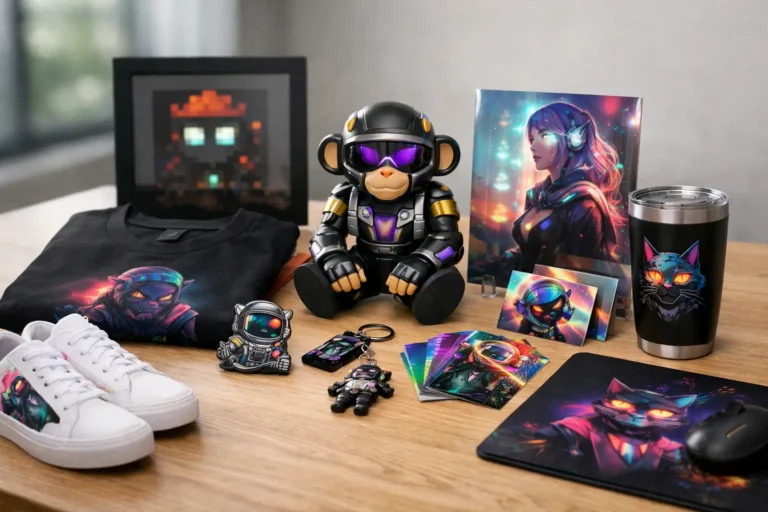
It gives brands room to test categories without overproducing. It reduces dead inventory. It also lets buyers access a broader product mix, from tees and sweatshirts to bags, posters, patches, mugs, and home goods, without waiting for massive pre-buys to justify the run.
There are trade-offs. On-demand can mean slightly longer production windows compared with holding ready-to-ship stock. For some customers, that is a fair exchange for wider availability and less waste. For brands, it creates flexibility without forcing them into huge inventory bets every time a collection launches.
That model fits Web3 because it mirrors the space itself – agile, global, and built around niche communities that want choice without unnecessary friction.
How to shop official blockchain merch without getting burned
The easiest filter is simple: look for a clear relationship between the seller and the brand. If the collection feels vague, uncredited, or suspiciously broad, trust your instincts.
Pay attention to whether the store names the project, artist, or collaboration directly. Look at the overall presentation. Official releases usually feel intentional. The product pages, visuals, and category structure reflect a real brand partnership, not a keyword grab.
Quality signals matter too. Product range, garment types, design consistency, and fulfillment transparency all help separate a serious merch destination from a low-trust print operation. A platform like NFT Merch works because it treats blockchain apparel as a curated category, not a joke niche.
And yes, payment flexibility counts. Web3 buyers expect modern checkout options, global access, and a buying experience that respects how internet-native communities actually shop.
The real value of official blockchain merch
The best official blockchain merch does more than advertise a project. It gives digital culture physical shape.
That matters because online identity is no longer secondary. For a lot of people in Web3, their digital affiliations are a real part of who they are. Wearing them offline is not cosplay. It is continuity.
A well-made hoodie from a recognized NFT brand can hold memory, status, and community all at once. It can mark a moment in a project’s timeline, show support for a digital artist, or simply let someone wear a piece that feels native to their world. That is why official merch keeps gaining ground. It makes the culture portable.
Own the culture, but wear it with standards. The pieces worth buying are the ones that actually belong to the story.