A Guide to Web3 Apparel Sizing That Actually Fits
Your wallet might prove what you hold. Your fit shows people what you stand for. This guide to web3 apparel sizing helps you get the physical side of your digital identity right, whether you are claiming a limited hoodie, repping an artist drop, or building an everyday rotation around the communities you back.
Streetwear sizing is not a universal language, and on-demand merch adds another variable: each product blank, cut, and production partner can fit differently. The move is not to blindly order your usual size. The move is to understand the silhouette you want, read the product measurements, and compare them with a piece you already wear on repeat.
Start With the Fit, Not the Label
A size label is a starting point, not a promise. A medium from one tee can fit like a small from another, while an oversized hoodie may be intentionally wider and longer than the fitted layer you usually buy. That is not a flaw. It is the design doing its job.
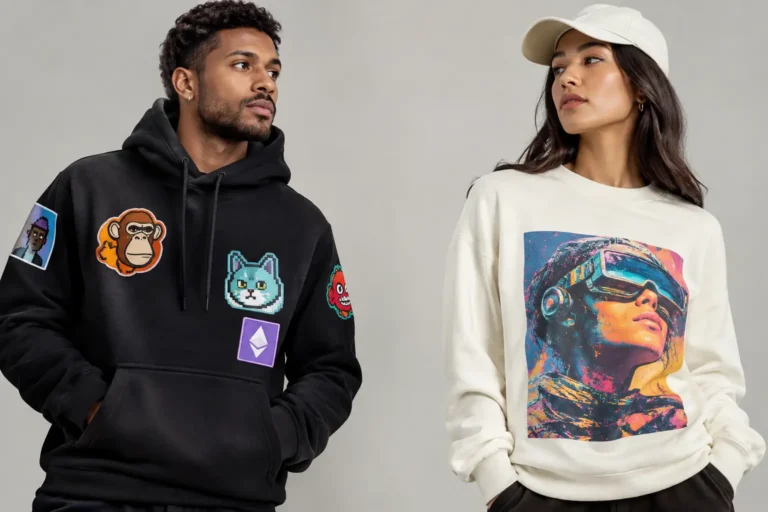
Before you look at a chart, decide how you want the item to land. A classic tee should feel clean through the shoulders and body, with enough room to move without looking boxy. An oversized tee has a wider chest, dropped shoulders, and more length or visual volume. Hoodies and crewnecks can be true-to-size for a sharp profile or sized up for that relaxed, stacked streetwear look.
Think about where the piece will live in your wardrobe. A graphic shirt worn under an open overshirt can stay closer to your regular size. A statement hoodie intended to carry the whole fit often looks better with more room. The right answer depends on the silhouette, not on a rule that says everyone should size up.
How to Read a Web3 Apparel Size Chart
The product page measurement chart is the source of truth for that specific item. Do not assume a chart for one collection applies to every product category, even if the artwork comes from the same Web3 brand or artist.
Most tops use measurements such as chest width, body length, sleeve length, and sometimes shoulder width. The key detail is whether the chart shows body measurements or garment measurements. Garment measurements describe the physical piece itself. They are commonly taken with the garment laid flat.
For a flat chest measurement, measure straight across from armpit to armpit, then compare that number to a shirt or hoodie you already own and love. Do not compare a flat width directly with your full chest circumference without checking the chart instructions. If a garment chest is listed as 22 inches across, its approximate circumference is 44 inches, but the intended ease and fabric stretch still matter.
Body length is usually measured from the highest shoulder point down to the hem. This number matters more than people think, especially if you are tall, prefer cropped proportions, or do not want a tee sitting low beneath your jacket. Sleeve length and shoulder width help you predict the overall attitude of the piece: closer and cleaner, or relaxed and dropped.
For bottoms, focus on waist, inseam, outseam, rise, and hip measurements. Your usual denim waist size is useful context, but it is not enough on its own. Elastic waist shorts, joggers, and wide-leg pants can have a very different fit experience than rigid jeans. Check whether the waist is measured relaxed, stretched, or as a body range.
The easiest comparison method
Grab your best-fitting tee, hoodie, sweatpants, or shorts. Lay it flat on a smooth surface without pulling the fabric. Measure the same points shown on the product chart, then choose the closest match based on the fit you want.
This takes five minutes and beats guessing from a model photo. Model images are useful for inspiration, but they do not account for your height, proportions, layering preferences, or the fact that you may want a different silhouette entirely.
Choose Your Size by Silhouette
Streetwear is personal, but these sizing approaches are reliable starting points.
For a clean, true-to-size fit
Choose the size closest to your favorite existing garment’s measurements. This works well for everyday tees, fitted long sleeves, crewnecks, and pieces you plan to layer under outerwear. The shoulders should sit near your natural shoulder line, and the body should have breathing room without excess fabric bunching around the waist.
For an oversized streetwear fit
First check whether the product is already described as oversized, relaxed, boxy, or unisex. If it is, your regular size may already deliver the intended volume. Sizing up again can work if you want a more exaggerated shape, but it may add length as well as width.
If the garment is a standard or classic cut, going up one size is usually the cleaner route. Going up two sizes can create a strong silhouette for some fits, especially with shorts, baggier denim, or layered sleeves, but it can also make the neckline and body look less intentional. Compare measurements rather than chasing a number.
For a cropped or shorter look
Do not rely on sizing down automatically. A smaller size will reduce chest width and shoulder room, not just length. If you want a deliberately shorter hem while keeping a relaxed body, look for the actual body length measurement or a product made with a cropped cut.
For fitted layers
Base layers, fitted tees, and slim sweatshirts should still allow movement through the chest and arms. If you sit between sizes, consider the fabric. Cotton with little stretch may feel restrictive if you choose the smaller option. A blend with elastane or a naturally stretchy knit can offer more flexibility.
Fabric Changes the Fit Story
Sizing is not only geometry. Fabric weight, composition, and finishing affect how a garment hangs, stretches, and feels after a full day out.
Heavier cotton tees tend to hold a boxier shape and make bold artwork feel more substantial. Lightweight cotton generally drapes closer to the body. Fleece hoodies bring structure and warmth, but a thick hood, rib cuffs, and a roomy kangaroo pocket can make the whole piece feel more substantial than a thin sweatshirt in the same labeled size.
Look for fabric details before you buy. If you prefer a crisp, premium streetwear profile, a heavier-weight blank may be worth it. If you want an easy layer for travel, events, or warmer climates, a lighter piece may suit your rotation better. Neither is objectively better. It is about where and how you plan to wear your signal.
Also allow for normal variation. On-demand production involves printing, curing, and handling processes, while cotton-based garments can have small measurement tolerances. A fraction of an inch either way is normal. Treat the chart as a close guide, not a blockchain ledger carved in stone.
Account for Washing Before You Commit
Care affects longevity and fit. Heat is the enemy of printed graphics, fleece softness, and cotton stability. Wash garments inside out in cold water, use a gentle cycle, and avoid aggressive drying when possible. Air drying is the safest choice for preserving color, print quality, and original dimensions.
Some cotton garments can shrink slightly after the first wash, particularly when exposed to high dryer heat. If you are between sizes and know you will use a dryer, that may influence your choice. Still, do not overcompensate by ordering dramatically larger. Start with the chart and your preferred fit, then care for the piece like the collectible it is.
Sizing Beyond Tees and Hoodies
Accessories and specialty pieces have their own rules. Caps may be adjustable, fitted, or offered in size ranges, so check the closure type and head-circumference guidance. For shoes, use the brand-specific conversion chart and measure both feet, choosing for the larger foot if there is a difference.
Bags, blankets, towels, posters, and mugs are less about fit but still deserve a measurement check. A tote that looks compact in a product image may be large enough for a laptop. A towel can be a beach essential or a smaller display piece depending on its dimensions. The details tell you how the item will perform outside the feed.
When You Are Between Sizes
If you are between sizes, choose based on the garment category and your intent. For a standard tee or a non-stretch layer, sizing up usually gives you more comfort and styling options. For an already oversized garment, staying with the smaller of the two may preserve the intended proportions.
Your shoulder measurement can be the tiebreaker. A garment that is slightly roomy through the body can still look sharp, but shoulders that are too narrow often feel restrictive and distort the fit. For bottoms, prioritize the waist and rise, then assess whether the leg opening and inseam suit your look.
NFT Merch is built around turning digital culture into pieces you can actually live in. Take the extra minute to compare measurements, choose the silhouette that feels like you, and wear your community with intent. The best merch does not just show what you own. It becomes part of how you move through the world.