Blockchain Lifestyle Clothing That Means More
A plain crypto tee used to be enough. Not anymore. Blockchain lifestyle clothing has moved past novelty and into a sharper lane – one where design, credibility, and community matter as much as the logo on the chest.
That shift says a lot about where Web3 culture is now. Early merch often looked like an afterthought, built for quick hype and worn once. Today, the strongest pieces do something different. They carry digital identity into the physical world with the same intention people bring to their wallets, profiles, collections, and communities.
What blockchain lifestyle clothing actually is
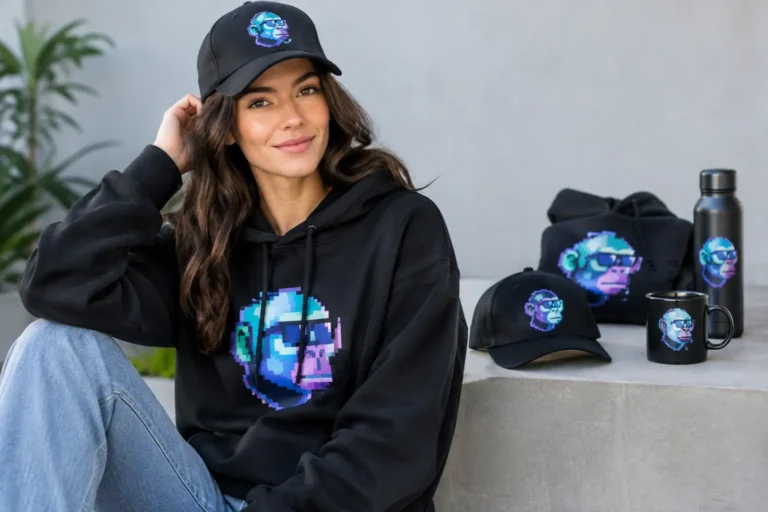
At its best, blockchain lifestyle clothing is not just apparel with a crypto reference slapped on top. It is fashion built around ownership culture, digital-native aesthetics, and affiliation with recognized communities. It lives somewhere between streetwear, fandom, and collectible design.
That distinction matters. Anyone can print a token graphic on a blank hoodie. That does not make it culturally relevant. Real Web3 apparel carries context. It reflects a project people actually care about, an artist with a following, or a community with a shared language and visual identity.
The result is merch that works on two levels. It looks good as clothing, and it means something to the people who recognize it. That second layer is the whole point.
Why blockchain lifestyle clothing hits differently
Fashion has always been about signaling. Streetwear made that obvious years ago. You wear the right piece, and people know what scene you are part of, what brands you follow, and what taste level you are operating on. Web3 just updated the signal.
In this space, a hoodie or cap can represent more than a purchase. It can show that you were early to a collection, active in a community, or aligned with a specific creative world. For holders and collectors, that has real value. It turns digital ownership into visible presence.
There is also a practical side to it. Most NFT communities live online, but identity does not stop at the screen. People want ways to carry that affiliation into events, meetups, travel, daily wear, and content. When the design is right, merch becomes part of a lifestyle rather than a one-time flex.
Still, not every buyer wants the same thing. Some want obvious project branding. Others prefer subtler pieces that nod to a culture without screaming it. That is where quality curation matters more than volume.
The gap between generic crypto merch and real culture
A lot of blockchain apparel misses because it confuses awareness with authenticity. It knows the buzzwords, maybe even the memes, but it does not understand how people actually wear clothes. The fit is wrong, the graphics feel dated, and the product has no connection to a real community.
That is the difference between generic crypto merch and blockchain lifestyle clothing with staying power. One is made to cash in on attention. The other is made to belong in a wardrobe.
Good pieces respect both sides of the equation. They understand fashion and they understand Web3. If either part is weak, the product falls flat. Great art on bad blanks will not get repeat wear. Premium construction with lazy design will not hold cultural weight.
That is why the strongest merch programs feel more like brand collaborations than mass print runs. They are selective. They build around recognized names, established visuals, and products people would actually choose to wear outside a conference floor.
What makes a piece worth buying
The first test is simple. Would you wear it if no one asked about crypto? If the answer is no, the design probably leans too hard on explanation and not enough on execution.
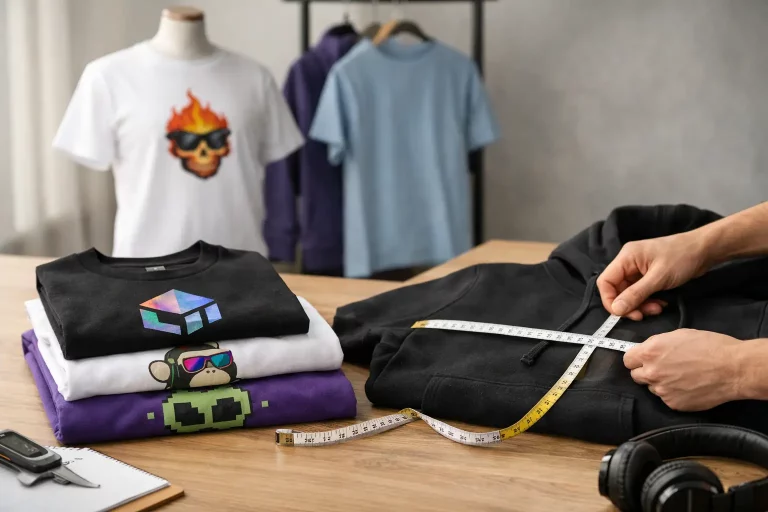
Strong blockchain lifestyle clothing starts with silhouette, material, and print quality. Hoodies should feel substantial. Tees should hold shape. Graphics should look considered, not clipped from a Discord banner. If the item cannot stand on its own as fashion, the Web3 angle will not save it.
The second test is authenticity. Official collaborations matter because they separate real culture from random imitation. When merch is tied to established NFT brands or respected digital artists, it carries actual relevance. It tells buyers they are getting something connected to the source, not a watered-down copy made for search traffic.
Then there is scarcity. Not every piece has to be ultra-limited, but exclusivity still drives value in this market. Web3 audiences understand drops, timed releases, and collab energy. They know that part of the appeal is owning something not everyone else can get.
That said, scarcity only works when the item deserves it. Artificial exclusivity around weak design feels cheap fast.
How blockchain lifestyle clothing fits into streetwear now
Web3 fashion works best when it stops trying to justify itself and starts behaving like streetwear. That means cleaner design systems, stronger brand worlds, and a better read on how people build outfits.
Oversized tees, heavyweight hoodies, statement caps, utility bags, and collectible accessories all make sense in this lane. They fit naturally into what younger digital-first shoppers already wear. The blockchain angle adds meaning, but the style language needs to feel current first.
There is also room for different levels of visibility. Some drops go loud with iconic characters, symbols, and project-specific graphics. Others stay quiet with coded references only insiders catch. Both can work. It depends on the community, the design brief, and how wearable the piece needs to be day to day.
That range is healthy. Not every holder wants to dress like a billboard. Sometimes the hardest piece is the one that only the right people understand.
Why on-demand production makes sense here
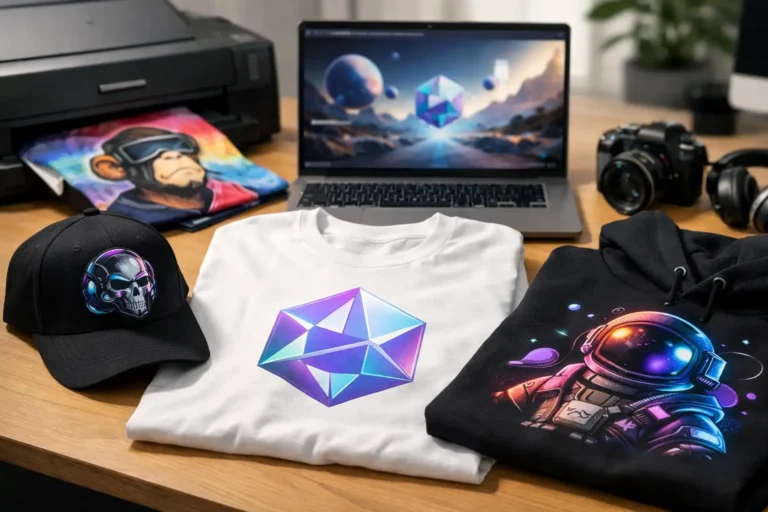
Web3 moves fast, but that does not mean merch should be wasteful. On-demand production fits blockchain lifestyle clothing surprisingly well because it supports flexibility without overcommitting inventory.
For buyers, that means broader access to more designs, categories, and sizes without waiting for massive restocks or dealing with inflated resale on basic items. For brands and artists, it means they can launch targeted drops, test creative directions, and keep product lines lean.
There is a trade-off, of course. On-demand does not always create the same instant-gratification feel as buying from a stocked shelf. Production timelines can be a little longer. But for a culture built around digital-first buying and global communities, that trade often makes sense. Less waste, more variety, and lower friction is a strong combination.
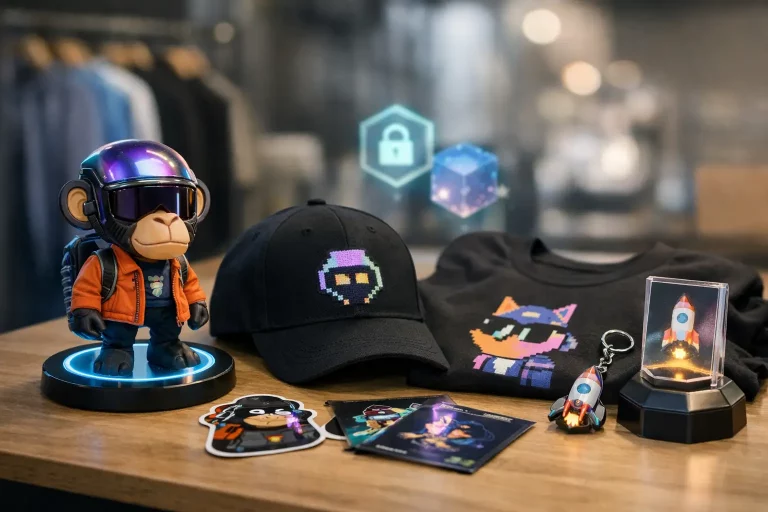
It also opens the door to more than apparel. Bags, mugs, posters, patches, blankets, swimwear, and other lifestyle items help Web3 communities extend their identity beyond the closet. That matters because the category is not just about getting dressed. It is about building a physical layer around digital belonging.
The role of trust in a crowded market
Web3 buyers are not naive. They know the space attracts copycats, low-effort sellers, and fake affiliation. That is why trust has become one of the biggest value drivers in blockchain lifestyle clothing.
People want to know the merch is official, the product is well made, and the seller understands the culture. They want recognized collaborations, clear product categories, modern payment options, and a storefront that feels like a real destination instead of a rushed side hustle.
That is where a curated model stands out. A platform built around authentic NFT brands and digital artists has more credibility than a generic custom print store trying to chase every trend at once. In a space where identity matters, source matters too.
For that reason, blockchain lifestyle clothing is increasingly about who is behind the drop, not just what is printed on it. Buyers are shopping for legitimacy as much as aesthetics.
Where the category is going next
The future of this space is not more random crypto slogans. It is better brand building. Expect cleaner collections, more thoughtful artist partnerships, tighter storytelling, and merch that looks at home next to mainstream streetwear rather than outside it.
You will also see stronger crossover between collectible culture and wearable product. The best brands will treat apparel as an extension of the IP, not an afterthought. That means more cohesive visual systems, more elevated materials, and more products designed to live beyond a single market cycle.
And yes, the buyers will keep getting more selective. Hype alone is not enough now. People want pieces that feel official, wearable, and worth keeping.
That is why blockchain lifestyle clothing matters. It gives digital culture a physical edge. It lets communities show up in the real world with intention. And when it is done right, it is not just merch. It is proof that ownership, taste, and identity do not end at the wallet – they show up in what you wear.