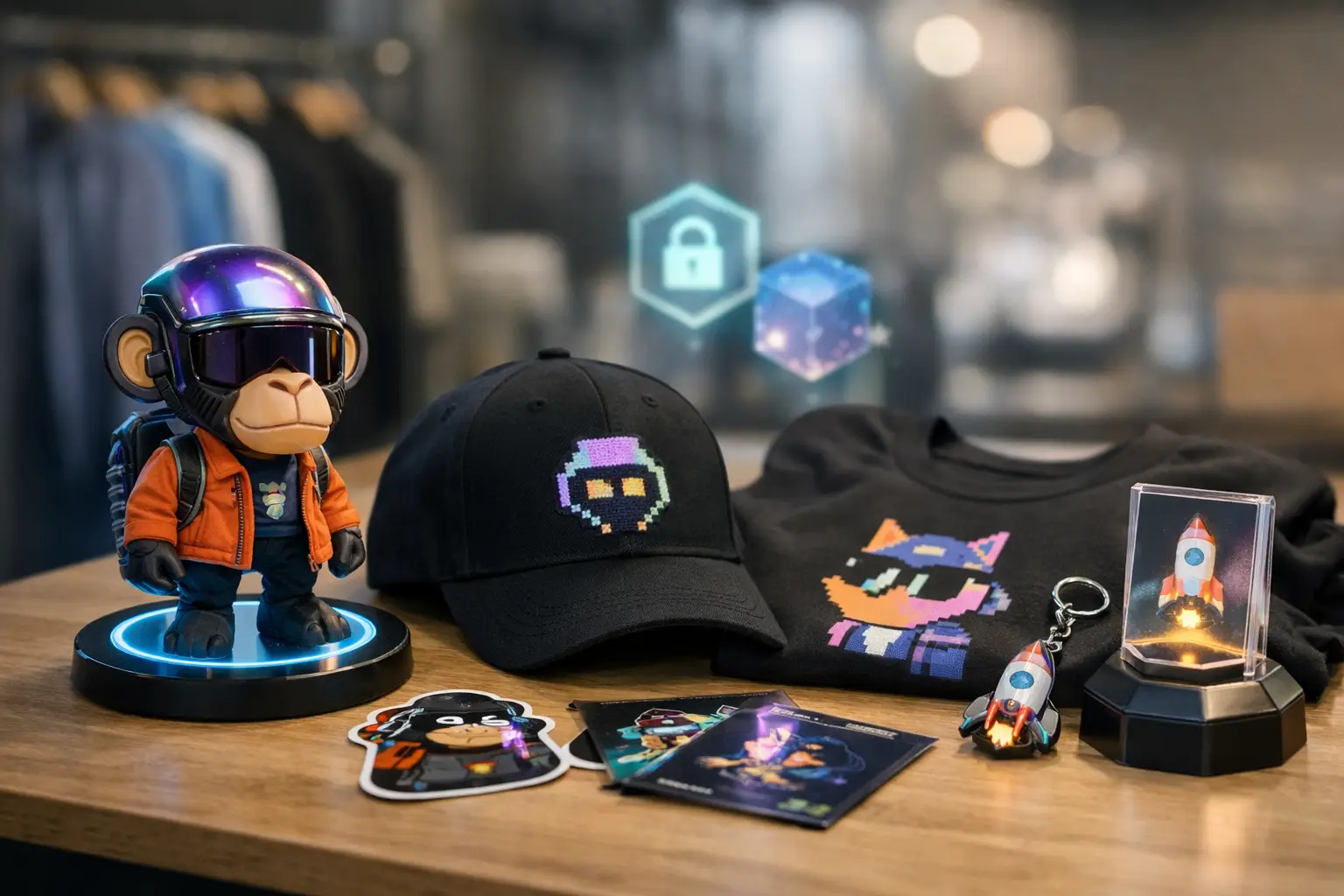
What Makes an Official NFT Merch Store Real
The gap between a cash-grab tee and a piece that actually means something is easy to spot if you know the culture. An official NFT merch store is not just a place that prints a JPEG on cotton. It is where digital identity gets translated into something you can wear, collect, gift, and post up with in real life.
That difference matters more now than it did a year ago. Web3 communities have matured. Collectors are more selective. Fans want merch that reflects the project, the art, and the status of being early, involved, or aligned. If a store looks generic, feels disconnected from the brand, or treats NFT culture like a trend to mine, people can tell fast.
Why an official NFT merch store matters
In Web3, ownership has always meant more than access. It signals participation. It tells people what communities you back, what aesthetics you move with, and what kind of internet history you are part of. Physical merch extends that signal beyond your wallet and your profile picture.
That is why official matters. When a store is tied to recognized NFT brands, named artists, or approved collaborations, the product carries real cultural weight. You are not buying random crypto apparel made by someone chasing search traffic. You are buying into a drop, a visual language, and a community story that already exists.
There is also a trust layer. Official merch usually means the artwork has been cleared, the branding is consistent, and the release has a reason behind it. Maybe it marks a collaboration. Maybe it celebrates a collection milestone. Maybe it gives holders and supporters a way to take the brand off-chain without losing the identity that made it valuable in the first place.
The signs you are looking at the real thing
An official NFT merch store tends to feel curated, not cluttered. The difference starts with who is represented. If the store features recognized collections, known Web3 artists, or active community brands, that is your first signal. It shows there is a relationship behind the product, not just a mockup generator and some trending keywords.
Design quality is the next tell. Real merch does not rely on slapping token art on every surface. Strong collections know when to go graphic, when to go minimal, and when to build around symbols, insider references, and visual cues that only the community fully gets. That is how streetwear works, and the best NFT merch borrows that instinct.
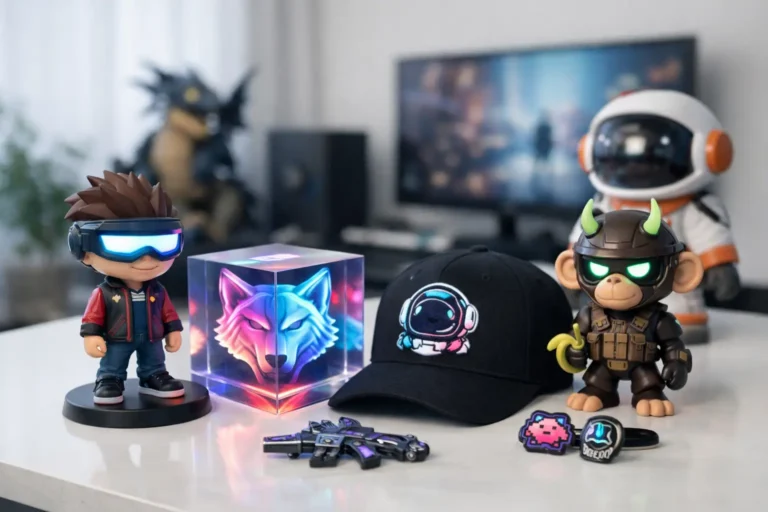
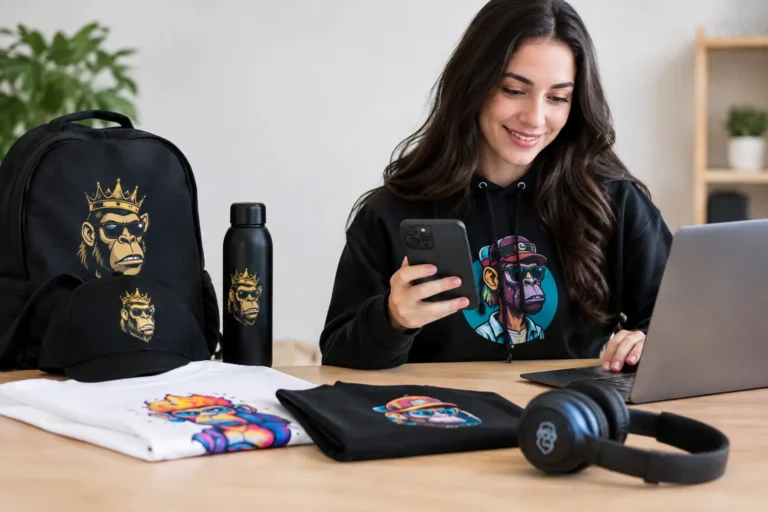
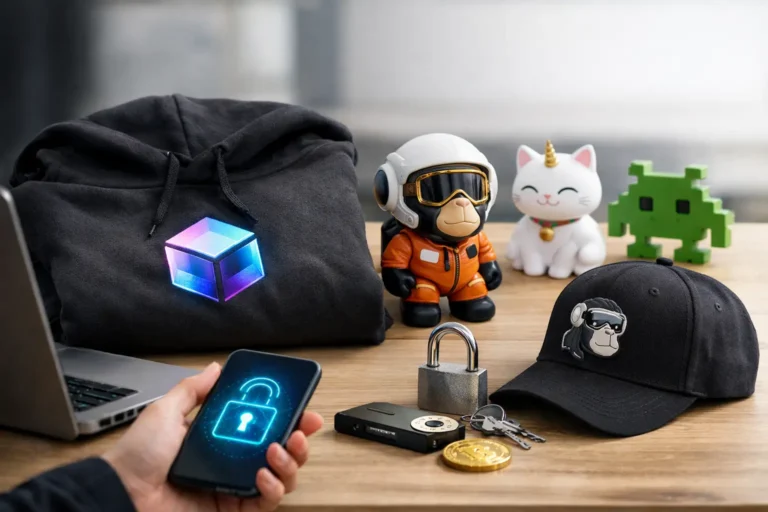
Product range matters too. A serious store does not stop at one basic tee. It builds a full expression system around the culture – hoodies, sweatshirts, caps, bags, mugs, posters, patches, even pieces for travel or home. That range turns merch into lifestyle, which is exactly where Web3 identity gets stronger.
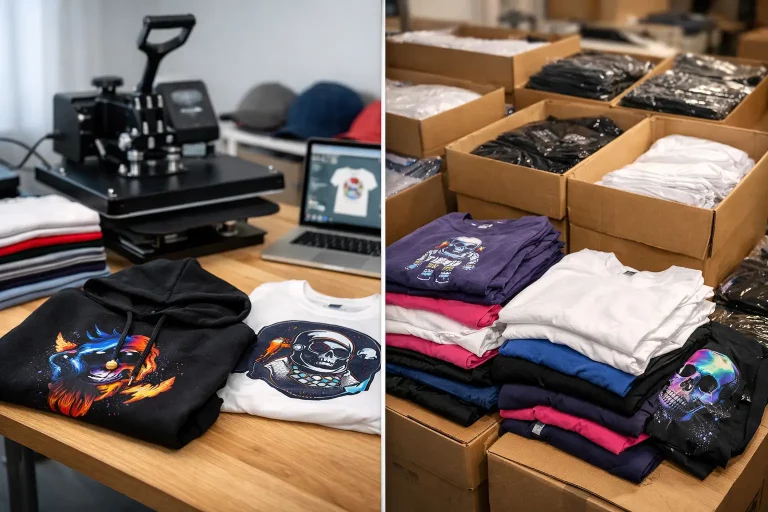
Then there is fulfillment. Official does not always mean mass-produced. In many cases, on-demand production is the smarter move. It keeps inventory lean, allows more designs to exist without overcommitting stock, and reduces waste. For buyers, the trade-off is simple: you may wait a little longer than you would for a warehouse-packed item, but you get a piece made for your order instead of deadstock leftovers.
Official NFT merch store vs generic print shop
This is where the line gets sharp.
A generic print shop can make a product. An official NFT merch store builds context around it. That context is what creates value. The artwork has a source. The drop has a reason. The collection has a point of view. Even the product selection tells you something about the audience it was made for.
Generic stores usually flatten everything. They treat NFT culture like one broad aesthetic – rockets, pixel art, apes, crypto slogans, black hoodies, rinse and repeat. That approach misses the reality of the space. Different communities have different energy. Some are loud and ironic. Some are art-first. Some are luxury-coded. Some are built like skate labels. Merch should reflect that.
Official stores also tend to understand credibility in a deeper way. They know buyers care about payment flexibility, shipping access, product clarity, and clean presentation. Crypto payment options can matter, but they are not enough on their own. If the site feels shady, the designs feel lazy, or the partnerships are vague, the crypto checkout button will not save it.
What the best official NFT merch store gets right
The best stores know they are not just selling fabric. They are selling affiliation.
That means authenticity has to show up everywhere. In the art direction. In the copy. In the way products are grouped. In the names behind the collections. If a store says it is official, it should be obvious who it represents and why that relationship exists.
It also means quality cannot be treated as an afterthought. Web3 audiences are used to premium positioning. They understand limited drops, scarcity, and collectible logic. But they still expect the hoodie to fit right, the print to hold up, and the product to feel worth the price. Hype gets attention. Quality gets repeat buyers.
A good official NFT merch store also knows when to lean into exclusivity and when to stay accessible. Limited collabs and timed drops create energy. Open access products keep the door open for new community members who want in without needing a wallet full of rare assets. It depends on the brand, the goal of the release, and how tightly the merch is meant to map to collector status.
That balance is where smart curation wins. A store can feel exclusive without being closed off. It can feel premium without becoming costume. It can serve holders, fans, creators, and newcomers at the same time if the product strategy is tight.
Bringing digital identity into the physical world
One of the biggest shifts in NFT culture is that the strongest brands no longer live only on screens. They move through events, meetups, content, collaborations, and everyday style. Merch is part of that evolution.
When someone wears a project hoodie or carries a bag tied to a known Web3 artist, they are doing more than promoting a brand. They are making their digital taste visible in the real world. That has social value. It starts conversations. It signals membership. It turns online culture into something touchable.
This is why official merch often lands closest to streetwear rather than traditional fan gear. It is not about screaming the logo as loudly as possible. It is about wearing a coded reference that the right people will recognize. That sense of insider language is powerful, especially in communities built on ownership, provenance, and early adoption.
For digital artists, this matters too. Physical merch opens a new format for expression. Not every piece of art should become a hoodie, but when the translation is done well, it expands the world around the work. It gives collectors another way to support the artist and carry the visual identity beyond a screen.
How to shop an official NFT merch store with confidence
Start with the brand relationships. If the store clearly features established NFT projects, named collaborations, or artist-backed collections, that is a strong foundation. If everything feels anonymous or oddly broad, be careful.
Next, look at the product mix and presentation. Are the designs actually considered, or do they look like they were pushed out by a template? Does the store feel like it understands streetwear, community, and collectible culture? Good merch pages do not need to overexplain themselves, but they should feel intentional.
Check practical signals too. Payment options, shipping coverage, product details, and clear purchase flow all matter. A culture-led brand still has to function like a reliable retailer. That is part of what separates serious merch platforms from opportunistic sellers.
And be honest about your own reason for buying. Some pieces are for flex. Some are for daily wear. Some are collectible because they mark a specific drop or collab. Knowing which lane you are shopping in helps you choose better and avoid buying pieces that only make sense in the moment.
For buyers who want that mix of authenticity, global access, artist partnerships, and on-demand flexibility, platforms like NFT Merch show what the category can look like when it is built for the culture instead of built around it from a distance.
The future of the official NFT merch store
The next phase will reward stores that act more like brand houses than print vendors. Curation will matter more. Collaboration quality will matter more. Product depth will matter more. As the market gets sharper, unofficial, low-effort merch will keep losing ground.
The stores that win will understand that Web3 buyers are not looking for novelty alone. They want proof of connection. They want design they would wear even without the backstory. They want pieces that feel native to the community and credible outside it.
Own the culture. Wear the legacy. If the merch does that, it is not just official on paper. It feels official the second you put it on.