How to Buy NFT Merch With Crypto
That moment when a project drop hits and the artwork finally leaves the screen – that is where culture gets real. If you want to buy NFT merch with crypto, you are not just choosing a payment method. You are backing a brand, signaling community, and turning digital identity into something you can wear, carry, or collect.
For Web3-native shoppers, that matters. A hoodie tied to a recognized NFT project lands differently than generic crypto gear with a random ape slapped on the front. The best merch feels connected to the culture that produced it. It has the right art, the right partnerships, and the kind of product quality that holds up offline, not just in a Discord announcement.
Why buy NFT merch with crypto in the first place?
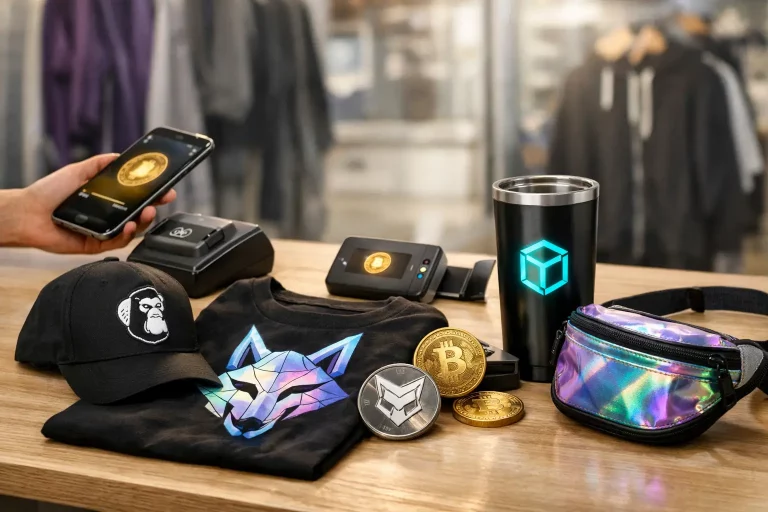
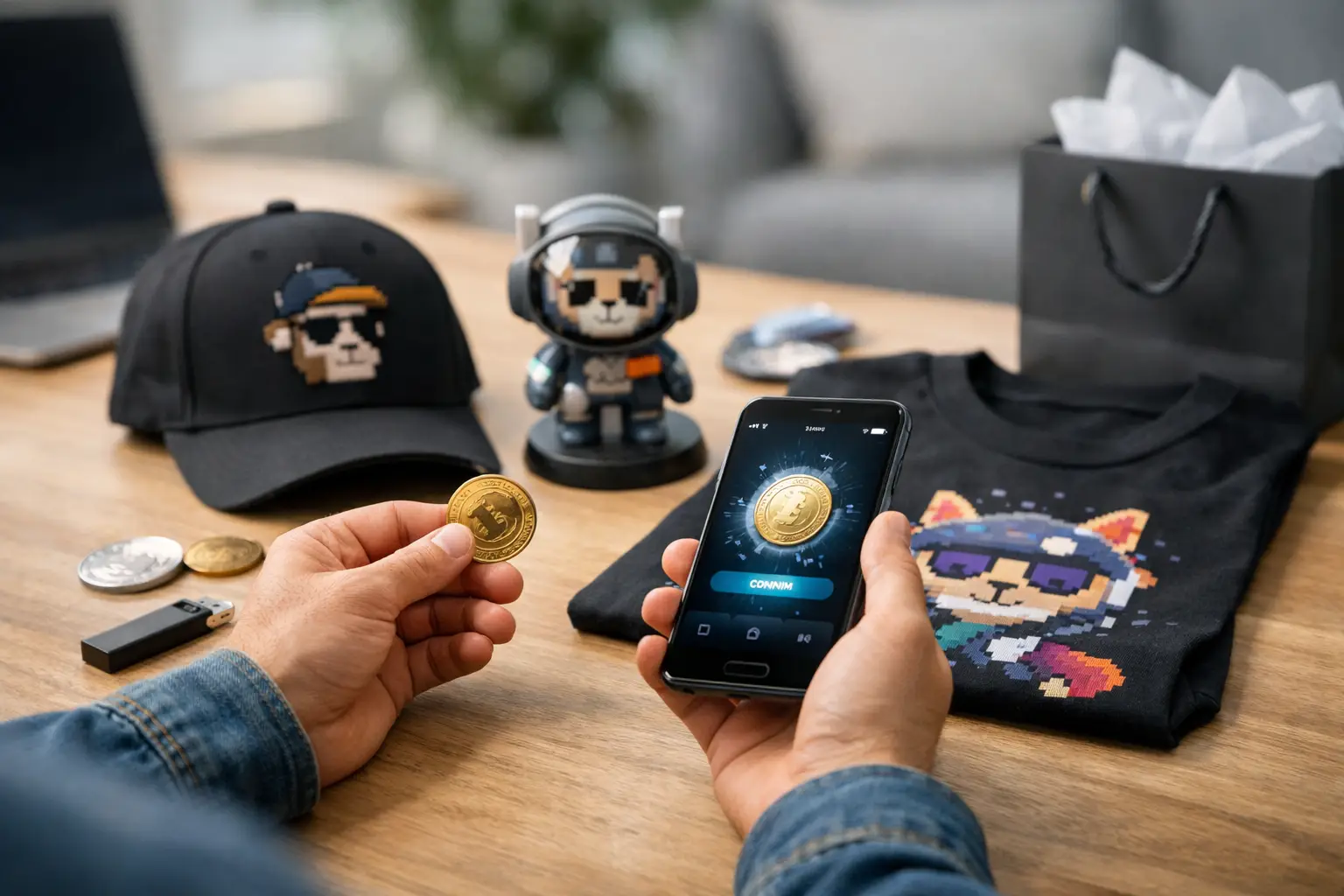
Paying with crypto makes sense for the same reason NFT culture took off in the first place – ownership, speed, and native behavior. If most of your online life already runs through wallets, exchanges, and onchain communities, using crypto at checkout feels natural. You do not need to off-ramp first, wait on bank processing, or break the flow between digital collecting and physical buying.
There is also a cultural layer. Buying merch with crypto is part of the same identity loop that powers Web3. You collect art, join communities, support creators, and then wear that affiliation in the real world. It is less about novelty and more about continuity. Your wallet is not separate from your lifestyle. It is part of how you move through the space.
That said, there are trade-offs. Crypto payments can be fast, but network fees and token volatility still matter. If gas spikes or a token price moves hard between cart and checkout, the final cost can feel different than expected. For some buyers, stablecoins are the cleaner option. For others, using a major coin they already hold is worth the convenience.
What makes NFT merch worth buying?
Not all NFT merch deserves your crypto. The gap between official, culture-led merch and low-effort print-on-demand copycats is huge.
The first thing to look for is authenticity. Is the store working with established NFT brands, known artists, or recognized Web3 communities? Official collaborations matter because they protect the value of the artwork and the credibility of the merch. If a design looks ripped from a collection with no mention of licensing, partnership, or creator involvement, that is a red flag.
The second thing is product quality. Web3 buyers are not just hunting for logos. They want fit, fabric, print quality, and design that can stand next to mainstream streetwear. A strong NFT graphic on a weak blank is still a weak product. Good merch respects the art and the person wearing it.
The third factor is relevance. The strongest pieces do more than reproduce a token image. They translate community energy into actual fashion – clean graphics, collectible accessories, limited collabs, and items that make sense in the streetwear world. That is where physical merch stops being a souvenir and starts becoming part of your rotation.
How to buy NFT merch with crypto without getting burned
Buying NFT merch with crypto is simple when the store is set up properly, but it still pays to shop with some discipline.
Start with the wallet and token you plan to use. Make sure your wallet is funded with enough crypto to cover the item, any fees, and a little extra buffer. Running short at checkout is annoying at best. At worst, it can create payment issues if a transaction stalls while prices move.
Next, check the store itself. You want clear product pages, transparent shipping details, visible payment options, and a real brand presence. Good Web3 retail does not hide the basics. It tells you what the item is, how it is made, where it ships, and what payment methods are accepted. If those details are vague, the culture-first branding is not enough.
Then pay attention to timing. Crypto prices can swing quickly, so if you are buying during a volatile market, it helps to know your actual spending threshold before you hit checkout. A $70 hoodie can feel different if the token you are spending jumps or drops 8% in a few hours. Stablecoins remove some of that friction, especially for buyers who care more about the product than speculating on the payment asset.
Finally, confirm the transaction details carefully. Wallet address, amount, network, and payment window all matter. Sending funds on the wrong network or taking too long to complete a payment can create avoidable headaches. Crypto checkout is convenient, but it rewards attention.
What the best stores get right
A strong NFT merch store understands that Web3 consumers are not one-size-fits-all. Some buyers want a low-key cap or heavyweight tee they can wear daily. Others want a statement hoodie from a specific collection or artist drop. The best stores build around both behavior types.
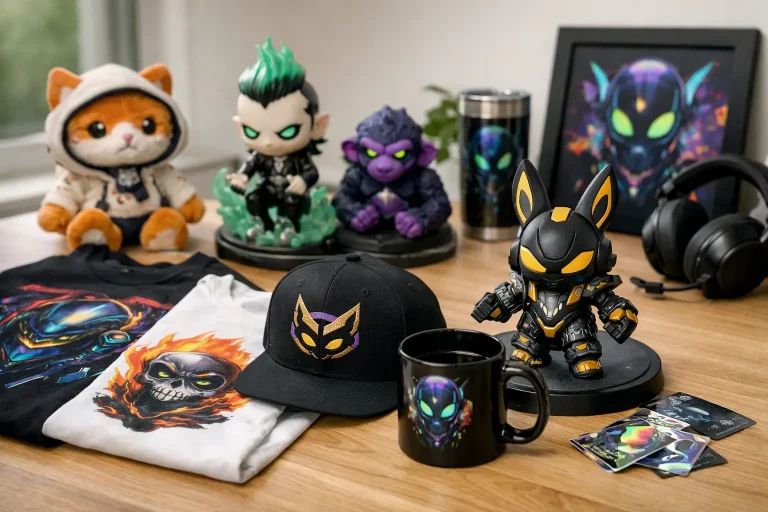
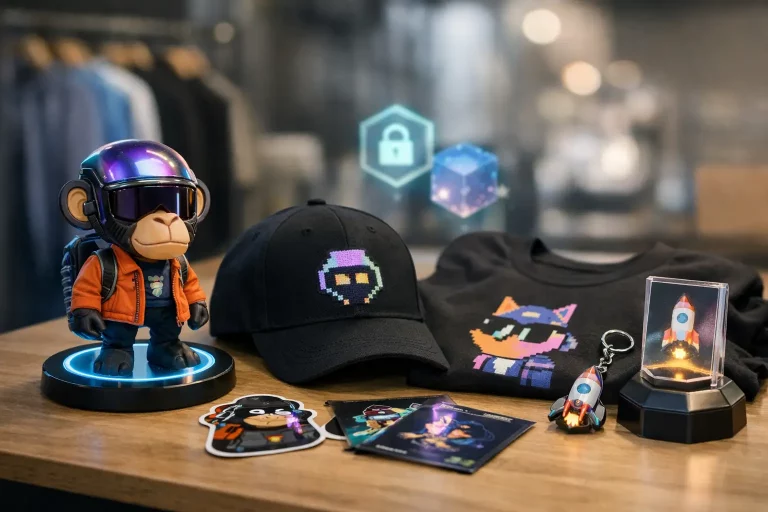
They also make discovery easy. You should be able to browse by product type, artist, or collection without feeling like you are hunting through a cluttered marketplace. Clean category structure matters more than people admit. If a store carries tees, hoodies, caps, bags, posters, mugs, patches, and other accessories, the experience should still feel curated, not chaotic.
On-demand production is another smart signal, especially when it is presented clearly. It means more flexibility, fewer deadstock issues, and access to a broader range of designs without forcing minimum order quantities. For buyers, the trade-off is simple: you get more choice and less waste, but fulfillment may not match the speed of mass-produced inventory. If the quality and official branding are there, many Web3 shoppers are happy to make that trade.
This is also where a brand like NFT Merch fits naturally into the space. The appeal is not just that crypto payments are accepted. It is that the merch is tied to recognized NFT brands and artists, which gives the purchase more cultural weight than generic crypto-themed apparel.
Streetwear logic applies here too
A lot of NFT merch fails because it forgets the basics of fashion. Community matters, but nobody keeps wearing a piece that fits badly or looks cheap after two washes.
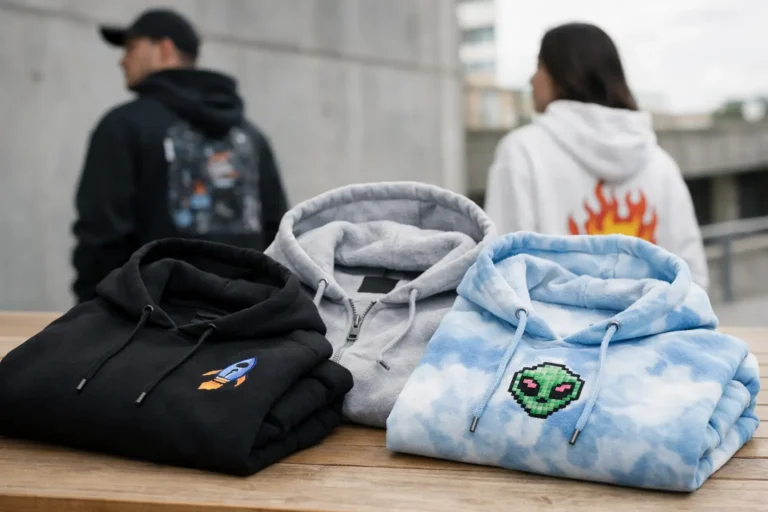
The strongest NFT-inspired products borrow from streetwear logic. They think about silhouette, print placement, color balance, and material quality. They understand that the buyer is not just showing support for a project. They are building a look. A good tee should work with cargos and sneakers. A solid hoodie should feel premium enough for everyday wear. A poster or patch should still feel collectible even if you have never minted an NFT from that exact drop.
This matters because Web3 style has matured. Early crypto merch often leaned heavy on inside jokes and loud branding. Some of that still hits, especially for community events or collector drops, but a lot of buyers now want cleaner execution. They want pieces that speak to those who know, without needing to explain themselves to everyone else.
Common mistakes buyers make
The biggest mistake is treating all NFT merch as equal. It is not. Officially connected merch from established projects, artists, and communities carries a different level of trust and relevance than random designs chasing search traffic.
Another mistake is buying based only on artwork. The graphic might be strong, but the garment, sizing, or production standard can still let it down. Always look at the full product, not just the image.
Some buyers also overlook shipping and fulfillment expectations when they pay in crypto. Payment speed does not always mean production speed. If an item is made to order, that is part of the model. What matters is whether the store communicates that clearly before purchase.
And then there is the flex problem. Buying merch only because it feels like social proof usually leads to weak picks. The best pieces are the ones that actually fit your style and your community ties. If you would not wear it without the logo value, think twice.
The future of buying NFT merch with crypto
The line between digital ownership and physical retail is getting thinner. That does not mean every merch purchase needs token gating, wallet verification, or a complex onchain layer. Sometimes the smart move is simpler: official merch, strong design, global shipping, and crypto at checkout.
That simplicity is powerful. It lets collectors, fans, and creators move from online affiliation to offline expression without friction. You do not need a lecture on the metaverse to understand why that works. If a piece represents your project, your taste, and your place in the culture, it already has value.
So when you buy NFT merch with crypto, buy with standards. Go for recognized collaborations, design that earns its place in your closet, and stores that treat Web3 fashion like real fashion. Own the culture, sure – but wear the pieces that actually deserve it.
The best merch is not trying to convince anyone. It simply shows up, fits right, and tells the right people exactly what you are part of.