How to Wear Digital Identity Fashion With Intent
Your wallet may show what you collect, but your fit shows what you stand for when the screen is off. Knowing how to wear digital identity fashion means translating the communities, artists, and ideas you rate into a look that feels intentional – not like you threw a crypto logo on a blank tee.
The strongest Web3 fits do more than announce that you own something. They create recognition. A fellow holder clocks the reference. A digital art fan asks about the graphic. Someone outside the space sees a genuinely good piece of streetwear first, then finds the story behind it. That balance is the goal.
Start With the Community You Actually Back
Digital identity fashion works best when it comes from a real connection. Wear the project whose art you followed before the floor price moved. Represent the creator whose work changed how you see digital ownership. Pull up in your DAO, gaming collective, or onchain community gear because you participate in the culture, not because a logo is having a moment.
Authenticity is the rarest flex in a space built on signals. A recognizable NFT-inspired graphic has more weight when you can speak about the artist, drop, or community behind it. You do not need to explain your outfit to everyone, but the people who get it will know the difference between affiliation and costume.
This is also why officially connected merch matters. Digital artists and established NFT brands build visual worlds with specific characters, palettes, symbols, and lore. A piece made in that world carries the design language forward. Generic crypto apparel often does the opposite: it reduces a layered culture to a recycled slogan or a coin icon.
How to Wear Digital Identity Fashion Without Looking Like an Ad
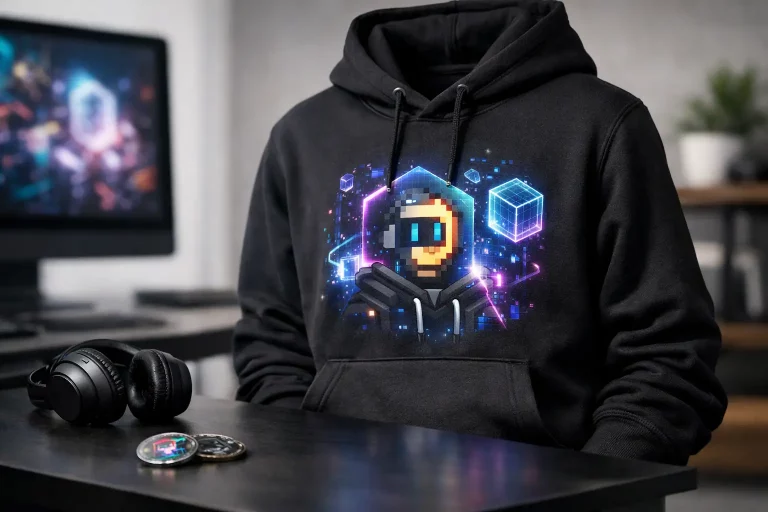
Treat the branded piece as the lead, not the whole campaign. If you are wearing a bold character tee or an all-over graphic hoodie, let it have space. Build around it with clean pants, considered footwear, and one or two accessories. Streetwear has always understood this rule: visual noise is only powerful when it is controlled.
A graphic tee can sit under an open overshirt with relaxed denim and sneakers. A heavyweight hoodie works with neutral cargos, washed black jeans, or tailored track pants. If your top is minimal, then a branded cap, patch, or bag can carry the community signal instead. The outfit should still make sense to someone who has never heard the word NFT.
Color is your easiest tool. Take one tone from the graphic and repeat it once through your sneakers, cap, bag, or socks. Do not match every color exactly. A sharp red detail paired with a muted burgundy cap feels styled; matching red from head to toe can make the piece feel like event staff uniform.
Fit matters just as much as the art. Oversized silhouettes suit many digital-native graphics because they give the print breathing room and connect naturally to modern streetwear. But oversized should still be proportionate. If the hoodie is wide and long, choose straighter or slightly tapered bottoms. If your pants are baggy, try a more structured jacket or a closer-fitting tee. The point is contrast, not restriction.
Pick Your Signal Strength
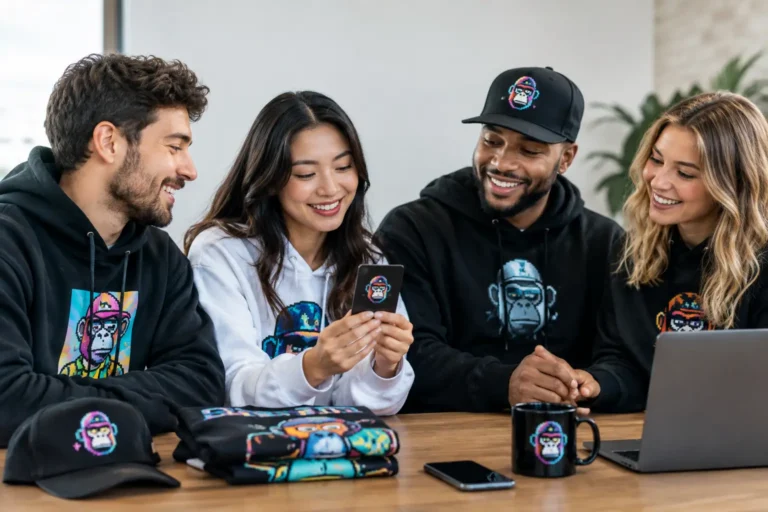
Not every setting calls for the same volume. Digital identity fashion is a dial, not a switch. At a conference, art fair, mint party, or community meetup, a statement hoodie or unmistakable project graphic can start conversations before introductions do. You are in the room with people fluent in the references, so let the piece talk.
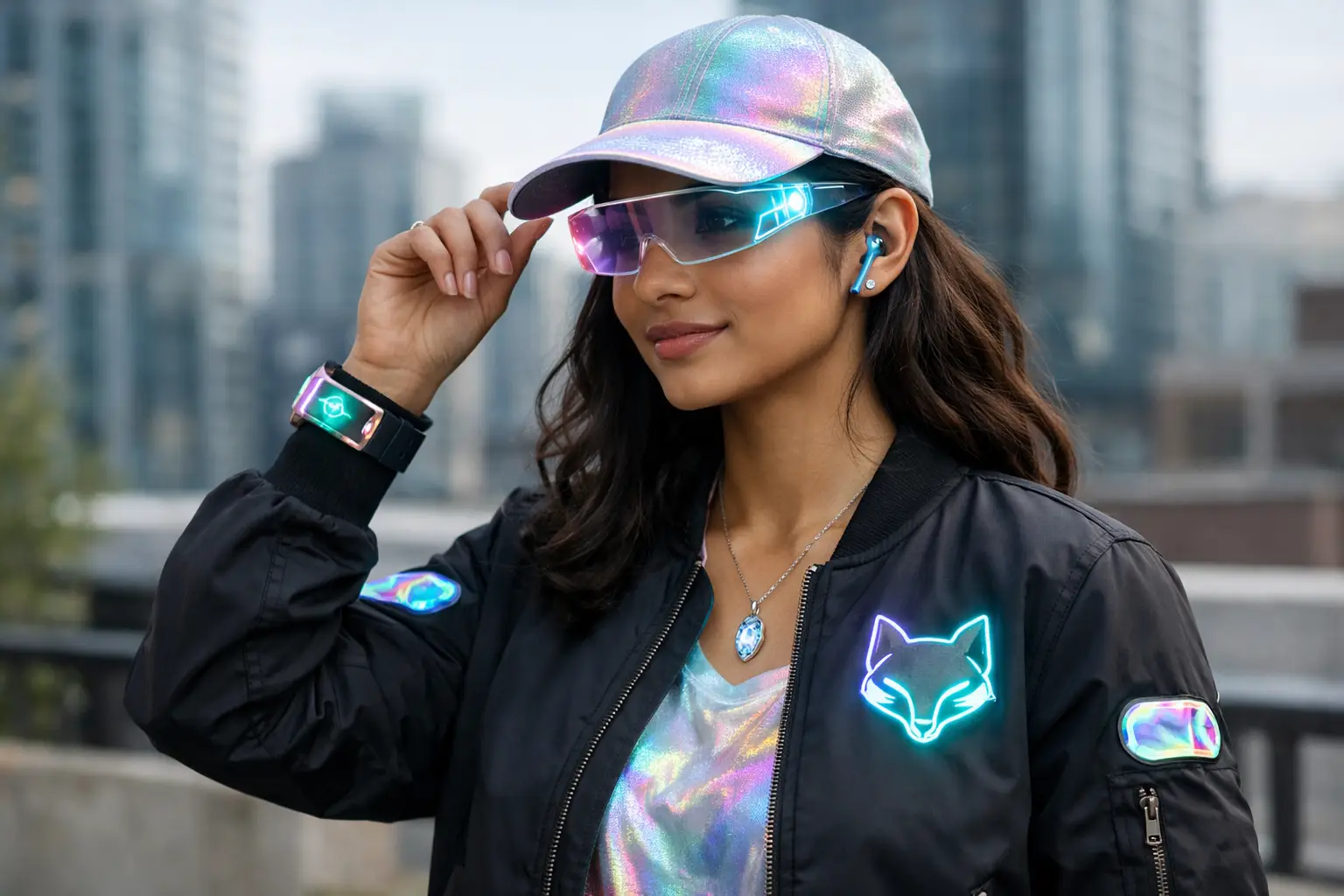
For everyday wear, use a quieter signal. A cap with a small mark, a tote with artist artwork, a clean sweatshirt, or a patch on a jacket can carry the same identity without making the fit feel tied to a single moment. This is especially useful if your workday, city, or social circle moves between Web3 natives and people who simply care about good design.
For travel, lean functional. A recognizable bag, durable hoodie, or comfortable tee can establish your point of view while earning its place in your rotation. The best merch is not precious. It gets worn, photographed, packed, and lived in.
Build a Rotation, Not a Costume
One limited collab can be the centerpiece of a closet, but real style comes from repeatable combinations. Build a rotation around pieces that can move between your digital identity and your day-to-day life. Think one statement graphic, one understated branded layer, one accessory, and dependable neutral foundations.
Your foundations do not need a Web3 reference. In fact, they often should not. Black denim, washed cargos, solid shorts, heavyweight sweats, simple outerwear, and reliable sneakers make the community piece land harder. The same logic applies to accessories. If the hoodie is loud, skip the oversized chain, patterned bag, and graphic sneakers all at once. Give the eye a place to rest.
Seasonality changes the approach. In warmer weather, a strong tee, shorts, cap, and clean sneakers can carry the whole look. Choose a shirt with enough print presence to hold its own, then keep the rest restrained. In colder months, layer a graphic tee under a hoodie, coach jacket, bomber, or workwear overshirt. Let a flash of artwork appear at the collar or hem instead of forcing every graphic to be fully visible.
Wear the Art Like Art
NFT culture has produced some of the most distinct visual identities on the internet. Wearing that work in physical form is not just brand loyalty. It is a way of putting digital art into circulation beyond profile pictures, marketplaces, and Discord banners.
That requires respect for the piece. If the artwork is dense, surreal, or character-led, avoid styling it with competing graphics. If it is a subtle mark from a known collection, you can push the rest of the look further with texture, jewelry, footwear, or a more unusual silhouette. Let the design tell you how much styling it needs.
This is where quality separates collectible merch from disposable promo gear. A print should feel intentional on the garment, with scale and placement that work on a moving body. The fabric, cut, and finish should support repeat wear. On-demand production can be part of that equation too: it avoids the pressure to flood the world with excess inventory just to create artificial hype.
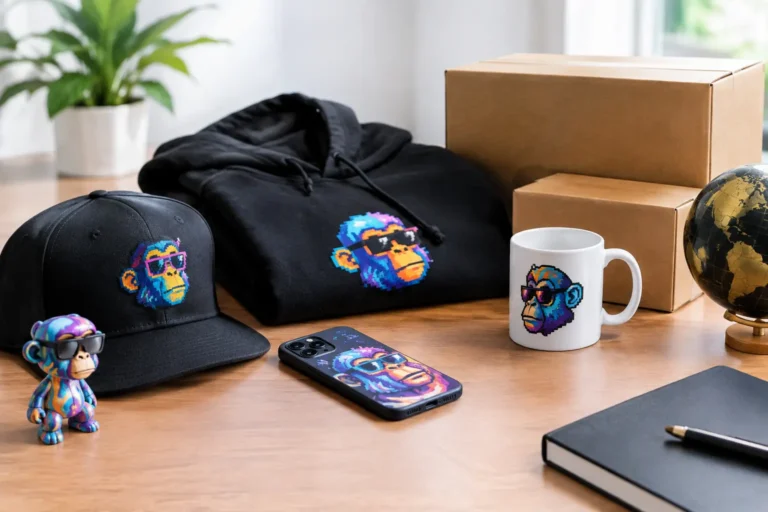
At NFT Merch, the focus is on giving recognized digital brands and Web3 artists a real-world wardrobe presence, from everyday tees and hoodies to accessories that travel with you. The right piece feels connected to a culture, not copied from one.
Know When to Keep It Low-Key
There is a difference between personal expression and broadcasting your holdings. A visible project reference can build instant connection, but it can also invite questions you do not want to answer. You never owe anyone details about your wallet, bag, portfolio, or access. Your clothing can represent a creative affiliation without becoming proof of what you own.
That distinction is useful in public spaces, while traveling, and anywhere the conversation could shift from art to asset value. Lead with design, community, and culture. If someone asks what the piece means, talk about the creator or the idea that drew you in. Let your fashion signal taste before status.
It also depends on the community. Some collections are loud by nature, built around meme energy, maximal graphics, and internet-chaos confidence. Others are design-forward, underground, or deliberately cryptic. Match the energy of the merch to your own style rather than performing a version of the culture that does not fit.
Make the Fit Part of the Story
The most memorable looks have context. Wear your artist tee to a gallery opening, your community hoodie to a local meetup, or your collab cap while creating, skating, traveling, or building with your people. Post the outfit if you want, but do not force the content. A mirror shot is fine; a real moment with a real crew carries more weight.
Digital identity becomes credible when it is lived. The physical piece is not a substitute for belonging. It is the flag you carry once you already know where you stand.
Wear the drop because it means something to you. Style it hard enough that strangers notice the design, and honestly enough that the right people recognize the legacy.