NFT Community Clothing That Actually Hits
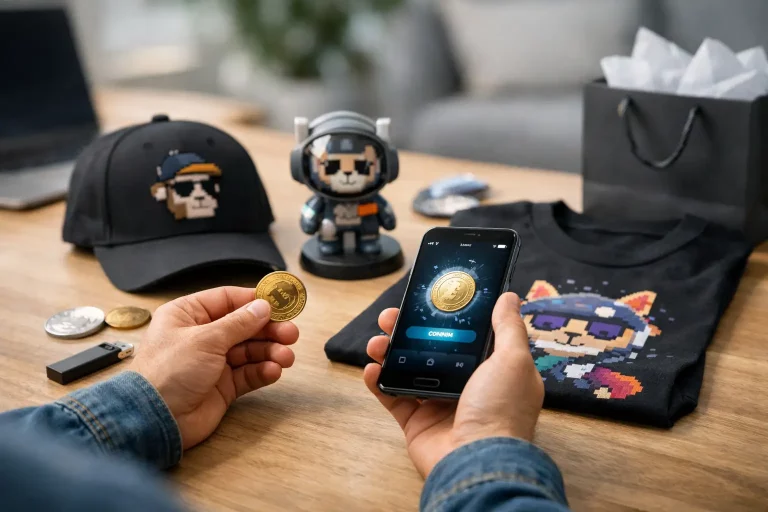
The fastest way to tell whether a project has real cultural gravity is not floor price. It’s what people choose to wear when they log off. NFT community clothing works when it does more than slap a logo on a blank tee – it gives holders, fans, and collectors a way to carry digital identity into the physical world without looking like they bought a joke shirt from a random ad.
That gap matters. Web3 communities are built online, but belonging gets stronger when it shows up offline – at events, in content, in day-to-day fits, and in the small signals other people in the space instantly recognize. The right merch becomes part uniform, part collectible, part status marker. The wrong merch feels disposable before it even lands at your door.
Why nft community clothing matters now
NFTs changed how people think about ownership, access, and identity. A wallet can prove what you hold, but clothing shows what you stand behind. That difference is why merch has moved from afterthought to core community layer.
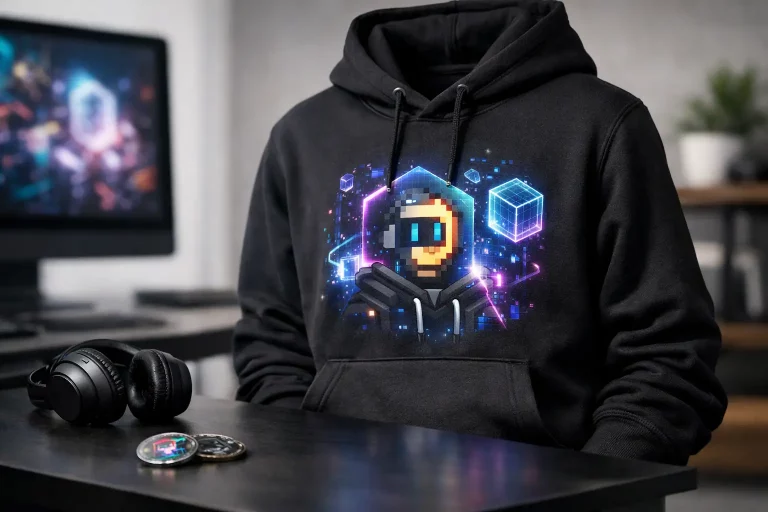
When a project gets clothing right, it extends the brand beyond Discord banners and profile pictures. It turns a digital asset into something lived in. That has real value for communities that care about visibility, scarcity, and social proof. A hoodie tied to a recognized collection says more than “I like this art.” It says “I’m part of this culture.”
There’s also a practical reason this category keeps growing. Not everyone wants another token, but plenty of people want a clean heavyweight tee, a sharp cap, or a graphic hoodie with actual design intent. Physical merch opens the door for supporters who connect with the brand even if they are not whales, early minters, or full-time traders. It widens the circle without flattening the identity.
What separates real NFT merch from generic crypto apparel
A lot of clothing in this space still misses the point. You’ve seen it – loud graphics, lazy icon placement, no sense of fit, no story, no quality. It treats Web3 like a gimmick instead of a culture.
Real nft community clothing starts with authenticity. The design should come from the project’s visual language, artist universe, or community lore. That could mean character-based artwork, symbols known inside the ecosystem, or a drop concept tied to a specific milestone. If it could be swapped onto any random project name, it is not community merch. It is filler.
Quality matters just as much as branding. Streetwear buyers know the difference between a shirt that feels premium and one that shrinks into regret. Fabric weight, print durability, fit, and finishing all shape whether an item gets worn once for a post or rotated for months. In Web3, where reputation travels fast, cheap merch sends a message too.
Then there’s scarcity. Not every product needs to be ultra-limited, but exclusivity still drives energy. A smart merch strategy balances accessibility with collectibility. Open-order staples can build reach, while limited collabs and artist-led drops create urgency. It depends on what the brand is trying to do – grow awareness, reward holders, or mark a moment.
The design codes that make it wearable
The best pieces in this category do not scream for attention in the wrong way. They know when to flex and when to stay subtle.
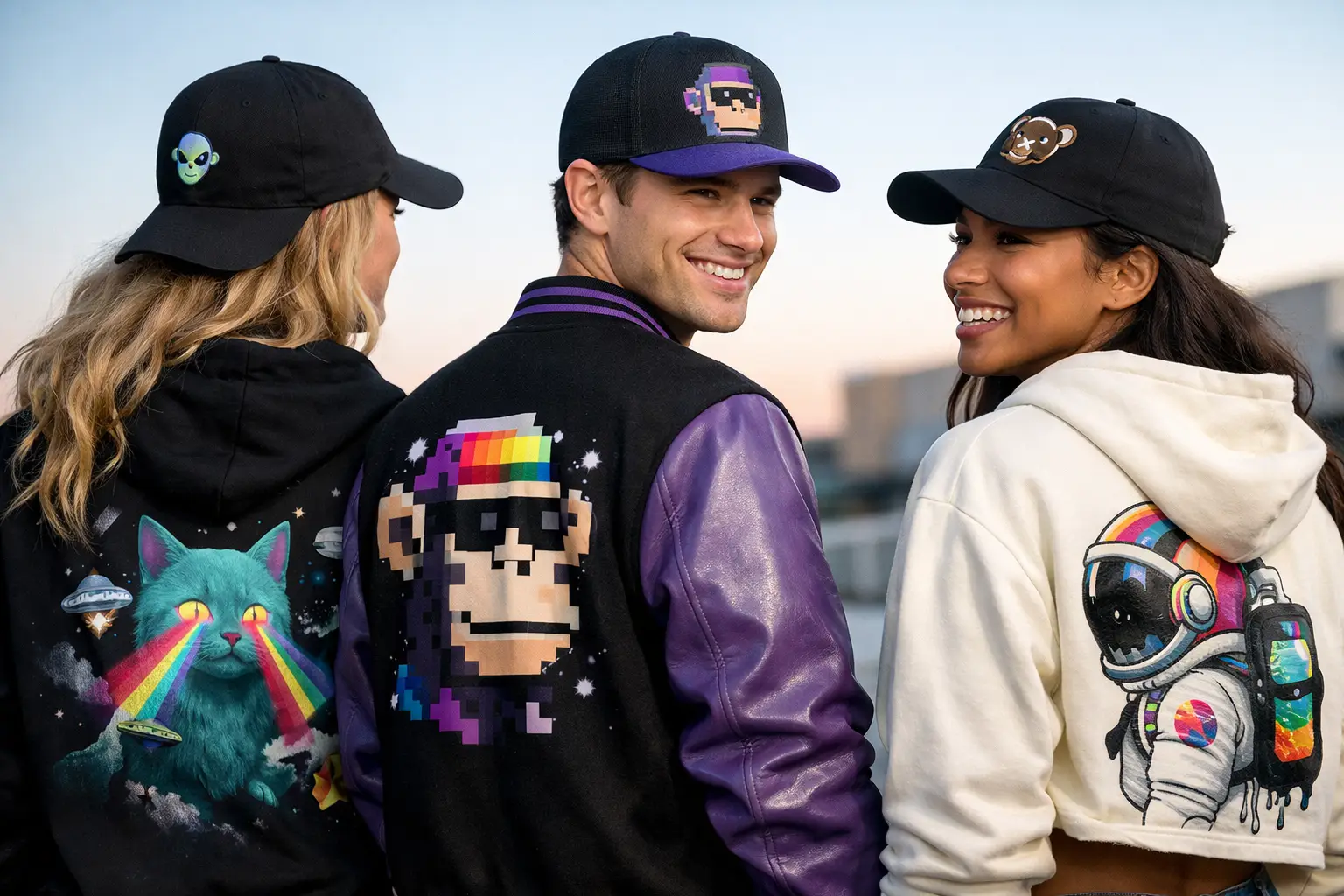
Some communities want bold front graphics and unmistakable references. That works when the art is strong and the project has enough cultural pull to carry it. Others land better with quieter cues – sleeve prints, back graphics, woven patches, inside labels, or symbols only insiders catch. That low-key approach can actually feel more premium because it respects the wearer’s style instead of overpowering it.
Fit is part of the code too. Boxy tees, oversized hoodies, relaxed sweats, and streetwear silhouettes feel native to the audience. A strong design on a weak cut still loses. People in Web3 are not shopping for conference giveaway merch. They want pieces that belong in the same wardrobe as their favorite sneakers, cargos, and outerwear.
Color choices matter more than brands often think. Black, washed neutrals, off-white, slate, forest, and muted earth tones usually have better staying power than novelty neon unless the project’s identity truly calls for it. You want clothing people can build outfits around, not just archive on a shelf.
NFT community clothing as social proof
Merch in Web3 is not only about style. It is also a signal.
Wearing recognized project apparel can create instant conversation at events, meetups, pop-ups, or even in everyday life. It compresses context. Instead of explaining what communities you’re in, your fit does some of that work for you. That matters in a culture built on handles, wallets, and online reputation.
There’s a status layer here too, and it’s worth being honest about it. Exclusive drops, collab capsules, and artist-backed releases function like social markers. They tell people you were early, tuned in, or close enough to the culture to secure the piece before it disappeared. That is not shallow – it is how fashion has always worked. Web3 simply adds provenance and digital-native meaning to the equation.
Still, there’s a trade-off. If every release is engineered only for hype, the brand can burn trust fast. Community clothing should reward attention, but it should also offer genuinely wearable options for the broader base. The strongest labels know how to serve both the collectors and the everyday supporters.
How brands should approach nft community clothing
If you run a project, artist brand, or Web3 community, merch should not be treated as a side tab you launch once and forget. It should feel like an extension of your world.
Start with your audience, not your logo. Ask what your community would actually wear, what price point feels right, and whether your visual identity can sustain multiple drops without becoming repetitive. A one-note mascot can work for a single tee. A lasting apparel line needs a fuller system – graphics, typography, references, color stories, and product variety.
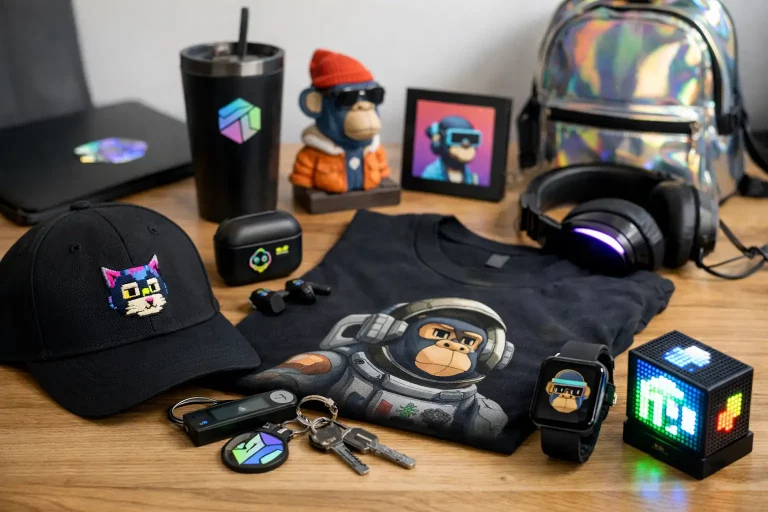
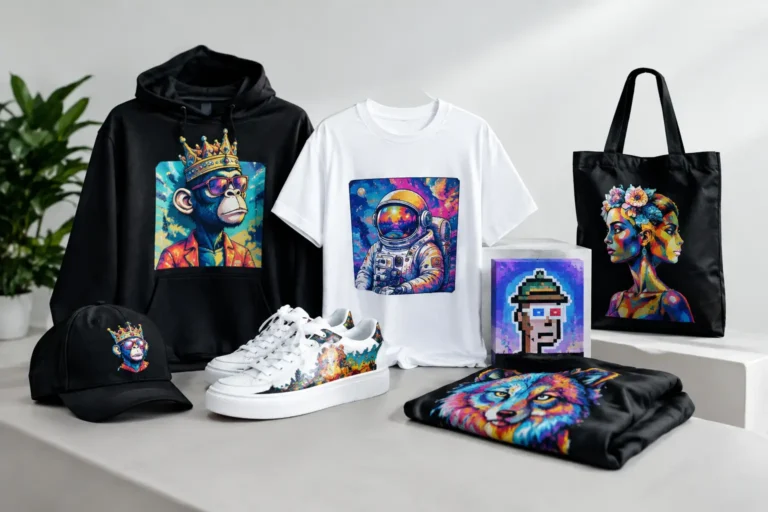
Product selection matters. Tees and hoodies are the obvious core, but accessories often overperform because they are easier entry points. Hats, bags, mugs, patches, and posters let people buy into the culture without committing to a full fit. For stronger communities, adding shorts, sweatpants, swimwear, or home goods can deepen lifestyle appeal.
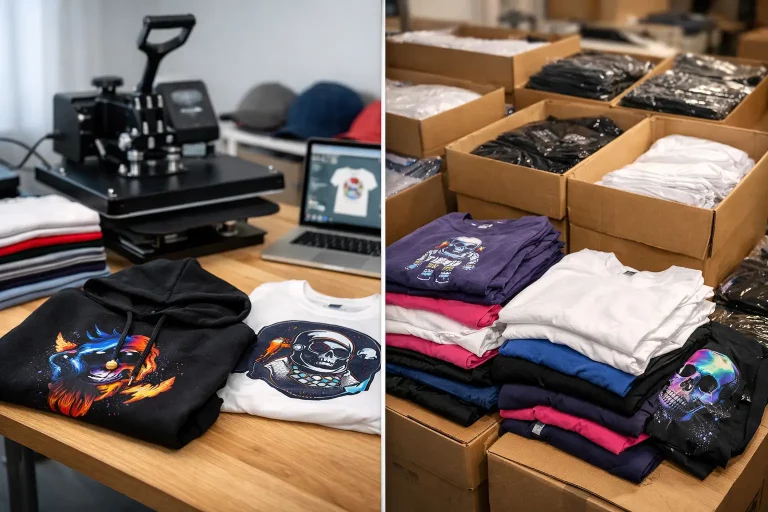
Production model matters too. On-demand fulfillment is attractive because it keeps inventory risk low and makes it easier to test demand across categories. That said, some drops benefit from tighter control and smaller limited runs, especially when exclusivity is part of the value. It depends on whether speed and breadth matter more than rarity and packaging.
Working with an authentic merch partner can make the difference here. A platform like NFT Merch fits naturally because it understands that Web3 buyers are not looking for generic customization. They want recognized collaborations, credible product choices, and a buying experience that respects both culture and convenience.
What buyers should look for before they cop
Not all merch deserves your wallet. Before buying, look at whether the brand has a real connection to the project or artist, whether the product images show fit and print quality clearly, and whether the design feels considered rather than rushed.
Check the details. Is the garment type right for how you actually dress? Does the graphic feel timeless enough to wear after the hype cycle moves on? Is the item limited because it means something, or because scarcity is being used to cover weak design?
Payment flexibility also matters more in this category than in mainstream retail. Web3-native shoppers expect optionality, whether that means card, crypto, or a quick global checkout flow. Fast access removes friction, but trust still wins the sale.
Then there’s the bigger question: are you buying merch, or are you buying identity? Usually it’s both. The best pieces justify that by giving you something that looks good, feels legit, and connects back to a community with actual meaning.
Where this category is heading
NFT community clothing is moving toward a more mature space. The early era of novelty slogans and low-effort graphics is fading. What’s replacing it is closer to modern streetwear – better blanks, cleaner art direction, smarter collaborations, and drops that feel culturally aware rather than opportunistic.
Expect more crossover between digital artists, NFT brands, and physical fashion formats. Expect more collectible framing, better packaging, and stronger storytelling around each release. And expect buyers to get more selective. The audience knows the difference now. They can spot clout-chasing from a mile away.
That’s good news for the projects and retailers doing it right. When merch is treated as culture, not clutter, it becomes one of the strongest bridges between online ownership and real-world presence. Own the piece if it earns a place in your rotation – not just your cart.