9 NFT Merch Campaign Examples That Worked
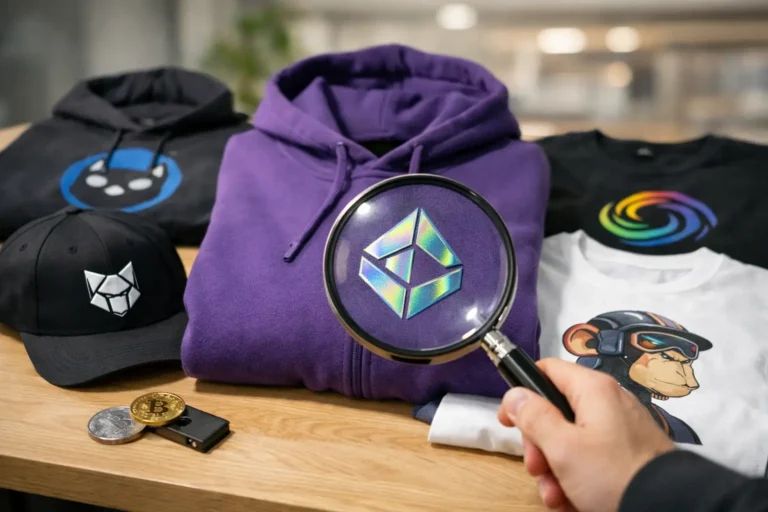
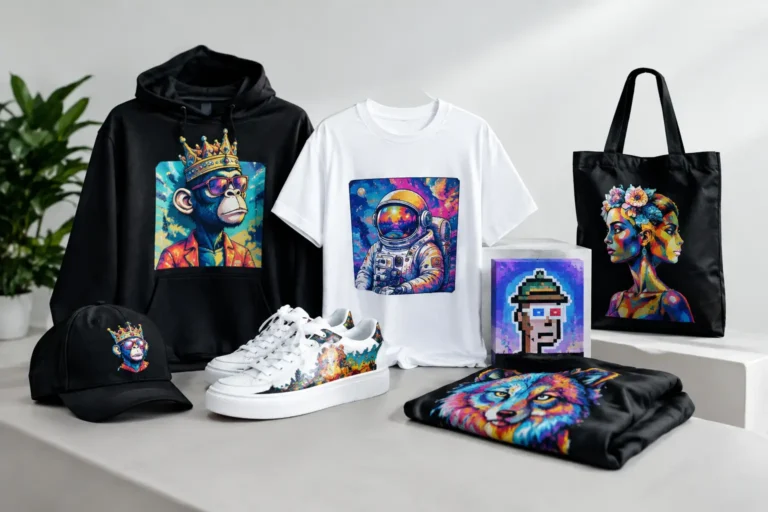
A merch drop flops when it feels like an afterthought. A merch drop hits when it turns community identity into something people want to wear, collect, and post. That is why strong nft merch campaign examples matter – they show how Web3 brands move from profile pictures and Discord hype to real-world demand.
The best campaigns do not win because they slap artwork on a hoodie. They win because they understand status, timing, access, and story. In Web3, merch is not just product. It is proof of belonging. It is a flex at events, a conversation starter online, and for the strongest communities, a physical extension of the brand itself.
What the best nft merch campaign examples get right
There is a pattern behind the campaigns people actually remember. First, they give the merch a reason to exist beyond simple monetization. Maybe it celebrates a milestone, rewards holders, unlocks access, or marks a collaboration that feels culturally real. Second, they treat design like brand equity. If the graphics look lazy, the community feels it immediately.
The strongest campaigns also understand scarcity without overdoing it. Limited runs can create urgency, but fake scarcity gets old fast. If every item is billed as ultra-exclusive, the signal weakens. The sweet spot is a drop structure that feels earned, not forced.
Then there is utility. That does not always mean token-gated commerce or wallet verification. Sometimes utility is simpler – high-quality blanks, wearable cuts, global shipping, and product types people actually use. A cap that leaves the screen and enters everyday rotation will do more for brand visibility than a complicated collectible nobody wears.
9 nft merch campaign examples worth studying
1. Holder-exclusive capsule drops
This is the cleanest play in the book, and it still works when executed well. A project releases a limited apparel capsule available only to NFT holders for a fixed window. The campaign lands when access feels like a real perk instead of a thinly disguised sales funnel.
What makes this model strong is the direct tie between ownership and reward. It gives holders a benefit they can use in public, not just on-chain. The trade-off is reach. A holder-only campaign protects exclusivity, but it can leave broader fans out. Some brands solve that by giving holders early access and opening a second wave to the wider community if inventory remains.
2. Mint-day merch bundles
Some projects pair a mint or reveal with physical goods. Buy the NFT and you get access to a matching tee, poster, or premium package. This format works best when the merch deepens the launch story rather than distracting from it.
The upside is momentum. You capture attention when the community is already watching. The downside is logistics. If the NFT launch is shaky, the merch can become collateral damage. Bundles also need careful pricing. If people feel pushed into buying product they do not want just to access the token, sentiment can turn quickly.
3. Artist collaboration streetwear drops
This is where culture starts to compound. A recognized NFT brand teams up with a known digital artist or Web3 creator and builds a capsule around a specific visual language. Done right, it feels less like merch and more like a drop.
These campaigns stand out because they borrow credibility from both sides. The community gets something fresh, while the artist gets a physical format for their work. The risk is mismatch. If the collaboration feels random or purely transactional, audiences notice. The best collabs share aesthetic DNA, not just logos.
4. Event-led merch tied to IRL moments
NFT NYC, Art Basel, local meetups, side events – these moments create perfect conditions for merch. People want something they can wear on the spot and keep after the event. Good campaigns use the event as a cultural trigger, not just a sales opportunity.
This format wins because it gives the product context. A hoodie from a major community meetup carries memory and status. It says you were there. The challenge is timing. Event merch has a short runway, so production and fulfillment need to be tight. On-demand can reduce risk, but only if the customer still feels the excitement while the moment is fresh.
5. Burn-to-redeem physical merch campaigns
A more experimental model involves burning an NFT or redeeming a token-based claim for a physical item. This can be powerful when the merch itself is elevated enough to justify the exchange.
The appeal is commitment. It turns digital ownership into a deliberate trade for something tangible. That can create stronger emotional value than a standard checkout. But it depends on the audience. Some collectors love the ritual. Others do not want to burn a digital asset for apparel, no matter how rare it is. This model works best with highly engaged communities that already understand collectible mechanics.
6. Open edition basics with premium brand codes
Not every winning campaign needs extreme scarcity. Some of the smartest examples use open access products like tees, mugs, caps, and stickers to scale community visibility. The key is treating basics with design discipline.
This approach is effective because it lowers the barrier to entry. Not everyone can afford premium collectibles, but many can buy a well-designed T-shirt that connects them to the culture. The trade-off is prestige. Open editions drive reach, but they need stronger creative direction to avoid looking generic. Quality, fit, and artwork carry more weight when exclusivity is not the main hook.
7. Community-voted merch releases
A project teases multiple graphics, silhouettes, or colorways and lets the community vote before launch. This creates buy-in before a single item is produced. It also gives holders and fans the feeling that they are shaping the brand, not just consuming it.
The reason this works is simple. Participation builds emotional investment. People are more likely to buy what they helped choose. Still, it depends on brand discipline. Pure democracy can produce weak results if every decision is outsourced. The best campaigns let the community vote inside a clear creative framework.
8. Tiered access campaigns for holders and fans
Some projects split a drop into layers: a premium product for core holders, a broader item for general supporters, and maybe a collector add-on for top-tier wallets. This is one of the more commercially smart nft merch campaign examples because it respects different levels of commitment.
It solves a common problem in Web3 retail. Communities are not made up only of whales. There are holders, aspiring holders, artists, moderators, event attendees, and fans who simply love the brand. Tiered access lets a campaign preserve status while still expanding the customer base. The catch is complexity. If the rules are messy, buyers lose interest fast.
9. Limited collaboration stores with on-demand fulfillment
A short-run digital storefront built around one NFT brand or artist can punch well above its weight, especially when it combines exclusivity cues with low-friction buying. This model is strong because it keeps the focus tight. One identity, one drop window, one clear proposition.
It also reduces inventory risk. On-demand fulfillment lets brands test demand across categories like hoodies, patches, posters, bags, and accessories without overcommitting. For curated platforms such as NFT Merch, this model makes particular sense because it preserves authenticity while giving communities a reliable place to buy official product. The challenge is expectation management. Customers still want premium feel, even when the backend is flexible.
What separates hype from a real campaign
A lot of projects confuse attention with traction. Getting likes on a mockup is not the same as moving product. A real campaign has structure behind it: a clear audience, a reason for the drop, product-market fit, and a purchase flow that does not kill momentum.
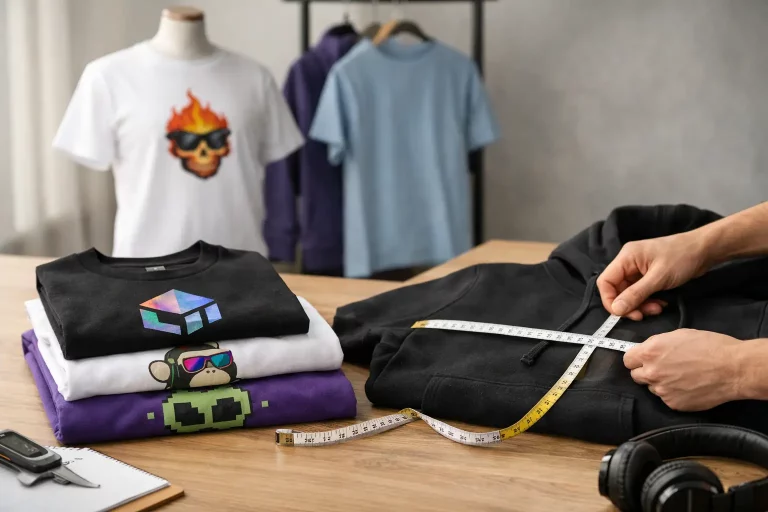
Creative matters, but campaign mechanics matter just as much. If the sizing is unclear, the shipping is vague, or the product mix is wrong for the audience, hype evaporates. Web3 buyers can be impulsive, but they are not careless. They still want trust signals.
The smart move is to think like a streetwear brand, not a novelty shop. That means fewer throwaway products, stronger visuals, and sharper release logic. It also means understanding that community merch does not need to scream crypto to feel authentic. Often the strongest pieces are subtle enough to wear anywhere, with enough insider detail to signal membership to the right people.
How to build a stronger NFT merch campaign
Start with the community truth. What are people actually proud to represent? A campaign built around inside jokes, iconic artwork, founder lore, or a major milestone will always feel stronger than one built around random product ideas.
Then choose the right campaign model. If the goal is status, lean into limited access. If the goal is growth, open editions or tiered drops may work better. If the goal is cultural credibility, collaboration can do more than scarcity alone. It depends on what the brand needs right now.
Finally, make the merch worth owning even without the NFT context. That is the standard. The best pieces stand on their own as fashion, collectible design, or everyday utility. If the community would wear it without being asked, the campaign is already ahead.
Web3 moves fast, but identity lasts longer than a trend cycle. Build merch people want in their real life, and the campaign stops being just a drop. It becomes part of the culture.