Web3 Accessories for Everyday Use That Hit
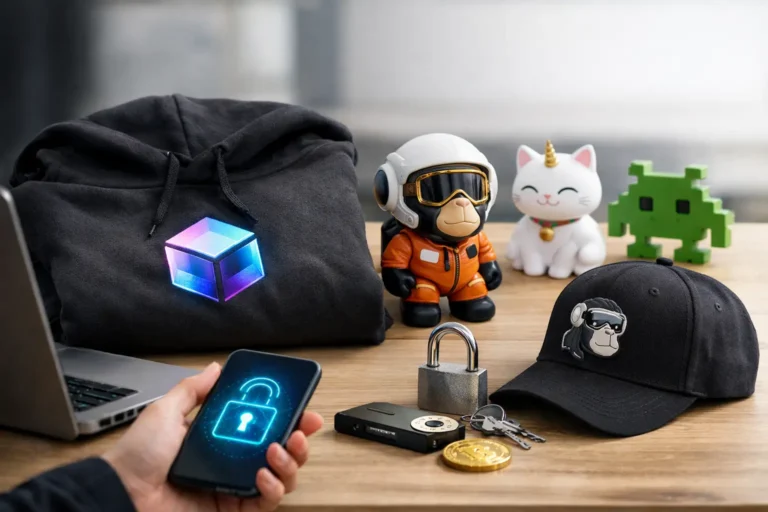
Some people keep their wallet in a browser tab and call it a day. Others want their taste, community, and digital identity to show up offline too. That is where web3 accessories for everyday use stop being novelty items and start making sense. The right piece does more than reference crypto culture – it signals what you’re part of, what you collect, and how you move through both digital and physical spaces.
Why web3 accessories for everyday use matter
In Web3, identity has always been visible. Your PFP, your wallet activity, the communities you back, the artists you collect – all of it says something before you type a single word. Offline, that same instinct shows up through what you wear and what you carry.
Accessories are often the easiest bridge between those two worlds. A hoodie makes a statement, sure, but a cap, bag, patch, mug, or phone accessory fits naturally into daily life. It does not feel like costume. It feels like part of your routine. That matters because most people are not trying to look like they are headed to a crypto conference every day. They want pieces that work at the coffee shop, at the airport, in the office, at a meetup, or on a casual night out.
That is also why accessories outperform louder merch in a lot of real situations. They are more flexible, easier to style, and lower risk if your taste leans design-first. For Web3-native buyers, that balance is the sweet spot – visible enough to signal, subtle enough to wear on repeat.
The best web3 accessories for everyday use
Not every product deserves a place in your daily rotation. The strongest accessories do three things well. They carry actual utility, they look good without needing explanation, and they feel connected to a real community or artist instead of a generic crypto slogan.
Caps and beanies
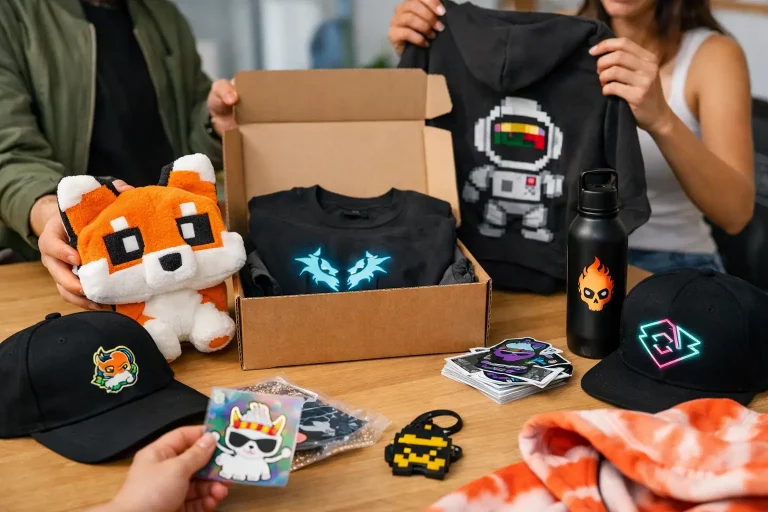
Headwear is one of the cleanest entry points into Web3 merch. A well-designed cap can carry a project mark, artist graphic, or inside-reference without dominating your whole fit. It works because streetwear already treats hats as identity pieces. In Web3, that same logic applies, just with more meaning attached.
The trade-off is obvious: if the branding is lazy or too loud, it can look dated fast. The better move is sharp design, strong embroidery or print quality, and visuals tied to recognizable projects with actual cultural weight.
Tote bags and crossbody bags
A good bag earns its place every day. It carries your laptop, charger, notebook, and whatever else your day demands. In Web3, bags also make sense because they mirror the culture’s obsession with carrying value, access, and identity. It is a practical category with built-in symbolism, which is rare.
Totes are great if your style is more casual or art-forward. Crossbody bags hit harder if you want a more urban, utility-driven look. What matters most is durability and design placement. If the artwork feels considered, the piece becomes part of your uniform. If it feels slapped on, it stays in the closet.
Patches and stickers
These are smaller buys, but they punch above their weight. Patches and stickers let you customize jackets, bags, laptops, notebooks, and cases without committing to a full outfit. For collectors and community members, they are also one of the most direct ways to turn digital affiliation into something physical.
They work especially well for people who are deep in multiple communities and do not want to be locked into one visual lane. A patch on a bag or a sticker on a laptop can say plenty without overplaying it. The only downside is quality control. Cheap materials peel, crack, or fade. If you are buying for daily use, that detail matters.
Mugs and desk accessories
Not every accessory has to be worn. Some of the smartest Web3 lifestyle products live on your desk. A mug, mat, or small desktop item can bring your favorite art or community into your workday without trying too hard. If you spend hours at a desk trading, creating, coding, or working remotely, that is real everyday use.
This category is less about streetwear energy and more about environment. It tells people what you are into, but it also shapes your own space. For a lot of buyers, that feels more honest than loud branding on clothing. It depends on how public or private you want your identity signals to be.
Phone cases and tech carry
Your phone is probably the object you touch most. That makes it a natural canvas for Web3 culture. Phone cases, sleeves, and tech pouches can carry artwork and branding in a way that feels current, especially for younger audiences who already treat tech accessories as fashion.
The challenge here is lifespan. Phone models change, and what fits one device ages out quickly. If you want longevity, go for universal tech organizers or pouches over model-specific items. If you want immediacy and visual impact, a phone case still hits.
What separates real Web3 merch from generic crypto stuff
Anyone can print a token symbol on a blank product. That does not make it good merch. Real Web3 accessories for everyday use come from authentic source material – established NFT brands, respected digital artists, and communities that already mean something online.
That distinction matters because the audience can tell the difference fast. Generic crypto merchandise usually leans on tired graphics, forced slogans, and zero cultural context. Authentic merch carries design language people actually recognize. It feels closer to a drop than a souvenir.
There is also the status layer. In Web3, provenance matters. The same way collectors care who made the art and where it came from, they care about who is behind the merch. Official collaborations and curated brand partnerships create trust. They also make the product feel worth owning instead of merely wearable.
How to choose accessories you will actually use
A lot of people buy merch based on hype and then never build it into their day-to-day. The smarter move is to start with your routine, not the drop.
If you commute, travel, or work from different places, go for bags, caps, and tech accessories. If you work from home and want your space to reflect your taste, desk items and mugs may do more for you than another shirt. If your style is minimal, choose one understated piece with strong design instead of three loud ones competing for attention.
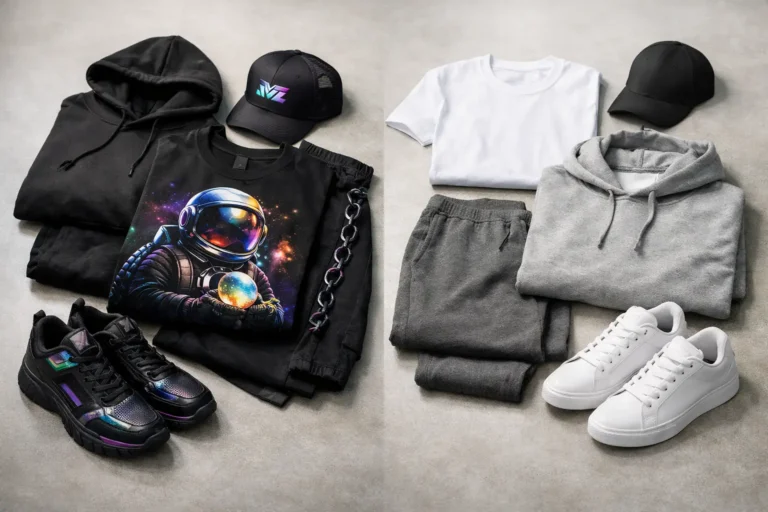
It also pays to think about how recognizable you want the signal to be. Some buyers want obvious project branding because they enjoy the nods from people who know. Others want artwork that stands on its own and only reveals its Web3 origin to the right crowd. Neither approach is better. It just depends on whether you are dressing for broad attention or community recognition.
Quality should be non-negotiable. Daily-use accessories get handled, washed, carried, dropped, and worn out. If construction is weak, the product stops feeling premium fast. That is why on-demand production and small-batch culture only work when the base product is solid.
Everyday flex beats occasional hype
There is a reason the best merch brands do not treat accessories like filler. They understand that everyday wear builds stronger attachment than occasional statement pieces. A cap you throw on three times a week or a tote you carry everywhere becomes part of your identity in a way a one-time event tee never quite does.
That is especially true in Web3, where belonging is active. Communities do not live only in Discord servers or on X. They show up in the real world at meetups, airports, co-working spaces, festivals, and random streetwear encounters. Accessories travel well across all of those environments.
For brands, that makes them powerful. For buyers, it makes them useful. A good accessory is not just merch. It is low-key social proof. It tells people you were early enough, tapped in enough, or design-conscious enough to wear the culture well.
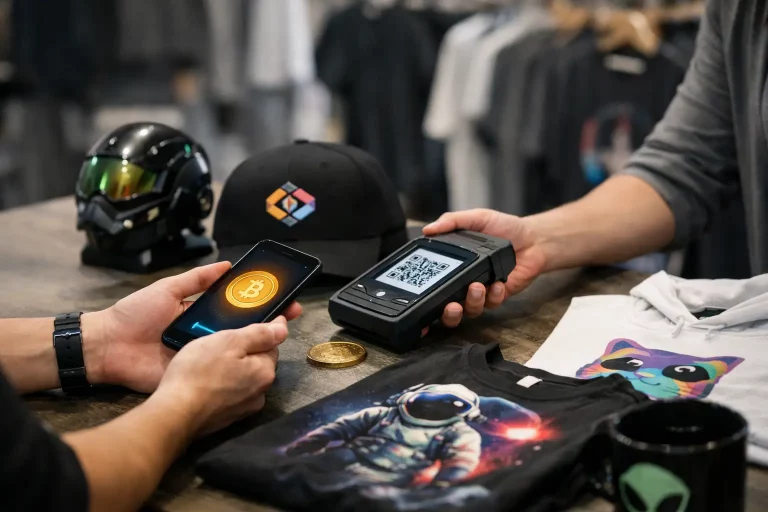
That is why platforms built around official drops and artist-led collections have an edge. When the product comes from a place that respects both the art and the audience, it feels different. NFT Merch sits in that lane – less generic print-shop energy, more curated culture you can actually wear.
The future of web3 accessories for everyday use
This category is only going to get sharper. As the market matures, the loud novelty phase keeps fading, and buyers get more selective. They want products that hold up as design objects, not just conversation starters. That pushes the whole space toward better materials, stronger collaborations, and more thoughtful product choices.
It also means accessories will keep winning over full-look merch for a lot of people. They are easier to integrate, easier to gift, and easier to wear across different settings. For collectors and community members who want to bring digital ownership into daily life without overdoing it, that is the lane.
Own what feels real to your routine. The best piece is not the one that screams the loudest – it is the one you keep reaching for without thinking twice.