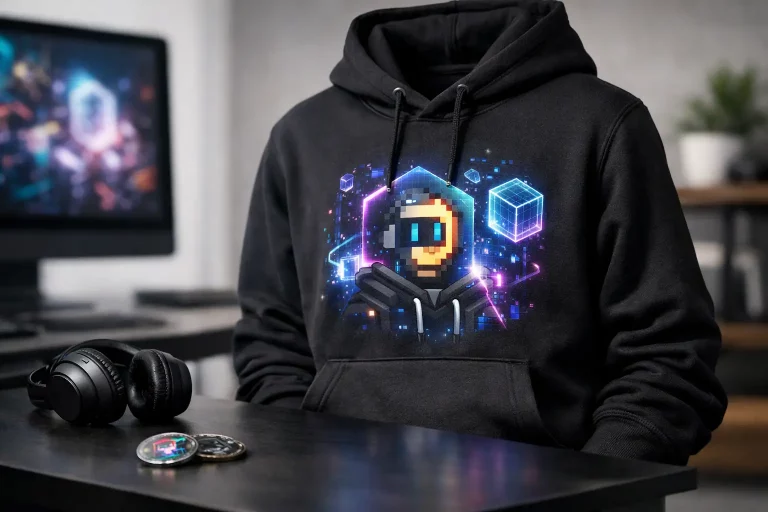
How Official Web3 Merch Works for Real Fans
Your profile picture may live on-chain, but the signal does not have to stay behind a screen. Knowing how official web3 merch works is the difference between wearing a random crypto graphic and representing a project, artist, or community with real permission, real design intent, and real cultural weight.
Official merch turns digital identity into something tangible. It puts the visual language of a collection on a hoodie, cap, poster, or everyday carry piece without stripping away the story that made the community matter in the first place. The best drops are not just products with a logo placed on them. They are physical extensions of a world people already believe in.
Official Means More Than a Familiar Image
A recognizable NFT image is not automatically official merchandise. Plenty of people can reference Web3 culture, mint-inspired visuals, pixel art, or crypto phrases. Official merch begins with authorization from the project, creator, rights holder, or approved brand partner.
That authorization matters because it protects the art, the community, and the buyer. You know the design is meant to exist in that form. The project has a say in how its identity is presented. The finished piece supports the ecosystem instead of turning community culture into a low-effort cash grab.
For collectors, this is the difference between affiliation and imitation. A licensed GRINNZ graphic, for example, carries a direct connection to the brand world it represents. It is designed to be recognized by people who get it, not explained to people who do not.
Official also does not always mean every item is tied to an NFT-gated purchase. Some drops are open to the wider community. Others may be limited, holder-focused, or built around a specific collaboration. The point is provenance: the merch should have a clear, credible relationship to the culture on the garment.
How Official Web3 Merch Works From Art to Apparel
The process starts before a product page goes live. A Web3 project or digital artist works with an approved merch partner to translate the brand into physical formats. That can mean adapting character art for print, building a fresh capsule around a visual trait, creating typography that fits the community voice, or selecting products that match the intended look.
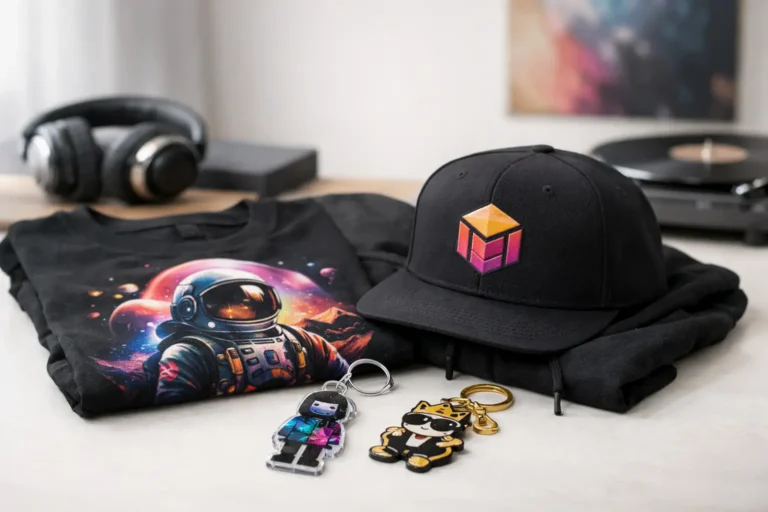
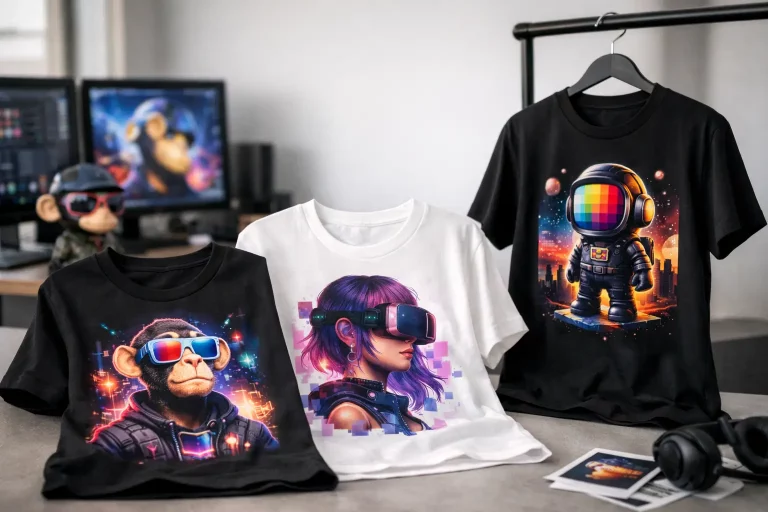
A loud collection may belong on heavyweight hoodies, oversized tees, patches, and posters. A more refined digital art brand may land better on clean crewnecks, premium accessories, or framed wall pieces. Product choice is part of the creative direction. The same artwork can feel collectible, disposable, elevated, or off-brand depending on how it is used.
Then comes production. Many official Web3 stores use on-demand manufacturing, which means an item is produced after an order is placed rather than sitting in a warehouse for months. That model makes it possible to offer broader size ranges, global fulfillment, and no minimum order quantity without forcing a project to gamble on massive inventory runs.
There is a trade-off. On-demand production can mean that fulfillment takes longer than pulling a pre-packed shirt from a shelf. It also means exact product availability may shift by region, color, or supplier capacity. But for community merch, the upside is significant: less excess stock, more flexible drops, and a lower barrier for fans who want one piece rather than a full cart.
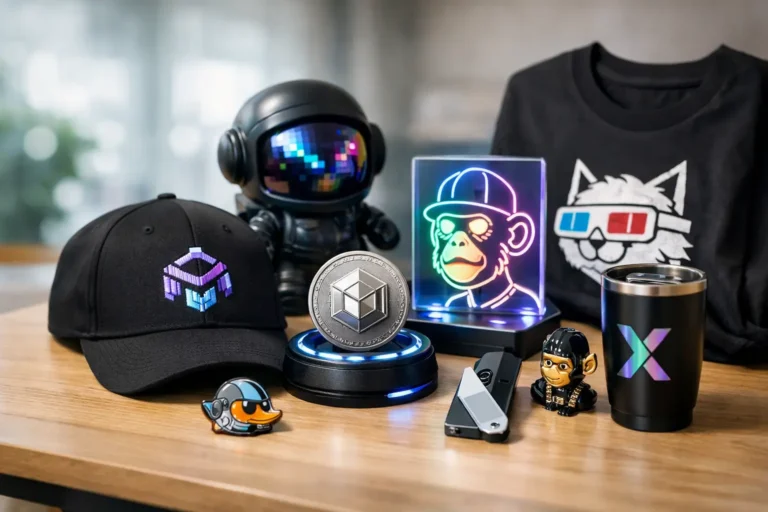
At NFT Merch, the goal is straightforward: make recognized digital culture wearable without flattening it into generic crypto apparel. That means curated collaborations, physical products built for everyday use, and a store experience that lets collectors buy in the way they already shop.
The Role of Blockchain, Wallets, and Crypto Payments
Not every official merch purchase needs a wallet. That is intentional. Web3 is about ownership and access, but it should not make buying a hoodie harder than it needs to be.
In some cases, a wallet can prove that someone holds a particular NFT or belongs to a community. This can be used for holder-only access, special pricing, limited products, claim windows, or early drop access. The wallet acts as a digital pass rather than a payment requirement.
Other drops are open to anyone who connects with the art. A fan might pay with a card, a digital wallet, or cryptocurrency, depending on the checkout options available. Crypto payment is useful for Web3-native buyers who already transact on-chain, but it should be a choice, not a hurdle.
The merchandise itself is still a physical product. Its authenticity comes from the official partnership and the transparent source of the design, not from claiming that a T-shirt is magically verified by a blockchain. If a product is token-gated, limited, or paired with a digital collectible, those details should be communicated clearly. If it is simply an authorized public release, that is valuable too.
Why Drops Matter More Than Endless Catalogs
Streetwear taught the internet that timing creates meaning. Web3 took that idea further by building communities around participation, status, and shared lore. Official merch sits at the intersection.
A focused drop can mark a project milestone, a new collection, an artist collaboration, a community event, or a moment that only insiders fully understand. When the design is strong, the item becomes a timestamp. Years later, it can say more than “I like this project.” It says, “I was there for that era.”
That does not mean every piece has to be artificially scarce. Some community essentials deserve to stay available because new members arrive every day. Core logo apparel, signature art prints, and reliable accessories can help a community stay visible beyond a single launch window.
The smart balance is between permanence and surprise. Keep the icons accessible. Make special capsules feel earned. Avoid scarcity theater where a basic item is called exclusive with no real creative or community reason behind it.
What to Look for Before You Buy
Official Web3 merch should make buyers feel confident, not confused. Before checking out, look for a clear connection between the product and the project or artist. A trustworthy store will present the brand identity consistently, use purposeful product visuals, and avoid vague language around rights or partnerships.
Quality details matter too. Check the garment type, fit notes, material information, print method where available, care guidance, size chart, production timing, and shipping expectations. Streetwear lives or dies on the blank, the fit, and whether the graphic still hits after repeated wears.
It is also worth thinking about why you want the piece. Are you buying it as daily rotation, as a display item, as a gift for a fellow holder, or as part of a limited collection? A heavyweight hoodie may be perfect for a statement fit but unnecessary if you only want a lightweight travel layer. A poster may carry the art better than a small chest print. Buy the format that gives the design room to work.
Merch Is a Public Signal, Not Just a Checkout
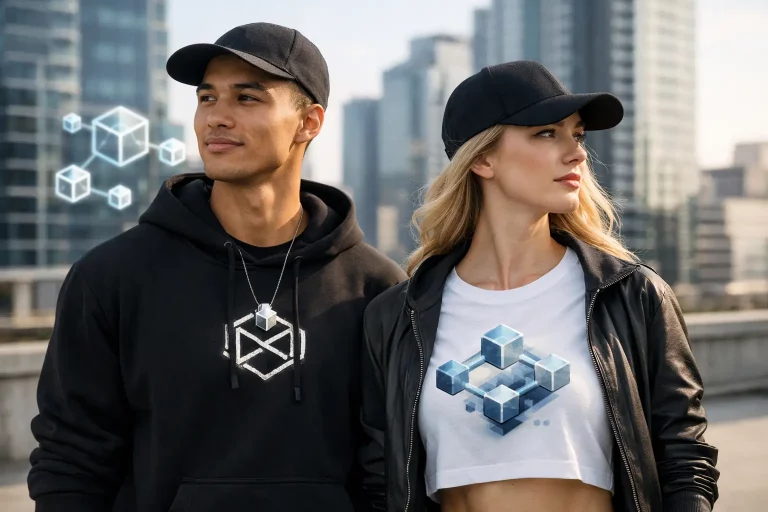
Web3 communities are born online, but culture becomes more durable when it moves through the real world. A cap at a meetup, a tote at an art fair, or a hoodie in an airport creates the kind of recognition no Discord role can replicate. The right piece starts conversations without needing a QR code or a pitch deck.
That is why official merch is bigger than branded clothing. It gives collectors a way to carry the communities they value into their daily lives while giving artists and projects a more physical, more lasting presence.
Wear what you actually stand behind. When the art is authorized, the design feels intentional, and the product fits your life, it is not just merch. It is proof that digital culture has a real-world uniform.