Digital Collectibles Physical Products That Matter
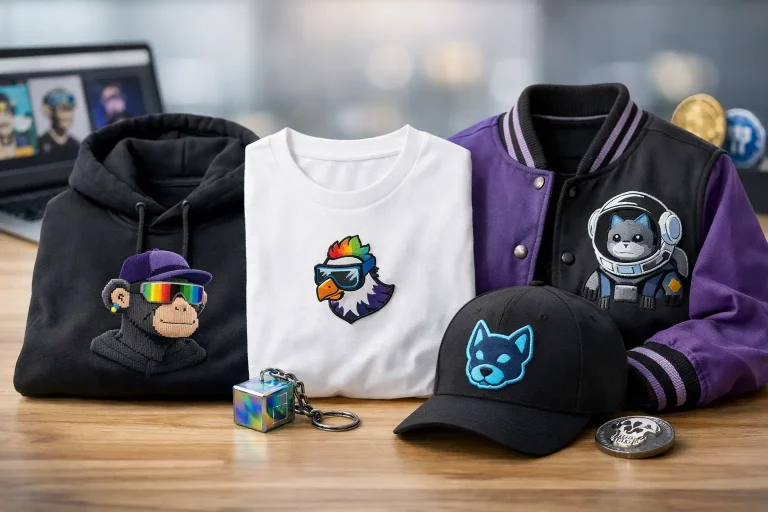
A PFP can live in a wallet, lead a Discord conversation, and signal taste across the timeline. But digital collectibles physical products give that identity weight beyond the screen. A hoodie, cap, patch, or poster turns a collection people recognize online into a signal they can recognize anywhere.
That shift matters because Web3 culture was never only about owning an asset. It has always been about belonging to a movement, backing an artist, and being early enough to know what the rest of the world has not caught up with yet. Physical merch makes that affiliation visible in the real world without reducing it to generic crypto graphics.
Why Digital Collectibles Need a Physical Life
Digital ownership is powerful, but it is often private by default. Your wallet history, collector status, and favorite pieces may be verifiable on-chain, yet they are not always visible in the spaces where culture actually moves: at events, on campus, in studios, at meetups, and on the street.
Physical products create a different kind of presence. Someone wearing a recognizable project graphic is not merely buying apparel. They are carrying a shared reference point. The right design can start a conversation with another holder, introduce a project to a curious stranger, or simply let a collector wear something that feels like them.
This is why the strongest digital collectibles physical products do not feel like an afterthought. They translate the visual language, attitude, and lore of a community into a piece people genuinely want in their rotation. If it only works because the buyer already understands the token, it is promotional merchandise. If it looks good, feels considered, and still means more to insiders, it becomes culture.
The Difference Between Merch and a Real Collectible
Not every branded T-shirt deserves collectible status. A logo placed in the center of a blank garment may be functional, but it rarely creates the kind of pull collectors expect from a project with a distinct point of view.
A real collectible product earns its place through design intent. The artwork should reflect something specific: an iconic trait, a visual era, a community phrase, a character, a color story, or an artist’s signature style. The item should feel connected to the original digital work, not loosely inspired by it.
Quality matters just as much. Streetwear-minded collectors notice fit, print placement, color, fabric weight, and finishing details. A graphic can be elite, but it will not build long-term loyalty if the garment feels disposable. The physical object has to hold up to the identity it represents.
There is also a practical distinction between scarcity and artificial scarcity. Limited drops can make sense for collaboration pieces, event exclusives, or designs tied to a particular moment. But forcing every item into a tiny supply can shut out the community that gave the project value in the first place. It depends on the goal. A collector edition may need a defined run, while an evergreen tee should stay available for new members discovering the culture later.
What Makes Physical Web3 Merch Feel Authentic
Authenticity is the price of entry. Web3 audiences are quick to spot a cash grab, especially when a brand borrows NFT aesthetics without a real connection to the project, artist, or community behind them.
The best releases start with permission and partnership. Official collaborations give artists and brands control over how their work appears in physical form. They also give buyers confidence that their purchase supports the creative world they are representing. That is a meaningful difference from random marketplace listings built around copied imagery and vague promises.
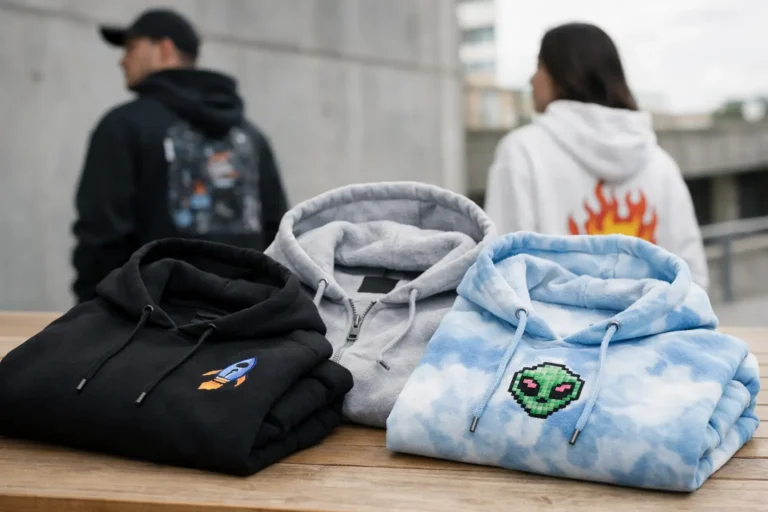
Authentic merch also respects the community’s visual codes. Sometimes that means going loud with a character graphic. Sometimes it means a minimal embroidered detail that only people in the know will recognize. Both can work. The choice should match the project rather than follow whatever trend is moving fastest that month.
A strong physical drop also avoids speaking down to its audience. Collectors do not need blockchain jargon pasted onto every product. They want pieces that feel native to the culture – sharp, wearable, and confident enough to stand on their own. The chain may establish provenance, but the design establishes desire.
From Wallet Flex to Everyday Uniform
The most effective merch is made to be worn, not just photographed once and stored away. That does not make it less collectible. It makes it more useful.
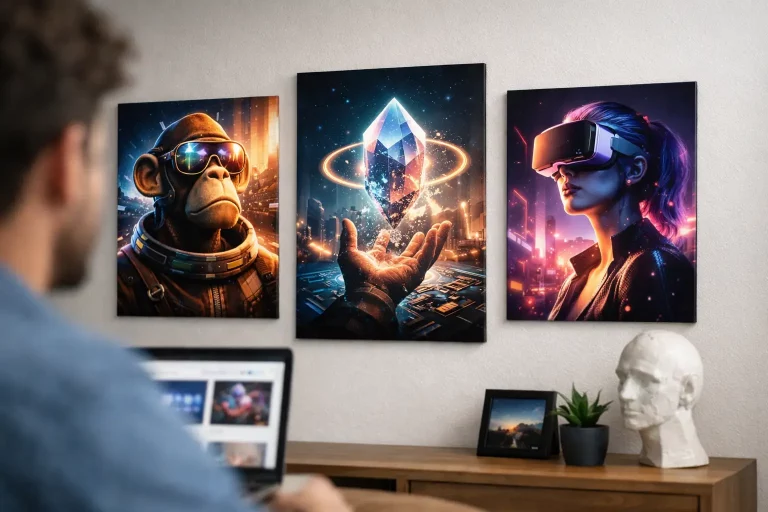
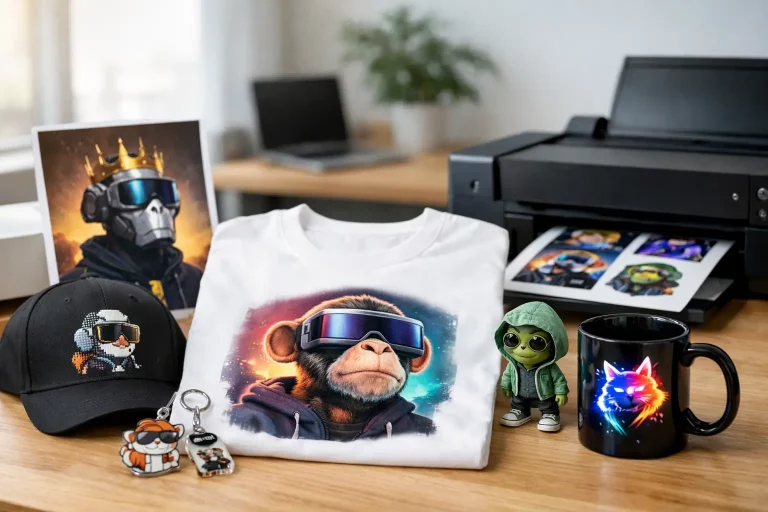
Think of a heavyweight hoodie for late-night build sessions, a cap for an IRL event, a tote for carrying essentials, or a framed poster that gives a home office some actual personality. These are familiar product categories, but their meaning changes when they carry the visual DNA of a digital community.
This is where fashion and ownership meet. A collector can own a one-of-one artwork and still want a tee that expresses the same affiliation on a regular Tuesday. The physical product is not a replacement for the digital collectible. It is an extension of it – a way to let personal taste move through everyday life.
For brands, that opens up more than a new revenue stream. It creates repeated touchpoints. A community member may not open a marketplace every day, but they may wear their favorite sweatshirt constantly. Over time, the product becomes part of the memory and mythology surrounding a project.
On-Demand Production Is a Better Fit Than Dead Stock
Traditional merchandise often relies on betting big before demand is proven. That can lead to piles of unsold inventory, rushed discounting, and products that lose their sense of value the moment they hit a clearance page.
On-demand production offers a smarter model for digital communities with global audiences and fast-moving tastes. Products are made when they are ordered, so brands can offer more design options without carrying unnecessary inventory. Collectors can choose the item that fits their style instead of settling for whatever was overproduced.
There are trade-offs. On-demand does not create the instant-ship experience of a warehouse full of stock, and a truly limited collectible may still benefit from a numbered, pre-produced run. But for core apparel, accessories, and art pieces, producing to order reduces waste while keeping access open. That is a strong match for communities that care about both individuality and practicality.
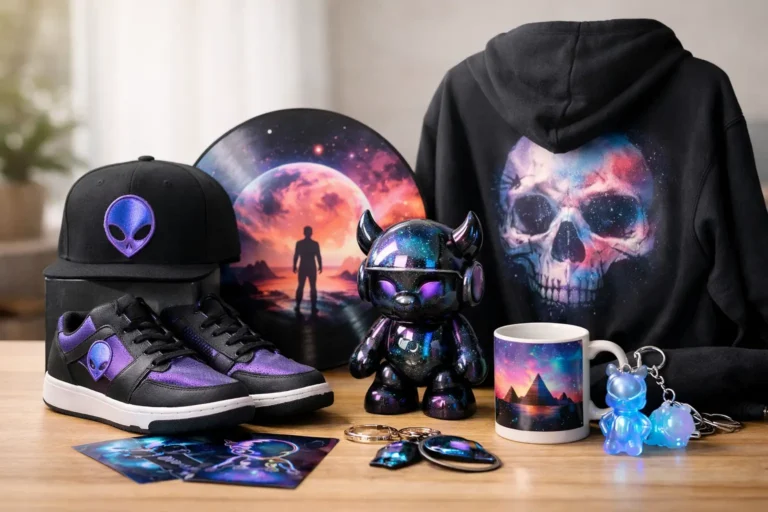
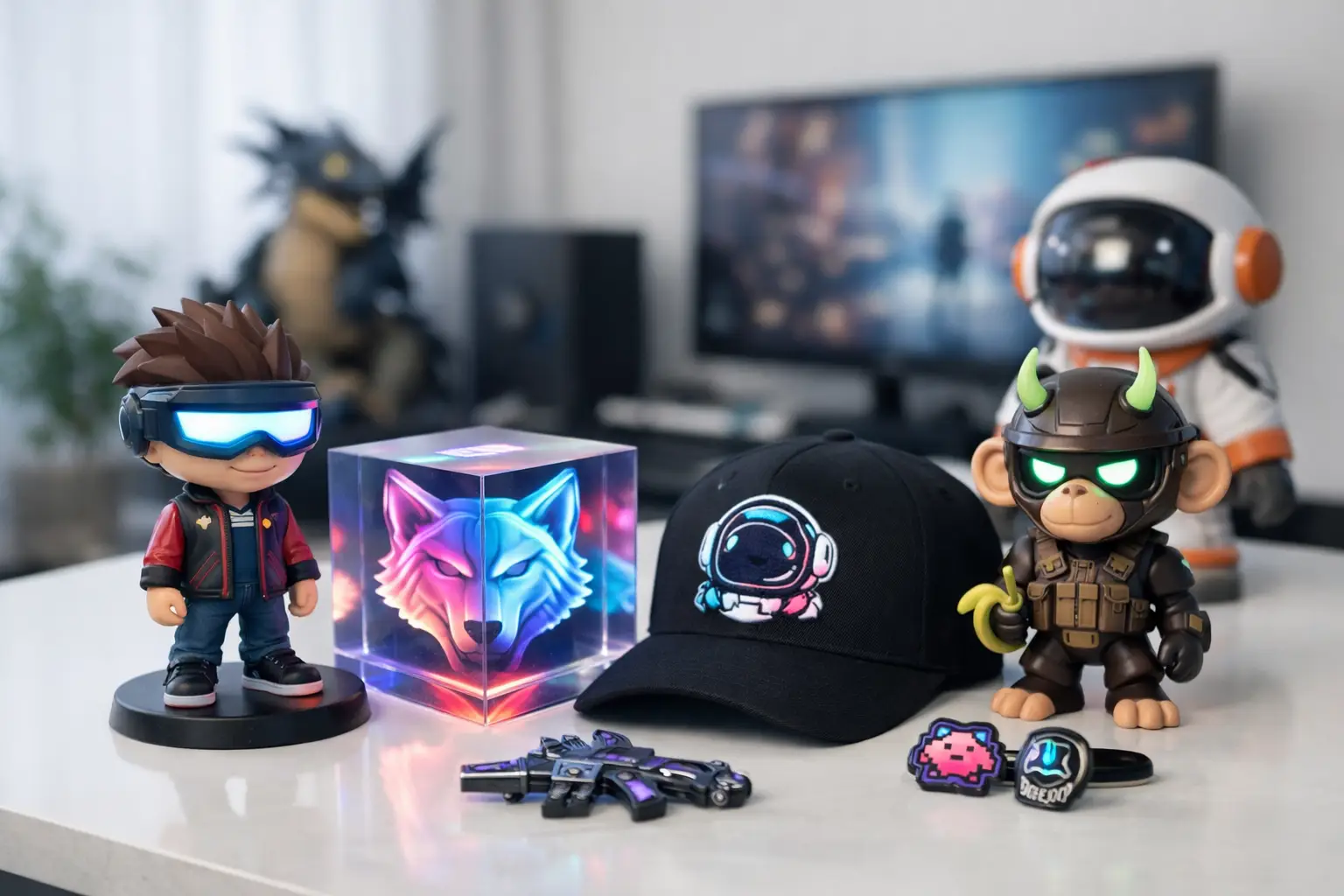
At NFT Merch, that model makes it possible to bring recognized NFT brands and Web3 artists into physical categories that fit real lives: tees, hoodies, bags, posters, patches, mugs, and more. No minimum order means the community can buy what it actually wants, when it wants it.
How Collectors Should Choose What to Buy
Start with the connection. Buy products tied to projects and artists you genuinely follow, collect, or want to support. The best piece is rarely the loudest one. It is the one that still feels right after the hype cycle moves on.
Then consider how you will use it. A statement graphic may be perfect for an event, while a smaller chest hit can become an everyday staple. Posters, stickers, and patches work well for collectors building a space around their digital identity, while apparel is the move for taking that identity outside.
Finally, look for signs that the product has a real relationship to the culture. Official collaboration, distinct artwork, thoughtful details, and clear product information all matter. When a drop feels considered, it carries more than a logo. It carries context.
Physical Products Give Digital Culture a Longer Memory
Online culture moves fast. Timelines refresh, floors change, and yesterday’s discourse disappears by breakfast. A physical object slows things down. It gives an image, a collaboration, or a community moment a place to live after the feed has moved on.
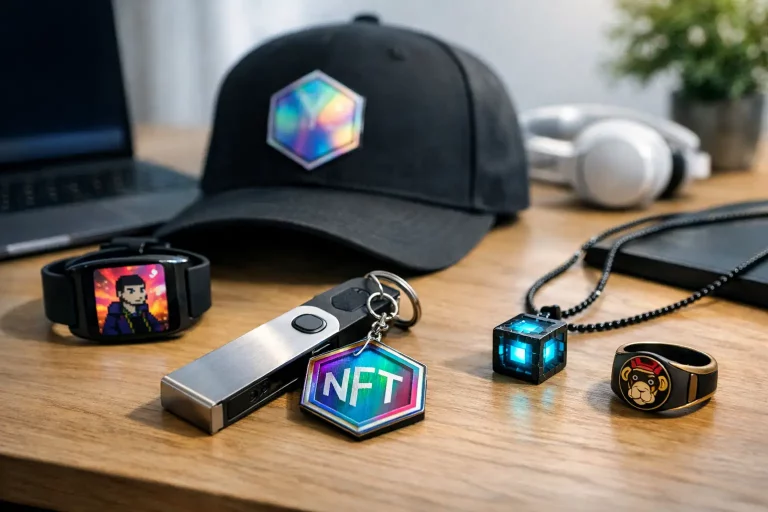
That is the opportunity behind digital collectibles physical products. They let collectors turn invisible ownership into visible presence, while giving artists and projects a new canvas for their work. Not every drop needs to be rare. Not every item needs to scream for attention. But every piece should feel like it belongs to something real.
Wear the projects that shaped your taste. Put the art on your wall. Bring the culture offline, and give the next person who recognizes it a reason to say hello.