Digital Fashion Is Becoming Web3’s Uniform
Your wallet address may be invisible on the street, but your taste does not have to be. Digital fashion is giving Web3 communities a sharper way to turn online identity into something people can recognize, collect, and wear. It is not just about looking good in a virtual room. It is about showing up with the culture on your back.
Digital Fashion Is More Than an Avatar Outfit
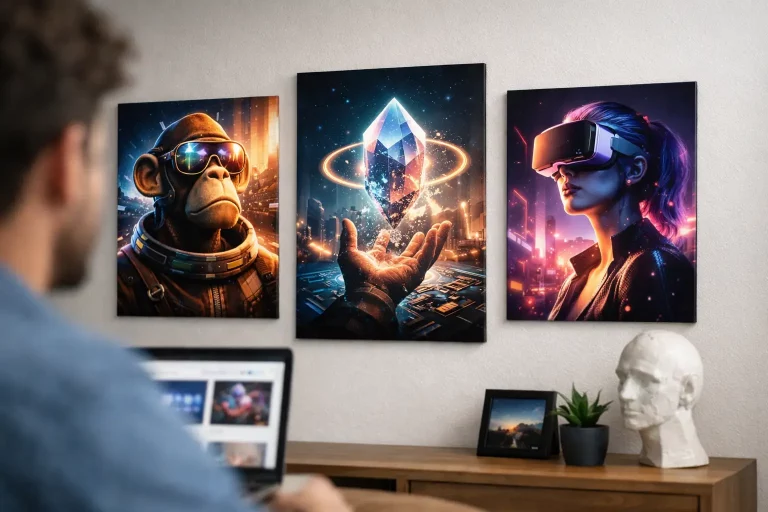
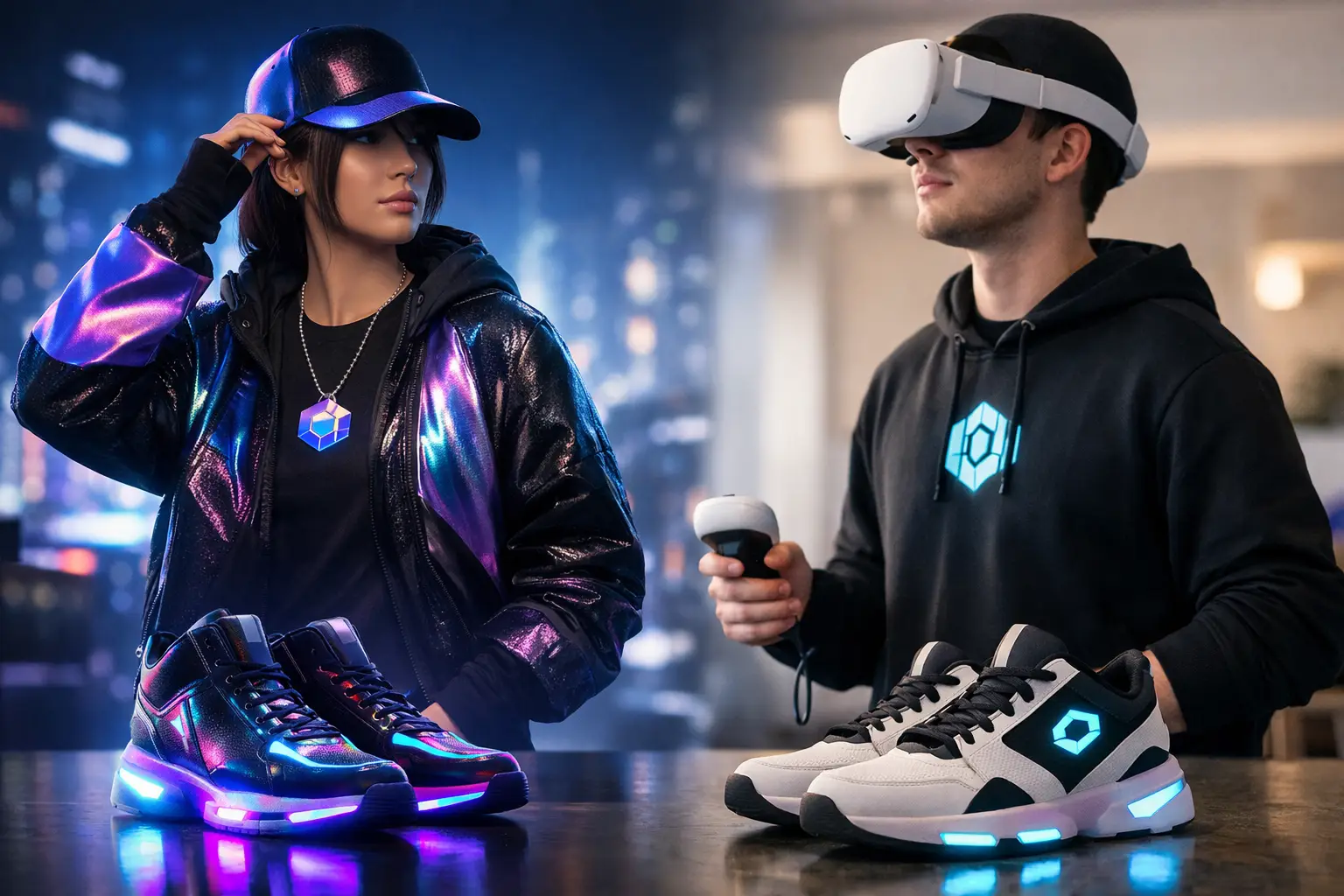
At its simplest, digital fashion is clothing, accessories, and visual wearables designed for a digital environment. That can mean a skin for a game character, a look for a social platform avatar, an augmented reality jacket seen through a camera, or a one-of-one garment created by a digital artist.
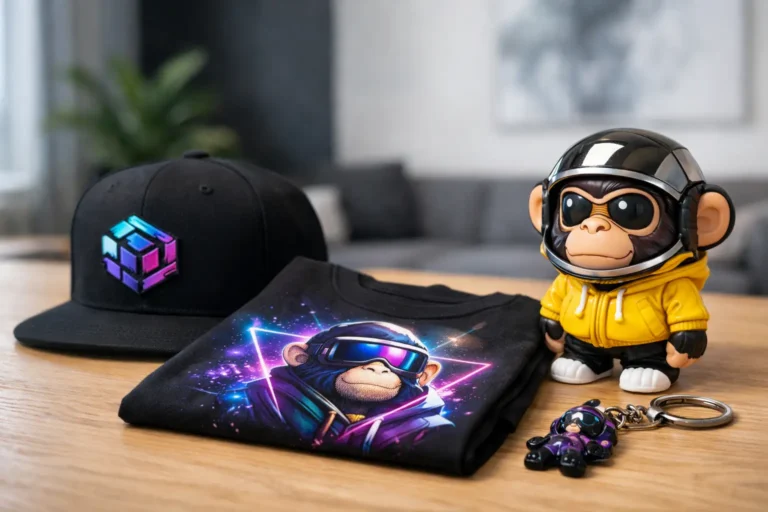
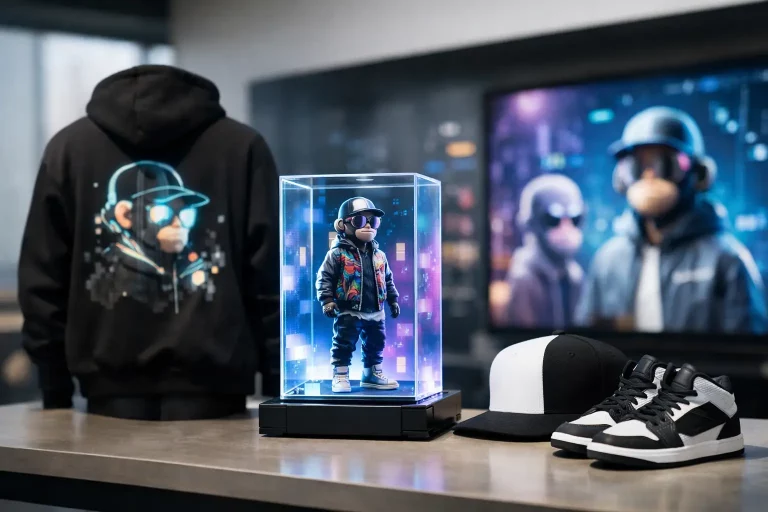
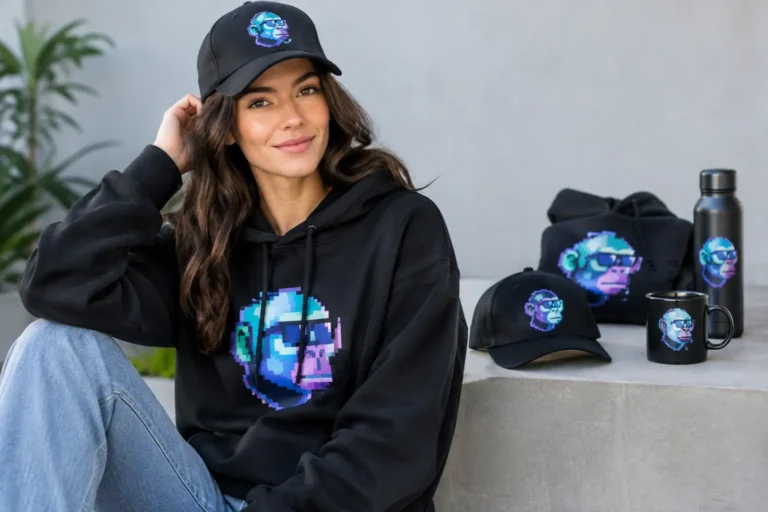
But that definition is already too small for where the category is headed. The real energy is in the crossover. A piece begins as digital art, an NFT collection, or a community symbol, then finds a second life as a hoodie, cap, patch, or graphic tee. The wearer becomes a walking signal that a screen alone cannot replicate.
For NFT collectors and Web3-native communities, this matters because identity has always been part of the value. A PFP can say who you collect. A role in Discord can say where you belong. Physical merch adds another layer: it takes that affiliation out of the feed and into everyday life.
From profile picture to personal uniform
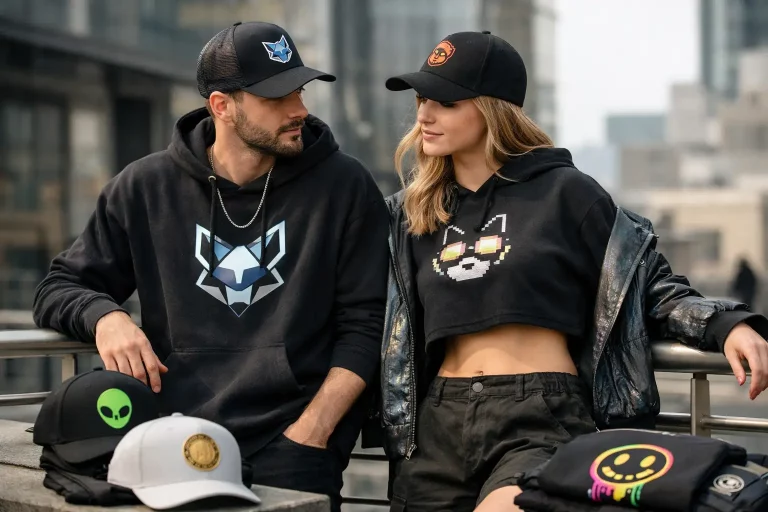
Streetwear has long understood the power of the uniform. People do not buy a logo only for fabric and fit. They buy the references, the scarcity, the story, and the people who recognize it. Web3 projects operate on the same frequency, except their culture is born online first.
That makes digital fashion a natural extension of the space. A recognizable character, a glitchy visual language, a collector trait, or a community slogan can become a real-world piece with genuine emotional weight. The strongest designs do not simply paste NFT art onto a blank shirt. They translate the project’s visual code into apparel that holds up beyond a mint announcement.
The distinction matters. Generic crypto clothing often looks like an afterthought: loud token symbols, stock graphics, no point of view. Community-led fashion feels different because it comes from a visual world people already care about.
Why Digital Fashion Matters to Web3 Communities
Web3 is built around ownership, participation, and networked culture. Digital fashion gives those ideas a public form. It lets members wear their conviction without needing to explain a wallet, a token gate, or an on-chain transaction to everyone in the room.
There is status in that recognition. Someone who knows the project will catch the reference immediately. Someone who does not may just see a strong graphic. That double meaning is part of the appeal. The best community merch rewards insiders while still standing on its own as a piece of streetwear.
It also changes how projects stay visible between major moments. Floors move. Roadmaps evolve. Social timelines disappear fast. A well-designed physical piece keeps the community present in the real world, from meetups and conferences to coffee runs and late-night studio sessions. It is durable culture, not disposable content.
For creators, digital fashion opens a more direct route from artwork to audience. Instead of treating apparel as a secondary revenue stream, artists can use it as another canvas. A limited graphic drop can create a new entry point for fans who admire the work but do not own the original NFT. That does not replace collecting. It expands the ways people can participate.
The Physical Piece Still Carries Weight
There is a temptation to frame virtual wearables and physical apparel as rivals. They are not. Each does something the other cannot.
Digital wearables can be experimental, animated, reactive, and unconstrained by manufacturing. A garment can change color, defy gravity, or exist only in augmented reality. That freedom is exciting, especially for artists who want to push fashion beyond fabric.
Physical products bring touch, fit, repeat wear, and social presence. You cannot hand someone an AR filter at a pop-up and expect the same connection as a heavyweight hoodie with a graphic they already know. Real apparel gives digital identity texture. It makes an online affiliation part of a person’s lived routine.
The strongest drops use both worlds without forcing a false choice. A digital release can build anticipation and test visual language. A physical collection can give that language longevity. A holder-only perk can create a reason to go deeper, while an open-access item can welcome new people into the community.
That is why on-demand production has a real role here. Not every community needs thousands of units sitting in a warehouse. Smaller, focused runs and made-to-order pieces allow a project to move with the culture, reduce unnecessary overproduction, and serve a global audience without demanding massive upfront inventory. It is not a substitute for carefully planned limited editions, but it is a smart model for a market that moves quickly.
What Authentic Digital Fashion Looks Like
Authenticity is the difference between merch people wear once and merch people keep reaching for. In Web3, the audience can spot a cash grab from a mile away. The design, the licensing, and the relationship to the original project all matter.
First, the product needs a real connection to the art or community. Official partnerships and artist-approved drops protect the meaning behind the graphics. They also give collectors confidence that their purchase supports the people and projects they follow, rather than an unofficial seller chasing attention.
Second, the garment needs to earn its place in a wardrobe. Great art is essential, but so are print quality, material choices, fit, and color. A design that looks incredible on a mockup but cracks after a few washes is not building a legacy. Digital culture deserves physical products made for repeat wear.
Third, the drop should have a reason to exist. Maybe it marks a collection milestone, celebrates a collaboration, supports an event, or spotlights an artist’s new visual era. Scarcity can add energy, but manufactured scarcity alone is not a story. People remember pieces tied to a meaningful moment in the community.
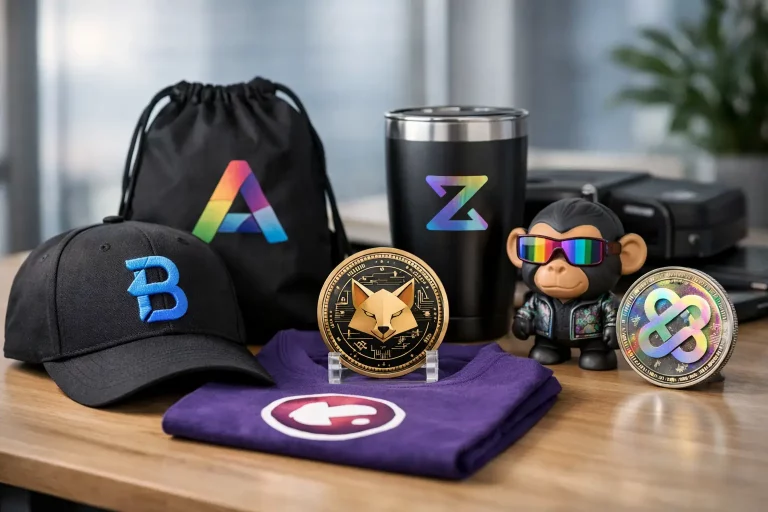
NFT Merch operates in that lane by bringing recognized NFT brands and digital artists into real-world streetwear. The point is not to turn Web3 into novelty apparel. It is to give established visual communities a credible physical expression, from everyday staples to collectible accessories.
Where Digital Fashion Needs Honesty
The category has huge potential, but it should not be sold with magic words. Buying an NFT does not automatically mean you own the underlying art’s commercial rights. Buying a virtual garment does not guarantee it will work across every game, metaverse, or social platform. Interoperability remains an ambition, not a universal standard.
There are practical questions, too. Digital-only fashion may avoid traditional textile production, but it still relies on platforms, devices, storage, and sometimes energy-intensive blockchain activity. Physical on-demand production can help avoid excess inventory, yet it still involves printing, packaging, and shipping. The more credible brands will be specific about what they make, how they fulfill it, and what ownership actually means.
That transparency does not weaken the culture. It strengthens it. Web3 audiences value receipts, provenance, and clear terms for a reason. Fashion built around ownership should be just as clear about what people are getting.
The Next Flex Is Cultural Proof
Digital fashion will keep evolving as avatars, augmented reality, gaming, and blockchain-native communities mature. Some pieces will stay entirely virtual. Others will become physical staples with a digital origin story. The winners will not be the brands making the loudest promises. They will be the ones creating designs people want to claim as their own.
If you are choosing what to wear from a Web3 project, look beyond the logo. Choose the piece that carries the art, the affiliation, and the moment you want to represent. That is how a digital movement becomes a real-world uniform.