How to Choose Artist Merch You’ll Actually Wear
Your wallet can spot a weak drop before your closet does. A graphic copied onto a blank tee, a random wallet address slapped beside an artwork, a hoodie that looks dated the second the timeline moves on – none of it carries the culture. Knowing how to choose artist merch means finding pieces that turn digital identity into something worth wearing, collecting, and being recognized for IRL.
The right piece does more than show that you follow an artist or project. It signals that you were paying attention. It carries the visual language, inside references, and confidence of a community you actually belong to.
Start With the Signal You Want to Send
Before comparing colors, sizes, or price tags, ask a sharper question: what part of this artist’s world do you want to represent? Merch can celebrate a specific collection, a character, a drop era, a meme only holders understand, or simply the artist’s visual point of view. The answer changes what you should buy.
A loud all-over print or illustrated hoodie is built for presence. It works when the art itself is the statement and you want people to ask about it. A tonal logo cap, embroidered patch, or heavyweight crewneck plays a different role. It lets you rep the community without turning every outfit into a billboard.
Neither approach is better. If your wardrobe already leans toward graphic streetwear, go bold. If you want the piece to survive regular rotation, choose a cleaner design with details that reward a second look. The best merch meets your real style instead of demanding a whole new one.
How to Choose Artist Merch That Is Actually Authentic
In Web3, provenance is not a bonus feature. It is the difference between owning culture and wearing a copy of it. Start with the seller and the collaboration. Official artist channels, recognized project storefronts, and established merch partners are safer signals than anonymous listings using familiar imagery.
Look for proof that the artist or NFT brand is involved. That might be clear collaboration language, a named collection, consistent visual direction, or a drop that appears across the project’s official communication. If the product page is vague about where the art came from, treats a recognized character like generic clip art, or offers every major collection under one suspiciously broad catalog, trust your instincts.
Check whether the design feels native to the artist
Authentic merch does not have to reproduce a token image exactly. In fact, the strongest pieces often translate the source material instead of simply pasting it onto fabric. Think reworked line art, type that matches the project’s personality, color palettes pulled from the collection, or subtle references that reward people in the know.
A great collaboration gives the artist’s world room to breathe. A lazy one borrows the surface-level aesthetic and misses the point. Zoom in on product images. Are the graphics placed intentionally? Does the typography feel considered? Would the design still have energy if someone did not recognize the collection immediately? Those details separate a keepsake from a cash grab.
Know what you are buying
Not every artist merch purchase needs to be a limited collectible, and not every limited collectible deserves the hype. Read the product details for the facts that matter: whether the item is an official collaboration, whether it is made to order, the material composition, care guidance, and the available size range.
On-demand production is a practical trade-off. You may not get next-day dispatch, but you avoid the waste and dead stock that come with mass overproduction. For a piece you genuinely plan to wear, that can be a better deal than manufactured scarcity. At NFT Merch, on-demand fulfillment also means you can choose the piece that fits your rotation without waiting for an arbitrary minimum order threshold.
Choose the Right Format for Your Rotation
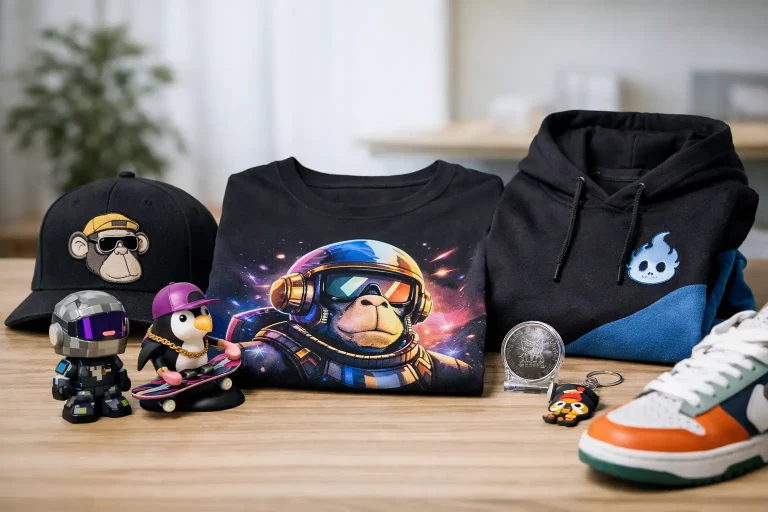
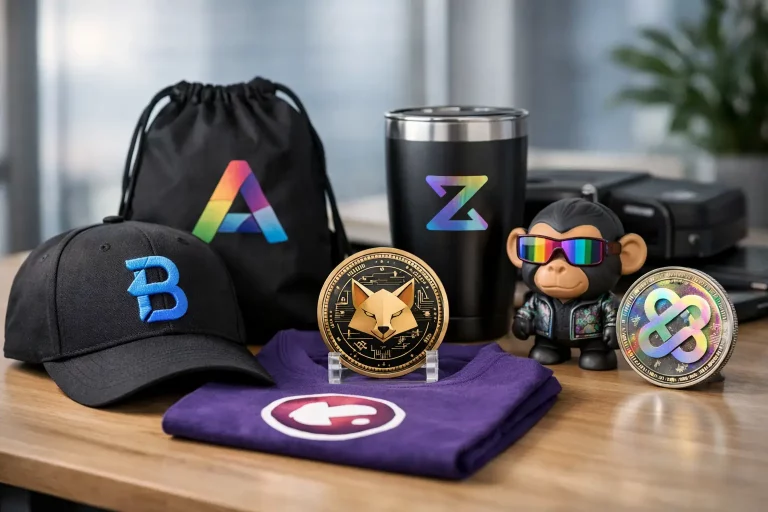
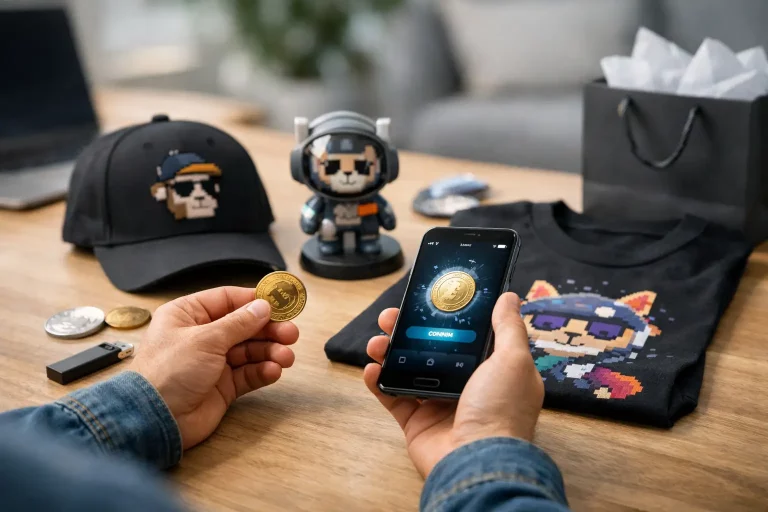
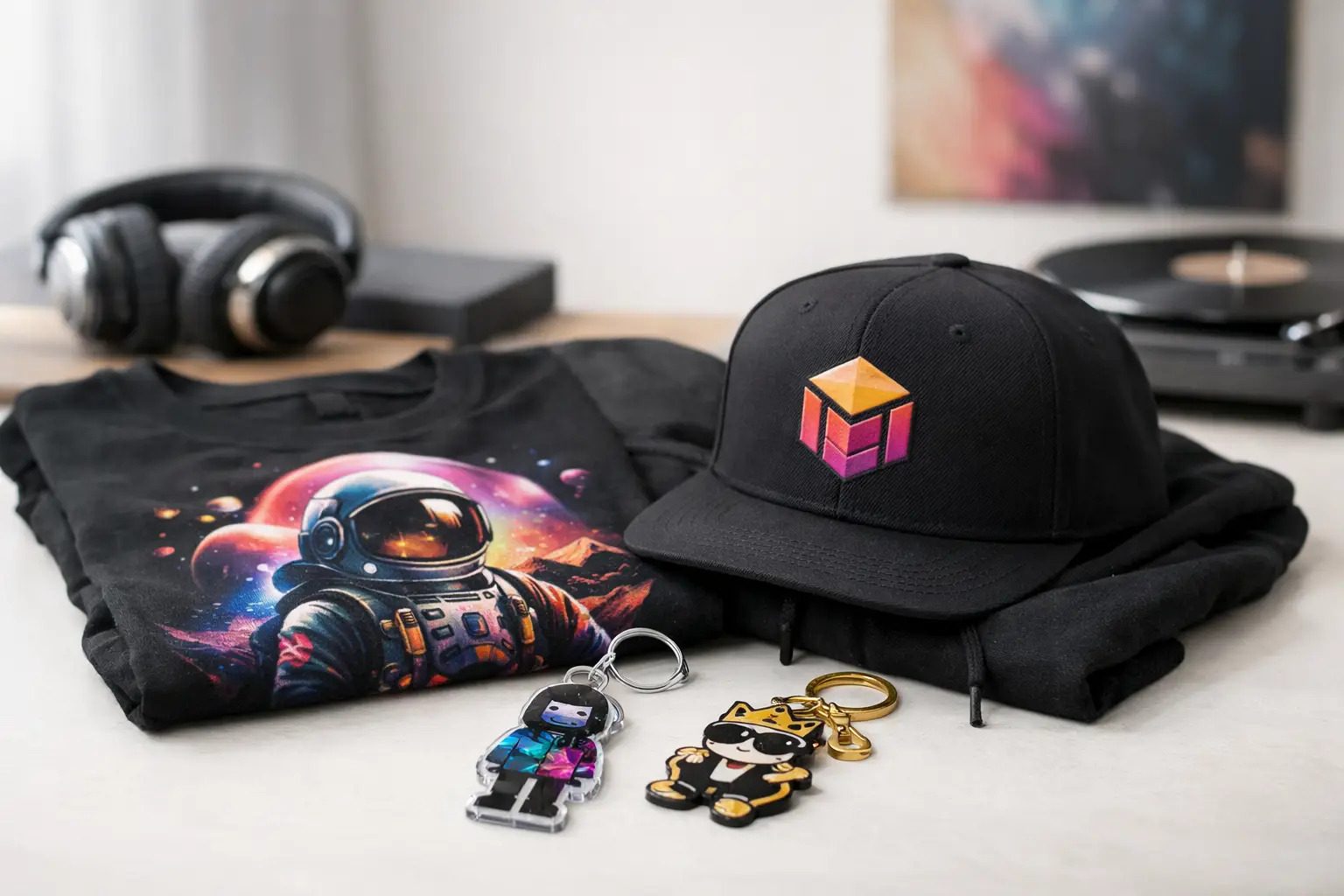
Artist merch is not just tees and hoodies anymore. The category is a full physical extension of online culture, from caps and bags to posters, patches, mugs, towels, and footwear. Start with how you actually live, not with what looks most dramatic in a product grid.
A T-shirt is the easiest entry point. It is versatile, layerable, and ideal for art-forward graphics. Check whether the print placement works with your usual fit: a centered chest design can feel classic, while oversized back art or sleeve prints create more of a streetwear silhouette.
Hoodies and sweatshirts bring more perceived value when the garment weight, construction, and graphic treatment hold up. They are also the better canvas for embroidery, tonal branding, and larger artwork. If you wear outer layers constantly, one strong hoodie may earn its place more than three novelty tees.
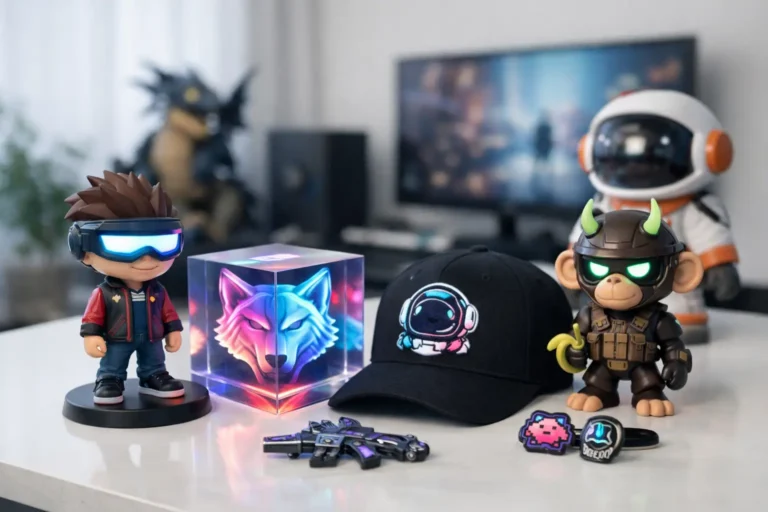
Accessories can be the move when you already own enough clothes or want a lower-commitment way to rep a project. A cap, tote, patch, or sticker pack can become a daily signal without competing with the rest of your outfit. Home goods and posters make sense when the art deserves a permanent spot in your space, not just a moment on your feed.
Read the Product Details Like a Collector
Streetwear lives or dies on the blank. The same visual can feel premium on a substantial cotton tee and disposable on thin fabric with poor finishing. Pay attention to the stated fabric, fit description, and construction details. If product photography shows close-ups, inspect the collar, stitching, print edges, and any embroidery.
For tees, consider whether you prefer a standard fit or an oversized shape. For hoodies, decide whether you want something easy to layer or a heavier statement layer. Do not assume an XL from one product fits like an XL from another. Use the size chart, compare it with a garment you already love, and measure when possible.
Color deserves the same attention. Digital mockups can make black look charcoal, cream look white, and bright graphics look more saturated than they will in person. Neutral bases are easier to style and usually extend a design’s lifespan. But if an artist’s work is known for electric color, choosing the loud version may be the whole point. Buy the colorway that honors the art and works with at least three things you already own.
Treat Scarcity as Context, Not the Whole Value
Limited drops create momentum for a reason. They mark a moment in a community, reward early attention, and can become artifacts of a project’s history. A numbered run, event-only release, or first official physical collaboration may matter to collectors well beyond its initial retail value.
Still, scarcity alone cannot make a bad design meaningful. A piece with a tiny edition size but no wearability can end up sealed in a drawer. That is fine if you are deliberately collecting, but be honest about your goal. Are you buying an archive piece, a conversation starter, or something for weekly wear?
The smartest collections usually mix both. Pick one piece with real drop significance, then add a durable staple you will reach for without overthinking it. Culture is strongest when it leaves the display case.
Set a Budget Around Cost Per Wear
Merch pricing reflects more than the graphic. Official licensing, artist participation, garment quality, print method, and small-batch or on-demand production all affect the final number. A cheaper unofficial item can feel tempting, but it rarely supports the creator or carries the same credibility in the community.
Set your budget before the drop hits, especially when countdowns and limited quantities are involved. Then judge each piece on two tracks: what it means to you and how often you will use it. A premium hoodie you wear every week may deliver more value than a low-cost novelty shirt you wear once for a photo.
Do not forget the practical side of an international purchase. Review sizing, production timing, shipping expectations, and payment options before checking out. Crypto payments can fit naturally into a Web3-native purchase, but convenience should not replace basic buyer awareness.
Make It Yours Without Losing the Art
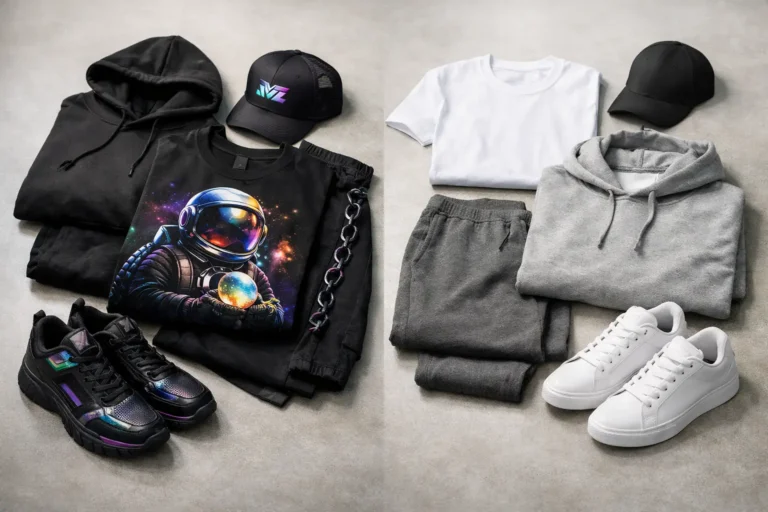
The strongest artist merch outfits do not look like uniforms. Let one piece lead and keep the rest of the fit intentional. Pair a graphic tee with clean pants and sneakers. Put a bold hoodie under a simple jacket. Use a cap or patch as the small community reference in an otherwise understated look.
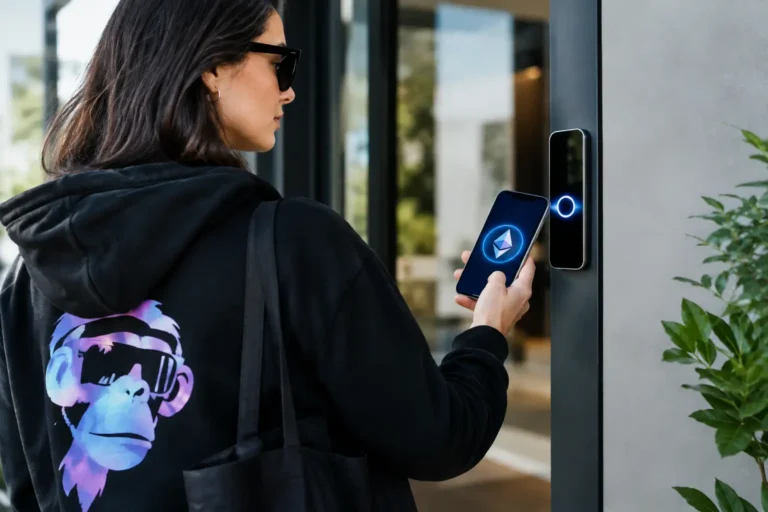
This is where physical merch earns its place. Your PFP, collection, and digital taste move through screens at high speed. What you wear travels differently. It starts conversations at events, makes mutuals recognizable in a crowd, and gives your online identity some weight in the real world.
Choose the piece that feels like evidence of your taste, not just proof of purchase. The right artist merch will still say something when the next drop arrives.