How to Collect Collaboration Streetwear Right
A collaboration hoodie can look like a simple flex from across the room. Up close, it can be a timestamp: a project at its peak, an artist entering a new lane, a community proving it existed beyond the feed. Knowing how to collect collaboration streetwear means learning to see more than a logo. You are collecting the overlap between design, access, story, and the people who showed up early.
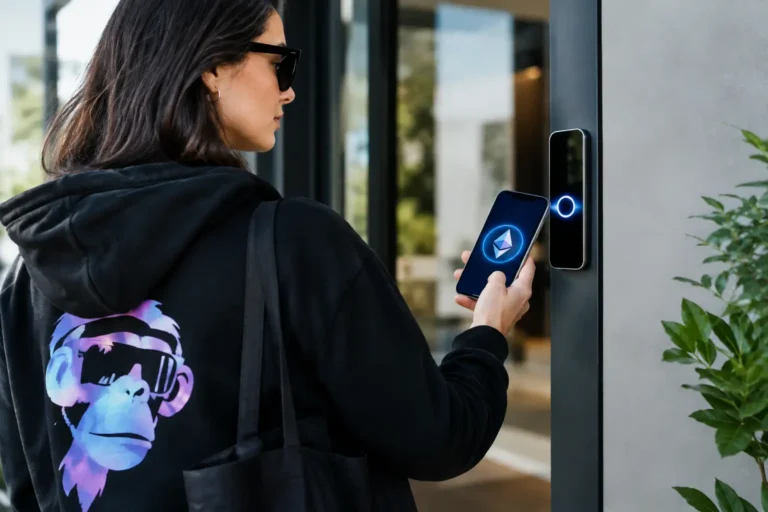
For Web3 collectors, that overlap matters even more. Digital identity moves fast, but the right physical piece gives it weight. It turns a wallet, a PFP, or a Discord-era inside joke into something you can wear, archive, trade, and remember.
How to Collect Collaboration Streetwear With Intent
The strongest collections are not built by buying every drop with a countdown timer. They are built around a point of view. Before you chase a release, decide what your collection represents.
Maybe you collect artist-led graphics, early pieces from NFT-native communities, or collaborations that connect streetwear to gaming, music, and digital art. Maybe you care about wearable rarity rather than resale potential. There is no wrong lane, but there is a difference between a collection and a pile of impulse purchases.
Start by choosing two or three filters. You might prioritize brands you genuinely follow, projects where you hold or participate, and silhouettes you will actually wear. This keeps your archive personal while making each purchase easier to defend six months later.
A clean rule helps: if you would not wear it without the hype around it, think twice. Culture creates value, but weak design does not become strong because the drop sold out.
Buy the Story, Not Just the Scarcity
Scarcity can be real, manufactured, or simply misunderstood. A limited run matters when it reflects a meaningful moment: a first official partnership, a specific artist’s visual language, a community milestone, or an unusual production method. It matters less when “limited” is doing all the work.
Ask what the collaboration is saying. Does the design blend both partners’ worlds, or is it one logo pasted beside another? Does it feel connected to the community? Was the artist involved in the visual direction? Is there a clear reason this piece exists now?
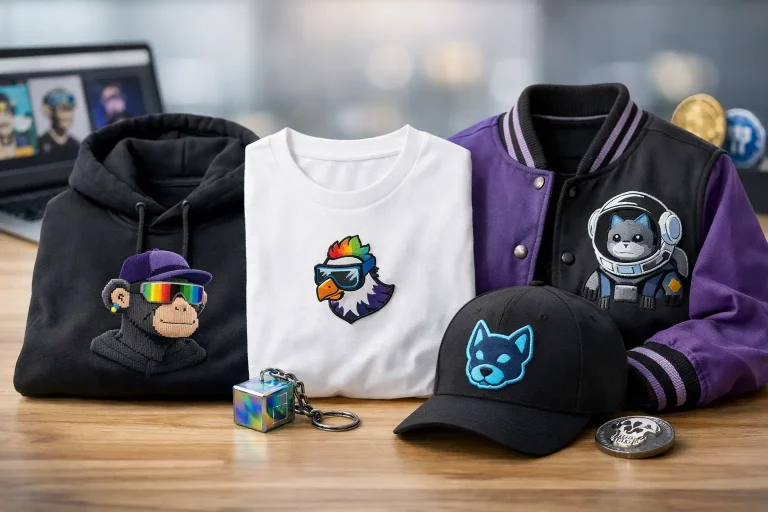
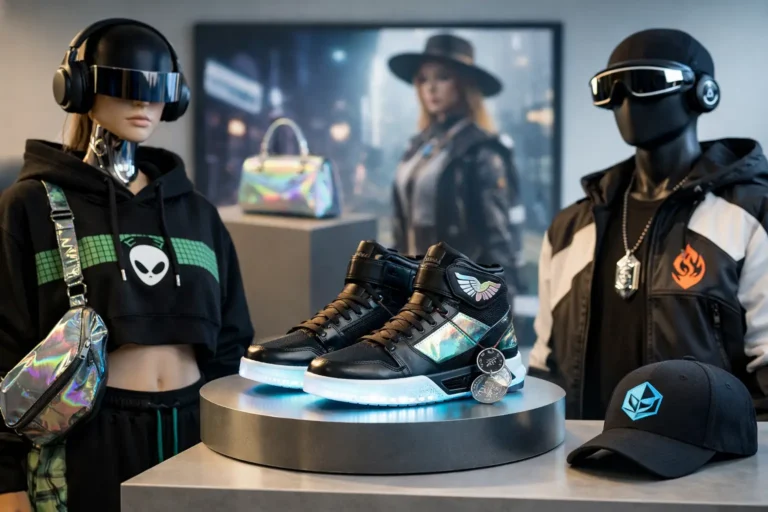
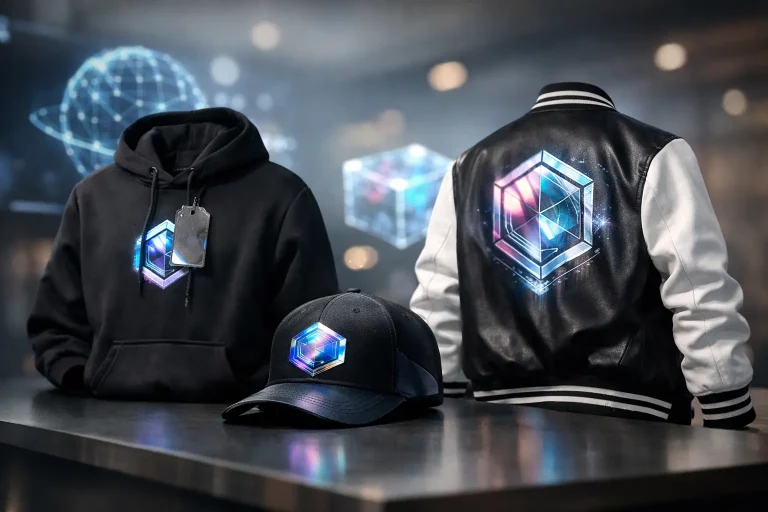
The best collabs have friction in a good way. They bring two distinct identities together without sanding either one down. Think of a recognizable Web3 character reworked through a serious streetwear silhouette, or a digital artist’s signature palette translated into embroidery, wash, texture, and fit. Those details make an item feel authored rather than licensed.
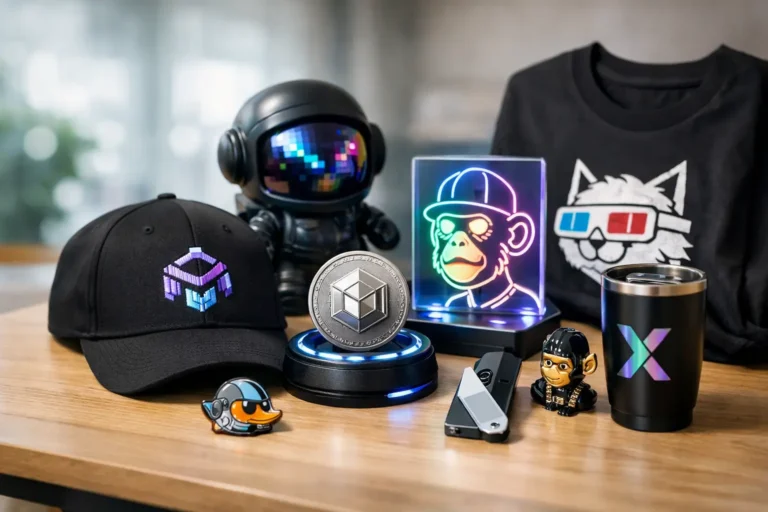
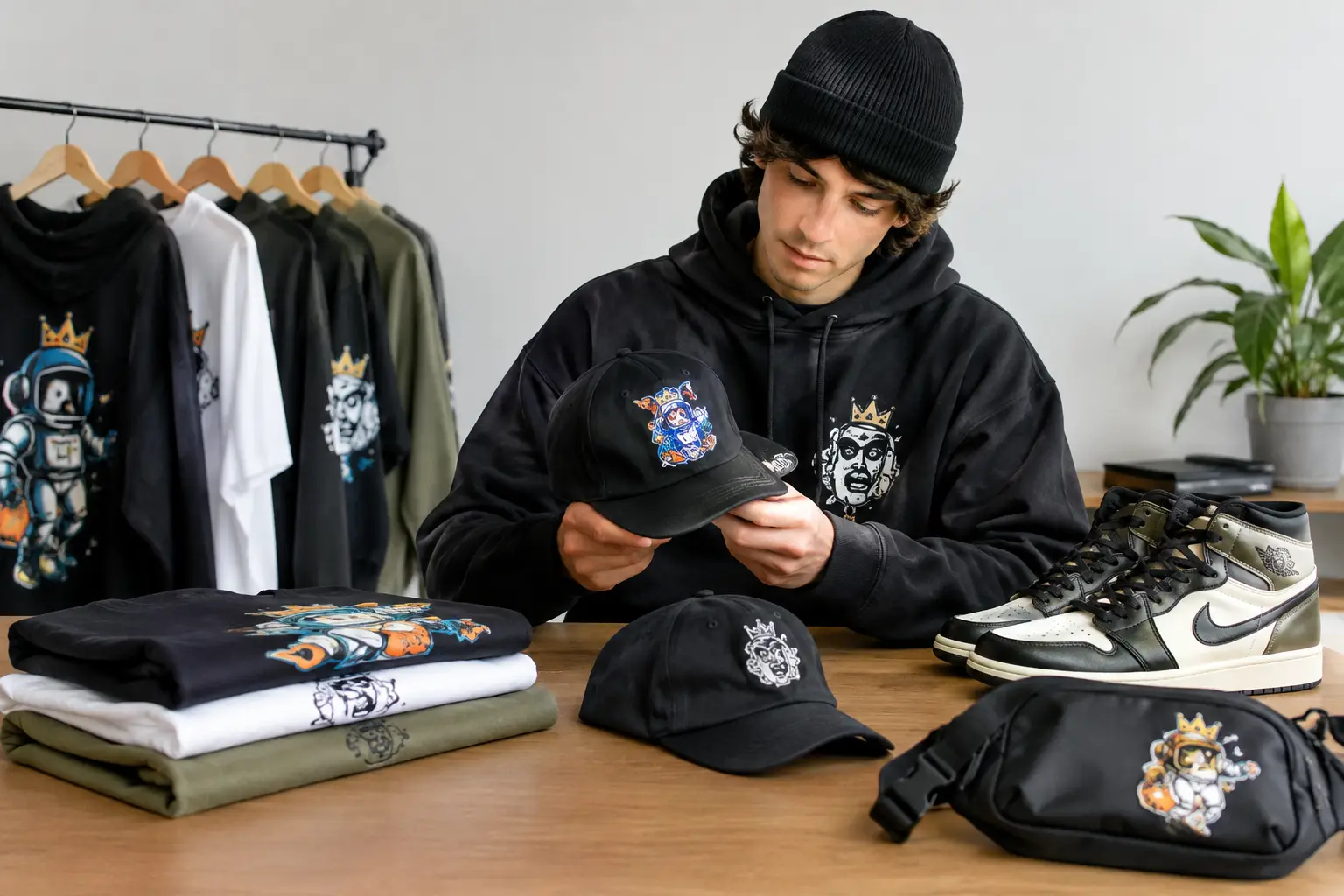
This is also where collectors can gain an edge. Everyone sees the loudest graphic. Fewer people notice the thoughtful cap, patch set, heavyweight crewneck, or bag that becomes the most wearable artifact of the release. The quieter piece is not automatically the smarter buy, but it often has a longer life in a real wardrobe.
Verify Authenticity Before You Claim the Piece
Web3 culture is built on provenance. Your physical collection deserves the same standards. Official collaboration streetwear should have a clear connection to the brand, artist, project, or authorized retail partner behind it.
Before buying, check the basics:
- Confirm that the drop was announced by the participating brand, artist, or community.
- Compare product photos, graphic placement, color, sizing details, and label information with official release material.
- Ask for clear photographs of tags, print condition, stitching, packaging, and any included cards or accessories when buying secondhand.
- Save receipts, order confirmations, drop announcements, and product images in your personal archive.
That last step is underrated. A receipt does not turn every garment into a grail, but it strengthens its story. If a piece came from a time-limited community release or an official artist partnership, preserve the proof. Physical products do not have on-chain provenance by default, so your records become part of the object’s history.
Be skeptical of vague language such as “inspired by,” “fan edition,” or “same factory.” Those phrases may describe a tribute, not an official collectible. Fan-made culture has its own place, but do not pay official-collab prices for unofficial merchandise.
Learn the Difference Between Rare and Relevant
A garment can be scarce and still not matter. It can also be widely available at release and become culturally important because the community actually wore it.
Relevance comes from context. Was the collaboration tied to a major collection launch, a landmark event, an artist’s breakout period, or a collaboration that brought a digital community into the physical world? Was it visible in the spaces where the culture formed, or did it disappear the minute the campaign ended?
Pay attention to who is wearing the piece and why. Community adoption is more meaningful than forced influencer placement. A tee worn at meetups, conferences, creator events, and local sessions has energy that a perfectly styled campaign image cannot manufacture.
This does not mean you should buy only what other people validate. It means you should recognize the trade-off. Personal taste makes a collection worth keeping. Community relevance can make it easier to contextualize, trade, or pass on later. The best pickups usually give you both.
Build a Wearable Archive
Streetwear is not sealed-box collecting. Wear changes the item, and that is part of the deal. The choice is not between wearing everything carelessly and preserving everything like a museum object. It is about deciding each piece’s role.
Keep your daily rotation separate from your archive pieces. A widely released hoodie may be built to live in. An early collaboration jacket, numbered artist piece, or exceptionally hard-to-replace garment may deserve lighter use and better storage. Neither choice is more authentic. The right choice depends on whether the piece’s value to you is functional, sentimental, or collectible.
For anything you want to keep long term, wash cold, turn printed garments inside out, avoid aggressive heat, and store pieces clean and dry. Fold heavyweight knits instead of stretching them on hangers. Keep patches, tags, packaging, and extras together in labeled sleeves or boxes. Sunlight, moisture, and lazy storage can erase value faster than a bad market.
Document your collection as it grows. Photograph front, back, tags, and close-up design details. Record when and where you got it, what the drop represented, and whether it was worn. You are not just organizing clothes. You are building a record of your place in the culture.
Pace Your Purchases Around the Calendar
The fear of missing out is part of drop culture by design. That does not mean every release deserves your money. Set a monthly or quarterly budget for collaborations, then leave room for the piece that genuinely surprises you.
A useful split is to reserve most of your budget for brands and projects you already believe in, while keeping a smaller portion for new artists or unexpected pairings. This gives your collection a foundation without turning it into a closed loop. It also lets you support emerging visual voices before everyone else catches on.
Pay attention to production model, too. A made-to-order piece can be an official, meaningful collaboration even if it is not traditionally limited. Its value may be less about a hard unit count and more about the design, its release window, and its place within a community’s story. On-demand production also reduces excess inventory, which is a better look than manufactured waste for the sake of fake scarcity.
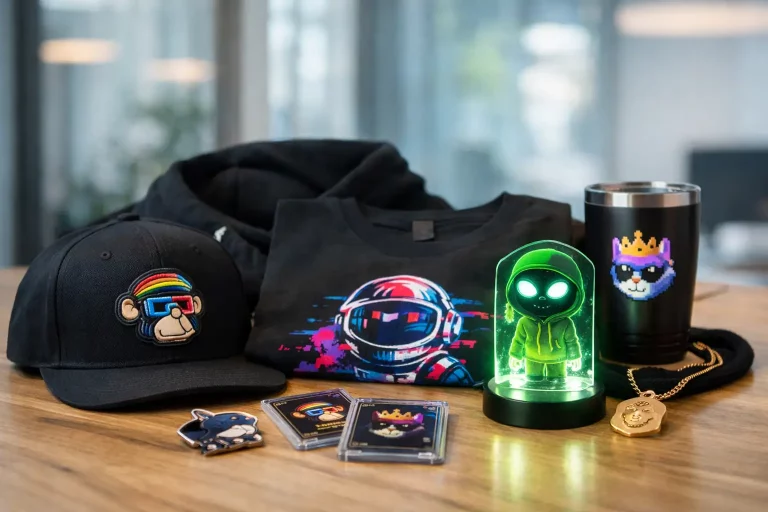
NFT Merch sits naturally in this space, bringing recognized Web3 brands and digital artists into physical streetwear without making collectors chase generic crypto graphics. The point is not to wear blockchain as a buzzword. It is to wear the projects and images that already mean something to you.
Let Your Collection Signal Something Real
The sharpest collectors do not need to explain every piece. The archive speaks through the choices: the early artist collaboration, the well-worn crewneck from a community’s first big moment, the cap that only makes sense to people who were there.
Collect with taste, keep receipts, and leave enough room for the unexpected. The next piece worth owning may not be the loudest drop on your timeline. It may be the one that makes your digital identity feel real the moment you put it on.