NFT Hoodie Review: Worth Wearing?
A bad hoodie exposes itself fast. The print cracks after two washes, the fabric feels thin by noon, and the so-called exclusive drop starts looking like cheap conference swag. That is why an honest nft hoodie review matters. In Web3, merch is not just apparel. It is identity, proof of alignment, and a way to wear your community outside the timeline.
The real question is not whether NFT hoodies are a thing. They are. The question is whether they deserve space in a serious streetwear rotation or if they only work as novelty pieces for holders chasing vibes. The answer depends on three things – design credibility, blank quality, and whether the brand understands culture beyond slapping pixel art on fleece.
What makes an NFT hoodie worth buying
An NFT hoodie has to clear a higher bar than generic fan merch. If you are wearing a recognized collection, artist, or Web3 brand on your chest, people read that piece as a signal. It tells them what circles you move in, what projects you back, and whether your taste is early or obvious. That only works when the hoodie looks intentional.
The strongest pieces feel like actual streetwear first and branded merch second. Good NFT hoodies usually get the balance right with restrained graphics, stronger placement, and enough design confidence to stand on their own even if someone does not know the project reference. If the hoodie only makes sense to insiders and still looks awkward, it loses power offline.
Fabric also matters more than many buyers expect. A heavyweight cotton blend with a solid interior feels premium and holds structure better. That changes the whole fit. It hangs cleaner, layers better, and gives the print a better base. Lightweight blanks can still work, especially for warmer climates, but they rarely deliver that premium streetwear feel most buyers expect when the drop is positioned as exclusive.
NFT hoodie review: design vs hype
Hype can move a drop in minutes, but hype does not fix weak product. This is where most buyers get burned. They buy on community emotion, then end up with a hoodie that feels more collectible than wearable.
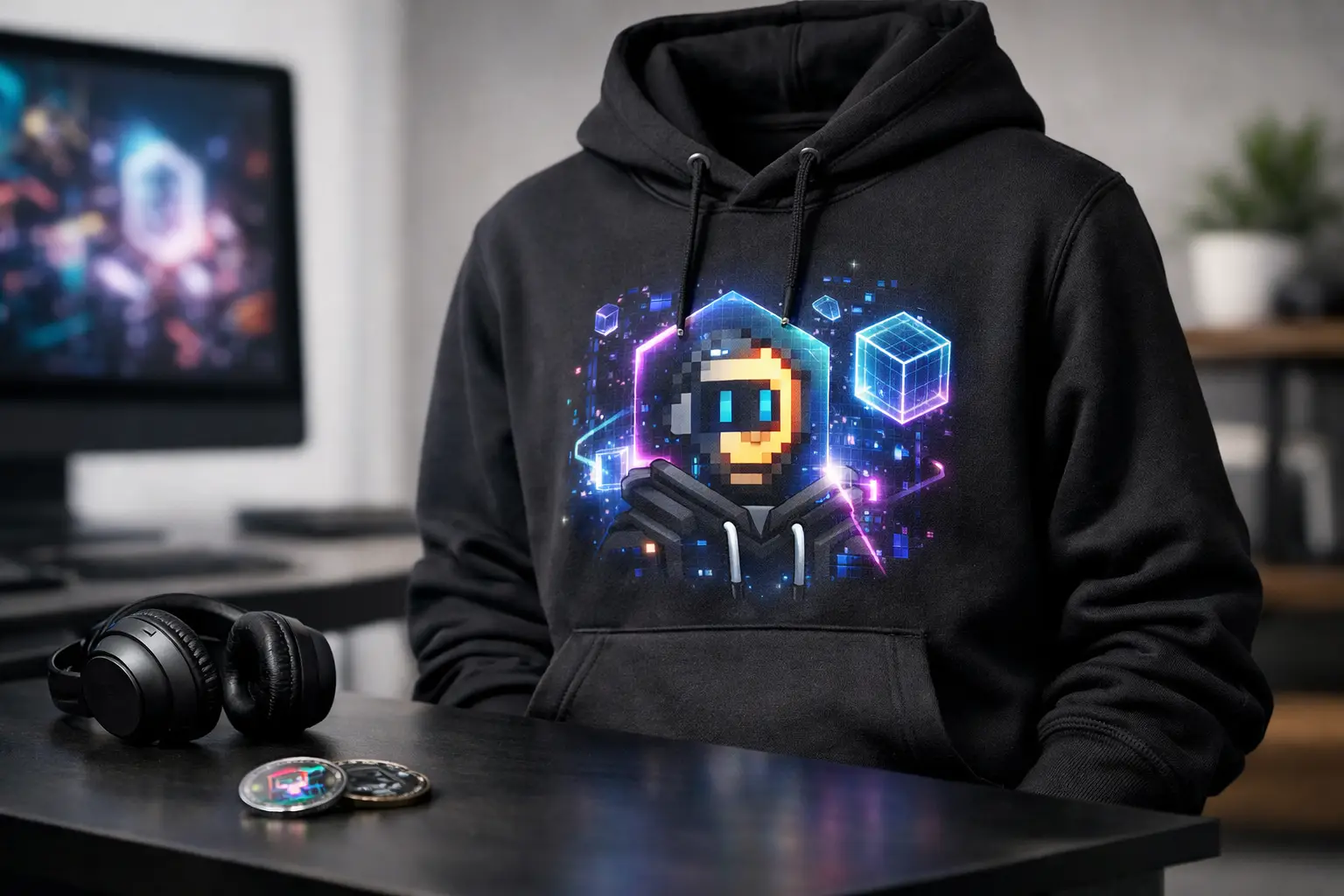
The best designs in this space translate digital culture into clothing without overexplaining it. Think clean iconography, sharp line work, quality embroidery, and graphics that respect the original NFT art while adapting it to apparel. The worst versions do too much. Oversized logos, random crypto slogans, and low-resolution art can make a piece feel dated before it even lands.
There is also the issue of longevity. A hoodie tied too tightly to one market cycle, meme wave, or short-term phrase may hit hard for a month and then disappear from rotation. If you want something with repeat wear value, look for designs rooted in the visual identity of the project rather than the temporary language around it.
That is the split between merch and fashion. Merch says, I was there. Fashion says, I am still wearing this next season.
Fit and comfort matter more than the artwork
Most people shop NFT apparel for the graphic, then decide whether they actually love it based on the fit. That is why any useful nft hoodie review has to spend real time on silhouette and feel.
A good hoodie should have enough weight to sit right on the shoulders, a hood that is not flimsy, and ribbing that keeps shape after wear. The fit can be classic, oversized, or slightly cropped depending on the brand angle, but it should look deliberate. An accidental boxy fit is not the same thing as modern streetwear volume.
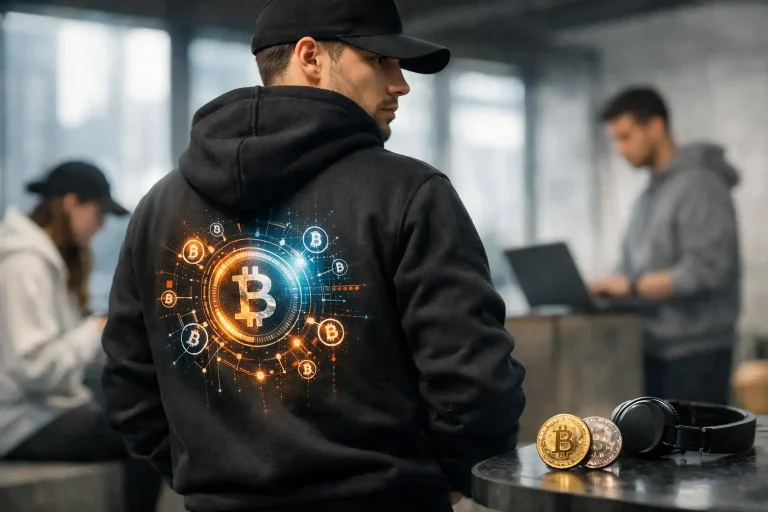
Comfort comes from the full package. You want a soft interior, clean seams, and a fabric blend that does not feel synthetic-heavy unless performance is part of the pitch. Print placement matters here too. Large chest prints can stiffen the front panel if the method is poor. Back graphics often wear better because they do not interfere with movement as much.
Sizing is where online hoodie shopping gets tricky. Some NFT merch brands use blanks from established apparel suppliers, while others shift between manufacturers depending on fulfillment setup. That means a medium in one drop may fit differently from a medium in another. If the brand does not give clear sizing information, that is a red flag, especially for international buyers.
Print quality separates real merch from forgettable merch
If the artwork is the emotional hook, print quality is the trust test. You can tell within seconds whether a hoodie was made with care. Sharp edges, saturated color, and smooth application give the piece presence. Faded blacks, muddy tones, and thick plastic-feeling transfers kill it.
Direct-to-garment printing can look great on the right garment and for the right artwork, especially for detailed illustrations and softer hand feel. Screen printing still wins for durability and punch when the design supports it. Embroidery adds a premium edge but needs strong execution because weak stitching cheapens the whole garment fast.
On-demand production gets unfairly dismissed sometimes. It can absolutely produce strong results when the files are prepared correctly, the blank is solid, and quality control is not treated as optional. The trade-off is consistency. Buyers should expect some variation between production runs, especially across colors and garment sizes. That is normal. What should not be normal is blurry artwork, off-center placement, or prints that degrade immediately.
Is the hoodie actually tied to a real community?
This part matters more in Web3 than in traditional fashion. Authenticity is not just about whether the cotton feels nice. It is also about whether the merch belongs to a real ecosystem.
Official collaborations carry more weight because they connect the garment to a recognized project, creator, or community instead of borrowing aesthetics from the culture without permission. That changes how the piece is perceived. It also affects resale interest, social value, and how confident someone feels wearing it publicly.
For collectors and holders, official merch does something generic crypto apparel never can. It turns digital ownership into physical presence. That bridge is the point. You are not just wearing a hoodie with a random ape, skull, or glitch graphic. You are wearing a project signal that means something to the right people.
That is why curated stores and recognized partnerships matter. A marketplace built around actual NFT brands has more credibility than a seller tossing blockchain buzzwords onto blank hoodies. In this lane, origin matters.
Price: fair premium or overpriced flex?
NFT hoodies usually sit above mass-market hoodie pricing, and that is not automatically a problem. If the garment quality is high, the artwork is official, and the design has replay value, the premium can make sense. You are paying for product plus cultural relevance.
Still, not every higher price is justified. Some drops lean heavily on exclusivity and underdeliver on material quality. Others get the garment right but miss on finishing details like labels, packaging, or print durability. Buyers should judge the full offer, not just the rarity language.
A fair premium usually includes at least three things: a quality blank, strong production, and a genuine brand or artist connection. If one of those is missing, the price starts looking more like tax than value.
For many buyers, the sweet spot is a hoodie that feels collectible but still earns regular wear. If you are scared to wash it or the quality does not match the price, it fails the test.
Who should buy one and who should skip it
If you are active in NFT communities, attend events, follow drops, or just want your offline wardrobe to reflect your online identity, a strong NFT hoodie makes sense. It gives you a clean way to wear affiliation without sounding like an ad. When the design is right, it becomes part of your style, not just your fandom.
If you are mostly buying for hype and do not care about material, fit, or long-term wear, you will probably be happy with almost anything tied to a project you like. But if you actually want a hoodie you will keep reaching for, you need to shop harder.
That is especially true if you are comparing official project merch to generic crypto streetwear. The official route usually wins on meaning. The generic route sometimes wins on trend flexibility. It depends on whether you want community signal or broader fashion use.
Final take on this NFT hoodie review
The best NFT hoodies prove that Web3 merch can move like real streetwear. They are comfortable, well-printed, culturally sharp, and connected to something bigger than a random graphic. The weak ones still exist, and they are easy to spot – thin blanks, lazy artwork, borrowed hype, no staying power.
If you are buying with intention, look past the drop language and judge the hoodie like you would any other premium piece. Check the fit. Check the fabric. Check whether the design still works when the market gets quiet. Platforms like NFT Merch have an edge when they focus on official collaborations and treat the product like fashion instead of filler.
Own the culture if you want. Just make sure the hoodie is built to deserve it.