What Sets NFT Streetwear Brands Apart?
A plain hoodie with a random ape on it is not the move. Web3 crowds can spot cash-grab merch instantly, and that is exactly why nft streetwear brands have become their own lane. The best ones are not just printing token art on blanks. They are building wearable identity – pieces that carry community status, digital culture, and real design credibility.
That difference matters. In Web3, what you wear is not just fashion. It is affiliation, access, and proof that you know the culture beyond the floor price. The strongest brands understand that physical merch is where online ownership turns into something visible on the street, at events, and across the everyday moments that make communities feel real.
Why nft streetwear brands hit differently
Traditional merch usually starts with promotion. Streetwear starts with taste. The top nft streetwear brands sit closer to the second category, even when the goal is still selling product. They lead with silhouette, graphic language, material choice, and drop energy. The NFT connection gives the story weight, but the clothing still has to hold up on its own.
That is the line that separates collectible apparel from forgettable merch. If a piece only makes sense because of the logo, it has a short shelf life. If it still looks strong without the context, it has staying power. Web3 buyers are getting more selective about that. They want a shirt or hoodie that reads like part of the culture, not a novelty purchase they regret a week later.
There is also a stronger emotional layer here. NFT communities were built around ownership, participation, and shared language. Wearing that identity offline has a different charge than buying mainstream fan gear. It feels closer to representing a scene you helped build, not just consuming a brand from the outside.
The real value is identity, not just apparel
A good NFT collection can live in a wallet. A good brand lives in public. That is where streetwear comes in.
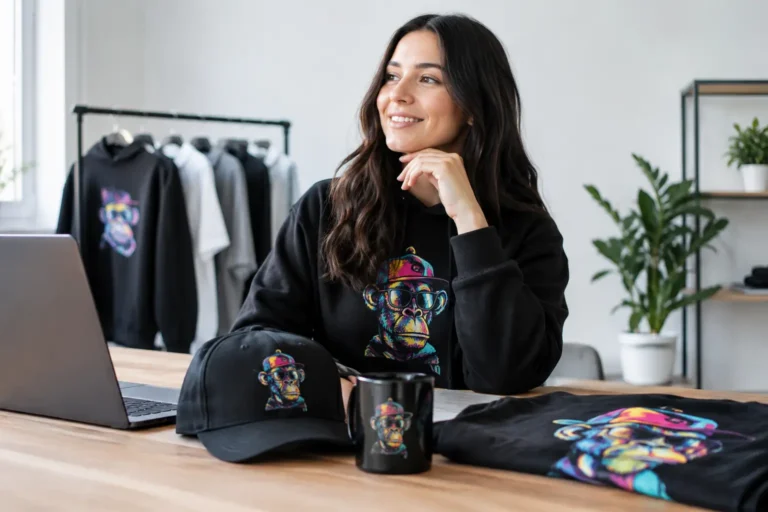
For holders and collectors, physical product turns a digital asset into social presence. You are no longer only displaying your affiliation on X, Discord, or a marketplace profile. You are taking it into the real world. That shift is bigger than it sounds. It gives digital communities a physical signal, and that signal creates recognition fast.
Streetwear has always worked this way. It tells people what circles you move in, what references you catch, and whether your taste is surface-level or earned. In Web3, the same rules apply. The strongest pieces communicate insider knowledge without trying too hard.
That is why exclusivity still matters, but not in a lazy way. Scarcity alone is not enough anymore. A limited drop with weak design feels cheap. A well-designed piece tied to a respected project, artist, or community feels collectible. Same mechanic, very different outcome.
What makes the best nft streetwear brands credible
Credibility in this space is not built by saying the right buzzwords. It comes from a few things buyers can feel immediately.
First, the partnership has to be real. If a brand is working with recognized NFT projects, known artists, or legitimate communities, that carries weight. Official collaborations signal permission, authenticity, and creative alignment. Unofficial crypto-themed apparel can still sell, but it rarely carries the same status.
Second, design has to come before hype. Good nft streetwear brands understand fit, print quality, composition, and pacing. They know when to go loud and when to let a small graphic do the work. Some projects naturally lend themselves to bold visual treatment. Others are stronger when the reference is subtle. It depends on the audience, the drop, and how saturated the imagery already is.
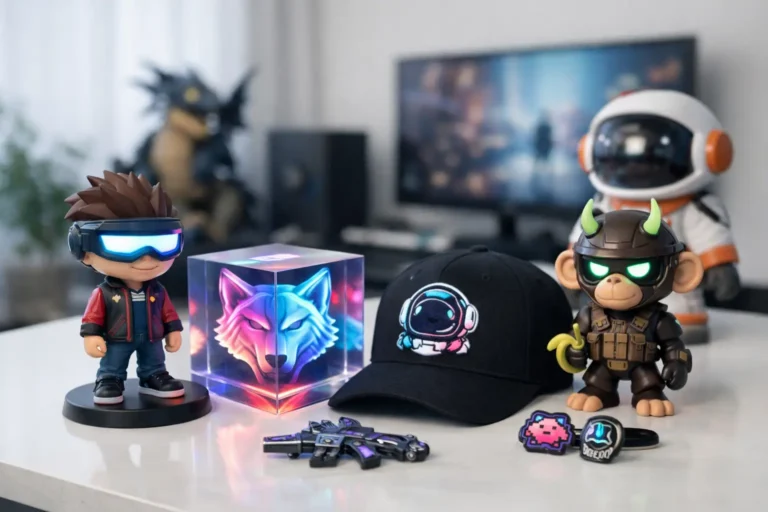
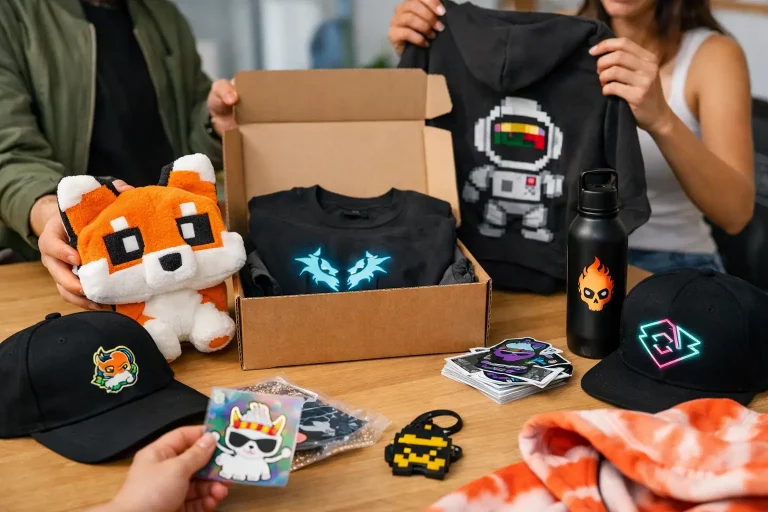
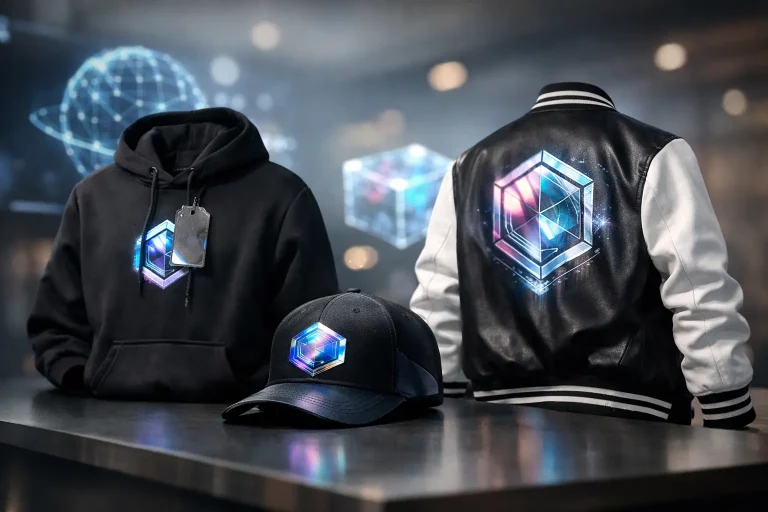
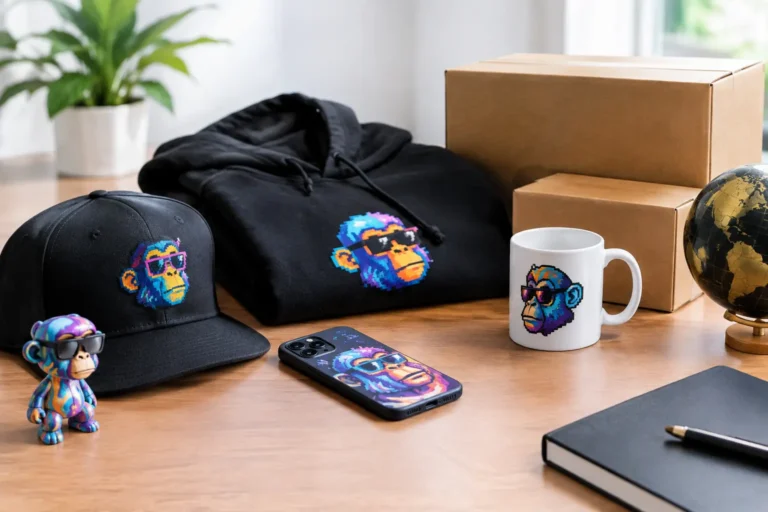
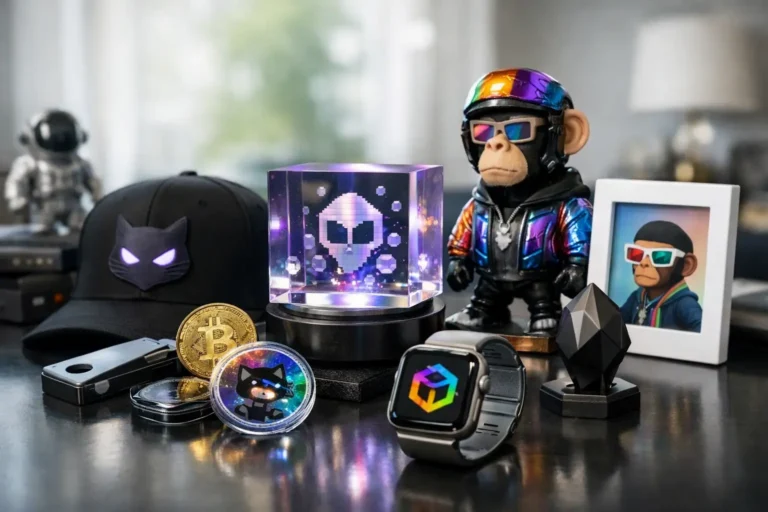
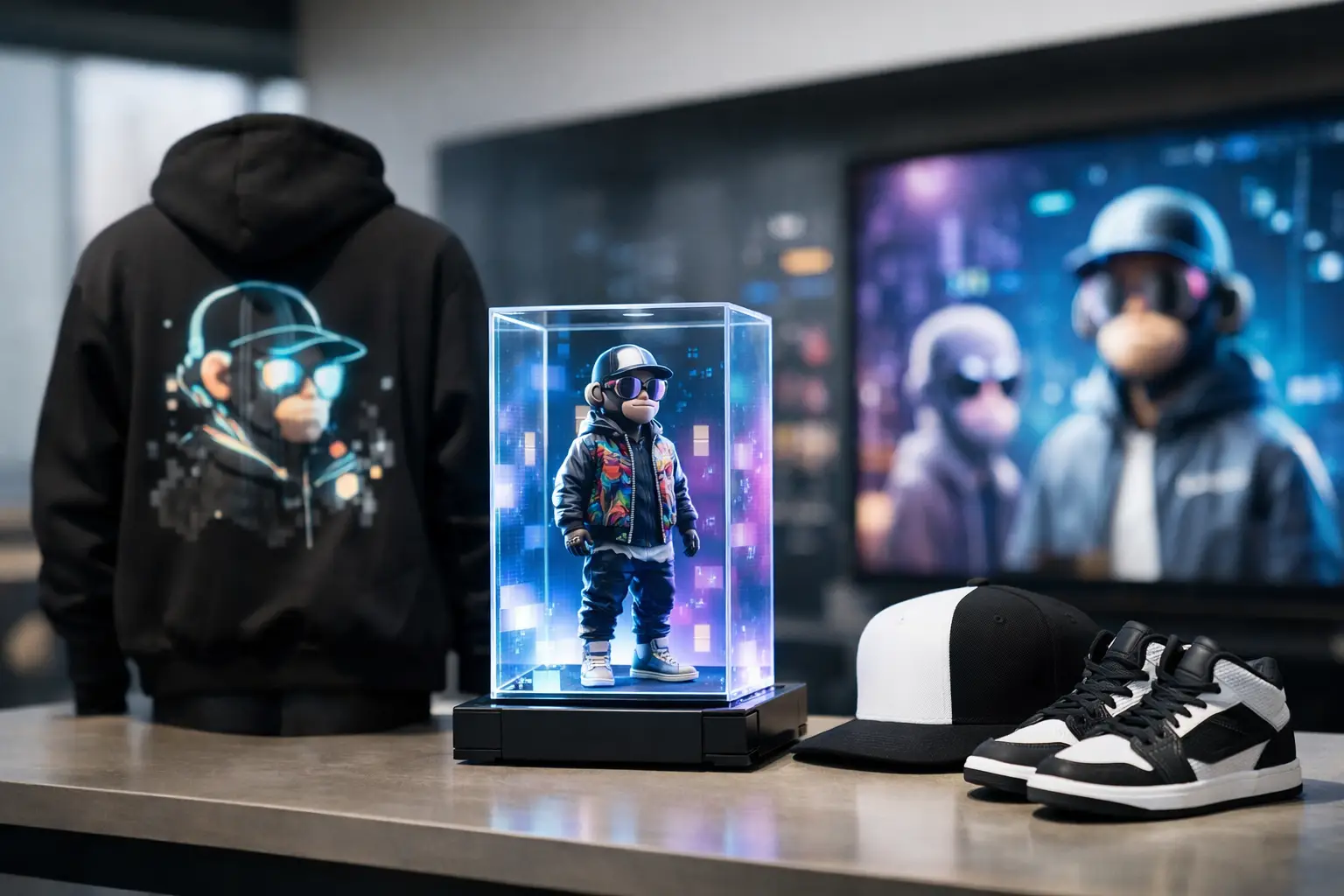
Third, the product range matters. A serious merch destination does not stop at one tee and one hoodie. Streetwear culture is built across categories – outerwear, headwear, accessories, bags, patches, even home pieces that extend the identity beyond clothing. When a brand curates across formats, it feels more like a world and less like a campaign.
Finally, fulfillment and flexibility matter more than people admit. Web3 audiences are global, impatient, and used to direct access. If buying is complicated, shipping is limited, or minimums create friction, interest drops fast. On-demand production, broad payment options, and straightforward ordering are not glamorous, but they remove the barriers between discovery and purchase.
From profile picture to full fit
One reason this category has legs is that it solves a real gap. People spend serious time building digital identity, but most of that expression stays trapped on screens. NFT merch changes that.
A profile picture project might start as an asset, then become a community badge, then evolve into a visual language that works across clothing and accessories. That progression is what turns a collection into a brand ecosystem. Not every project can make that jump. Some art is better as art. Some communities are active online but do not have enough visual discipline to translate into apparel. But when the ingredients are there, the leap into streetwear feels natural.
This is also why some drops resonate far beyond holders. If the design is strong enough, people outside the immediate community may still want in. That can be a good thing when handled carefully. It expands cultural reach and gives a project more visibility offline. But there is a trade-off. If everything becomes too mass, core supporters may feel the signal weakens. The best brands balance access with edge.
Hype matters, but product still wins
Web3 is no stranger to hype cycles. That energy can help launch a drop, but it cannot carry bad product for long.
The buyers who stay around are looking for fabric that feels right, prints that last, and silhouettes they actually want in rotation. They notice when graphics are placed with intention. They notice when the branding is overcooked. They notice when a sweatshirt feels premium versus rushed. In other words, they shop like streetwear customers, not just token holders.
That shift is healthy for the category. It pushes brands to compete on taste, not only novelty. It also raises the ceiling. When NFT apparel is treated like real fashion, it has a shot at longevity. When it is treated like event swag, it expires fast.
For retailers in this space, that means curation is part of the value. Not every Web3 project deserves shelf space. The strongest platforms act more like selective merch houses than generic print shops. They work with brands that already have cultural gravity, then turn that into physical product people are proud to wear. That is a very different proposition from flooding the market with random crypto slogans.
Where the category goes next
The future of nft streetwear brands is probably less about louder branding and more about smarter integration. Expect more artist-led capsules, more limited collaboration drops, and more attention to cut-and-sew quality. Expect accessories to keep growing too, because identity does not stop at apparel.
There is also room for more mature visual language. Early Web3 merch often leaned hard on obvious iconography because the market was still proving itself. Now the audience is sharper. They do not need every piece to scream. Sometimes a clean cap, a heavyweight hoodie, or a graphic that only insiders recognize carries more weight than a giant front print ever could.
That does not mean bold is dead. It just means intent matters. Some communities thrive on maximal graphics and loud cultural flex. Others are moving toward quieter luxury-coded execution. Both can work if the brand knows who it is speaking to.
A platform like NFT Merch makes sense in that shift because the opportunity is no longer just selling a product. It is curating what deserves to become physical in the first place. For buyers, that saves time and builds trust. For brands and artists, it creates a more legitimate path from digital fandom to real-world presence.
Own the culture is not just a line. In this space, it is the whole point. When digital communities become wearable, they stop feeling temporary. They become part of how people show up, get recognized, and carry the story forward long after the screen goes dark.