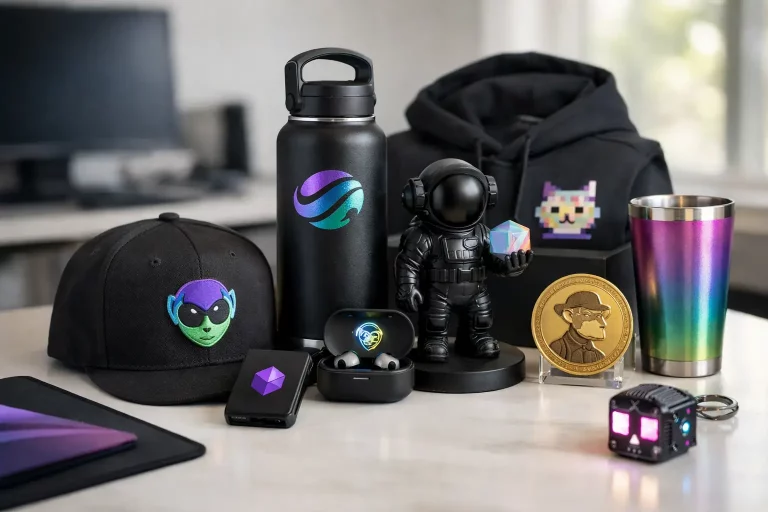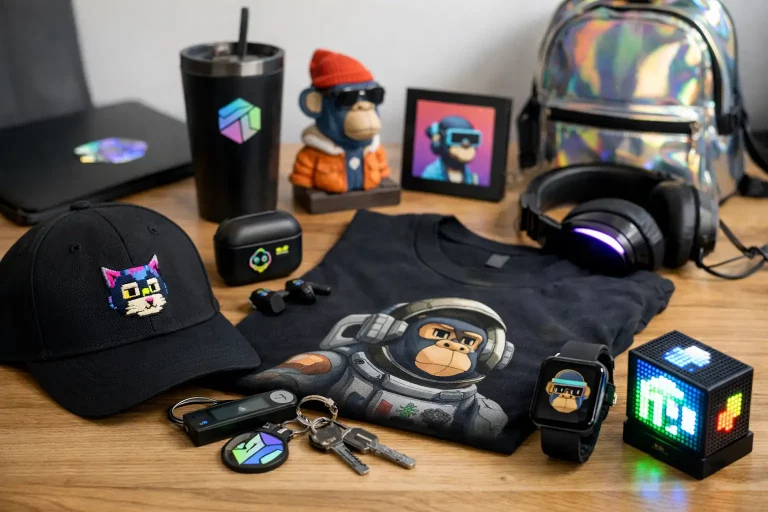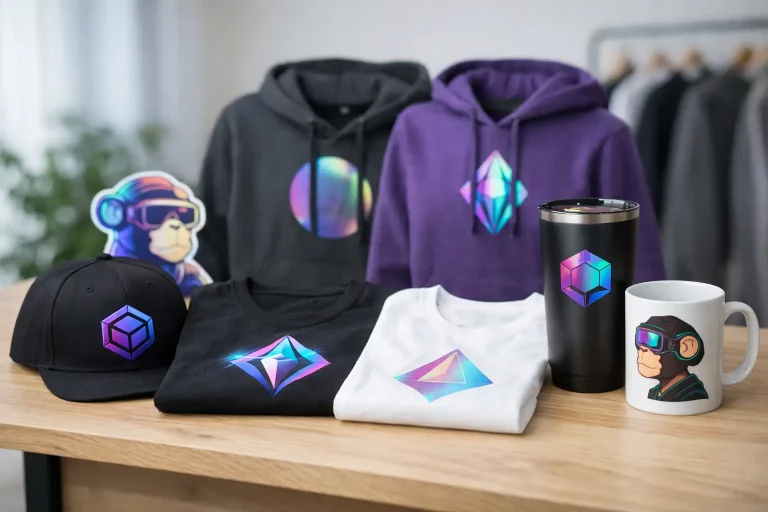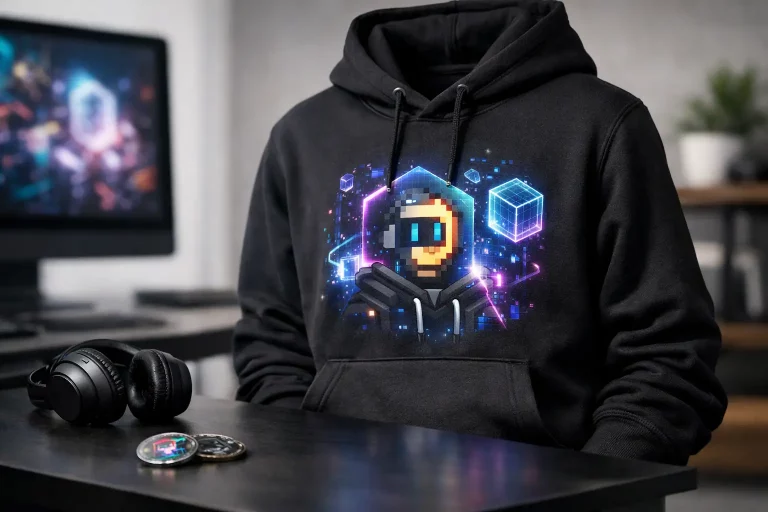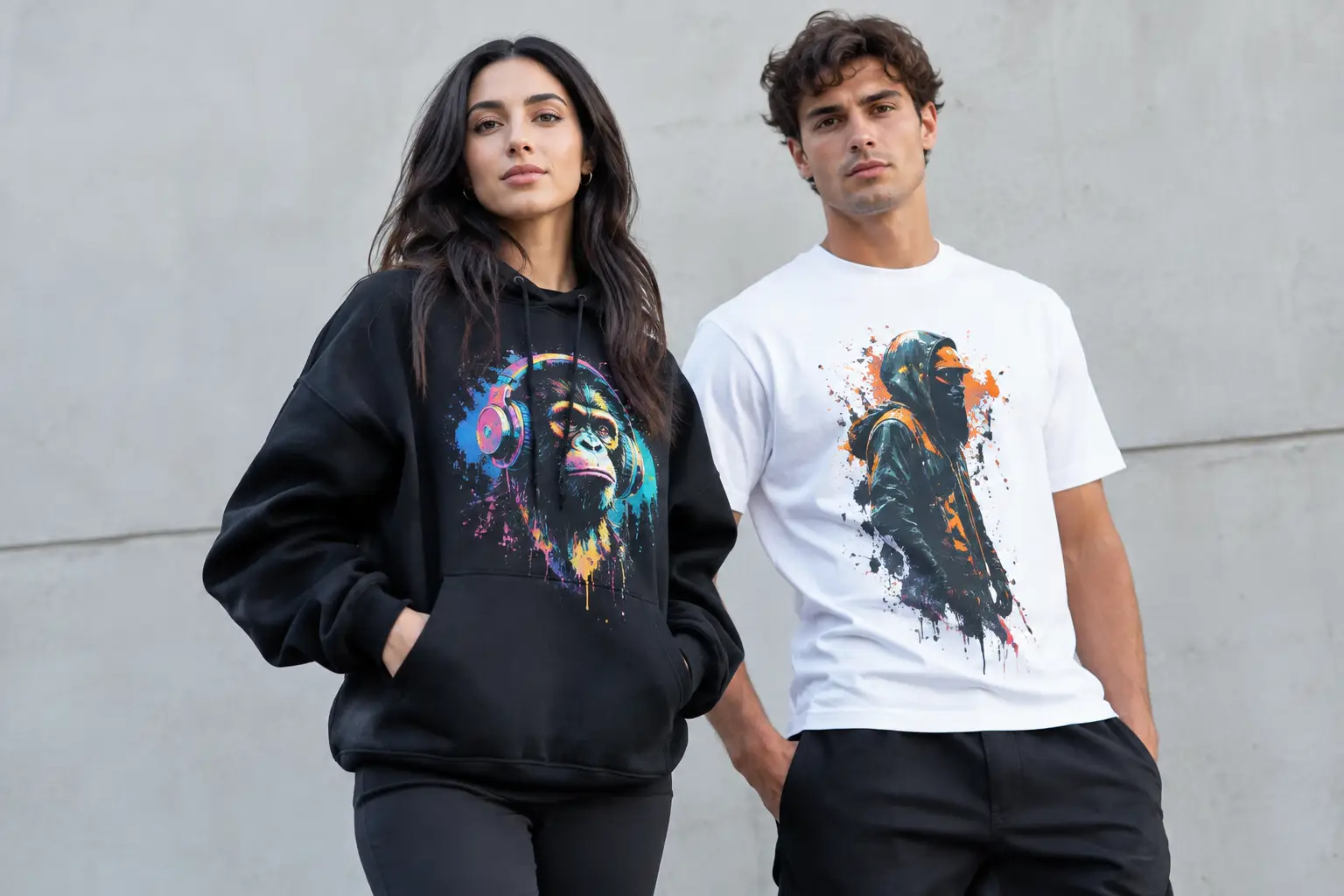
On Demand Streetwear Quality That Holds Up
A hoodie can carry a legendary PFP, a DAO motto, or an artist’s signature visual language. But if the collar warps after two washes or the graphic starts cracking at the first flex, the signal gets lost fast. On demand streetwear quality is what turns a digital affiliation into a piece you actually reach for – not a one-post prop that disappears to the back of the closet.
For Web3 communities, that standard matters more than most. You are not just buying a graphic. You are wearing proof of taste, loyalty, and early belief in a culture that started online and now shows up everywhere from IRL events to airport lounges. The right merch makes that translation feel intentional.
What On Demand Streetwear Quality Really Means
On-demand production does not automatically mean cheap, and it does not automatically mean premium. It means an item is made after it is ordered, rather than produced in huge speculative runs and stored in a warehouse. That reduces excess inventory and lets communities offer broader designs without betting everything on one size curve.
Quality comes from the decisions around that model: garment selection, print method, artwork preparation, production controls, and shipping care. A strong on-demand piece should feel considered at every stage. The blank needs the right weight and hand feel. The print has to suit both the material and the art. The fit has to make sense for streetwear, not just for a product thumbnail.
That distinction matters when a collection represents a recognized NFT brand or digital artist. The art already has value and context. Physical merch should protect that value, not flatten it into a generic tee with a rushed upload.
Start With the Garment, Not the Graphic
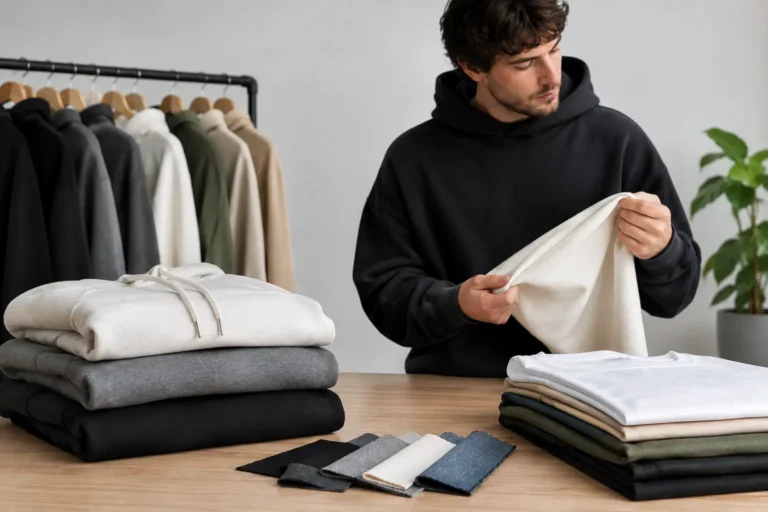
Streetwear is tactile. Before anyone sees the artwork, they feel the fabric, the shoulder construction, and the way the piece sits on the body. A premium-feeling tee generally needs enough fabric weight to avoid looking transparent or losing its shape, while still being comfortable enough for repeat wear. Hoodies and crewnecks need a substantial feel without becoming stiff, overly bulky, or too hot for daily layering.
Fabric composition is a real trade-off, not a single ranking. Ring-spun cotton often feels softer and more refined than basic open-end cotton. Cotton-heavy garments give prints a familiar, matte streetwear look and can feel better against the skin. Blends may add durability, shape retention, or fleece warmth, especially in sweatshirts. The best choice depends on the garment category and the intended look.
Fit carries equal weight. A classic fit is versatile and easier to size across a global community. A relaxed or oversized fit brings more current streetwear energy, but it must be clearly represented so buyers know what they are getting. A drop shoulder can look deliberate. A random, boxy cut can look like poor sizing. Quality is not only about expensive materials. It is also about purposeful proportions.
Print Is Where Digital Art Meets Real Life
A high-resolution digital collectible does not automatically become a high-quality physical print. Details have to be prepared for fabric, scale, and the limitations of the chosen production method. Fine lines, gradients, small text, neon effects, and dense artwork all need careful handling before they go anywhere near a press.
Direct-to-garment printing is a strong fit for detailed, full-color artwork and small-batch production. It allows complex illustrations and photo-like visual work to appear without the setup requirements of traditional large-run screen printing. On the right garment, with properly prepared art, it can produce a vivid result that feels integrated with the fabric rather than like a thick plastic sheet sitting on top.
Still, the design needs discipline. A giant print is not always a better print. Oversized graphics can feel powerful, but they may become heavier, less breathable, and more prone to visible wear over time. Small chest marks, back graphics, sleeve placements, and carefully scaled center prints often wear better while giving the piece more room to breathe.
Color choice matters, too. Bright graphics on dark garments can have major impact, but may require a base layer beneath the ink. That can change the texture of the printed area. Minimal tonal artwork may feel more elevated and age well, but it needs enough contrast to stay visible. There is no universal winner. The best route is the one that respects the original art and the garment it lives on.
The wash test is the real flex
A quality piece should survive real ownership. That means normal movement, regular washing, and the occasional throw-it-in-the-bag travel day. Print longevity depends on production quality, but care also plays a part. Washing inside out in cold water, using mild detergent, avoiding high dryer heat, and never ironing directly over the graphic will help preserve color and detail.
That does not mean merch should be fragile. It means well-made apparel deserves the same care you would give a favorite jacket, rare sneaker, or collectible art book. If a shirt only looks good under studio lighting and fails after basic use, it was never built for the culture.
Fulfillment Quality Is Part of the Product
For on-demand drops, quality is not finished when the garment comes off the printer. Order accuracy, sizing consistency, packing, and delivery visibility all shape the experience. A clean graphic cannot rescue the wrong size, a mislabeled item, or a package that arrives looking like it lost a fight with a loading dock.
Global fulfillment adds more variables. Different regions can involve different production partners, stock availability, shipping times, and local carrier handling. That is why transparent product information matters. Buyers should be able to understand the garment type, fit expectations, care instructions, and likely delivery window before they commit.
On-demand production also creates a fair expectation: some items may take a little longer to dispatch than an off-the-shelf warehouse product. In return, the piece is produced for an actual owner rather than manufactured into excess. For Web3 communities that care about new models of ownership and smarter production, that is a meaningful trade-off – as long as the brand communicates it clearly and delivers on the promise.
How to Spot Better On Demand Streetwear
You do not need to be a garment technician to shop with better instincts. Start by looking for specifics instead of vague claims. Product descriptions that name the fabric, fit, and care guidance show more confidence than empty phrases like “premium quality.” Product imagery should show the full garment, close-up print detail, and how it fits on a body rather than relying only on floating mockups.
Pay attention to the design itself. Is the artwork placed with intention? Does the graphic have enough room from seams, pockets, and zippers? Are the colors selected for the garment, or does it look like the same file was dropped onto every available product? The strongest collections treat each item as its own canvas.
Authenticity is another quality signal. Official collaborations, recognizable artist partnerships, and clearly credited community collections have more at stake than anonymous crypto graphics chasing a trend. At NFT Merch, the point is to give established Web3 visuals a physical form that belongs in a real rotation, whether it is a low-key cap, a statement hoodie, or a collectible wall piece.
Quality Has to Match the Community Signal
Web3 moves quickly. Narratives flip, floors move, and timelines refresh by the hour. Streetwear should move at a different pace. The pieces worth owning keep their relevance because they hold a real connection to an artist, project, or community moment – and because they are made well enough to stay in circulation.
Choose the design you would wear even when nobody asks what it means. Then check the fabric, fit, print approach, and care details with the same attention you bring to the art itself. That is how digital culture earns a place in your everyday uniform: not through louder merch, but through pieces built to carry the story longer.