How Successful Token Gated Campaigns Create Culture
A wallet full of assets is not a community strategy. A holder who gets early access to a drop, claims a piece made for their circle, and wears it out in the real world? That is the beginning of something people remember. Successful token gated campaigns turn blockchain ownership into a visible, useful, and culturally charged experience.
For NFT brands, DAOs, digital artists, and Web3 communities, token gating works best when it does more than keep non-holders out. It gives holders a reason to stay close. The gate is the proof. The value behind it is the point.
What Successful Token Gated Campaigns Actually Do
A token gate verifies that someone holds a qualifying digital asset or meets a wallet-based requirement. That could mean owning a specific NFT, holding a minimum token balance, possessing an event pass, or carrying a badge earned through community participation.
The mechanics are straightforward. The hard part is creating a reward worth verifying for.
Weak campaigns treat token gating as a velvet rope with nothing happening behind it. A generic discount, a rushed product, or a vague promise of future benefits will not create lasting loyalty. Holders have seen that play before. Strong campaigns connect ownership to a moment that feels specific: a limited physical drop, a private preorder window, a claim tied to an anniversary, or a design that only insiders can access.
The difference is emotional as much as commercial. People do not buy a hoodie just because a wallet says they can. They buy it because it carries the visual language, shared history, and status of a community they chose to join.
Start With a Reason to Belong
Before choosing a wallet verification tool or setting a supply number, decide what the campaign is rewarding. Is it long-term collecting? Early belief? Event attendance? Creative contribution? The answer determines who should qualify and what the offer should feel like.
A genesis holder campaign should not look the same as a campaign for active contributors. Genesis holders may value a legacy piece that marks the project’s origins. Active contributors may respond better to a timed claim, a contributor-only colorway, or merchandise connected to a recent community milestone.
This is where many teams lose the plot. They begin with scarcity because scarcity is easy to communicate. But scarcity without a story can feel manufactured. Give the product a role in the community narrative. A numbered back print can reference a collection milestone. An embroidered symbol can signal membership without screaming for attention. A limited patch can become a badge from a specific chapter of the project.
The best physical merch translates digital identity instead of pasting a logo on fabric. That takes creative direction, not just access control.
Match the reward to the holder’s commitment
The more demanding the qualification criteria, the more meaningful the benefit should be. Requiring ownership of a high-value NFT for a five-percent discount will feel out of touch. Requiring a free community badge for access to an open edition tee can work well, especially when the goal is participation and reach.
There is no universal formula. A high-conviction collector base may want limited quantities, premium materials, and a clear record of what makes the piece rare. A larger, fast-moving community may prefer affordable options, a generous claim window, and worldwide availability. Know which relationship you are building before you decide what to gate.
Build the Campaign Around One Clean Action
Every extra step costs attention. Wallet connection, asset verification, product selection, checkout, and shipping details already create enough friction. Keep the path clean and tell people exactly what they need before launch.
A sharp campaign page answers four questions quickly: who qualifies, what they can claim or buy, when access closes, and whether supply is limited. If a holder needs to bridge a token, use a particular wallet, or pay shipping, say so upfront. Surprise conditions damage trust faster than a sold-out notice.
For campaigns with physical products, the operational details matter just as much as the artwork. Set realistic production and delivery expectations. Make sizing guidance clear. Decide whether holders can buy more than one unit and whether transfers affect eligibility. If the gate is based on a snapshot, name the snapshot date. If verification happens at checkout, explain it in plain language.
Clarity is part of the flex. Communities respect brands that can execute.
Choose scarcity with intention
Limited supply can create urgency, but it is not the only way to make access feel special. A 72-hour holder-only window can be powerful even with made-to-order inventory. It rewards proximity without forcing a scramble that excludes people across time zones.
Physical scarcity works when the item has genuine collector logic: a numbered run, a one-time colorway, a collaboration that will not be repeated, or a product tied to a major event. Open editions work when the mission is broader participation and visible cultural spread. Both can be premium. The key is to avoid pretending an open product is rare or producing a limited item with no reason to exist beyond a low quantity.
On-demand production offers a useful middle ground. Communities can access a gated design during a defined window, while the brand avoids carrying speculative inventory. That is especially practical for global audiences, where interest can be hard to forecast and size preferences vary widely.
Design for the Street, Not Just the Timeline
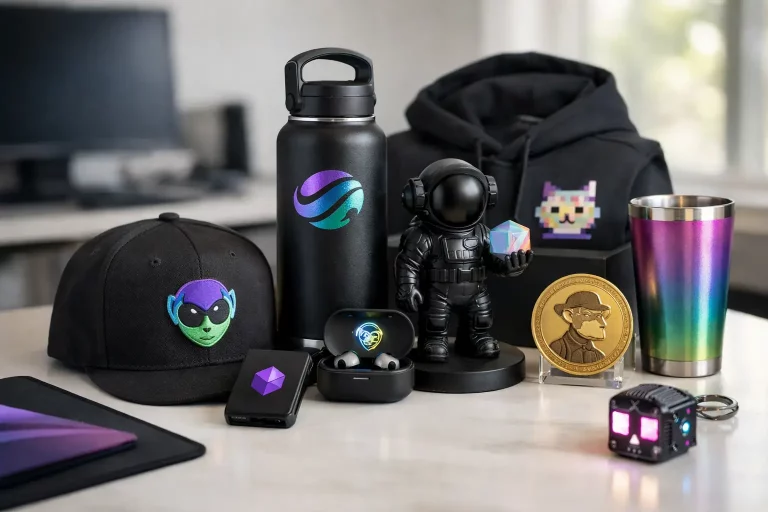
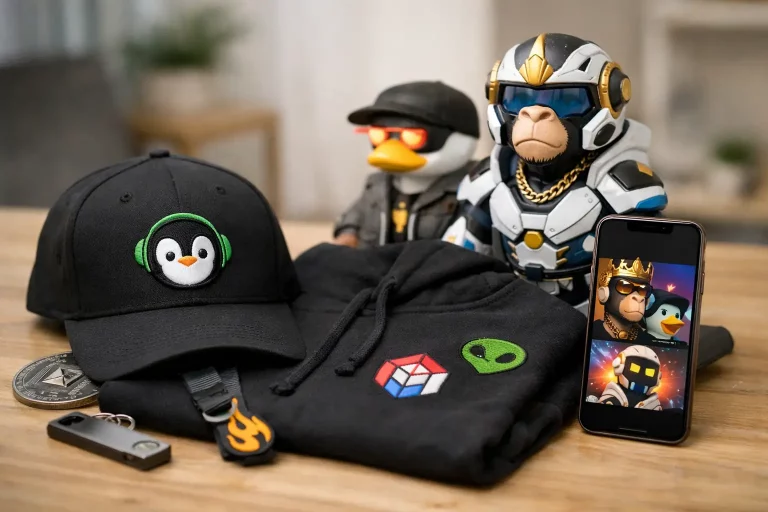
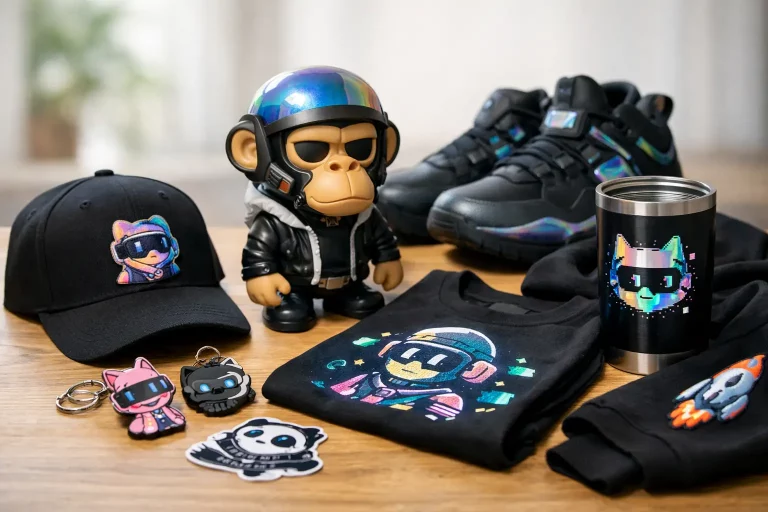
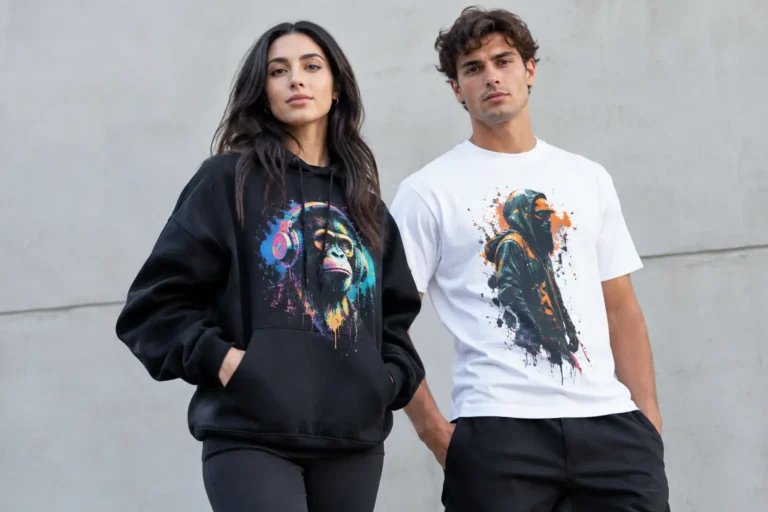
A token gated campaign becomes more valuable when it travels beyond Discord, X, or a wallet gallery. Wearable merch is a distribution channel with a heartbeat. A well-designed cap at a conference, a hoodie in a creator’s video, or a tote in an airport line turns private ownership into public recognition.
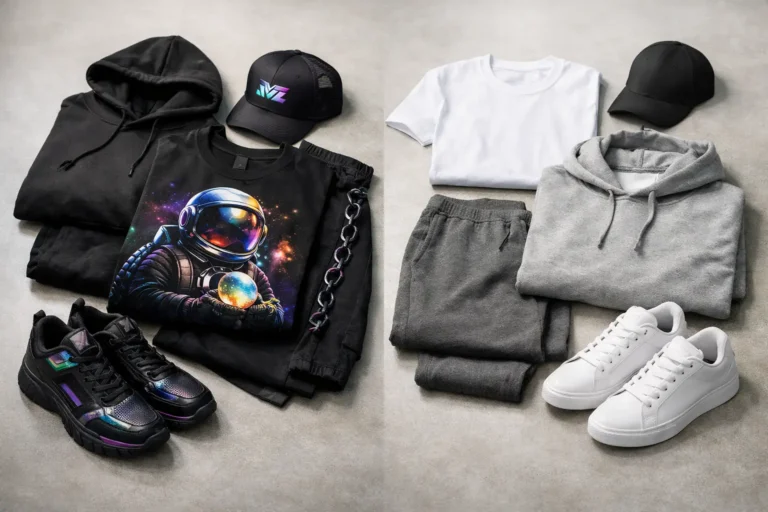
That only happens when the product feels good enough to wear without an explanation. Avoid treating every garment like a billboard. Use recognizable marks intelligently, pair them with strong typography or original artwork, and consider details people notice up close: placement, texture, garment weight, labels, embroidery, and packaging.
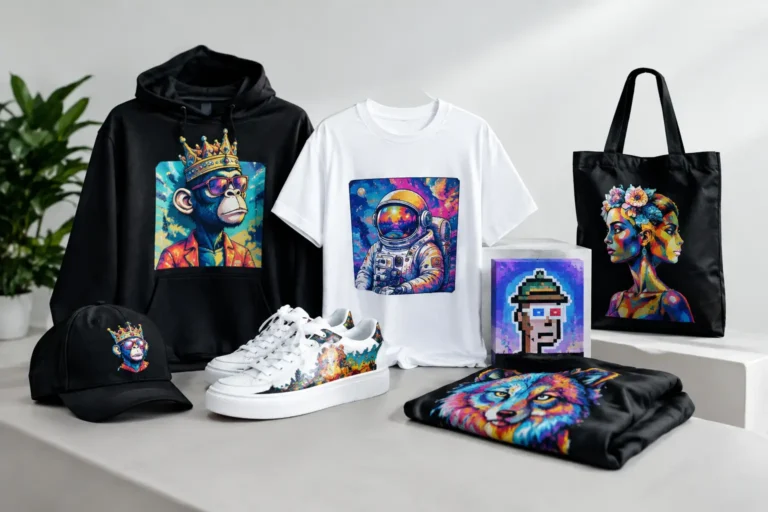
The right design balance depends on the community. Some projects have symbols so recognizable that minimal branding creates the strongest signal. Others need expressive artwork to communicate their world. Either route can work, as long as the piece has taste and does not read like generic crypto merch.
At NFT Merch, the goal is not simply to put Web3 art on products. It is to give collectors physical pieces that hold their own in a streetwear rotation while still carrying the signal that matters to the people who recognize it.
Measure More Than the Sellout
A fast sellout is exciting, but it is not the only proof of a successful campaign. It can also hide problems: a small number of buyers may have taken most of the supply, international holders may have been priced out, or the product may have been underproduced relative to demand.
Look at wallet participation alongside revenue. How many eligible holders connected? How many qualified holders completed checkout? Did new wallets arrive because of the campaign, or did it deepen engagement among existing members? Track which products, sizes, regions, and access windows performed best.
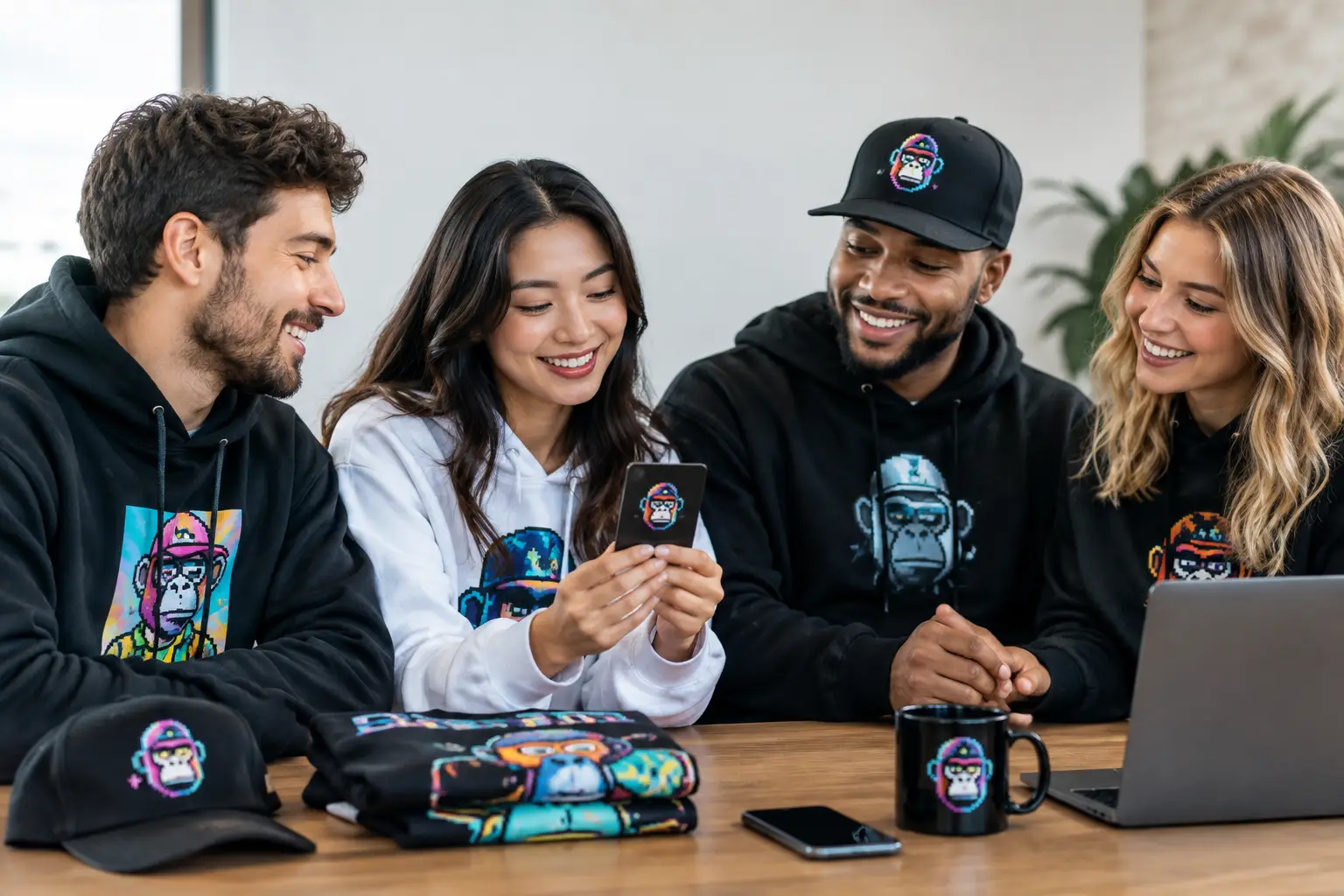
Qualitative signals matter too. Watch what holders post without being asked. Are they sharing unboxings, fit photos, and stories about why they qualified? Are people who missed the drop asking when the next chapter lands? That is the difference between a transaction and a cultural artifact.
Be careful with data collection. Verify only what is necessary, communicate what is being checked, and avoid making holders feel like their wallets are being mined for marketing intelligence. Web3 audiences are alert to the gap between decentralization language and extractive behavior.
Keep the Door Open After the Drop
The campaign should not vanish the moment orders close. Show the production process, spotlight community styling, and let the piece carry its story after delivery. This gives holders social proof that their access meant something and gives future members a clear picture of what participation can lead to.
Then use what you learned. If a small premium run sold through but an open accessory had the highest participation, that tells you something about your community. If a region showed strong demand but shipping was the blocker, rethink your next release structure. Token gating is not a one-time gimmick. It is a way to build a better feedback loop between digital ownership and real-world culture.
Make the next campaign feel earned. Give your holders a reason to check their wallet, then give them something worth carrying into the world.