Top Merch Items for Collectors Who Own Web3
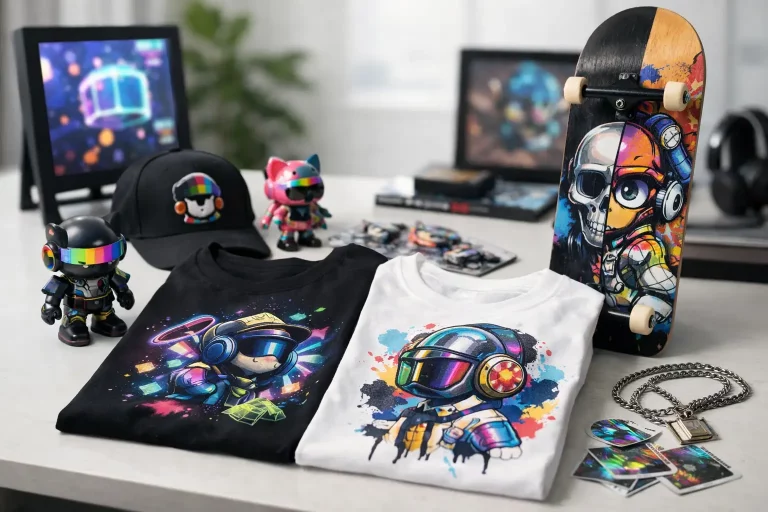
A wallet can prove ownership. It cannot start a conversation across the room. That is where the top merch items for collectors earn their place: they turn the projects, art, and communities you back online into a physical signal people can recognize offline.
For Web3 collectors, the best merch is never just a logo on cotton. It is a receipt of taste, a community pass you can wear, and a piece of culture that outlives a scrolling feed. The right item feels connected to the visual language of the project, built well enough to wear repeatedly, and distinct enough that it does not read like generic crypto swag.
What Makes Merch Worth Collecting?
Scarcity gets attention, but design earns repeat wear. A limited drop with weak blanks, rushed artwork, or no real connection to the community will sit in a closet, regardless of how few units exist. On the other hand, a well-made tee or print with a strong visual identity can become part of a collector’s personal uniform.
Authenticity matters just as much. Officially licensed merch and credible artist collaborations carry a different kind of value from copy-paste marketplace designs. They show that the people behind the collection cared enough to translate their world into a real object. For collectors, that provenance is part of the product.
There is also a practical question: will you use it? Some pieces are made for the wall or display shelf. Others are made for conferences, meetups, festivals, airport runs, and everyday fits. The strongest collection has room for both.
The Top Merch Items for Collectors Right Now
1. Statement Hoodies That Carry the Community
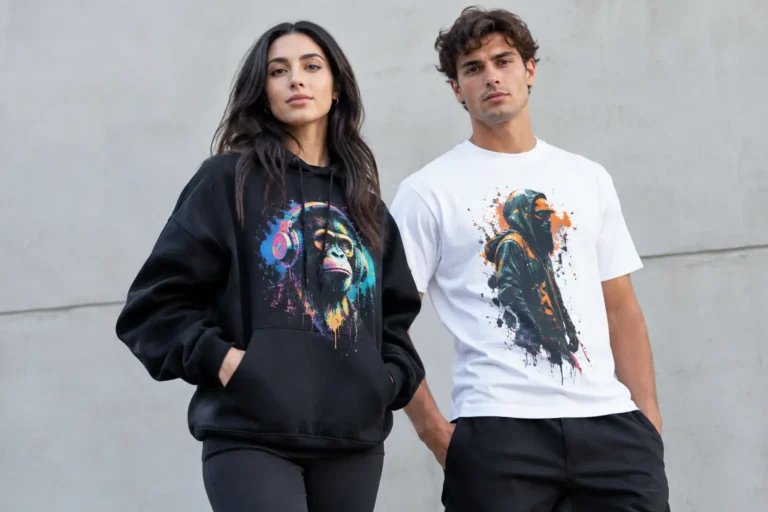
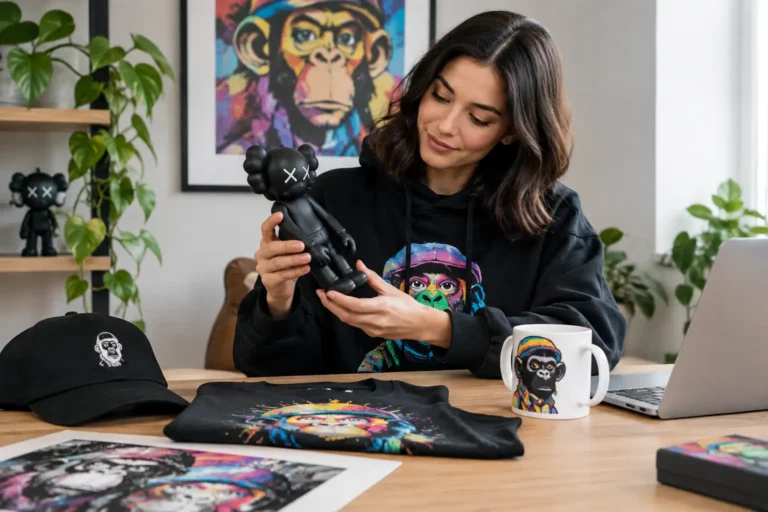
A hoodie remains the heavyweight champion of NFT streetwear. It has presence, works across seasons, and gives large-format artwork enough room to hit properly. For collectors who want a single item that makes their affiliation clear, this is usually the move.
Look for a design that goes beyond dropping a character in the center of the chest. Strong hoodies use back graphics, sleeve hits, custom type, subtle front marks, or artwork that rewards a second look. A bold full-print piece can be a flex. A minimal embroidered mark can be the better choice when you want the people who know to know.
The trade-off is simple: hoodies cost more and take up more space than smaller collectibles. Buy the one tied to a project or artist you expect to keep repping, not every drop that creates artificial urgency.
2. Graphic Tees Built for Actual Rotation
A great graphic tee is the easiest entry point into physical Web3 culture. It is lower commitment than outerwear, easier to collect across different communities, and ready for daily wear. That makes tees ideal for collectors who support multiple projects without wanting their entire closet to look like a single brand campaign.
The best versions feel like real streetwear, not event giveaways. Consider composition, print placement, color palette, and whether the art still works when someone has no idea what an NFT is. That last detail matters. A tee should be visually strong enough to create curiosity before it requires context.
Tees are also where artist-led drops can shine. Digital artists often have an established visual world already. Put that work on a quality garment and it becomes a wearable edition, not just promotional apparel.
3. Art Prints and Posters With Display Value
Not every collector wants to wear every collectible. Prints and posters let you bring a digital art collection into your workspace, studio, game room, or home without forcing it into a fashion decision.
This category works especially well for highly visual projects, generative art, character collections, and collaborations with recognizable artists. A sharp print can turn an empty wall into a signal of what you collect and where your taste lives. It also gives a project a longer life beyond profile-picture cycles and market noise.
Pay attention to the artwork’s original format. Detailed pieces need enough scale to breathe, while minimalist graphics can look sharper in smaller formats. If a poster is only a blown-up token image, skip it. If it has been thoughtfully composed for print, it belongs in the collection.
4. Patches and Stickers for the Layered Flex
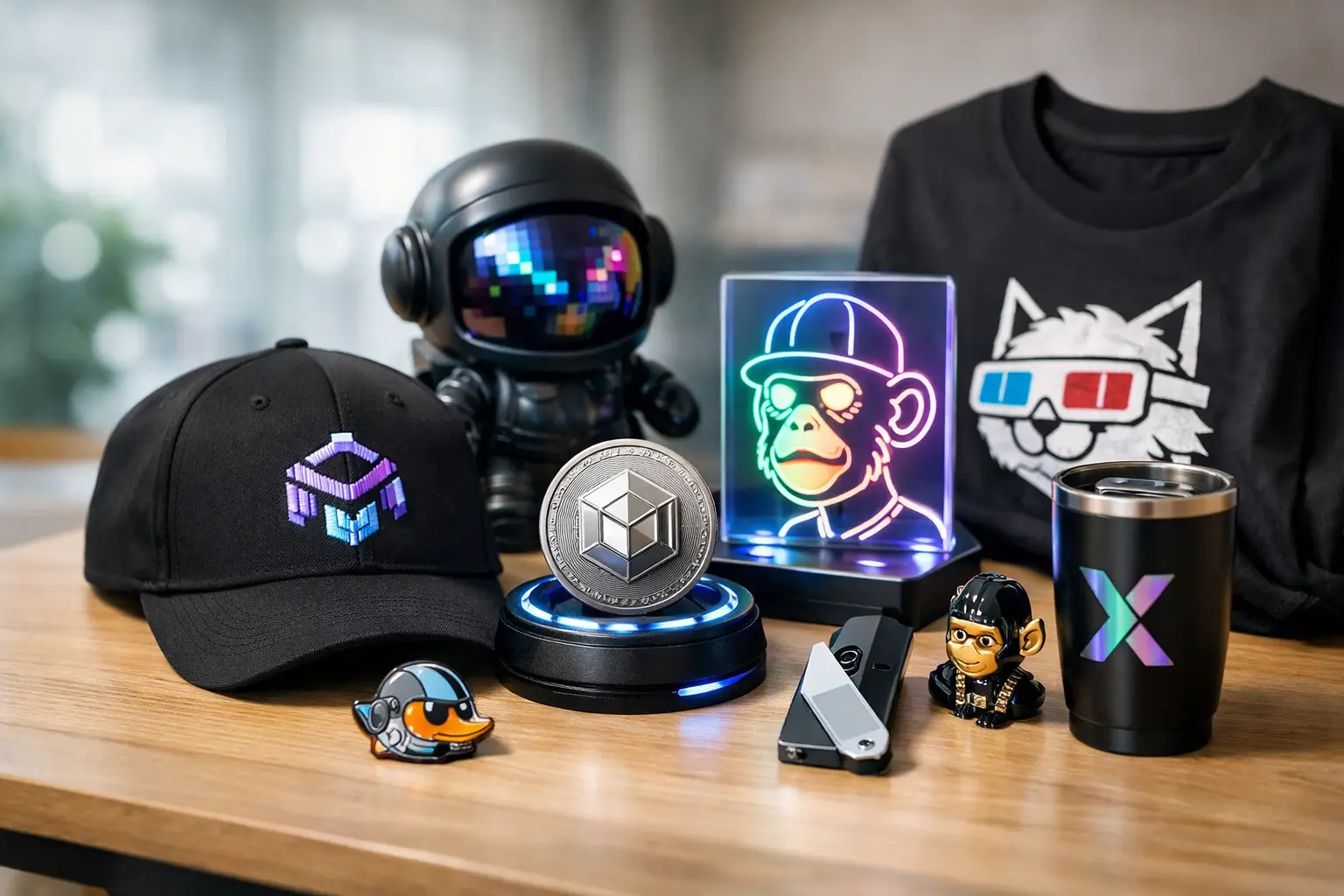
Patches and stickers are smaller, but their cultural value is huge. They let collectors build a personal archive across bags, jackets, laptops, notebooks, travel cases, and gear. Think of them as modular identity markers: low-cost, easy to gift, and strong when layered over time.
A patch has more staying power than a temporary feed post. Add one to a vintage jacket or backpack, and it becomes part of a piece you already own. Stickers are even more flexible, especially for collectors who want to rep a community at their desk or on the move without committing to a full outfit.
These items are not usually the crown jewel of a drop. They are the connective tissue. They work best when paired with a larger purchase or released as a collectible series with consistent art direction.
5. Caps and Bags That Work Beyond the Drop
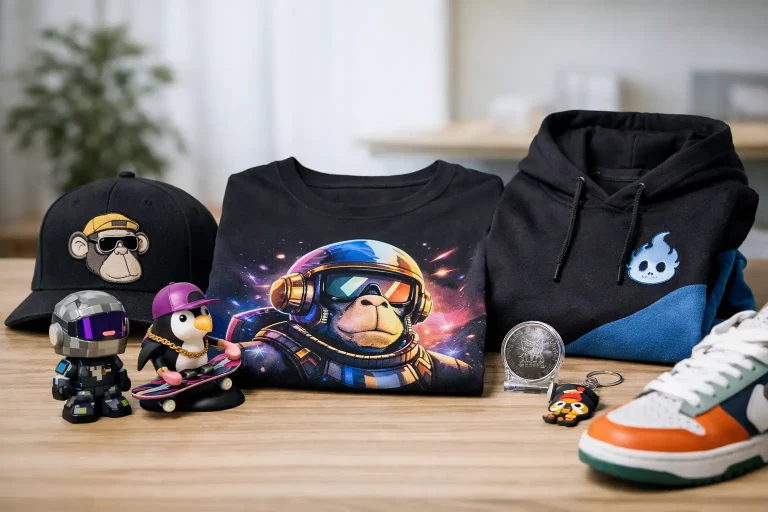
Accessories are the smart choice for collectors who want daily utility with a lighter visual footprint. A cap with a clean embroidered mark, a tote with standout artwork, or a crossbody bag with a community graphic can fit into more looks than a loud all-over print.
Caps are especially effective for projects with iconic symbols or strong typography. Keep the design clean and the signal gets stronger. Bags, meanwhile, have room for bolder graphics and offer a practical reason to carry the culture into real life.
The key is durability. A bag is not collectible if its straps fail after a few trips, and a cap is not a staple if the shape feels off. Utility creates longevity, which is what turns merch into a personal artifact instead of a one-week purchase.
6. Mugs, Blankets, and Home Pieces for the Private Collection
Collectors do not only express identity in public. Home goods make digital culture feel lived-in. A mug can become part of a daily ritual. A blanket can add a controlled hit of personality to a room. These pieces are quieter than streetwear, but they often get more consistent use.
They are also a strong option for collectors buying gifts for fellow holders, artists, or community friends. Sizing is not a concern, and the item can still feel personal when it comes from an authentic collaboration.
Choose home merch when the artwork has atmosphere. Illustrated worlds, iconic characters, and graphic patterns tend to translate better than overly technical token references. The goal is something you would still want in your space even when the conversation is not about Web3.
How to Build a Merch Collection Without Chasing Everything
Collecting every release is not the same as collecting well. Start with the communities that genuinely mean something to you, then choose one hero item from each. A hoodie from the project that brought you into the space, an art print from a creator whose work you follow, and a patch or cap from a community you meet up with can tell a much better story than a stack of impulse buys.
It also helps to separate wearable pieces from display pieces. Wearables should fit your actual wardrobe and lifestyle. Display pieces can be more experimental, louder, or more sentimental. That distinction keeps your collection useful while leaving room for the rare designs you simply want to own.
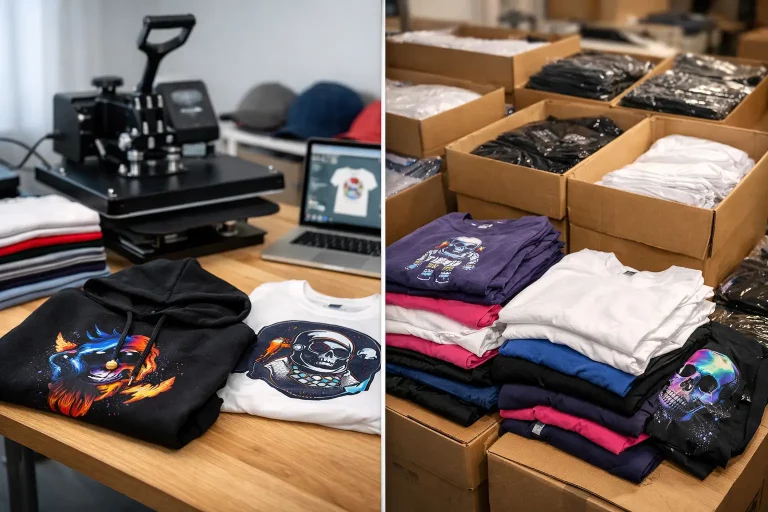
Production model matters, too. On-demand merch may not carry the same numbered-edition logic as a tightly capped release, but it can reduce waste and make official designs accessible to a global community. Limited drops create urgency; made-to-order pieces create flexibility. Neither is automatically better. It depends on whether you are buying for rarity, wearability, or both.
At NFT Merch, the point is not to dress like everyone else who owns a wallet. It is to wear the art, projects, and communities that actually shaped your corner of the internet. Pick the pieces that feel true to your collection, wear them hard, and let the right people recognize the signal.