Web3 Fashion for Collectors That Actually Hits
The weak stuff is easy to spot. Generic crypto tees, random token logos, zero story, no connection to the culture. Real web3 fashion for collectors plays a different game. It takes digital identity, community status, and artist credibility, then turns them into pieces you’d actually want in rotation – not just merch you wear once to prove a point.
That shift matters because collectors are not shopping like casual fans. They’re looking for signal. They want something that reflects what they hold, what they back, and where they belong. In Web3, your wallet says one thing. Your fit can say the rest.
What web3 fashion for collectors really means
At its best, Web3 fashion is not about slapping an NFT on a hoodie. It’s about translating digital ownership into physical culture. That can mean apparel tied to a recognized NFT project, a limited collaboration with a digital artist, or a drop that carries the same scarcity logic collectors already understand on-chain.
For collectors, the appeal goes beyond wearing a design you like. The piece becomes a social layer. It tells other people you were early, you know the artist, you’re part of the community, or you care enough to own the physical expression of a digital movement. That is very different from mainstream fandom merch.
Streetwear has always worked like this. Scarcity, insider knowledge, and community recognition have always mattered. Web3 just gives those signals new infrastructure. The result is fashion that feels native to internet culture but lands in the real world with weight.
Why collectors care about physical pieces now
There was a time when digital flex was enough. Profile pictures, wallet screenshots, token-gated access, private channels – that was the whole language. But culture doesn’t stay trapped on a screen forever. The strongest communities always build rituals, objects, and uniforms.
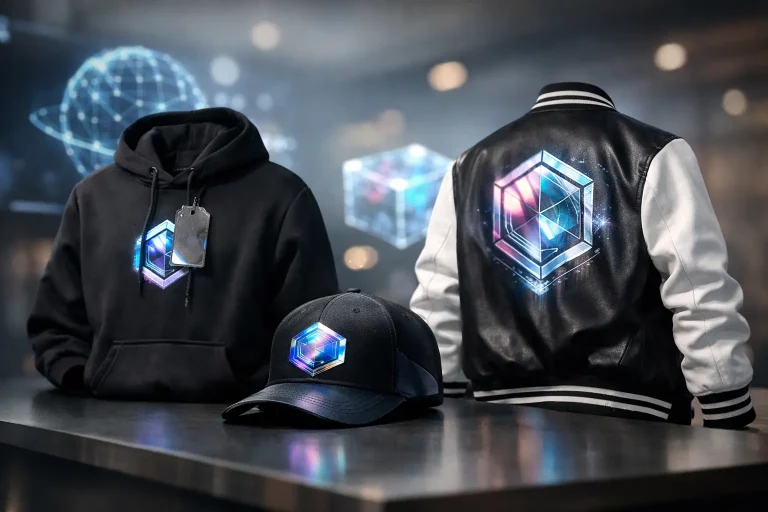
That’s why physical merch has become more than an add-on. For a collector, the right jacket, hoodie, or cap can work like a receipt and a badge at the same time. It brings online affiliation offline. It creates instant recognition at events, meetups, and in everyday life. And unlike a floor price, it gives you value you can actually wear.
There’s also a practical angle. Digital assets can be volatile. Physical goods are different. They won’t replace the value of a collectible token, but they can hold cultural value in a more stable, tactile way. A well-made piece from a respected project or artist often lasts longer in a wardrobe than hype lasts in a timeline.
The difference between merch and collectible fashion
Not every branded item deserves collector attention. Some pieces are just promotional. Others are built to live longer.
Collectible fashion usually starts with authenticity. If the brand relationship is weak, unofficial, or visually lazy, collectors notice fast. The strongest pieces come from recognized projects, legit artist collaborations, or drops with a clear story behind them. That provenance matters because Web3 audiences are trained to question what is real and what is derivative.
Design is the next filter. A collectible piece should stand on its own even if someone doesn’t know the project behind it. That doesn’t mean hiding the Web3 connection. It means expressing it with taste. Good design turns insider culture into wearable form. Bad design turns a community into a billboard.
Quality matters just as much. A limited item with poor fabric, weak print quality, or cheap construction loses its aura fast. Collectors care about rarity, but they also care about whether the piece feels premium when it arrives. If it doesn’t feel worth owning, scarcity alone won’t save it.
How to judge web3 fashion for collectors before you buy
The smartest buyers look at a few things before they check out. First, ask whether the item is connected to a real community with staying power. A hot project can cool off quickly, but communities with strong art, identity, and loyal holders tend to produce merch that ages better.
Second, look at the creative direction. Does the design feel considered, or was it pushed out to cash in on a trend cycle? Collector-grade fashion usually has stronger visual language, better silhouettes, and more confidence in what it is. It doesn’t beg for attention. It carries it.
Third, think about wearability. Some pieces are best kept as archive items. Others deserve heavy rotation. There’s no wrong answer, but it helps to know which game you’re playing. If you want a daily hoodie, durability and fit matter more. If you want a collectible object, exclusivity and drop significance may matter more.
Then there’s fulfillment. This gets overlooked, but it should not. Even in a culture built on speed, nobody wants mystery sizing, sloppy production, or sketchy delivery. Trust matters. Clear product details, solid production standards, and reliable shipping turn interest into repeat buying.
The role of scarcity, without the fake hype
Scarcity works in Web3 because collectors understand it instinctively. Limited supply can create value, but only when the item actually deserves attention. Forced rarity with no design quality and no community backing just feels cheap.
The better approach is controlled access tied to something real – a collaboration, a timed release, a project milestone, or artist-led storytelling. In those cases, scarcity amplifies meaning instead of replacing it.
This is where Web3 fashion gets interesting. A piece can carry multiple layers of value at once. It can be wearable, collectible, culturally relevant, and personally symbolic. But the balance matters. If a brand leans too hard into hype, it burns trust. If it ignores exclusivity completely, it loses collector energy. The sweet spot is merchandise that feels obtainable enough to buy and rare enough to matter.
Why design language matters more than logos
Collectors are getting more selective. Early crypto fashion often relied on obvious references – giant token marks, loud slogans, and meme-heavy graphics. Some of that still works for the right audience, but the market has matured.
Now, the strongest pieces often use subtler cues. They borrow from streetwear codes, artist signatures, community iconography, and design systems that fans recognize instantly without needing to explain them to everyone else in the room. That creates a better kind of exclusivity. Not louder. Smarter.
For collectors, this kind of design also has longer shelf life. It feels closer to fashion and less like event merch. That matters if you want pieces that stay relevant after one market cycle.
Where Web3 fashion fits in a collector’s portfolio
Not every purchase needs to be treated like an investment, and fashion definitely should not be judged by resale potential alone. Still, collectors naturally think in categories: what to wear, what to archive, what to gift, what to hold onto because it marks a moment.
Web3 fashion fits all four. A daily-wear tee or hoodie can become part of your identity. A limited collaboration can sit in your collection as a cultural artifact. A branded accessory can be an easy on-ramp for someone entering the community. And a special drop from a respected artist or project can become the kind of piece people remember later.
That said, it depends on what you value. If you care most about flex, you’ll chase scarce drops. If you care most about design, you’ll prioritize creative direction. If you care most about community alignment, authenticity will beat hype every time.
Buying with taste beats buying with FOMO
Collectors know the feeling of moving fast. Sometimes that instinct is right. Sometimes it fills closets with pieces that looked better in the drop post than they do in real life.
The smarter move is to buy with a clear filter. Does the item represent a community or artist you actually believe in? Does the design hold up outside the context of the launch? Would you still want it if nobody asked where it came from? If the answer is yes, that’s usually a stronger buy.
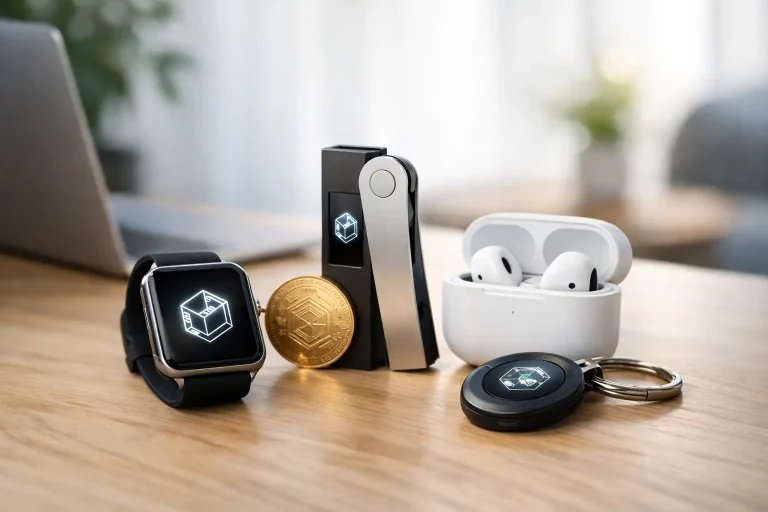
This is also why curated platforms matter. When the product mix is built around recognized NFT brands and credible artists, the noise drops and the signal gets clearer. That’s the difference between browsing random crypto apparel and shopping a real expression of Web3 culture. NFT Merch sits in that lane – built for people who want the physical side of digital ownership to feel authentic, wearable, and worth collecting.
Web3 moves fast, but good taste still compounds. The best pieces don’t just reference the culture. They carry it. If you’re buying as a collector, chase the items that feel true when the timeline goes quiet.