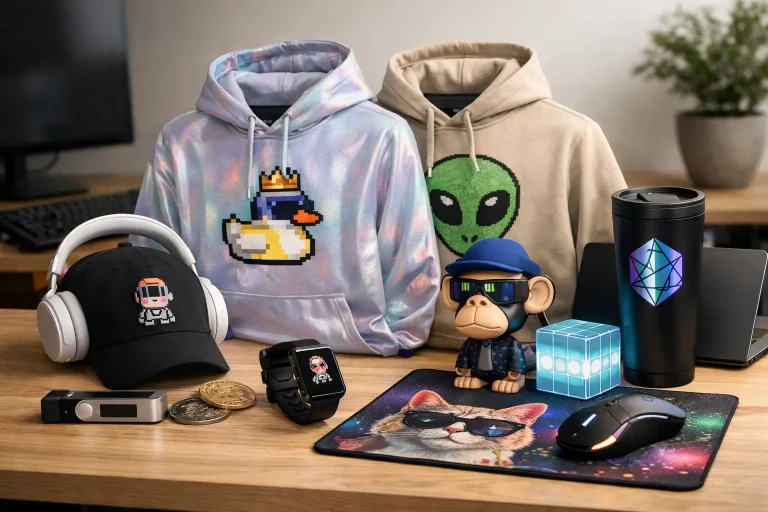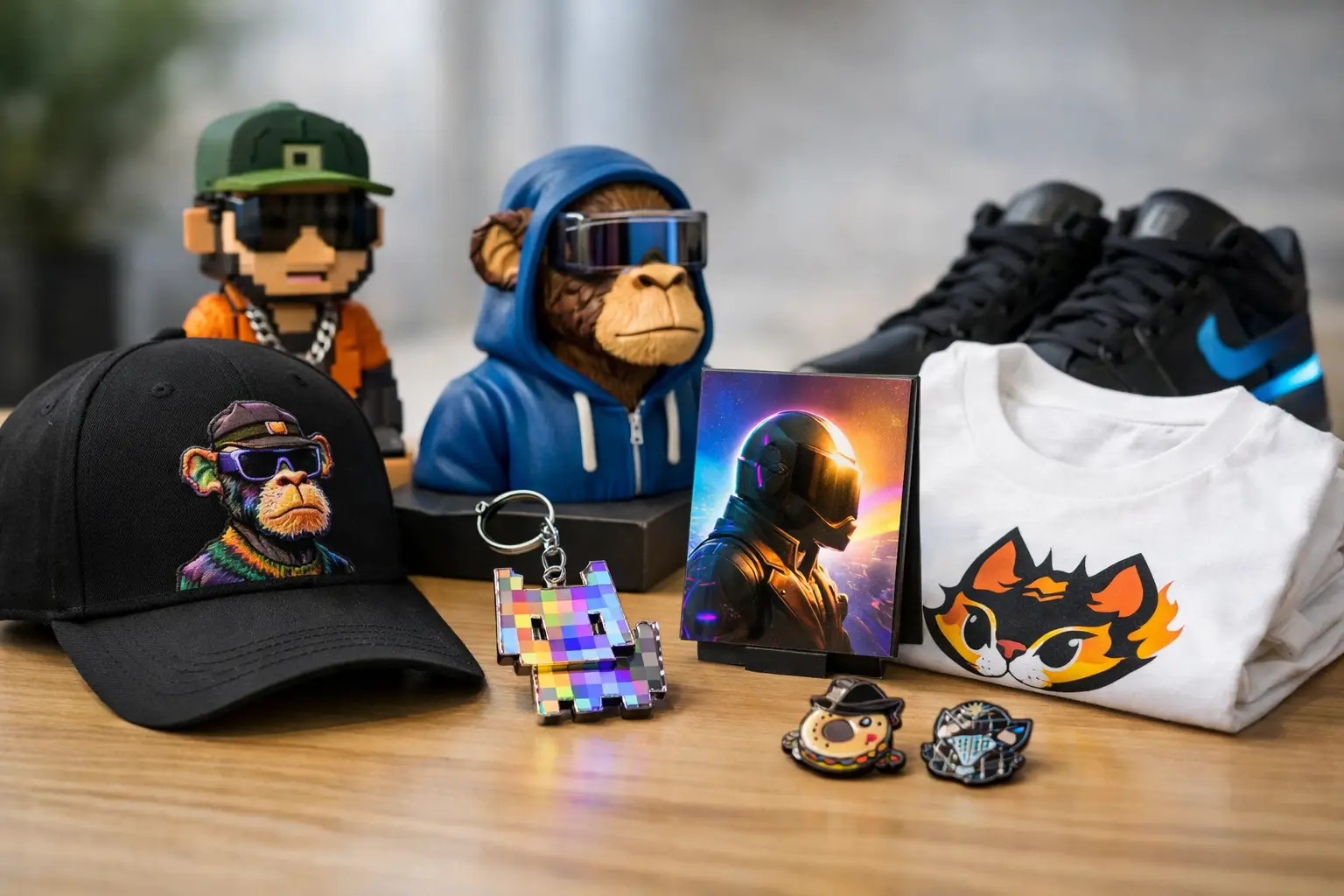
7 Best NFT Merch Brands Right Now
Streetwear hits different when it means something. In Web3, the best nft merch brands are not just printing logos on blanks – they are turning community status, digital identity, and collector culture into pieces people actually want to wear, post, and keep.
That is the real split in this market. Some brands feel like cash grabs built for hype cycles. Others understand the assignment. They know merch has to do more than reference an NFT collection. It has to carry the project’s visual language, social energy, and sense of belonging into the physical world.
What separates the best NFT merch brands
The strongest players in this space do three things well. First, they build around recognized communities instead of random crypto aesthetics. Second, they treat merch like fashion and collectible product design, not disposable promo stock. Third, they make buying easy enough for global audiences who expect fast ecommerce, flexible payments, and no friction.
That last point matters more than people admit. A project can have elite art and a loyal holder base, but if the merch looks generic or the store experience feels sketchy, the drop loses momentum fast. Web3 buyers still want quality fabric, clean printing, strong fit, and clear fulfillment timelines. Decentralized culture does not cancel basic retail standards.
7 best NFT merch brands worth watching
1. Bored Ape Yacht Club
BAYC set the tone for how NFT IP could move into lifestyle. Its merch works because it is not trying to convince outsiders. It is built for insiders who already understand the cultural weight of the brand. That gives the apparel confidence.
The strongest BAYC pieces usually lean into club signaling rather than overexplaining the art. When the branding is tight, it feels exclusive in the right way – less souvenir, more membership uniform. The trade-off is obvious, though. BAYC merch is powerful if you are in that orbit. If you are not, it can read as status-coded and inaccessible by design.
2. Pudgy Penguins
Pudgy Penguins is one of the clearest examples of NFT branding that translates well beyond the timeline. The visual identity is playful, recognizable, and flexible enough to work across apparel, accessories, and collectible items without losing coherence.
That range matters. A good NFT merch brand should be able to move from hoodies to everyday lifestyle product without feeling forced. Pudgy Penguins has that advantage because the characters are soft, expressive, and mainstream-friendly. The upside is broad appeal. The downside is that some hardcore Web3 buyers may want something sharper and more underground.
3. Doodles
Doodles wins on art direction. Its color palette, line work, and character system already feel merch-ready, which gives the brand a head start most projects do not have. When Doodles gets the product right, the result feels closer to artist-led fashion than standard fan merch.
This is where many collections fail. Great PFP art does not always become great clothing. Doodles has a visual system that can survive the transition. The only catch is that highly stylized design can sometimes favor statement pieces over daily wear. If your style is muted or monochrome, not every drop will land.
4. Cool Cats
Cool Cats sits in a useful lane between collectible culture and wearable casual design. The branding is recognizable, but it does not always need to scream for attention. That makes the merch easier to integrate into a real wardrobe.
For buyers who want NFT affiliation without looking like they got dressed by a Discord server, that balance is a plus. Cool Cats tends to work best when it keeps things clean and lets the community references do the talking. If it leans too heavily into novelty, the pieces can lose that everyday appeal.
5. Azuki
Azuki has one of the strongest fashion cases in the NFT space because its brand language already overlaps with streetwear, anime influence, and collector aesthetics. It understands silhouette, mood, and image-building. That gives its merch more credibility than projects that treat apparel as an afterthought.
What makes Azuki stand out is the fit between audience and product. The people drawn to the project are often already fashion-aware, so the merch has to meet a higher standard. When it does, it feels culturally aligned. When it misses, the audience notices fast. That is the price of operating in a more style-literate lane.
6. World of Women
World of Women shows how mission-driven branding can still produce strong merch when the design stays intentional. The project’s strength is not just in the art itself, but in the values and community story attached to it. For many buyers, wearing that brand is part expression, part alignment.
That creates a different kind of purchase motivation from pure flex culture. It is less about proving access and more about backing an identity and a movement. The challenge is making sure the products still feel elevated. Value-led merch only works long term if the design quality keeps pace with the message.
7. Curated Web3 merch platforms
Not every great brand experience comes from a single NFT project running its own store. Some of the best nft merch brands now emerge through curated platforms that partner with established collections and digital artists, then translate those identities into premium physical product categories.
This model has real advantages. It gives buyers one place to discover multiple communities, compare aesthetics, and shop across categories like hoodies, tees, posters, caps, bags, and accessories. It also tends to create stronger consistency in fulfillment and product quality. A curated platform like NFT Merch can work especially well for shoppers who want authentic Web3 collaborations without hunting across fragmented project sites.
Why some NFT merch feels legit and some feels cheap
It usually comes down to intent. Weak merch starts with a logo and asks what blank to slap it on. Strong merch starts with the culture and asks how that culture should look, fit, and live offline.
That difference shows up everywhere. In graphic placement. In the choice between heavyweight fleece and a thin promo hoodie. In whether the collection feels like a coordinated drop or a random pile of SKUs. The best brands understand that physical product is part of world-building.
They also understand scarcity without abusing it. Exclusivity works in Web3 because people care about access and early participation. But fake urgency gets old. If every drop is framed like a once-in-history event, buyers stop listening. Better merch brands let the design and partnership do the heavy lifting.
How to spot the best NFT merch brands before you buy
Start with the obvious question: is the brand actually connected to the project or artist? In Web3, unofficial merch floods the market fast. If the collaboration is not clearly tied to the original IP, you may be buying watered-down culture in a decent mockup.
Next, look at product range and coherence. A serious merch brand does not need to sell everything, but what it does sell should make sense together. If the tees, outerwear, posters, and accessories all feel like they come from different universes, that is usually a warning sign.
Then check how the brand handles production and fulfillment. On-demand manufacturing can be a strength because it reduces waste and opens up broader access, but only if expectations are clear. Buyers should know what they are getting, when it ships, and how quality is managed. Hype can drive the first purchase. Trust gets the second.
Finally, ask whether you would wear it if nobody asked what collection it came from. That is the cleanest test. If the answer is no, it is probably not top-tier merch.
The future of the best NFT merch brands
The next wave is not about printing more token art on more shirts. It is about stronger creative direction, better product architecture, and tighter links between digital ownership and physical access. Think verified collabs, limited artist capsules, better blanks, and merch that can stand beside mainstream streetwear instead of leaning on Web3 novelty.
The brands that win will be the ones that respect both sides of the equation. They will understand crypto-native community behavior, but they will also know how fashion, retail, and product storytelling work in the real world. That mix is rare, which is exactly why the category is still wide open.
For collectors, holders, and culture-led shoppers, that is good news. It means the best pieces are still ahead. Wear the projects that mean something, but be selective – the strongest NFT merch does not just show what you own, it shows what you are part of.