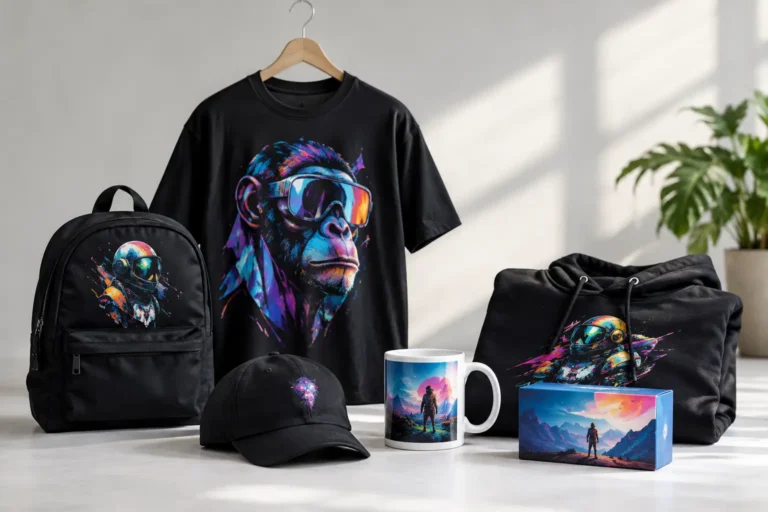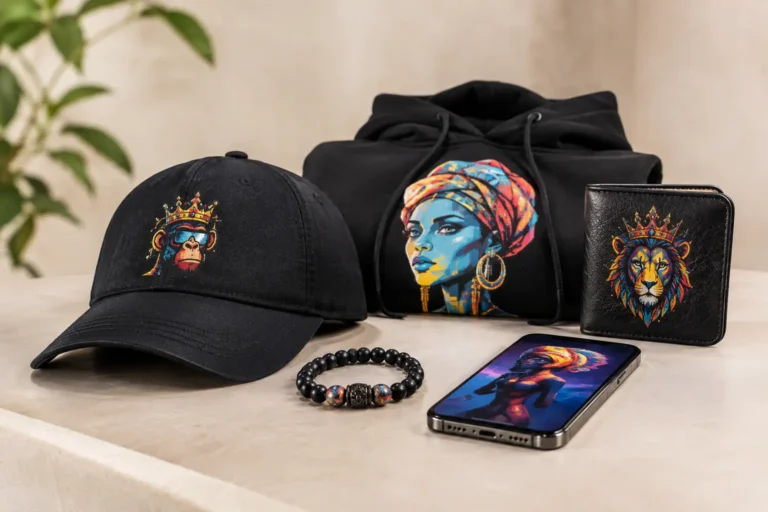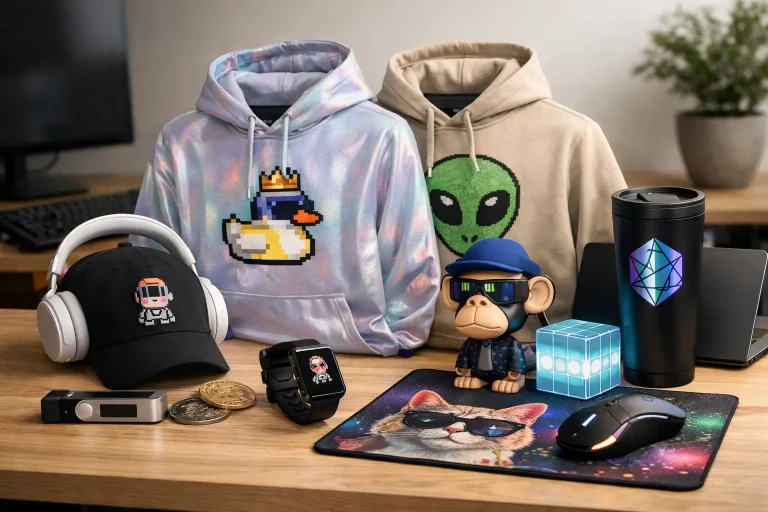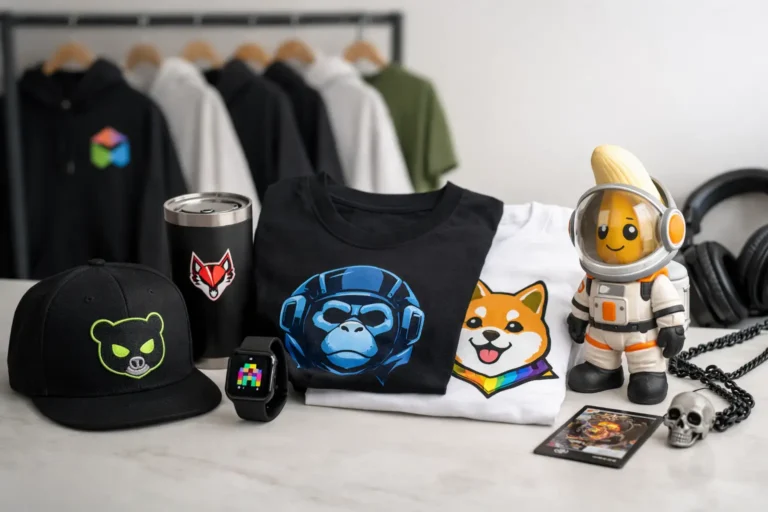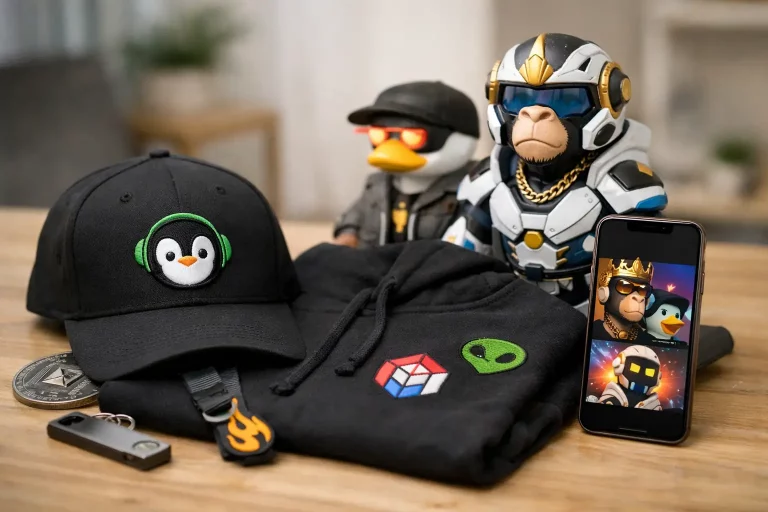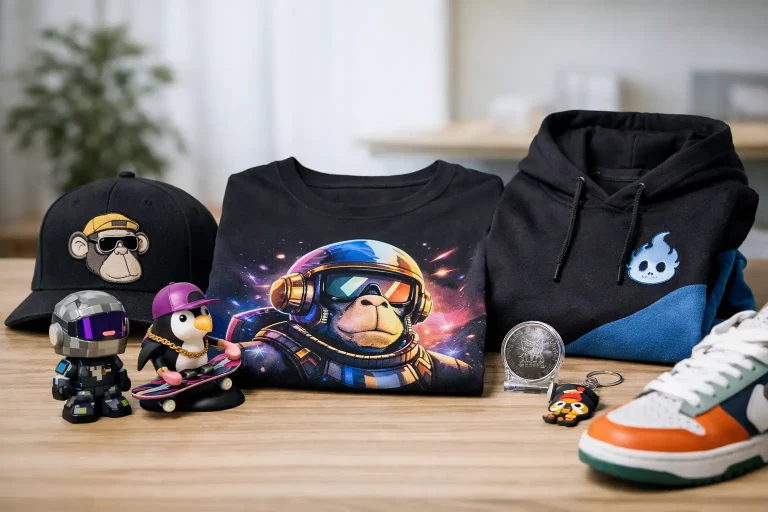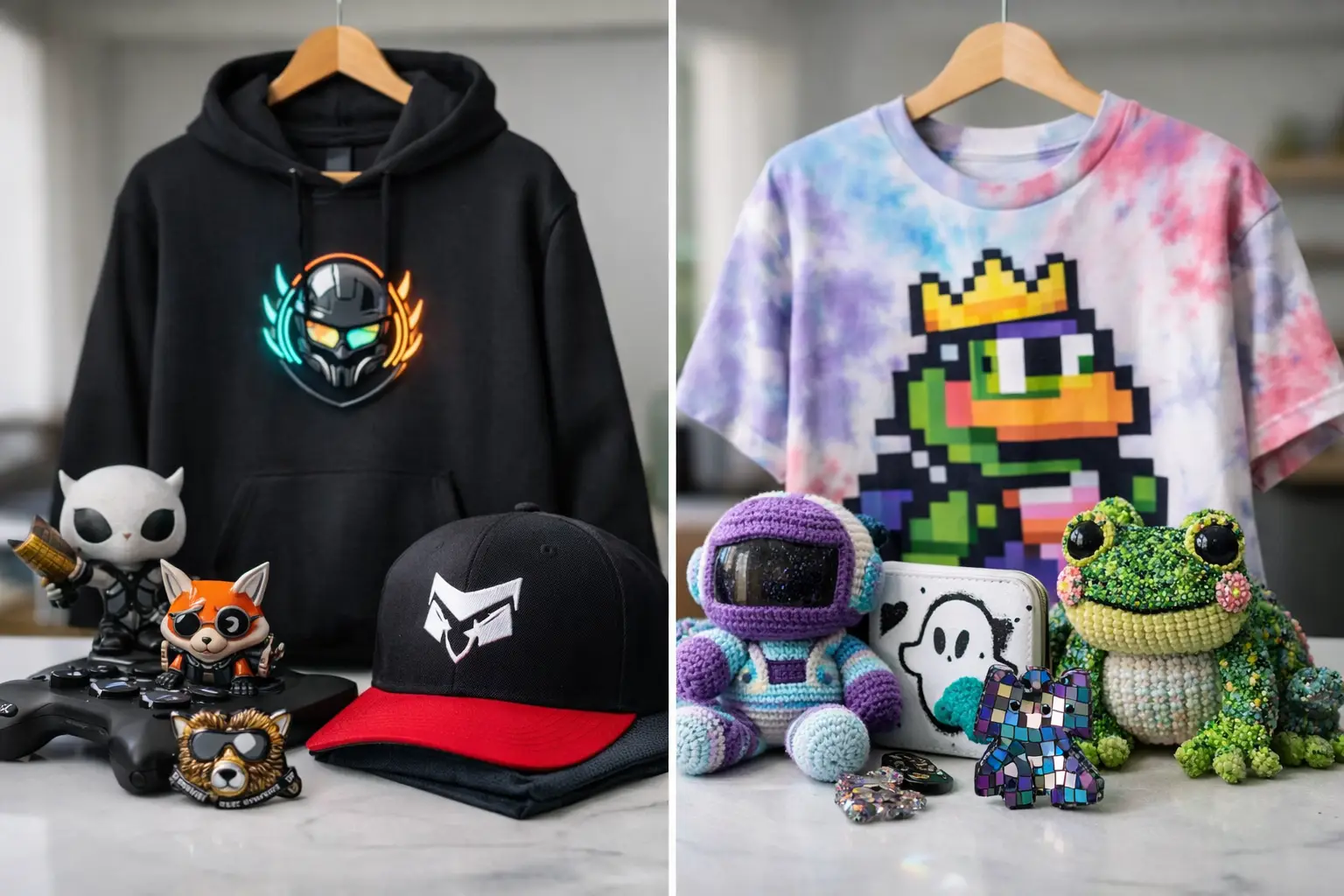
Official Merch vs Fan Merch Explained
That rare hoodie drop hits your feed, the art looks clean, and the comments are full of people asking if it’s legit. That moment is exactly where official merch vs fan merch stops being a small detail and starts becoming the whole game. In Web3, what you wear is more than fabric – it’s proof of taste, community alignment, and whether you’re repping the culture or just borrowing the look.
Why official merch vs fan merch matters in Web3
In most categories, unofficial merch can feel like a cheaper alternative. In NFT culture, it carries more weight than that. Merch is identity signaling. It connects your wallet-era presence to the real world. If a piece claims a project, artist, or community, people want to know whether that claim is real.
Official merch is licensed, approved, or directly released by the project, artist, or rights holder. Fan merch is created by supporters, independent designers, or resellers without that formal approval. Sometimes fan-made pieces are clever, original, and visually strong. But they do not offer the same connection to the source, and in a community built around provenance, that gap matters.
That doesn’t mean fan merch is automatically bad. It means the value proposition is different. One is about authorized affiliation. The other is about interpretation.
What makes merch official?
Official merch usually starts with permission. The project owner, NFT brand, artist, or community leadership has approved the designs, the use of logos, or the release itself. That approval can show up in a direct brand store, a named collaboration, or a curated retail partner working with the rights holder.
For buyers, that approval changes the product. It often means brand standards, better consistency, and a clearer chain between the original digital identity and the physical item. If you’re buying merch tied to a recognized NFT collection, the official version is usually the one designed to protect the brand image, respect the artwork, and represent the community correctly.
There’s also a status layer here. Official pieces can carry the same social meaning as being early to a mint or holding through the noise. They signal proximity to the source. In communities where access and authenticity matter, that has real value.
Official merch is usually stronger on trust
Trust is the first advantage. If the merch is official, buyers can expect a more reliable answer to basic questions. Is the artwork authorized? Is the logo being used correctly? Does the quality match the brand? Is this drop actually tied to the project everyone thinks it is?
You can still get burned by weak official merch if the execution is lazy. A license alone does not guarantee great design. But official status usually gives buyers more confidence that the product is what it claims to be.
Official merch often has better long-term value
Not every hoodie becomes collectible, and not every cap deserves a resale market. Still, official pieces tend to hold more cultural value over time because they are tied to the brand’s actual history. A collab drop, artist-approved run, or limited community release has a story that fan merch usually can’t replicate.
That matters if you collect physical items the same way you collect digital assets. Provenance is part of the appeal.
Where fan merch fits in
Fan merch exists because communities are creative. People remix culture. They make tribute pieces, meme-driven graphics, parody designs, and hyper-niche references that official stores might never touch. In fast-moving internet culture, fan merch can feel more raw, more experimental, and more plugged into the joke.
That freedom is its biggest strength. Fan creators can respond faster than formal brands. They can lean into humor, deep-cut references, or aesthetics that an official partner might avoid for legal or brand reasons. For some buyers, that energy is the whole point.
But there’s a line between inspired by and pretending to be. If a seller presents fan merch in a way that implies authorization when none exists, that’s where the problem starts. The design might still look good, but the trust breaks.
Fan merch can be creative, but it’s less consistent
The fan merch market is wide open. That means quality is all over the place. Some creators care deeply about garment selection, print detail, and packaging. Others are moving fast with generic blanks and borrowed artwork. You often won’t know which version you’re getting until it shows up at your door.
There’s also the issue of design discipline. Official merch usually has a brand system behind it. Fan merch can range from brilliant to chaotic. That may be part of the appeal if you like underground energy, but it’s still a trade-off.
Official merch vs fan merch on quality, rights, and status
This is where buyers should get practical. The difference is not only legal. It affects the whole experience.
On rights, official merch wins clearly. It has permission. That matters if you care about supporting the actual project, artist, or IP holder. Fan merch may support an independent creator, which can be valuable in its own way, but it usually does not financially benefit the original brand.
On quality, it depends. Official merch often has better standards because the brand’s reputation is on the line. Fan merch can still be high quality, but the range is much wider and riskier. If there is no clear information about materials, print method, fit, or fulfillment, assume inconsistency.
On status, official merch carries more weight in most Web3 circles. If the drop is known, licensed, or tied to a recognized collab, people read it differently. It signals authenticated belonging. Fan merch may still get respect if the design is smart or culturally sharp, but it usually won’t carry the same credibility.
On price, fan merch can be cheaper. That can make it tempting, especially for buyers who just want the visual style. But if the lower price comes from weak blanks, poor print durability, or questionable sourcing, it may not be value at all.
How to tell if merch is official
You do not need a forensic team to spot the difference, but you do need to slow down. Start with the seller. Are they clearly connected to the NFT brand, artist, or project? Is the release presented as a partnership, licensed drop, or approved collection? Do they name the brand relationship directly, or do they hide behind vague wording?
Next, look at the product language. Official merch usually speaks with confidence and specificity. It names the project, the collab, or the release context clearly. Fake-official listings tend to lean on buzzwords and community aesthetics without proving the connection.
Then check the design itself. Misused logos, distorted artwork, inconsistent brand colors, and low-effort mockups are obvious warning signs. So is a product lineup that feels random, with every possible item type thrown in just to catch search traffic.
Finally, pay attention to how the merch is sold. Serious official merch operations usually provide clearer product details, fulfillment expectations, and brand context. In a space where identity matters, vague stores feel off for a reason.
When fan merch might still be worth buying
There are cases where fan merch makes sense. If the design is clearly transformative, openly presented as unofficial, and made by a creator whose style you genuinely want to support, it can be a valid buy. In some communities, fan art and community-made apparel are part of the culture.
The key is transparency. If you know it is fan-made and you’re buying it for the creator’s interpretation, that is a different decision from buying something because you think it is officially tied to the brand. Problems happen when those two things get blurred.
For collectors and holders who care about authenticity, fan merch usually works best as an extra piece, not the core one. It can complement your collection, but it rarely replaces the value of authorized gear.
The better question is what you want your merch to say
If your goal is simple visual style, fan merch may be enough. If your goal is to represent a project, wear an artist-approved design, or own a piece that reflects actual community legitimacy, official merch is the stronger move.
That difference matters more in Web3 than in almost any other category because the culture runs on ownership, receipts, and source credibility. The same mindset that makes provenance matter in digital assets carries over to apparel. You’re not just buying a graphic. You’re choosing what kind of connection that graphic proves.
At NFT Merch, that’s the whole point of the category. Physical products should feel worthy of the brands and communities behind them, not like generic prints chasing a trend cycle. When merch is done right, it turns digital identity into something you can actually wear.
The smartest buy is the one that matches your intent. If you want to own the culture instead of orbit it, choose the piece with a real connection behind it.