Guide to NFT Merch Sizing: Get the Right Fit
Your wallet might prove you were early. Your fit is what makes the signal visible in real life. This guide to NFT merch sizing is built for collectors and community members who want their tees, hoodies, and accessories to hit with intention, not arrive as a sizing gamble.
Streetwear is not one uniform silhouette. A heavyweight tee can be designed to sit wide and cropped. A hoodie can be made for a clean true-to-size fit or a roomier layer-ready shape. On-demand production also means each product has its own cut, so the size you buy in one item category should not become an automatic rule for the next.
The move is simple: use the product size chart, compare it with a piece you already wear on repeat, and choose based on the look you want to represent.
Guide to NFT Merch Sizing: Start With Your Fit Intent
Before checking a number, decide how you want the garment to wear. That choice matters more than chasing a label marked S, M, L, or XL. Size labels are shorthand. Measurements tell the real story.
A true-to-size fit keeps the silhouette clean. It works for everyday logo tees, fitted long sleeves, crewnecks worn under a jacket, and pieces where you want the art front and center without extra volume. Choose this direction when your favorite current shirt already fits close through the shoulders and chest without pulling.
An oversized fit creates the relaxed streetwear profile many Web3 communities gravitate toward. Think dropped shoulders, more room across the body, and enough length to layer over another tee. Going up one size can achieve that look on a standard cut, but only if the measurements support it. A garment that is simply longer is not always more oversized. It may just look off-balance.
For hoodies and sweatshirts, factor in what lives underneath. If you plan to wear a tee or thermal under your hoodie, a little extra chest room can make the difference between an easy layer and a restrictive one. If you want a sharp, lighter-weight hoodie fit, stay closer to your usual measurements.
Read the Size Chart Like a Collector
Every product page has a size chart for a reason. Use the chart for that specific item, even when you have bought merch from the same store before. Blank garment suppliers, product cuts, and manufacturing locations can vary between a relaxed tee, a premium hoodie, shorts, and sweatpants.
The most useful measurements are usually chest width, body length, sleeve length, waist, inseam, and hip width. Not every item will list every measurement, but chest and length are the core signals for tops, while waist and inseam lead the decision for bottoms.
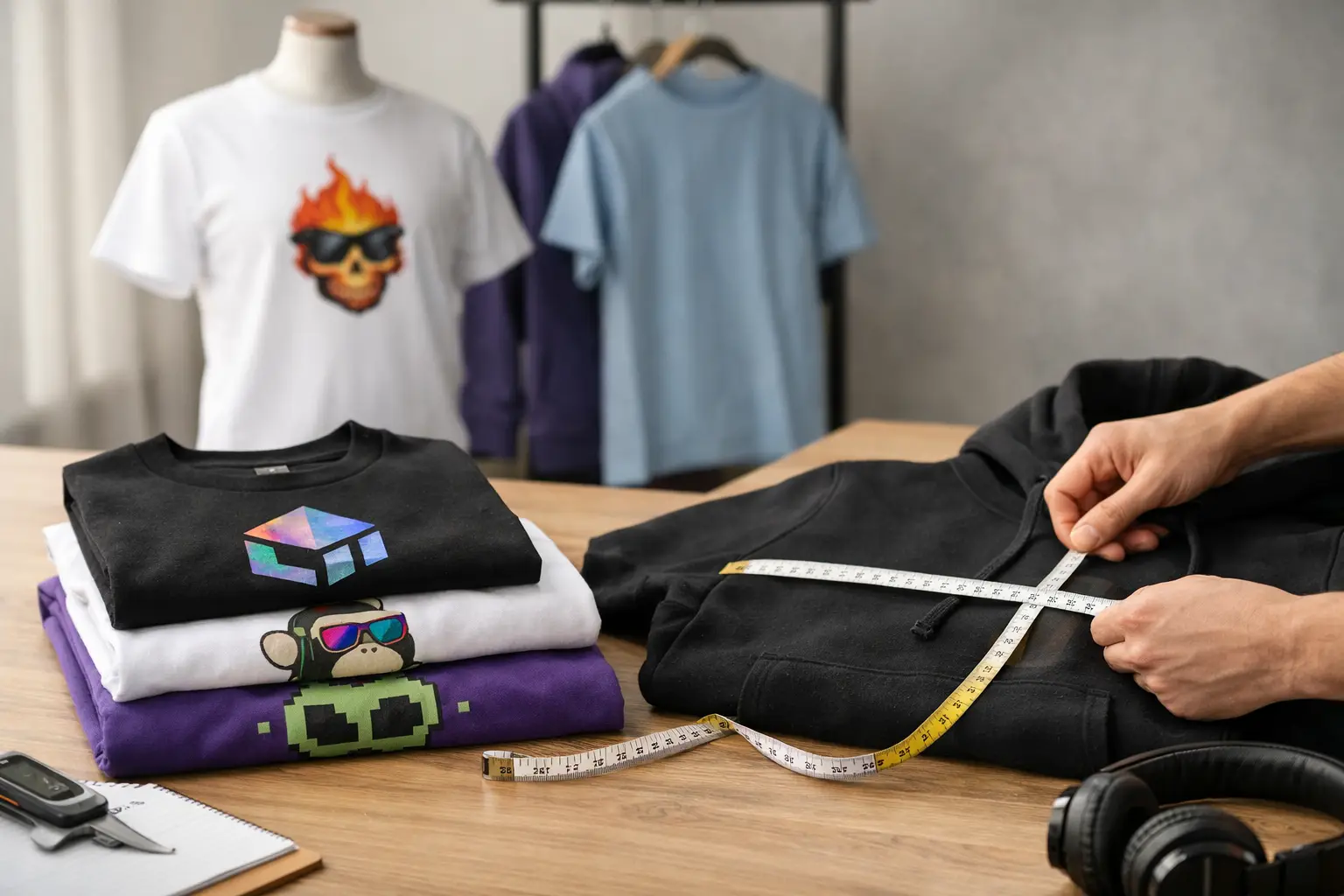
Do not measure your body and expect an exact one-to-one match with a garment chart. The cleaner method is to grab a shirt, hoodie, or pair of pants you already love. Lay it flat on a table without stretching it, then measure it across. Compare those numbers directly with the listed garment dimensions.
For tops, measure across the chest from armpit to armpit. Double that number only if you are comparing it with a full chest circumference measurement. For body length, measure from the highest point of the shoulder down to the hem. For bottoms, measure the waistband flat across, then check the inseam from the crotch seam to the leg opening.
This takes five minutes and beats guessing every time. Your favorite fit is better data than a generic size label.
Know what the numbers are telling you
Chest width determines how much room you have through the torso. If a shirt feels tight when you reach forward or sit down, chest width is usually where the mismatch started. Body length shapes the overall proportion. Taller wearers may need more length even when their chest measurement falls into a smaller size.
Sleeve length changes the attitude of a garment more than people expect. Longer sleeves read relaxed and substantial, especially on heavyweight tees. Shorter sleeves tend to feel cleaner and more athletic. Neither is better. The right choice depends on the silhouette you wear most.
With pants and shorts, waist measurements matter, but fabric and waistband construction matter too. Elastic waistbands offer more forgiveness than rigid woven styles. If you sit between sizes, choose based on your preferred fit: smaller for a closer profile, larger for a looser streetwear shape or extra room through the thigh.
How to Size NFT Tees, Hoodies, and Bottoms
T-shirts are the foundation of most merch rotations, which makes their fit worth getting right. If you want the graphic to feel like a daily uniform, start with the flat measurements of your best-fitting tee. For a more expressive oversized look, compare the next size up and make sure the added body length will still work with your proportions. A wider tee with only a modest increase in length often creates the best relaxed fit.
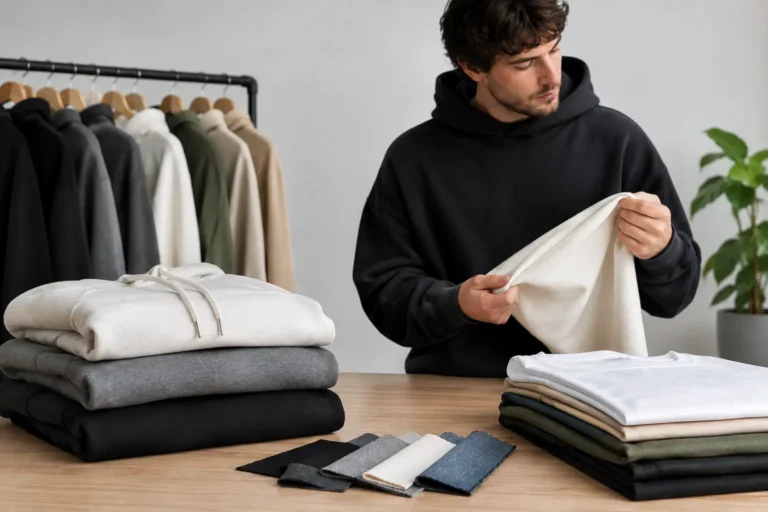
Heavyweight shirts can feel more structured than lightweight cotton, even when the measurements look similar. The material holds its shape, so it delivers a sharper boxy profile. Lightweight tees drape more and may feel less restrictive through the shoulders. Consider fabric weight alongside the chart, especially if you are deciding between a close and oversized fit.
Hoodies need a little more strategy. A standard fit hoodie in your usual size is the practical choice for daily wear, travel, and clean layering under outerwear. Size up if you want extra volume or intend to wear it as your main outer layer. Be cautious about sizing up two levels without checking body length. An intentionally oversized hoodie should look deliberate, not like it borrowed your whole closet.
Sweatpants and shorts should feel easy from the first wear. Check whether the item uses an elastic waistband, drawcord, or a more structured waist. If you are between sizes and prefer a stacked or baggier leg, lean larger. If you want a tapered fit that works with sneakers and a fitted tee, stay closer to your normal waist measurement.
Fit Changes Across Styles and Bodies
There is no universal correct size because there is no universal body shape. Broad shoulders, longer torsos, fuller hips, muscular thighs, and preferred styling all change the best call. That is not a flaw in the chart. It is exactly why the chart exists.
If you have broad shoulders, prioritize shoulder and chest space over a smaller body length number. A shirt that fits your chest but rides high at the hem can be fixed with a different cut, not necessarily a bigger size. If you are taller, check length first on tees, hoodies, and outer layers. A clean fit should move with you, not expose the waistband every time you reach for something.
For a gender-neutral or unisex garment, measurements are still the source of truth. Do not assume the label will match sizing from a gender-specific brand you have worn before. Compare it with a garment that gives you the silhouette you want, whether that is fitted, cropped, relaxed, or oversized.
Accessories Need Fit Checks Too
Apparel gets most of the sizing attention, but accessories deserve the same energy. Caps may use adjustable closures or fitted sizing, so review the product details before ordering. Bags should be chosen around what you actually carry: a phone and wallet need a different profile than a laptop, sketchbook, camera, or convention essentials.
For footwear, use the product-specific size guidance and measure a pair you already wear comfortably if the chart calls for it. Leave appropriate room at the toe, especially if you plan to wear thicker socks. With wearable culture pieces, comfort protects the look. Nobody remembers the flex if you are limping through the event.
The On-Demand Difference
NFT Merch products are produced on demand, which helps avoid excess inventory while letting the culture move at the pace of the community. It also makes choosing carefully before checkout a smart move. Production begins specifically for your order, so the size chart is not background information. It is part of the purchase decision.
Allow for minor measurement variation that can occur in garment production. If you are directly between two sizes, do not count on a tiny difference to solve a major fit preference. Pick the size that supports your intended silhouette with enough margin for normal variation, washing, and layering.
Before you claim your next piece, pull out the tee or hoodie that already earns the most wear. Measure it, match it to the product chart, and choose the fit that lets your digital identity show up exactly how you want it to.