How to Collect Artist Merch Without Buying Hype
A cracked concert tee can be a memory. A numbered print can be a signal. A hoodie from the right digital artist can say more about your corner of culture than a wallet full of screenshots. Knowing how to collect artist merch means building around the work, the community, and your own taste – not panic-buying every drop with a countdown timer.
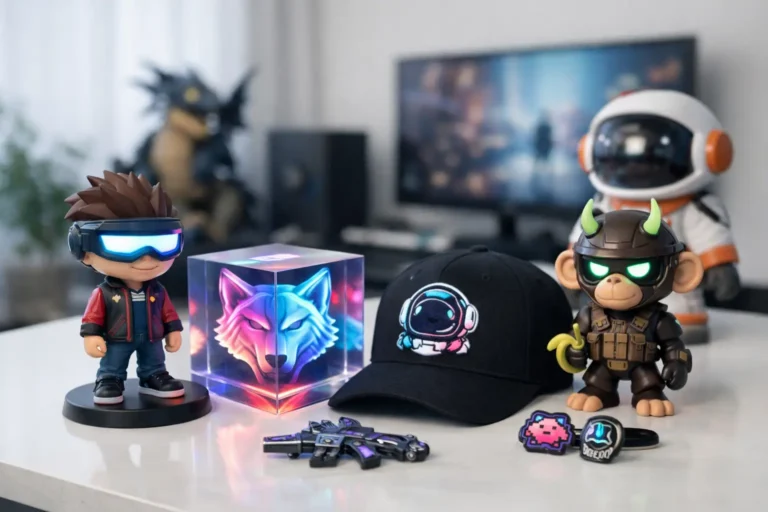
For Web3 collectors, physical merch has a different job. It brings an online identity into real life. It lets a holder, fan, or early community member wear their affiliation beyond a profile picture. The best collections feel personal and intentional, whether they live in a closet, on a wall, or rotate through your weekly fits.
Start With the Artist, Not the Product
The fastest way to collect a pile of forgettable merch is to shop by item category alone. A shirt is a shirt until it carries a visual language you genuinely care about. Start with artists and projects whose work you recognize instantly: the palette, characters, symbols, jokes, lore, or point of view that made you pay attention in the first place.
Ask yourself a simple question before you buy: would this piece still matter to me if nobody knew it was limited? If the answer is yes, you are collecting from conviction. If the answer is no, you may be collecting a scarcity label.
This does not mean every piece has to be rare. Open-edition items can become the clothes you actually live in, while a signed poster or a small-run jacket may stay preserved. Both have a place. The difference is knowing whether you are buying to wear, display, archive, or trade.
Follow the artist’s official signals
Authenticity is the foundation of a collection with staying power. Buy from an artist’s official store, verified project channels, announced collaboration, or a retailer with a clear relationship to the brand. In NFT culture, where artwork moves quickly and visual references travel even faster, unofficial copies can look convincing at first glance.
Look for clear crediting, consistent artwork, product photos that show details, and communications that match the artist’s established voice. A legitimate drop usually has context. There is a reason the graphic exists, a collaboration story, a collection date, or a community moment behind it.
Be careful with vague claims such as “inspired by” or designs that remix recognizable traits without approval. They may be cheap, but they rarely carry the cultural weight or collector confidence of authorized merch. Supporting official work also means more value flows back into the artists and communities creating the culture.
How to Collect Artist Merch With a Point of View
A strong collection does not need to be huge. It needs a frame. Some collectors focus on one artist’s evolution, picking up a piece from each major era. Others collect a specific format, such as wearable art, artist books, patches, or screen prints. Web3-native collectors might build around a single project, a chain ecosystem, or the crossover between digital art and streetwear.
Choose a lane broad enough to stay fun but specific enough to guide decisions. You might collect only wearable pieces you would confidently wear out, only works tied to artists whose NFTs you hold, or only limited releases connected to major community milestones. A point of view makes the collection easier to edit later.
Your budget belongs in that frame too. A $40 tee you wear fifty times can be a better buy than a $300 “grail” that sits untouched because it never felt like you. There is no universal rule for what deserves a premium. Materials, production method, edition size, artist involvement, condition, and relevance to a defining moment all matter. So does your actual relationship to the work.
Build a drop strategy before the drop
Hype moves on a schedule. Collections sell out, secondary prices spike, and group chats start shouting. Decide your rules while the room is quiet.
Set a monthly or quarterly merch budget. Keep a small reserve for collaborations that genuinely matter to you. If a release is limited, give yourself a cooling-off window when possible, even if that means missing it. Missing a product is not the same as missing the culture.
For high-demand drops, know your size in advance and read the product details. Check the fit, fabric weight, print method, fulfillment timeline, and whether an item is made to order. On-demand production can mean less overstock and lower waste, but it may also mean you wait longer than you would for a ready-to-ship release. That trade-off is worth making when the design is right and expectations are clear.
Separate Wear Pieces From Archive Pieces
Treating every item like an investment is exhausting. Treating every collectible like disposable fast fashion is just as careless. The smarter move is to give each piece a role.
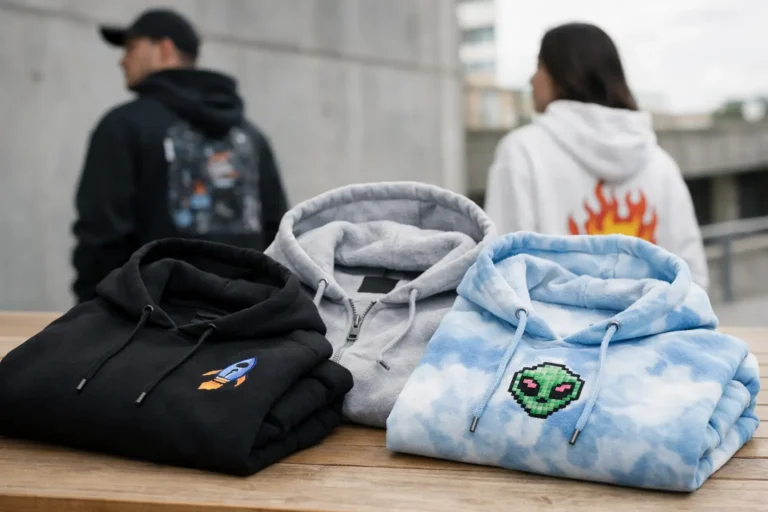
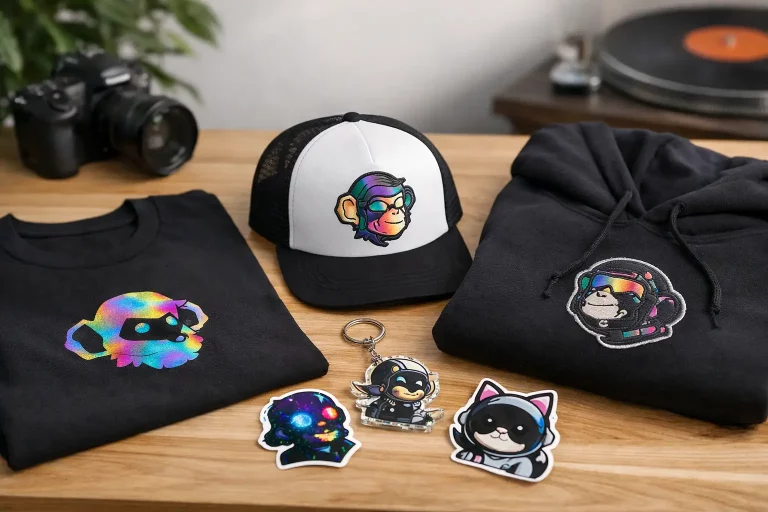
Wear pieces are made for rotation: tees, hoodies, hats, bags, and accessories that let your affiliation show up in daily life. Archive pieces are more fragile, scarce, signed, or meaningful to a moment you want to preserve. They might still come out for special occasions, but they need more care.
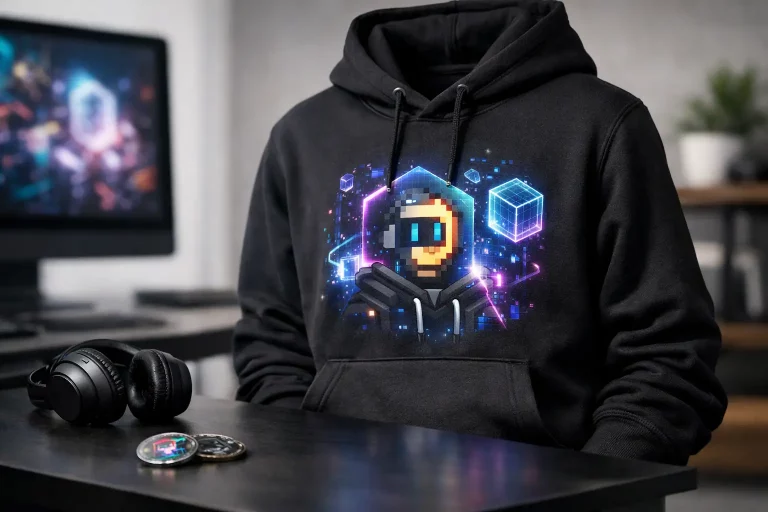
If you plan to wear an item, wash it inside out in cold water and skip aggressive heat whenever the care label allows. Screen prints, embroidery, puff ink, and specialty finishes all age differently. A little wear can add character, but preventable cracking, shrinking, and fading can erase the design’s impact fast.
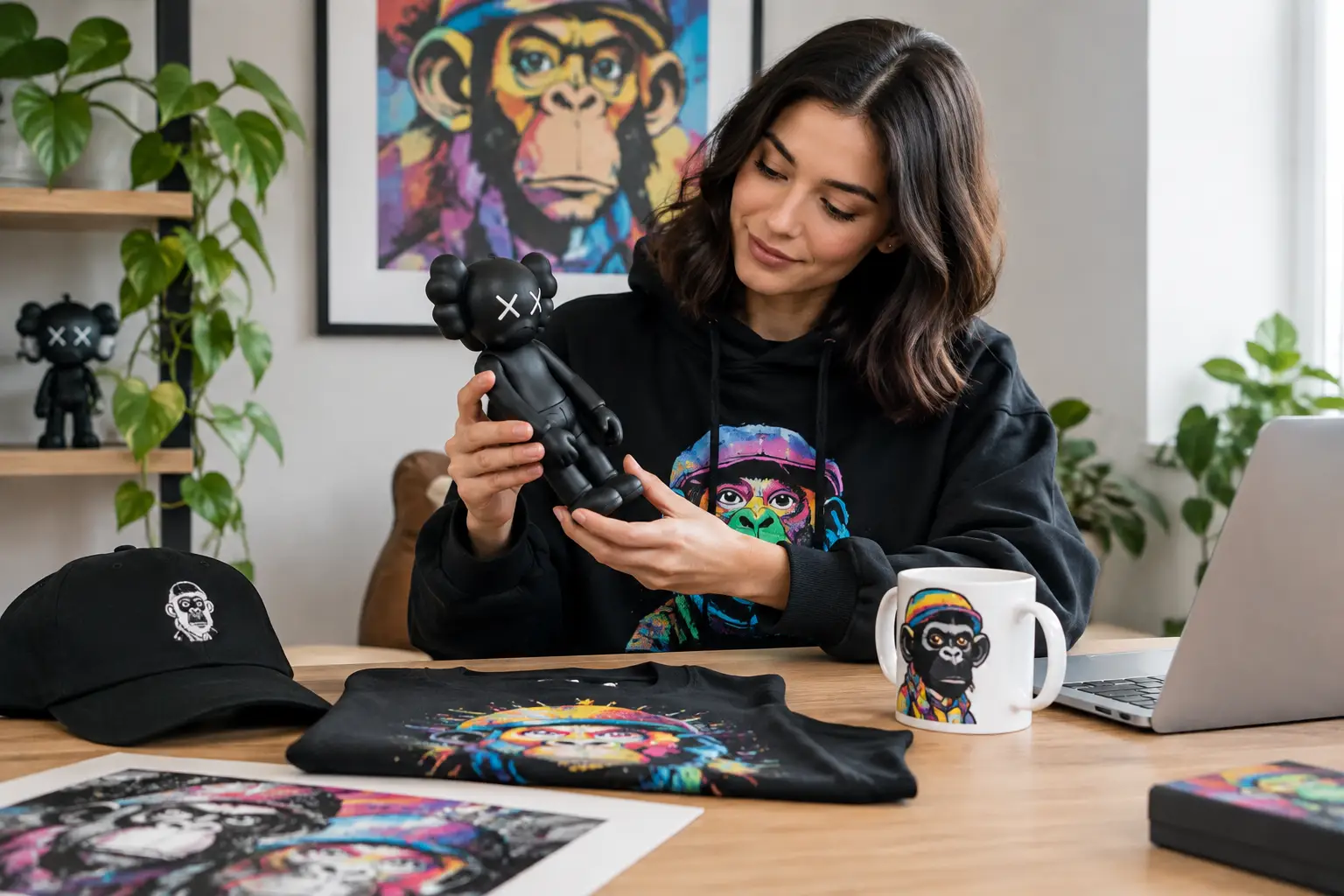
For prints and posters, keep them away from direct sunlight and damp spaces. Store flat when practical, or use appropriate sleeves and backing rather than rolling a print tightly for years. Keep original packaging, edition cards, receipts, and any authentication details together. You do not need to turn your bedroom into a museum, but basic provenance protects both the story and the piece.
Learn What Actually Creates Long-Term Value
Limited quantity alone does not make merch collectible. Plenty of “exclusive” drops disappear from memory because the design had no connection to the artist’s body of work. Long-term value is usually created by a mix of relevance, quality, and proof.
A piece tends to hold attention when it marks an early era, a major exhibition, a defining collaboration, a sold-out event, or a real community achievement. It helps when the artist had direct creative control and the item feels distinct from generic logo placement. Strong construction matters, too. A washed-out graphic on a thin blank may be wearable, but it is less likely to become a lasting artifact.
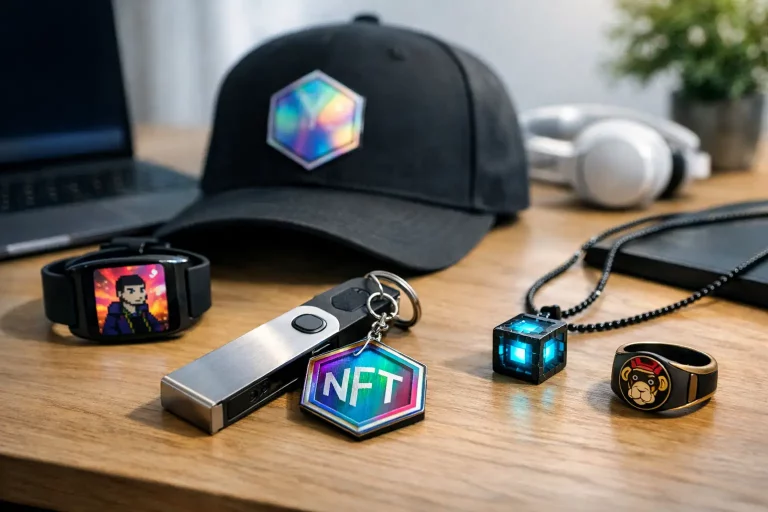
There is also social value, and it should not be dismissed. Wearing an authorized project cap at an event can start a conversation with someone who recognizes the reference immediately. That connection may be worth more than resale potential. Merch is one of the few ways digital communities can make shared taste visible in physical space.
NFT Merch fits this lane when you want official-looking, streetwear-led pieces connected to recognizable Web3 brands and artists. The key is still curation: choose the product that earns a spot in your rotation, rather than adding something just because the checkout supports crypto.
Document the Story Behind Your Pieces
The best collections become more meaningful as their stories accumulate. Keep a simple record of what you bought, when you bought it, where it came from, what it cost, and why it mattered at the time. A private note, photo folder, or spreadsheet is enough.
For digital-art communities, record the context too. Was the item linked to a mint, a holder event, an IRL meetup, a collaboration, or the first time an artist expanded into physical work? Years later, that context can be more interesting than the product description ever was.
Documentation is especially useful if you trade or sell. Clear photos, condition notes, proof of purchase, and original packaging help another collector understand exactly what they are getting. Be honest about flaws. Collector communities remember who moves with integrity.
Let Your Collection Evolve
Taste changes. Artists change. Your closet changes. Revisit your collection once or twice a year and ask what still feels alive. You may find that five pieces from one artist say more than twenty random “limited” purchases. You may also realize a once-precious item belongs with a fan who will actually wear it.
Trade, sell, or gift with intention, and keep the space open for work that represents where your taste is going next. The strongest artist merch collection is not the loudest flex. It is a physical record of the creators, communities, and moments you chose to stand behind – one piece you still want to reach for at a time.