Phygital Retail Trends Reshaping Web3 Merch
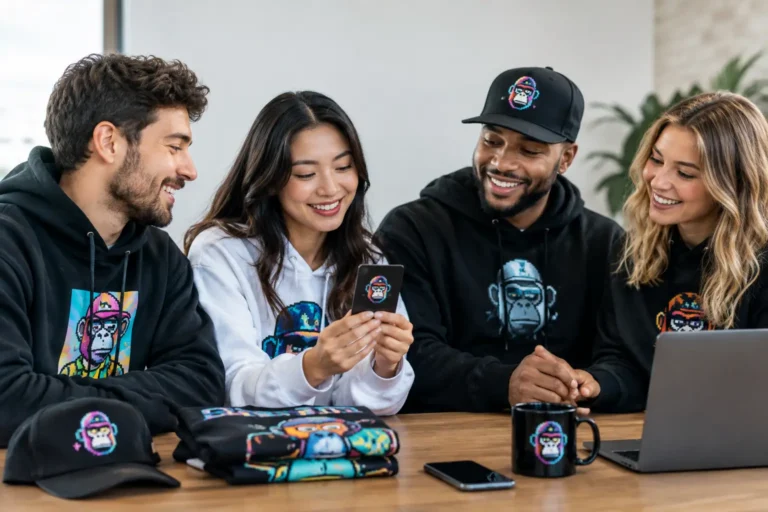
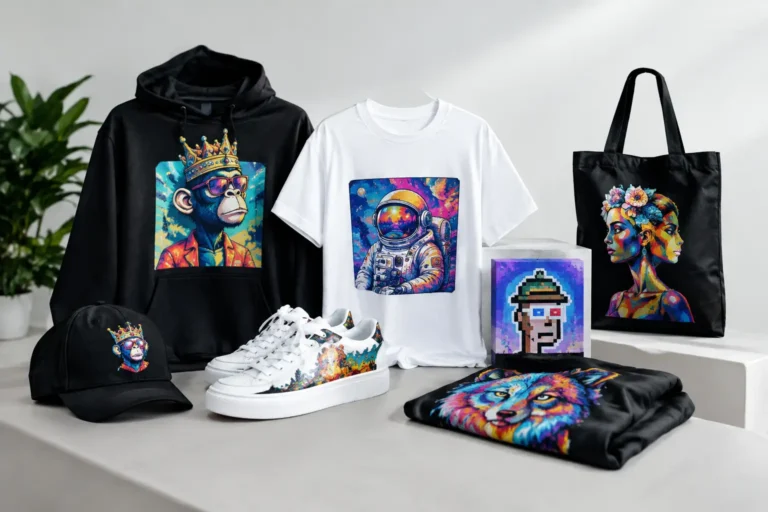
A hoodie can be more than a hoodie when it tells the right people exactly where you belong. That is the real force behind phygital retail trends: physical pieces that carry digital identity into streets, events, studios, and everyday life. For Web3 communities, merch is no longer an afterthought after the mint. It is a visible signal of ownership, taste, and early belief.
The strongest brands are not treating physical and digital as separate lanes. They are building one culture that moves between a wallet, a Discord, a gallery, and a wardrobe. The product has to stand on its own, but the story behind it gives it weight.
Phygital retail trends are becoming identity infrastructure
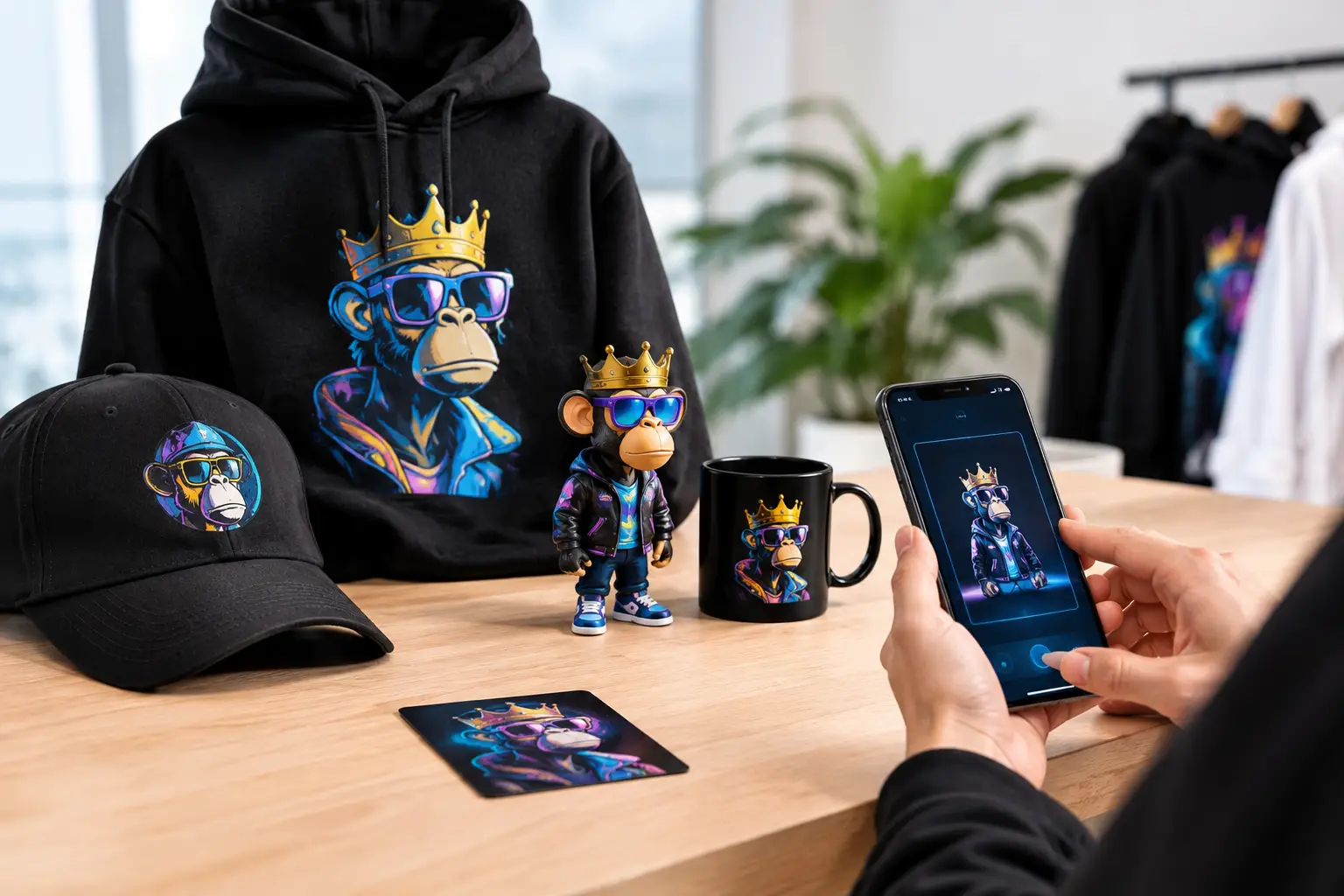
Phygital retail means connecting a physical item with a digital experience, benefit, collectible, or community layer. Sometimes that connection is technical, such as an NFC chip that verifies authenticity or grants token-gated access. Sometimes it is cultural: a limited apparel drop designed around a recognized collection, artist, or community moment.
The technology matters, but it is not the headline. Nobody wants to scan a cap just to see a loading screen. A phygital product earns attention when the digital layer gives the owner something real: proof of provenance, access to a private release, a claimable collectible, an event perk, or a place in the brand’s ongoing story.
For NFT holders and digital art collectors, this shift makes sense. Online identity has always been visible through avatars, PFPs, usernames, and wallets. Physical merch brings that same signal into the offline world. It lets collectors wear affiliation without explaining every detail to everyone in the room. Those who know, know.
The new status symbol is verified affiliation
Streetwear has always traded in scarcity, community, and cultural timing. Web3 adds a new dimension: verifiable participation. A tee from an official artist collaboration feels different from a generic shirt with copied artwork because its value is tied to a legitimate relationship with the culture it represents.
That difference becomes more obvious as more consumers get tired of low-effort crypto graphics and anonymous print-on-demand listings. Buyers want to know who approved the design, whether the art is licensed, and why the drop exists. Authenticity is not a back-office detail. It is part of the product.
This is where official collaborations can outperform broad, logo-heavy collections. A well-designed capsule can capture a specific era, meme, lore reference, or collector energy without looking like an advertisement. It should feel wearable to the community first and understandable to everyone else second.
The trade-off is that exclusivity can shrink reach. A deeply coded drop may thrill core holders while leaving casual shoppers cold. That is not always a problem. Brands need to decide whether a release is meant to reward the inner circle, recruit new community members, or do both with different product tiers.
Ownership needs a physical ritual
Digital ownership can be instant, but it often lacks ceremony. You buy, mint, claim, and move on. Physical products add anticipation and presence. A package arriving at the door turns a digital affiliation into a moment you can photograph, wear, collect, or gift.
That ritual has real commercial value. Unboxing, fit checks, event photos, and collector displays create organic proof that a community exists beyond a timeline. The best phygital retail programs plan for these moments from the start. Packaging, hangtags, garment details, and product storytelling all become part of the experience.
A QR code or NFC tag can extend the ritual, but the interaction needs a reason to exist. It might authenticate a numbered run, reveal artwork, open a future claim window, or provide early access to a new capsule. If there is no durable benefit, the tech becomes a gimmick fast.
There is also a privacy line to respect. Not every buyer wants their wardrobe linked publicly to a wallet. Smart phygital experiences make verification optional and give people control over what they share. Identity signaling works best when the owner chooses the audience.
Smaller drops beat bloated catalogs
One of the clearest phygital retail trends is the move away from permanent, overstuffed collections toward purposeful releases. Scarcity alone is not enough, but a limited drop gives a product a defined place in a brand’s timeline. It creates a reason to pay attention now, not someday.
For Web3 brands, this model maps naturally to community milestones: a collection anniversary, a new artist collaboration, a major event, a season of lore, or a holder-driven creative moment. Each release can become a chapter rather than another SKU added to a crowded store.
On-demand production is especially useful here. It lets brands test bold concepts, offer broader size ranges, and avoid sitting on piles of unsold inventory. It also supports international communities that should not be excluded just because they live far from a warehouse.
Still, made-to-order is not a free pass for weak execution. Customers will wait for a considered piece, but they expect accurate sizing, transparent production windows, quality blanks, and clear delivery communication. Hype gets the first order. Product confidence earns the next one.
Utility should feel like a bonus, not a tax
Token-gated commerce is evolving. Early versions often made the wallet connection itself feel like the product. That can work for a tightly held community, but it introduces friction for anyone who is wallet-curious rather than wallet-native.
The better approach is layered access. Holders might get first access, a special colorway, a numbered patch, or a digital collectible tied to the purchase. Non-holders can still buy selected pieces and enter the culture through a lower-friction path. The community remains protected without becoming a closed room.
This matters because physical merch can be one of the most effective onboarding tools in Web3. A great jacket or poster can start a conversation with someone who has never used a wallet. If the buying process demands technical knowledge before they can participate, the brand may lose the very people it hopes to convert.
Multiple payment choices support that reality. Crypto payments matter for culture and convenience, but cards and familiar checkout options matter for scale. The strongest retail experience meets people where they are while keeping the ownership story intact.
Design has to survive outside the feed
A profile picture can be loud because it lives in a square. Apparel has different rules. It has to fit real bodies, work with a wardrobe, and still look considered after the launch post disappears. That calls for designers who understand both internet-native references and garment construction.
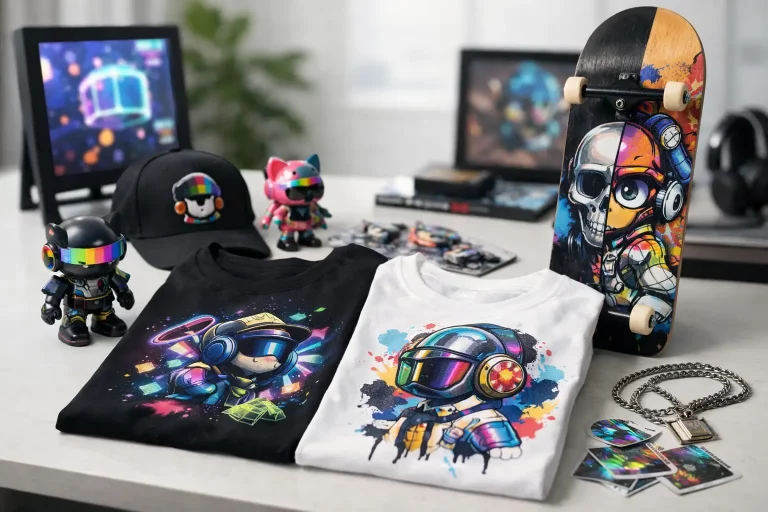
The most effective pieces do not always put the entire collection image across the chest. Sometimes a subtle embroidered mark, a back graphic, an inside label, or a custom patch has more status. The design language should reward a closer look.
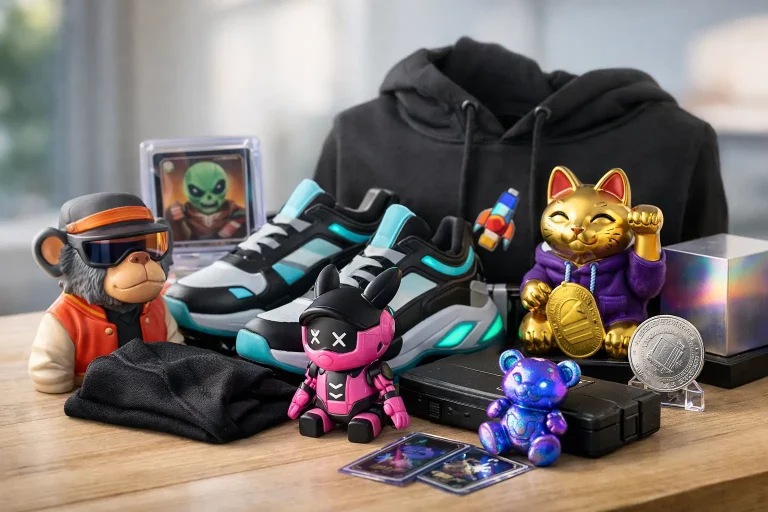
Material choices matter too. A heavyweight hoodie, a structured cap, or a print with real depth communicates that the brand respects its community. Cheap blanks can damage an otherwise strong collaboration because they turn a collectible into disposable promo gear.
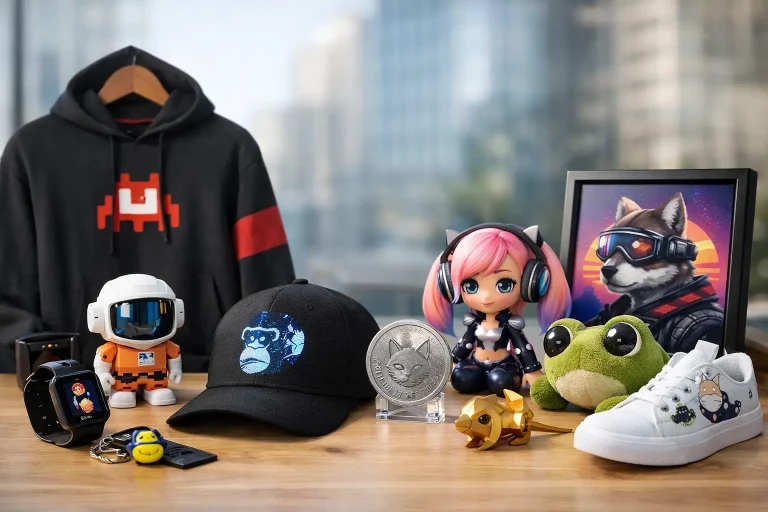
NFT Merch operates in this lane by turning recognized Web3 identities and artist partnerships into physical products built for real-world wear. That positioning matters: community merch should feel curated and official, not scraped from a trend cycle.
What brands should build next
The next wave will not be won by brands adding blockchain language to ordinary products. It will be won by teams that understand why people collect, wear, and show up for each other. The physical item needs design credibility. The digital layer needs a clear purpose. The community needs to feel seen.
Start with the question behind the drop: what does owning this let someone express, access, or remember? A strong answer can lead to a capsule, an event exclusive, a holder reward, or a collectible item that grows more meaningful over time. A vague answer usually leads to another forgettable logo tee.
The opportunity is bigger than commerce. Phygital retail gives Web3 culture a body. Make the piece worth wearing even when the phone is away, and the right community will carry the story further than any campaign can.