Blockchain Brand Fulfillment That Fans Wear
A wallet can prove you were early. A hoodie can make that story visible on the street. That is the real opportunity behind blockchain brand fulfillment: turning digital membership, creator culture, and collector identity into physical goods people actually want to wear, gift, photograph, and keep.
For Web3 communities, merch is not a side quest. A well-made tee from a recognized project signals taste, participation, and proximity to the culture. A badly executed one does the opposite. The difference comes down to whether a brand treats fulfillment as an afterthought or as part of the drop itself.
What Blockchain Brand Fulfillment Really Means
Blockchain brand fulfillment is the process of creating, producing, and shipping physical merchandise for a Web3 brand, NFT project, digital artist, or token-based community. It covers the operational work behind the scenes, but the best version goes further. It protects the visual language, exclusivity, and community trust that gave the digital brand value in the first place.
That means a fulfillment partner is not simply putting a logo on a blank shirt. They are helping carry a brand from a wallet, Discord server, or marketplace into real life. The artwork needs to remain recognizable. The garment needs to feel worth owning. The product page needs to make purchase decisions easy for a global audience. And the order needs to arrive without making the buyer wonder whether the project has gone quiet.
The stakes are higher than standard promotional merchandise. Web3 audiences know when something feels official, and they know when it feels copied, rushed, or disconnected from the source material. In a culture built around provenance, a weak physical product can dilute digital credibility fast.
Physical Merch Makes Digital Identity Social
NFTs made ownership visible online. Physical merch takes that identity beyond the feed.
A cap at a gallery opening, a graphic tee in a coworking space, or a patch on a travel bag gives a community member a way to spot the right people without opening an app. It creates a real-world signal for an internet-native tribe. That visibility matters because communities become stronger when belonging is felt, not merely recorded on-chain.
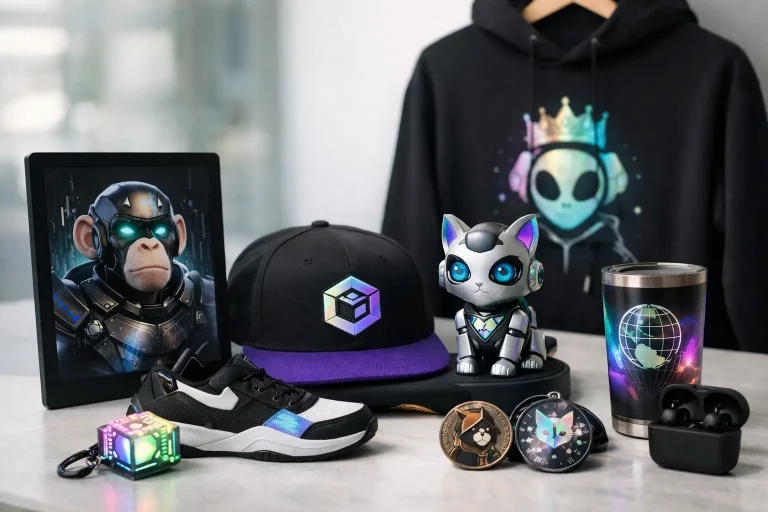
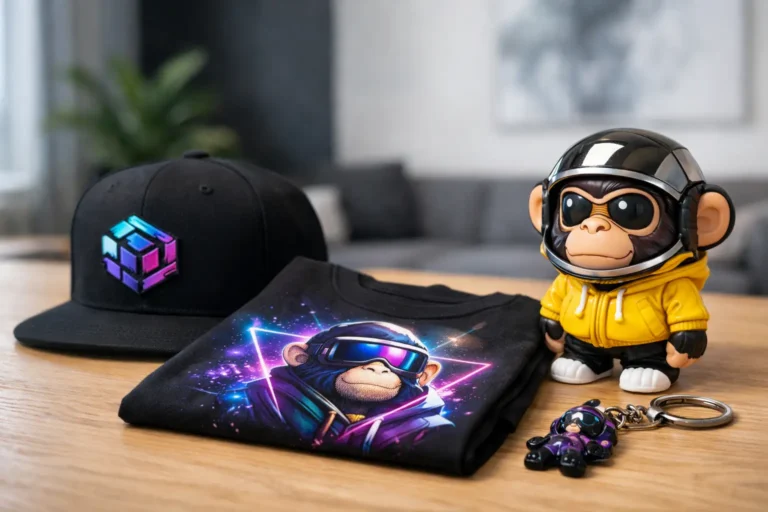
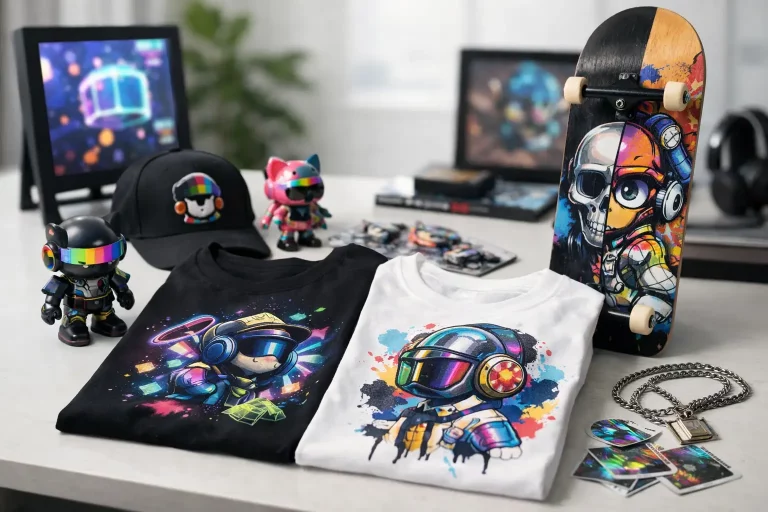
Streetwear has always understood this. People do not buy a piece solely for fabric and stitching. They buy into a reference, a point of view, and a limited moment. Blockchain brands have the same advantage when they build with intention. Digital art can become a wearable graphic system. A project mascot can become a collectible visual icon. A holder community can turn its inside jokes into recognizable codes.
The strongest drops do not over-explain. They let the design carry the signal for those who get it, while still looking good enough for everyone else.
Official beats generic every time
There is no shortage of crypto-themed apparel online. Much of it is generic, visually dated, or disconnected from the artists and communities it references. For collectors, that is not enough.
Officially licensed merchandise gives buyers confidence that the brand, creator, or project is involved. It also gives the original community control over how its identity appears in public. When artwork has a history, a fan base, and market value, that care is part of the product.
Curated destinations such as NFT Merch matter for this reason. A collection attached to a recognized Web3 name feels different from a random print listing. The buyer is not just choosing a garment. They are choosing a credible piece of the culture.
The On-Demand Model Fits Web3 Better Than Old-School Inventory
Traditional merchandise runs usually depend on forecasting. A brand orders hundreds or thousands of units, pays upfront, stores inventory, and hopes demand shows up. That can work for a mature label with predictable sales. For a fast-moving NFT community or artist drop, it can be a costly bet.
On-demand production changes the equation. Products are made after the order is placed, so a community can offer a wider range of sizes, colors, and categories without sitting on piles of unsold stock. One design can move across tees, hoodies, posters, bags, mugs, and accessories without requiring a warehouse full of every variation.
This is especially useful when a collection has global supporters. Members in Los Angeles, London, Seoul, and São Paulo may all want the same drop, but demand in each region is hard to predict. An on-demand model keeps the entry point low while allowing the brand to test what resonates.
There are trade-offs. On-demand merch is not always the right choice for a highly limited, numbered collector item or a complex custom cut-and-sew piece. Production time can also be longer than shipping a ready-stock item from a warehouse. Brands should be upfront about that. A fan will wait for a made-to-order piece when the quality, art, and expectation are clear. They will not appreciate vague timelines or surprise costs.
What Makes Web3 Fulfillment Feel Premium
A premium fulfillment experience is built from a series of details that buyers may not name individually but always notice collectively.
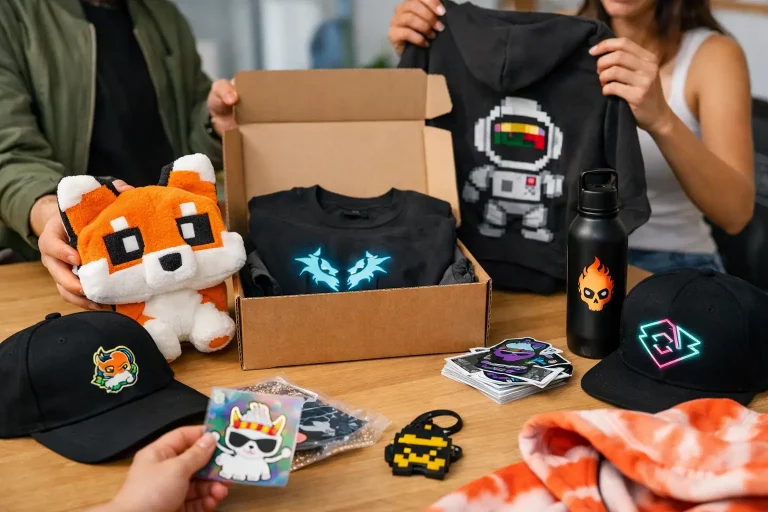
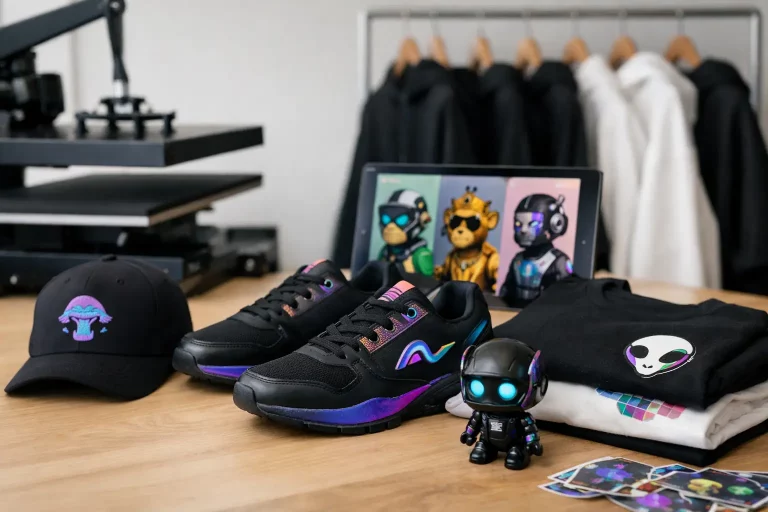
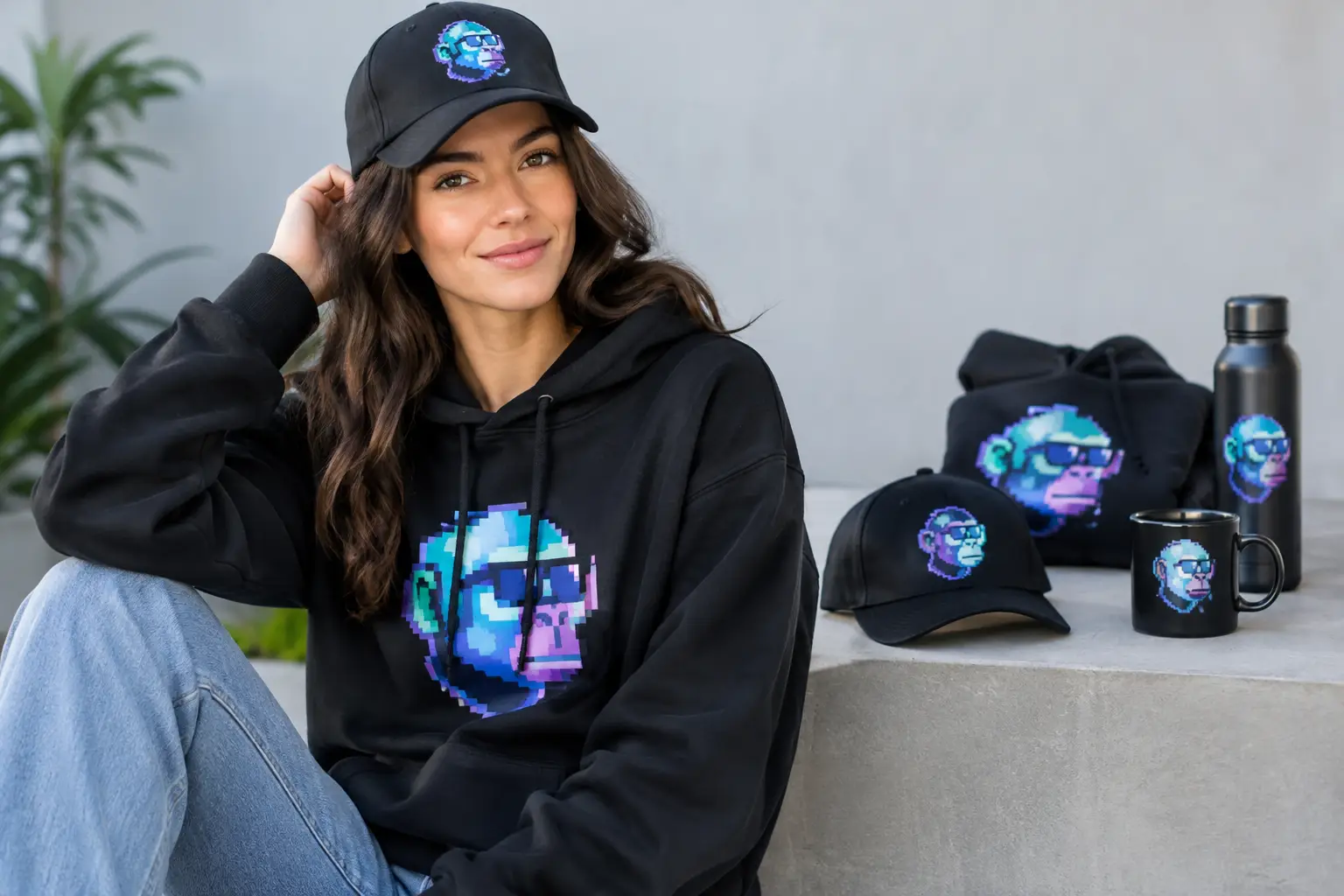
First, the product selection has to match the community. A pixel-art project may land best on heavyweight tees, embroidered caps, woven patches, and posters. A digital artist with cinematic visuals may deserve oversized hoodies, art prints, or a standout blanket. Throwing every possible product at a design can make a drop feel like a catalog exercise. Curating the right formats makes it feel like a collection.
Second, print quality and garment quality cannot be separated. The sharpest artwork loses power on a thin shirt with a poor fit. Colors should hold up, graphics should feel intentional at full scale, and the base product should match the price position. Web3 buyers are used to scrutinizing details. They inspect metadata, rarity traits, floor prices, and creator history. They will inspect a physical item, too.
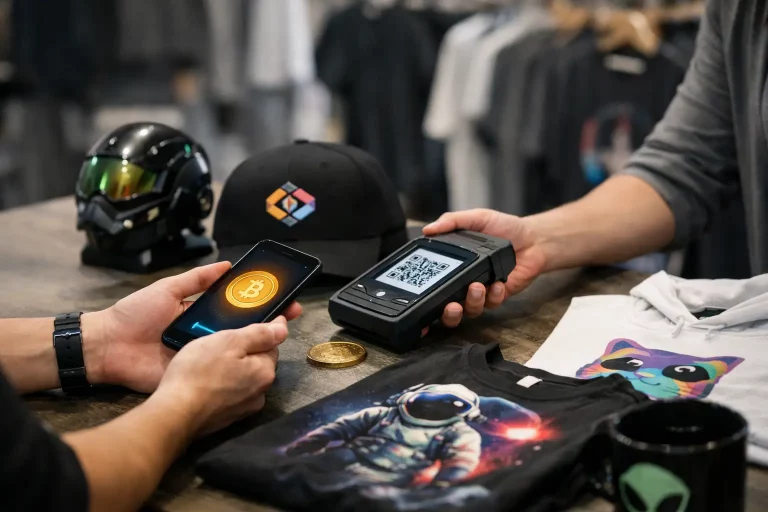
Third, the checkout should respect how the audience shops. No minimum order quantity is useful for fans who want one personal piece rather than a bulk order. Familiar card payments remove friction for mainstream shoppers, while crypto options make the experience feel native to the space. Neither payment route should be treated as a gimmick. Choice is the point.
Finally, global fulfillment needs clarity. Buyers need to know where items ship, what production timing looks like, and whether taxes or customs may apply. International communities do not expect magic. They expect straight answers.
Scarcity Needs a Purpose
Web3 has a complicated relationship with scarcity. Limited supply can create energy, reward early supporters, and make a physical drop feel genuinely collectible. But artificial scarcity can also feel like a cash grab when the product itself lacks a reason to exist.
The better question is not, How few can we make? It is, What makes this release worth collecting?
A limited design tied to a project milestone has a story. A holder-only colorway recognizes participation. A collaboration between a respected NFT brand and an artist brings two audiences together. These ideas create meaningful context around a release.
Meanwhile, evergreen on-demand essentials can serve the wider community. Not every fan joined on day one. Not every collector wants to chase a countdown. Keeping select core pieces available lets people represent the culture without turning every purchase into a gas-war-style event.
A smart merch program can do both: exclusive drops for the moment and permanent staples for the movement.
Fulfillment Is Also Brand Protection
When a blockchain brand scales, unofficial products often appear alongside real ones. That is an inevitable side effect of recognition, but it makes brand stewardship more valuable.
Official fulfillment creates a consistent home for approved artwork, product standards, and community-facing messaging. It reduces the chance that a fan spends money on an item that looks wrong, fits poorly, or uses art without permission. It also gives creators a more controlled path to bring their work into physical form.
Token-gating can add another layer for brands that want holder-only access. It can be effective for special editions, early access, or community rewards. Still, it should not make the buying process needlessly difficult. If the gate is part of the value, make it clear. If it is just a technical flex, it may create more friction than loyalty.
The same principle applies to blockchain verification. Proof can make a collectible stronger, but it cannot rescue weak design or mediocre materials. The physical item has to earn its place on its own.
Build Drops People Want to Keep Wearing
The goal is not to turn every NFT into a t-shirt. The goal is to translate the right digital identity into a product with staying power.
Start with the community’s visual language. Know which symbols, characters, colors, and references members already rally around. Then choose products that fit how they live, not just what is easy to print. Keep the graphics confident. Make the quality visible. Give buyers a clear path from discovery to delivery.
The best blockchain brand fulfillment does not feel like merch with a token attached. It feels like the culture found another format. Put the right piece in circulation, and your community will carry the signal further than any timeline can.