How to Redeem Token Gated Merchandise Today
A token in your wallet can be more than a profile-picture flex. It can be your pass to a limited physical drop, a holder-only colorway, or merch that makes your digital affiliation visible long after the feed moves on. To redeem token gated merchandise properly, you need to understand what your asset grants, how the claim works, and where the real value sits: not just in the product, but in proving you were part of the culture.
For collectors, token-gated merch turns on-chain ownership into something you can wear, carry, or put on the wall. For communities and artists, it creates a cleaner line between official participation and generic crypto apparel. The best drops feel like a receipt from a moment that mattered.
What Token-Gated Merchandise Actually Means
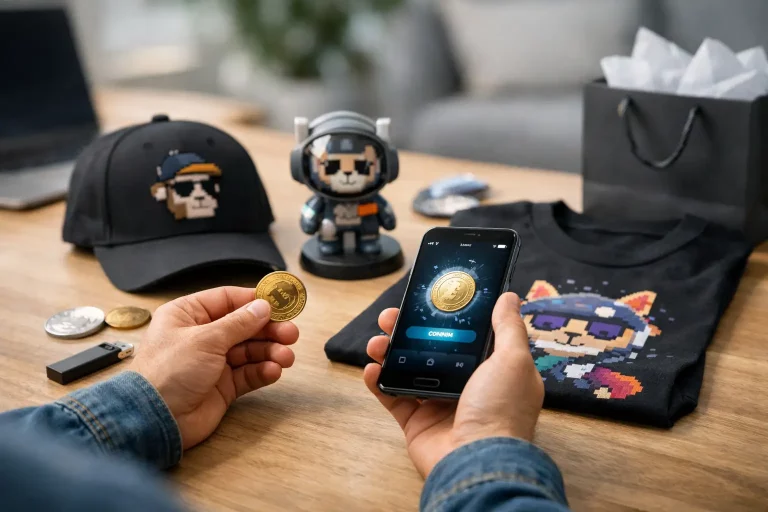
Token-gated merchandise is physical product access controlled by a blockchain-based asset. That asset may be an NFT from a specific collection, a membership pass, a creator token, or a defined balance of fungible tokens. Your connected wallet is checked against the eligibility rules before the store reveals an item, applies a holder price, or allows you to claim it.
The gate can take several forms. A project might offer one free T-shirt claim per NFT, reserve a hoodie for wallets holding a rare trait, or give every verified member early access before the public drop. Some campaigns require you to burn a token or exchange it for a redemption pass. Others only verify ownership, meaning you keep the NFT and use it as your credential.
That distinction matters. A holder-only shop is about access. A burn-to-redeem campaign is an exchange. Neither is automatically better. Keeping the asset may suit a long-term collector, while burning can make sense when the physical item is designed as the final chapter of a digital collectible.
How to Redeem Token Gated Merchandise Without Missing Your Claim
Start with the wallet that holds the qualifying token. It sounds obvious, but collectors often have assets spread across a hardware wallet, a hot wallet, a marketplace-linked wallet, or an old address used during mint. A store can only verify what is in the wallet you connect at the time of redemption.
Once you reach the drop page, read the eligibility language before connecting anything. Look for the supported chain, the required collection or token amount, the number of claims allowed per wallet, the claim window, and whether shipping or product upgrades cost extra. “Free merch” often means the item is included while taxes, shipping, or optional premium blanks are paid separately. That is not a red flag if it is stated clearly. It is just the practical cost of moving a physical product across the world.
Next, connect your wallet through the requested verification flow. In a legitimate ownership check, you may be asked to sign a message. Signing a message confirms control of the wallet but should not transfer NFTs, approve token spending, or trigger an unfamiliar transaction. Slow down and inspect every prompt.
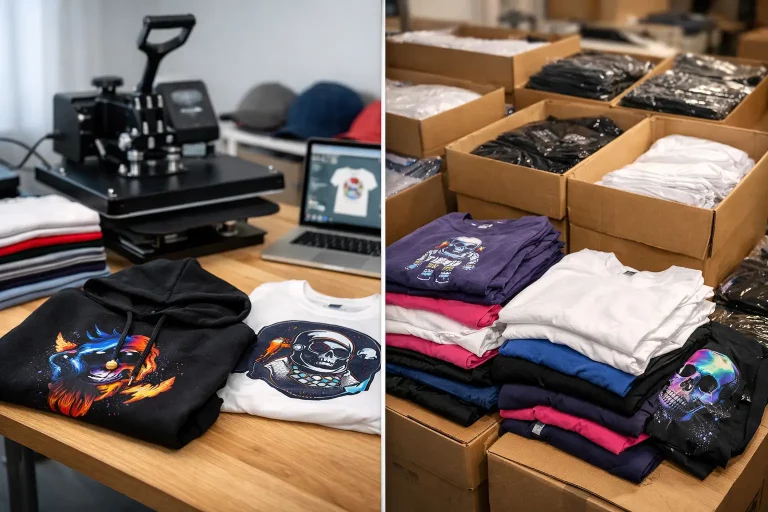
After verification, choose your size, color, and shipping destination. Treat this stage seriously. Digital assets are hard to reverse, but physical fulfillment has its own finality: once an order enters production, changing an address or swapping a size may not be possible. On-demand merchandise is made for your claim, which reduces overproduction but leaves less room for last-minute edits.
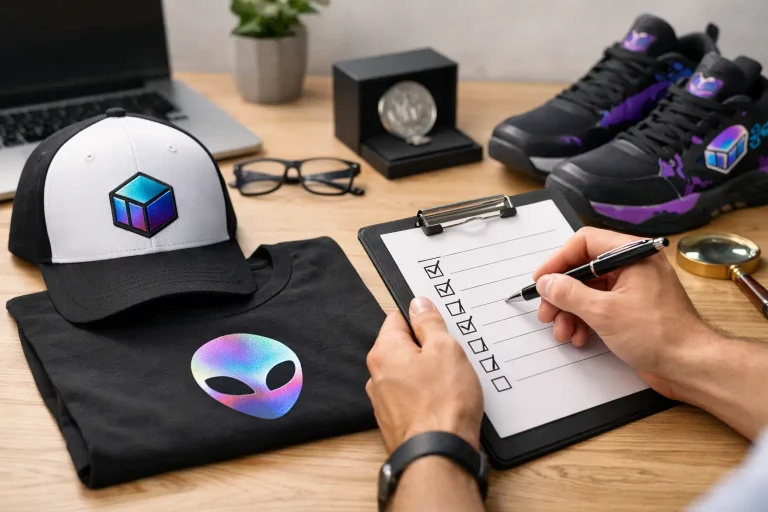
Finally, save your confirmation. Screenshot the order number, retain the confirmation email, and note any stated production and fulfillment timeframe. Limited drops create noise fast. A clean record gives you something concrete if customer support needs to trace your order.
A quick security check before you connect
Wallet verification should never require your seed phrase, private key, or a screen share session. No credible redemption flow needs them. Be cautious with direct messages, cloned storefronts, and “claim now” links that appear only in replies or private chats. Go to the official project channel or official store destination yourself rather than following urgency-driven links.
You should also consider using a separate wallet for claims and mints if your primary wallet holds high-value assets. This is not mandatory, and it adds another step, but compartmentalizing activity limits exposure if you land on a malicious site. Web3 culture moves fast. Your wallet hygiene should move slower.
Why the Best Gated Drops Feel Different
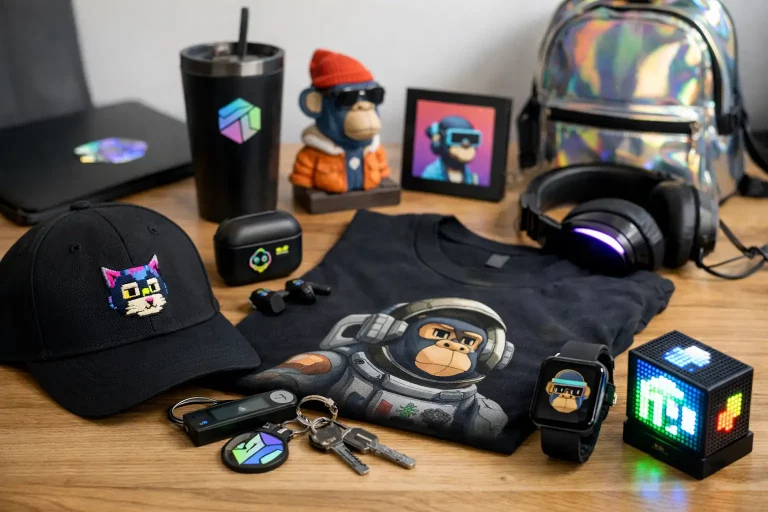
A basic logo tee is easy to print. An official piece that only verified holders can access carries a different signal. It tells people you did not just discover the visual language of a project – you earned a place in its orbit.
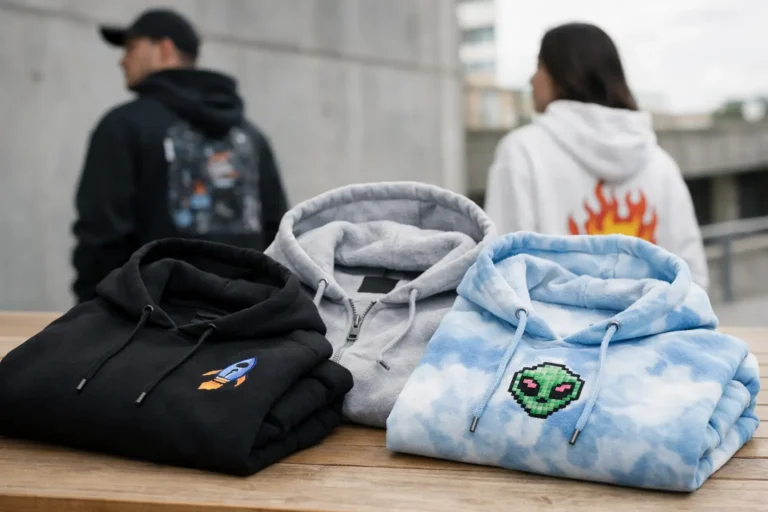
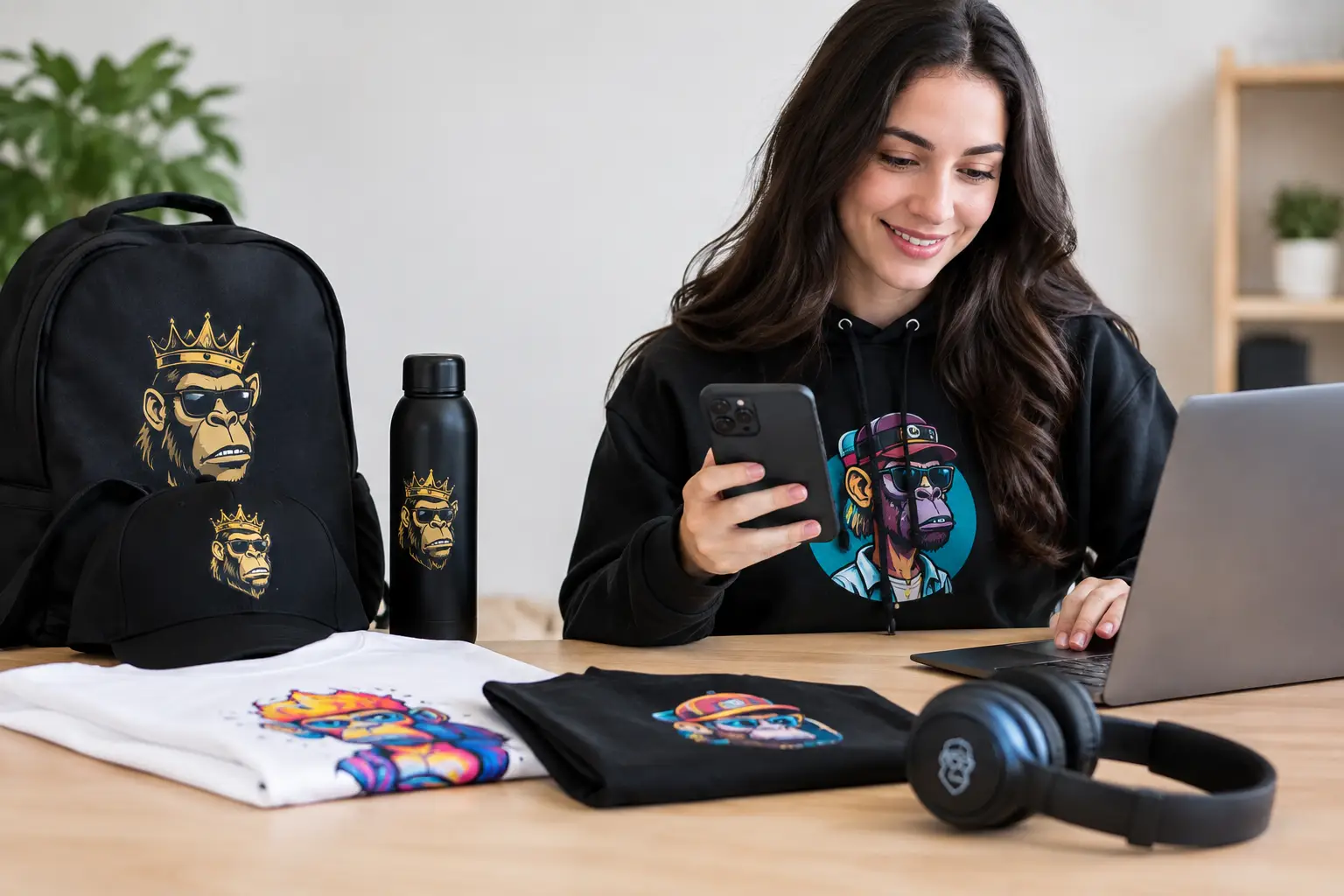
That is why design cannot be an afterthought. The strongest token-gated merchandise takes cues from the original art, lore, trait system, or community in-jokes without turning every garment into a billboard. A considered back graphic, an embroidered mark, a limited patch, or a colorway that references a collection can say more than oversized wallet jargon ever will.
Scarcity also needs to be honest. A drop limited by actual holder eligibility has a clear reason to exist. But artificial countdowns and vague “exclusive” claims wear thin if the same design keeps returning in slightly altered form. Projects build trust when they explain whether an item is a one-time claim, a recurring holder benefit, or a permanent gated product.
Physical quality is part of authenticity, too. If the graphic cracks after two washes or the fit feels disposable, the community notices. The point is to bridge digital identity and real life, not to ship a souvenir that never leaves the package. NFT Merch approaches this space as streetwear for Web3 communities: official culture, translated into pieces people can actually live in.
Know What You Are Claiming: Access, Ownership, or Both
Before you redeem, separate the emotional value of the drop from its commercial terms. The physical product may be a collectible, but it is not necessarily an investment. Its resale value depends on the project, design, condition, supply, and whether future buyers can verify its origin. Most claims should be made because you want the item, not because you expect a flip.
Check whether the merch includes a numbered edition, an authenticity card, a digital certificate, or no additional proof beyond the original order. Each model has trade-offs. A numbered piece can strengthen collectibility, while an on-chain certificate may help document provenance. On the other hand, extra mechanics can complicate a simple goal: receiving a great hoodie that represents your community.
Also consider what happens if you sell the NFT after claiming. In many campaigns, eligibility is checked only at checkout, so you can claim the item and later transfer the token. In others, the token remains connected to an ongoing membership program, and selling it ends future access. Read the specific rules rather than assuming your past ownership grants permanent benefits.
Common Claim Problems and the Smart Fix
The most common issue is connecting the wrong wallet. If the store says you are ineligible, verify the address on a block explorer or wallet app and confirm where the NFT actually sits. If it is staked, wrapped, delegated, or held through a custodial platform, the standard checker may not recognize it. The answer depends on the campaign’s supported setup.
Another common issue is a sold-out size or color. Gated does not always mean made-to-order with unlimited stock. Some drops use pre-produced inventory for faster shipping, while others produce after the claim period closes. If your preferred option is unavailable, do not assume more inventory will appear. Decide whether the available option still has value to you.
Shipping can also create friction. International claims may involve duties, local taxes, and longer delivery windows. A global community is powerful, but physical logistics are still physical logistics. Read the delivery terms before completing your claim, especially for limited items that cannot be replaced easily.
Wear the Receipt
The strongest token-gated merch is not merch you hide in a drawer because it might become valuable. It is the piece you reach for when you want to represent the art, people, and ideas you backed early. Verify carefully, claim with intention, and choose drops that deserve space in your rotation. Your wallet proves you were there. What you wear tells the story.