Creator Merch Strategy That Builds Real Community
A strong creator merch strategy does not begin with a hoodie. It begins with a signal: a visual code, inside joke, character, collector moment, or belief that your community already recognizes without explanation. The best drops turn that signal into something people wear to meetups, post in group chats, and keep long after the market moves on.
For Web3 creators, artists, and project founders, merch is not filler for a store page. It is physical proof that a digital culture exists beyond the wallet, timeline, or Discord server. Done right, it gives holders and supporters a way to carry the community into real life.
Build your creator merch strategy around identity
Most forgettable merch follows the same formula: place a logo in the center of a blank tee, choose a few colors, and call it a collection. That may work for an audience that simply wants a souvenir. It rarely works for a community that cares about taste, status, and belonging.
Start by asking what your people are actually proud to signal. Is it early-holder energy? A distinctive art style? A phrase only the community understands? A shared worldview around ownership, decentralization, gaming, or creative independence? Your answer should shape the collection more than the logo does.
A creator with a loud, surreal visual universe may build a drop around characters, distorted typography, and unexpected color. A more minimal collector community may want heavyweight black staples with subtle marks, woven labels, and details that reward a closer look. Both approaches can feel premium. The mistake is copying a trend that has no connection to the culture behind it.
Design for recognition, not just promotion
The strongest pieces are recognizable to insiders while remaining wearable to everyone else. That balance matters. A full-front graphic can create immediate impact, especially for a limited drop or art-led collaboration. But an oversized logo on every product can make the collection feel like event staff apparel.
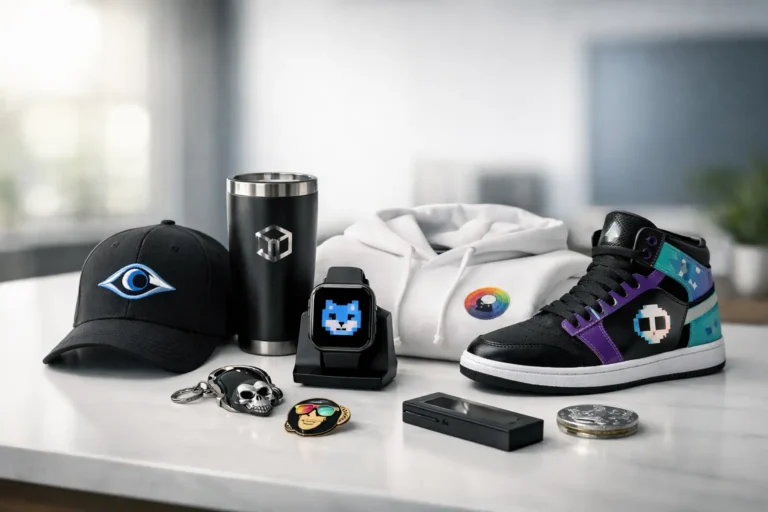
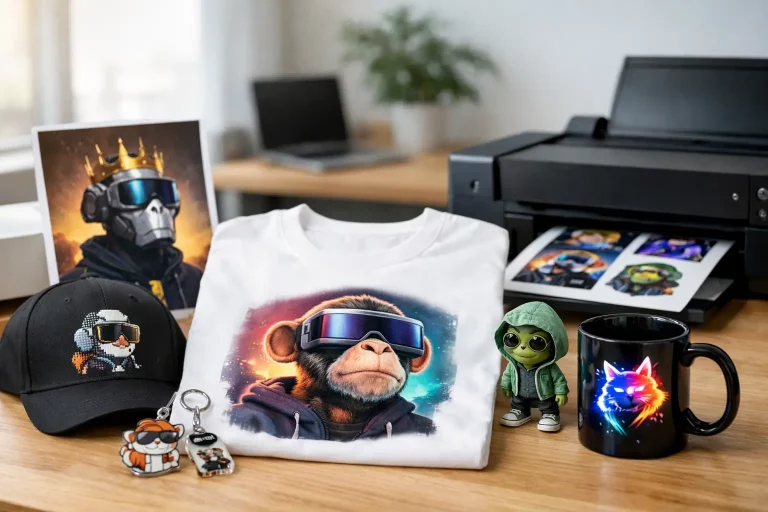
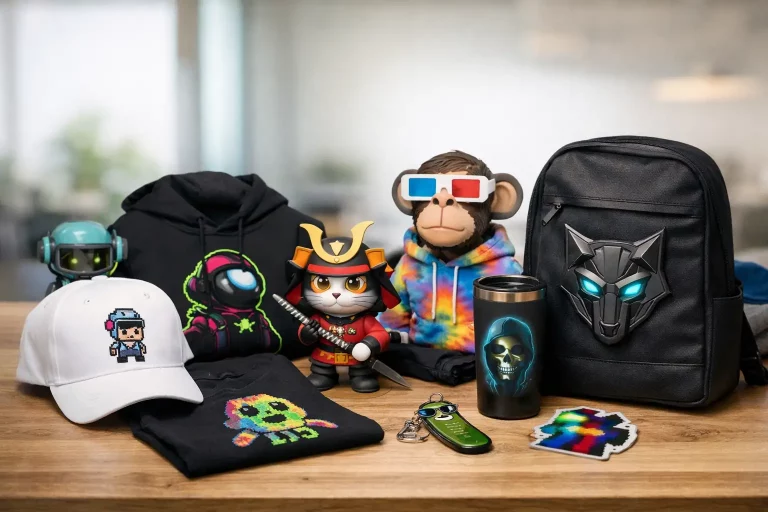
Use placement to create range. A statement tee can sit beside a clean embroidered cap. A hoodie may carry a small chest mark and a larger back graphic. Patches, stickers, posters, and mugs can make the visual world more accessible without asking every fan to commit to a full outfit.
Think in layers. A newcomer should be able to buy a simple piece because it looks good. A core community member should spot references, traits, dates, coordinates, or phrases that make the item feel like it was made for them.
Choose products people will wear repeatedly
Streetwear credibility is earned through product choices, not just good artwork. If the garment feels thin, fits awkwardly, or loses its print after a few washes, the community notices. Your merch becomes a reflection of the creator brand, whether you intended it to or not.
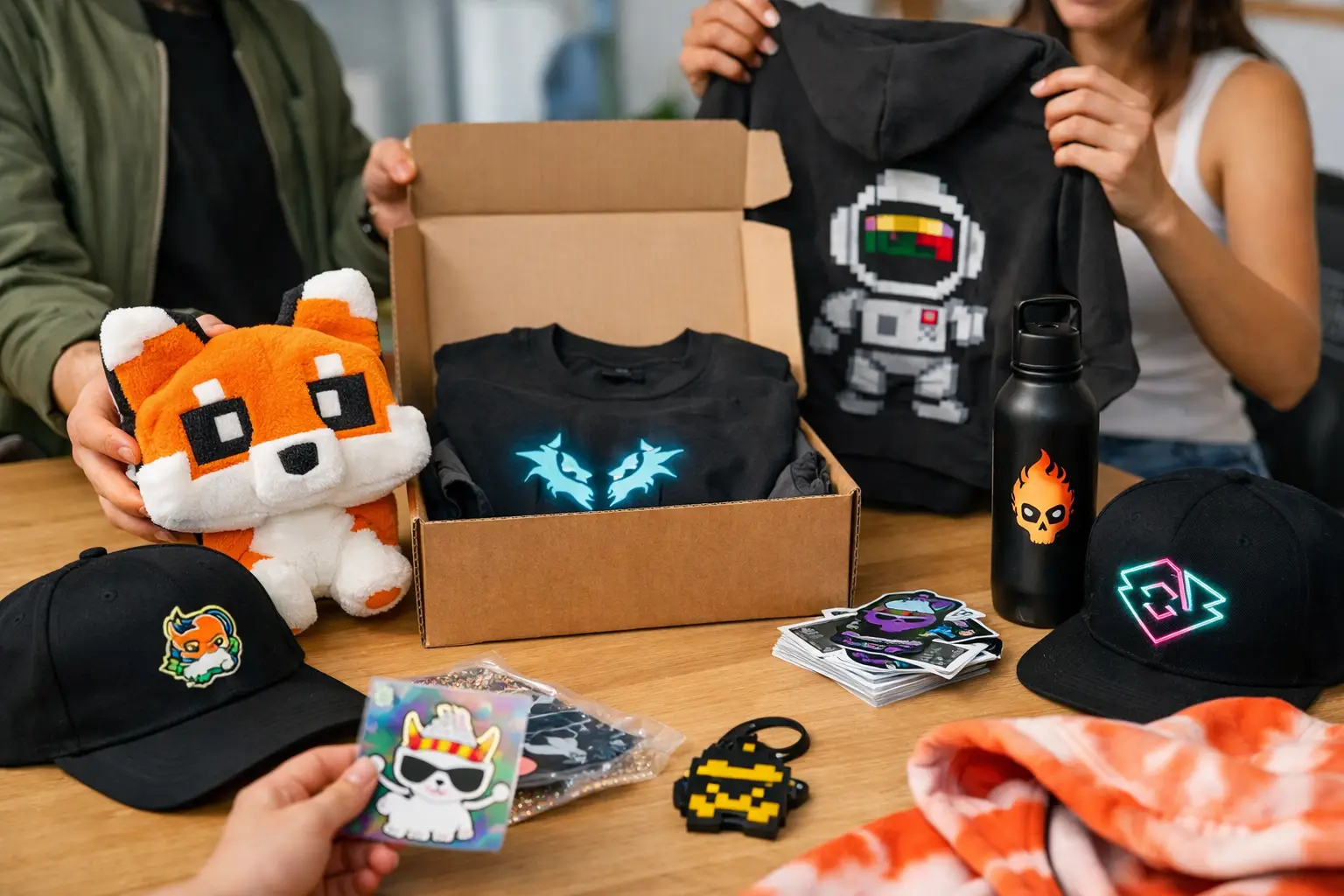
Start with a focused assortment. For many creators, a T-shirt, hoodie, cap, and one lower-cost collectible item are enough for a first release. That gives fans different entry points while keeping the visual direction tight. A sprawling catalog of tees, shorts, swimwear, towels, shoes, and accessories can make sense later, once the community has shown what it wants.
Fit and climate should influence your choices. Heavyweight hoodies can be a powerful status piece, but they are not the right hero product for every global audience or every season. A cap may be a smarter first buy for fans in warmer markets. Posters and patches work well for collectors who want a piece of the art without another garment in their closet.
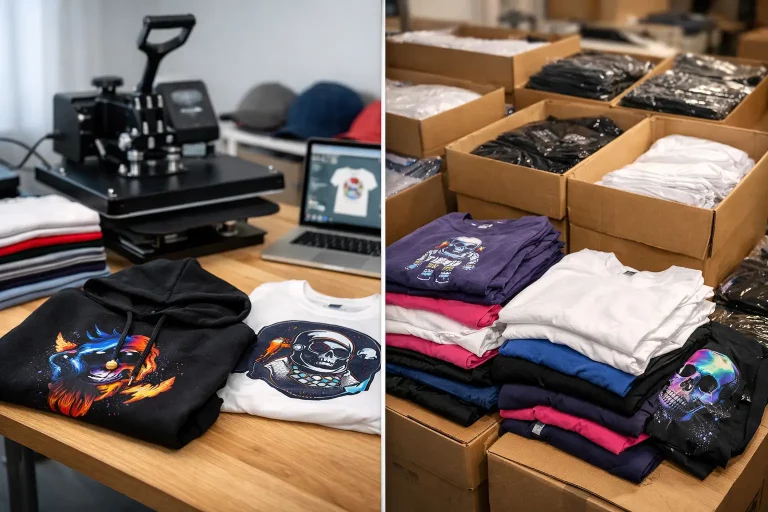
On-demand production changes the math in a useful way. You can test ideas without ordering a mountain of inventory or setting a high minimum that shuts out smaller creators. The trade-off is that each item still needs a reason to exist. Low inventory risk is not a license to release weak concepts.
Make scarcity feel earned
Web3 audiences understand scarcity, but they can also spot manufactured hype instantly. A countdown clock alone does not make a drop desirable. Scarcity works when it is connected to a real moment: an anniversary, a major art reveal, a community milestone, a collaboration, or a design that will not return in the same form.
Set clear rules before launch. Is the drop open for 72 hours? Is it limited to a fixed number of units? Do holders get early access? Will a particular colorway retire after this run? The answer depends on your goals.
An open preorder window is ideal when you want broad participation and do not want fans racing bots for access. A capped edition creates stronger collector energy, but it can frustrate newer supporters. Holder access can reward conviction, yet it should not turn the rest of the community into spectators. A smart middle ground is early access for holders, followed by a short public window.
Do not overuse limited editions. If every product is labeled exclusive, exclusivity becomes background noise. Save your rarest moves for designs, collaborations, and moments that deserve the weight.
Give the drop a story people can repeat
People do not share product specs. They share stories. Frame each release around a single idea that can travel from your launch post to the product page to an IRL conversation.
Maybe the collection is built around a trait that became iconic in your community. Maybe it marks the first physical expression of a digital art series. Maybe it was designed with an artist whose work your holders already collect. Keep the story specific. “New merch is here” is an announcement. “This design turns the community’s founding symbol into a wearable uniform” is a reason to care.
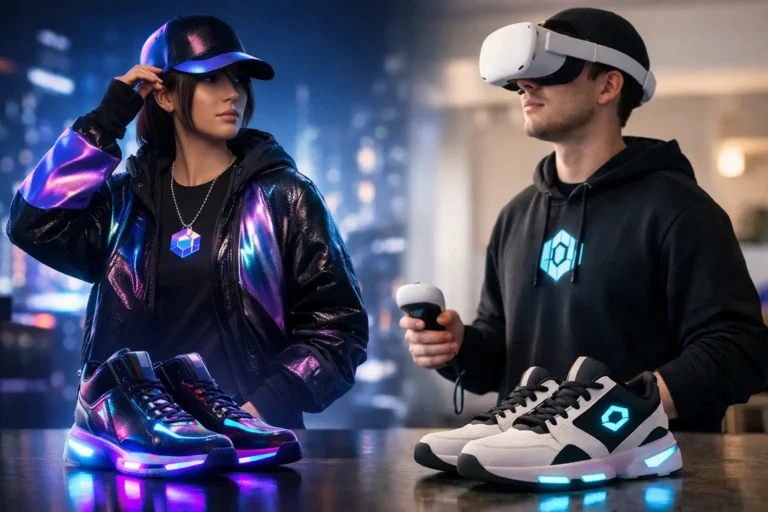
That story should show up in the visuals too. Use campaign images that make the products feel lived in: city walks, studio sessions, meetups, galleries, late-night builds. Clean product shots still matter because shoppers need to see the print, color, and fit. But the campaign should sell the feeling of joining the culture, not just the fabric.
Launch like a community event, not a catalog update
A merch drop needs a runway. Start teasing details before the collection is available, but do not reveal every item at once. Share close-up textures, cropped artwork, a silhouette, or a behind-the-scenes design decision. Let the community speculate and respond. The goal is anticipation, not confusion.
When launch day arrives, make the offer painfully clear: what is available, who gets first access, when the drop closes, what makes the pieces special, and where they ship. If crypto payment is available, say so plainly. If there is no minimum order quantity, make that easy to understand. Fans should not have to decode the checkout process after they have decided they want in.
Community participation can extend the life of the drop. Feature early buyers wearing or styling their pieces, repost unboxings, and encourage fans to show how they interpret the collection. This is more credible than polished advertising because it proves the merch has entered real wardrobes and real spaces.
For creators working with a curated merch partner such as NFT Merch, collaboration can also add a layer of trust. The right partner helps translate a digital brand into physical products without flattening its personality into generic crypto apparel.
Measure what the community is telling you
Revenue matters, but it is not the only signal. Watch which products get saved, shared, discussed, and worn. A cap that sells steadily for months may be more valuable than a loud tee that spikes for one weekend. A design that prompts organic photos may deserve a second colorway or a more premium follow-up.
Look at purchase patterns. Are collectors choosing posters and patches alongside apparel? Are international fans favoring lighter items? Does holder access create stronger conversion, or does a public launch bring in new supporters? These answers tell you how to shape the next release.
Avoid treating every drop as a referendum on your brand. Sometimes a concept misses because the timing was off, the price did not match the product, or the audience needed a clearer story. Learn, refine, and keep the visual world coherent. Consistency is what turns individual products into a recognizable merch universe.
Your next piece of merch should earn a place in someone’s rotation, not just their checkout history. Make it feel like proof of membership. When a fan puts it on, the message should be clear before they say a word: this culture is real, and they were there for it.