Web3 Merchandise Review: What Deserves Your Wallet
A wallet address can prove what you hold. It cannot show people what you stand for when the screen is off. That is where a serious web3 merchandise review starts: not with a loud logo, but with whether a piece turns digital affiliation into something worth wearing, collecting, and getting stopped for.
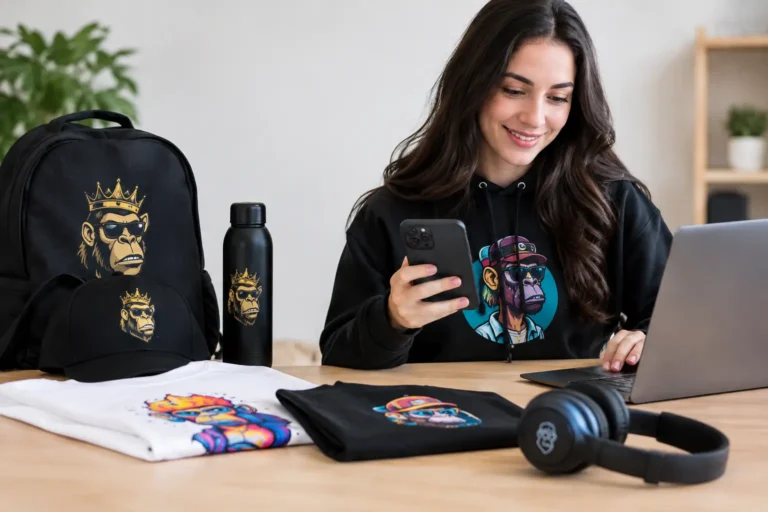
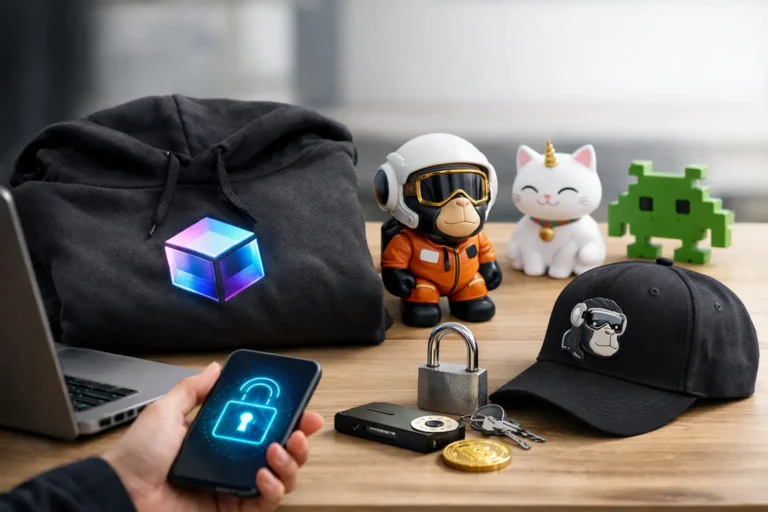
Web3 merch has outgrown novelty crypto tees. The best drops now sit closer to streetwear, fan culture, and artist editions. They carry the visual language of a community into coffee runs, conferences, airport lounges, and late-night group chats that become real-world meetups. The weak stuff still exists, of course: generic clip art, rushed prints, and “limited” products with no connection to the culture they borrow from.
The difference is authenticity. If you are spending for a physical signal of your digital identity, the piece needs to earn its place in your rotation.
Web3 Merchandise Review: The Standard to Use
A good review should look beyond whether the artwork is cool in a product mockup. Great merch works because it gets four things right: the source, the design, the garment, and the buying experience. Miss one, and the drop starts to feel like a souvenir instead of a statement.
Start with the source, not the slogan
The first question is simple: does the merch have a legitimate relationship to the NFT project, artist, or community it represents? Official collaborations, licensed artwork, and clearly identified creative partners matter. They are the difference between wearing culture and wearing someone else’s attempt to cash in on it.
This does not mean every piece needs to be tied to a blue-chip collection. Independent Web3 artists can make some of the most compelling releases because the artwork is personal and the point of view is clear. What matters is provenance. You should be able to understand who made the visual language, why it belongs to that community, and whether the retailer is treating the work with respect.
Authentic merch also avoids forcing every blockchain reference into the design. A clean mark, a recognizable character detail, or an insider reference can carry more weight than a chest print screaming “crypto.” The people who get it will get it. That is the signal.
Judge the artwork at street distance
Digital art can be intricate, animated, and built for a glowing screen. Clothing is different. A design must read from across the room, hold up when it is folded, and still feel intentional when someone sees it for three seconds on the subway.
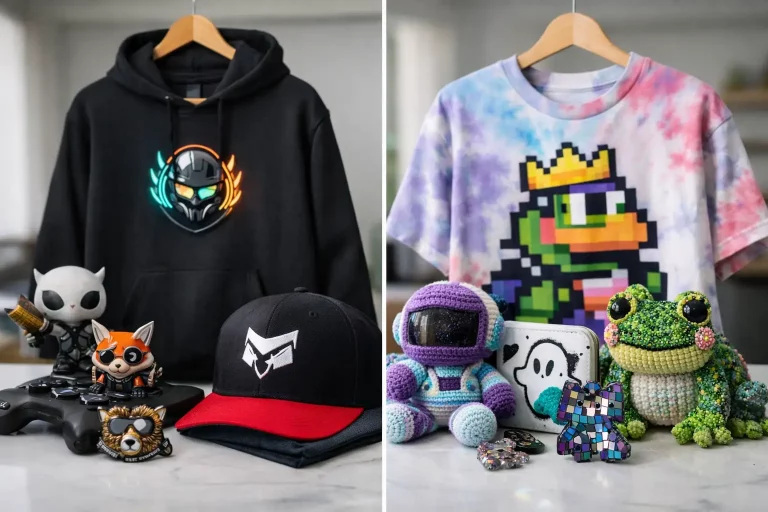
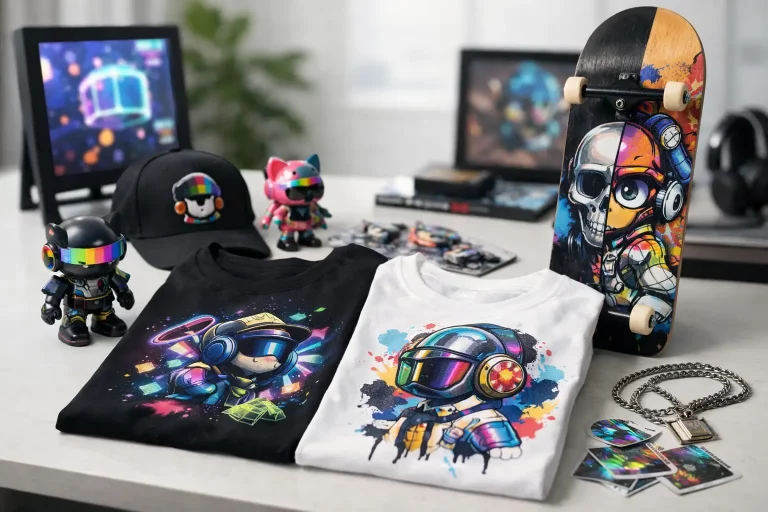
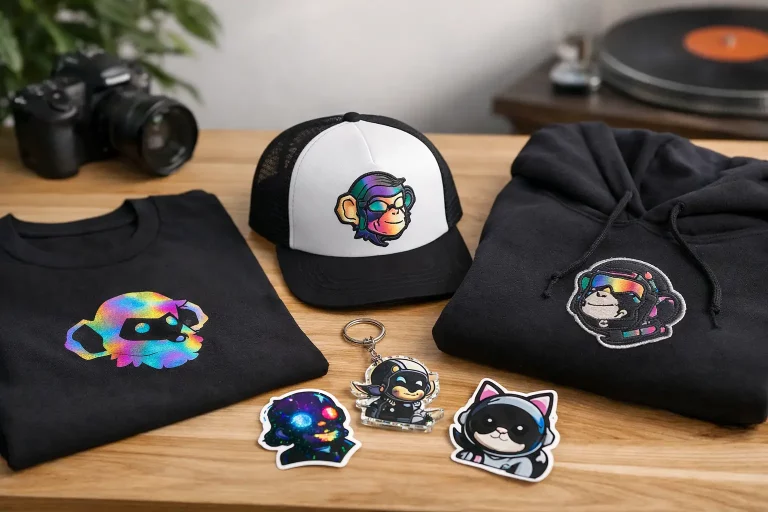
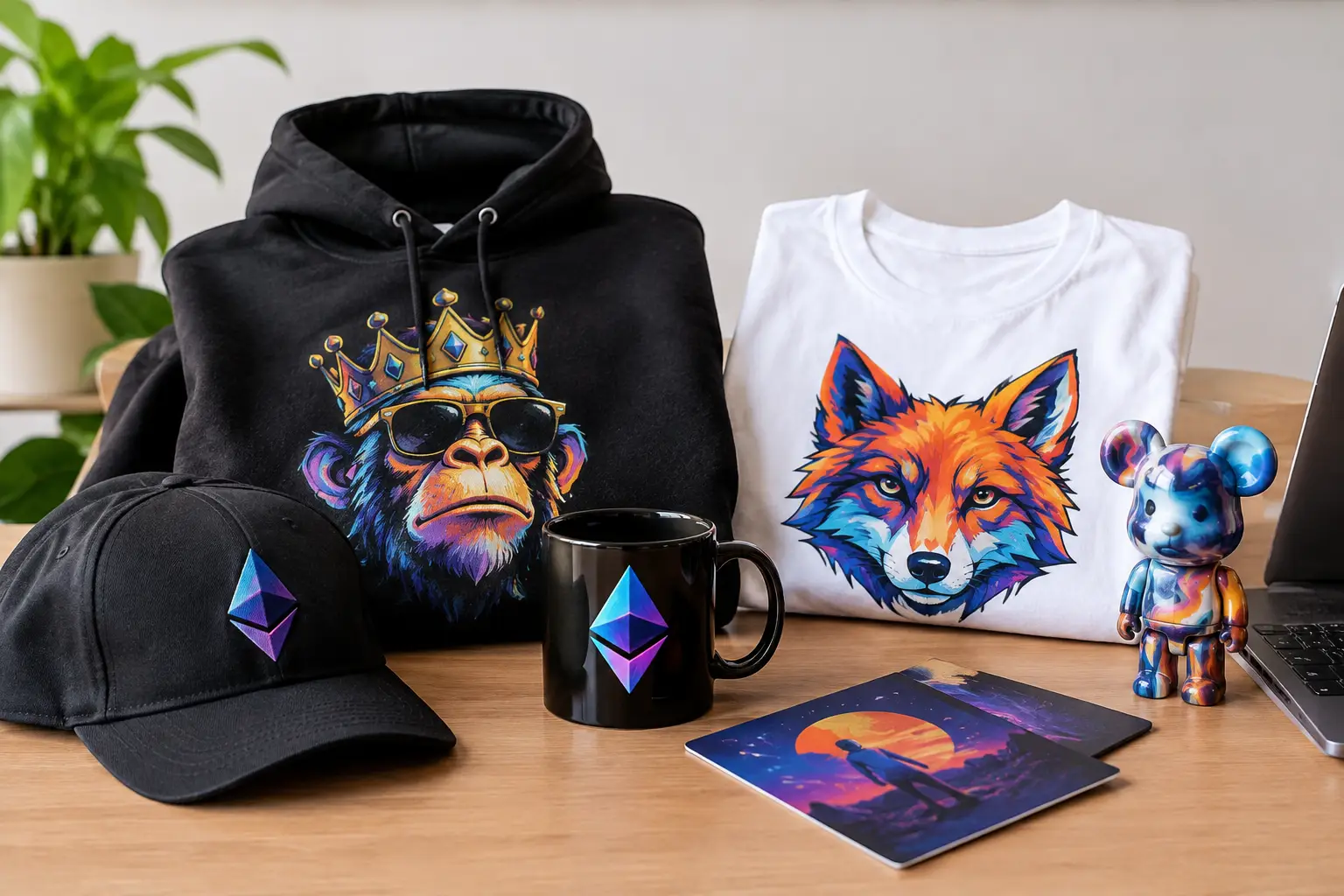
Look for strong composition, considered placement, and colors that complement the garment rather than fighting it. Front graphics should have a reason to be front graphics. Back prints should reward a second look. Sleeve details, woven-style patches, restrained branding, and small placement hits can make a drop feel more collectible without turning it into a billboard.
There is a trade-off here. Maximal art can feel truer to a chaotic, internet-native project, while minimal pieces tend to get worn more often. Neither approach automatically wins. The right choice depends on whether you want a convention flex, an everyday layer, or an art object that happens to be apparel.
The blank is part of the design
A strong graphic printed on a thin, badly cut shirt is still bad merch. Fit, weight, fabric feel, and construction determine whether a piece becomes a repeat wear or stays at the back of the closet.
For tees, look for clear sizing information and a fit that matches the intended silhouette. A heavyweight oversized shirt delivers a different energy from a lightweight standard-fit tee. Hoodies and sweatshirts need particular scrutiny: fabric weight, ribbing, pocket placement, and how the print sits over seams all affect the final result.
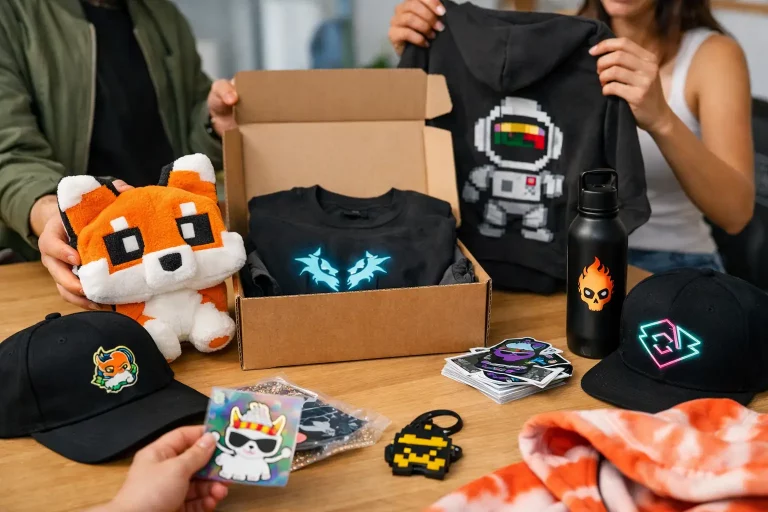
Accessories deserve the same attention. A cap should have a clean embroidery area and an adjustable fit that does not feel cheap. A tote or bag needs usable dimensions, not just a good mockup. Posters should suit the artwork’s detail level. Mugs, towels, and blankets can be fun category extensions, but they work best when the art genuinely translates to the object.
On-demand production adds a real consideration. It makes niche designs accessible without requiring a brand to gamble on huge inventory runs, and it can reduce the waste attached to overproduction. The trade-off is that production and delivery timing may differ from a stocked, ready-to-ship drop. That is reasonable when expectations are clear. Check sizing, production notes, and care guidance before you buy, especially for a gift or event deadline.
What Makes a Drop Feel Collectible
Scarcity alone is not culture. Anyone can put “limited edition” on a product page. Collectibility comes from a meaningful connection between the item and the moment around it.
An exclusive artist collaboration has a story. A design tied to a community milestone, a recognizable character, or a visual era within a project can become a timestamp for the people who were there. That context is what makes a hoodie more than a hoodie. It becomes evidence of participation.
The strongest drops also give buyers a choice in how loudly they want to rep. Some people want the full graphic treatment. Others want a subtle embroidered cap or a small patch that acts like a quiet handshake. A thoughtful collection makes space for both. Web3 identity is not one aesthetic. It can be loud, technical, playful, polished, ironic, or all of those before lunch.
Be skeptical of artificial urgency, though. A countdown clock is not proof of value. Ask whether you would still want the piece after the mint hype, market noise, or social feed cycle has moved on. If the answer is yes, it has a better chance of aging well.
Buying Web3 Merch Without Regret
Before checking out, read the product details with the same attention you would give a collectible purchase. Confirm the size chart rather than assuming your usual size. Think about layering if you are buying oversized fleece or a heavier streetwear cut. Check the print location and colorway, because mockups can make proportions look different than they feel in hand.
Then consider where you will actually wear it. A big back graphic might be perfect for an event, while a neutral crewneck with a smaller mark may get more use week to week. Buying fewer pieces that genuinely fit your wardrobe is a stronger move than collecting random branded apparel because it is adjacent to a project you follow.
Payment flexibility matters, too. Crypto payment options make sense for a Web3-native audience, but they should sit alongside familiar checkout choices and straightforward order information. The goal is low friction, not performative complexity. A good retailer respects that your time, your wallet, and your attention are all valuable.
For collectors who want an authentic starting point, NFT Merch brings recognized NFT brands and Web3 artists into a curated physical catalog, from streetwear staples to home and accessory pieces. The appeal is not simply putting NFT art on products. It is giving communities a legitimate way to carry their digital world into everyday life.
Wear the Signal, Keep the Standard
The best web3 merch does not ask strangers to understand blockchain. It gives the right people a reason to look twice. Choose pieces with real creative roots, a design you would wear even without the hype, and quality that can survive more than one photo op. Your digital identity is already on-chain. The physical version should feel just as intentional.