7 Artist Merch Benefits That Build Real Community
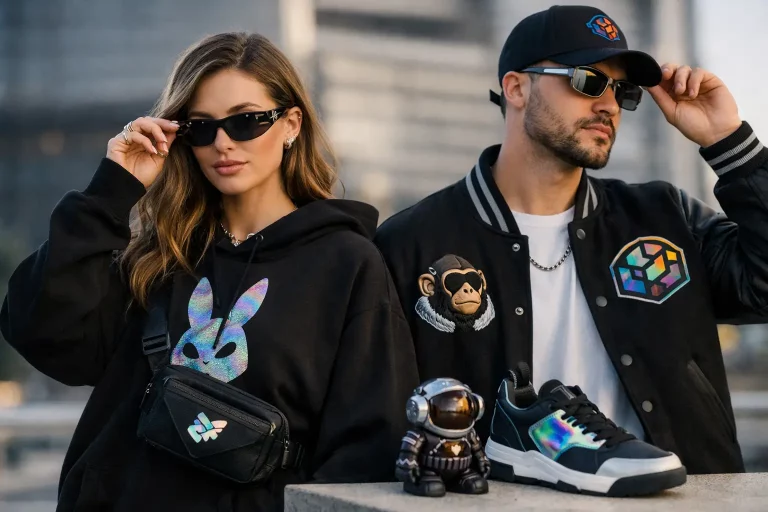
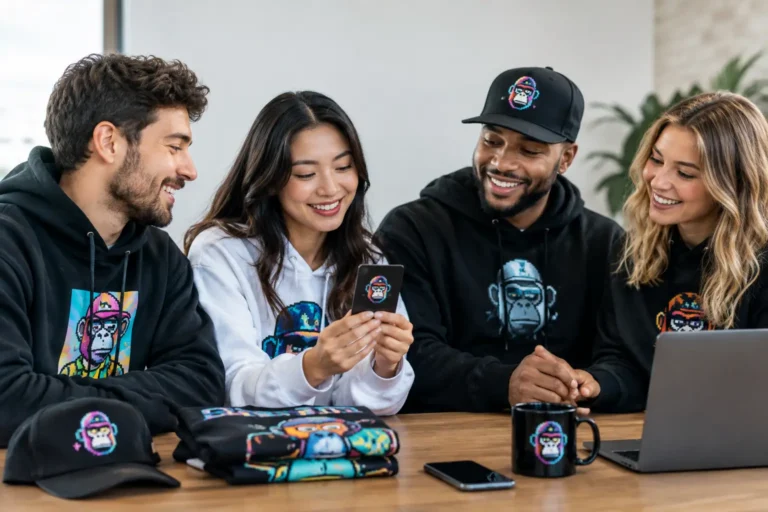
A wallet can prove ownership, but it cannot start a conversation across a crowded room. A hoodie can. That is where artist merch benefits become real: physical pieces turn a profile-picture collection, a digital artwork, or a shared onchain belief into something people can wear, spot, and recognize in the wild.
For digital artists and Web3 communities, merch is not an afterthought slapped onto a logo. Done right, it is a bridge between online identity and everyday life. It gives supporters a way to carry the culture beyond Discord, X, galleries, and marketplaces – while giving creators a new channel for revenue, visibility, and long-term relevance.
1. Merch makes digital identity visible
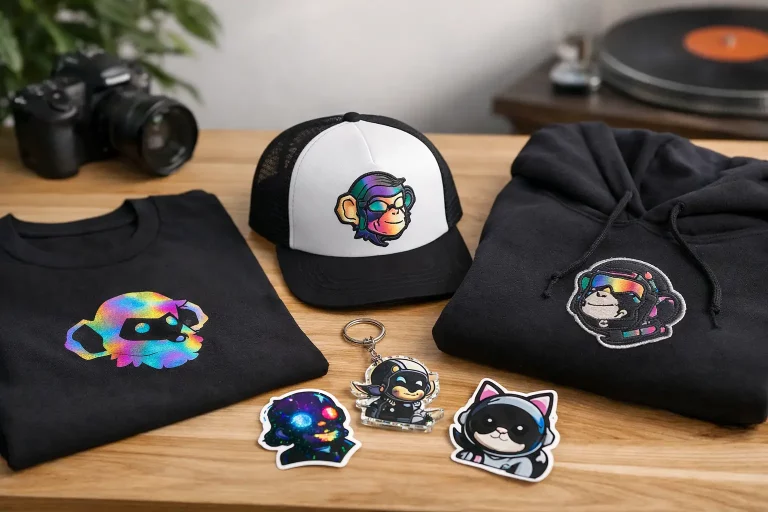
Digital art lives on screens. That does not make it less meaningful, but it can make community harder to see beyond its native platforms. A heavyweight tee with a recognizable character, a stitched cap, or a poster on a studio wall gives an artist’s visual language a place in the physical world.
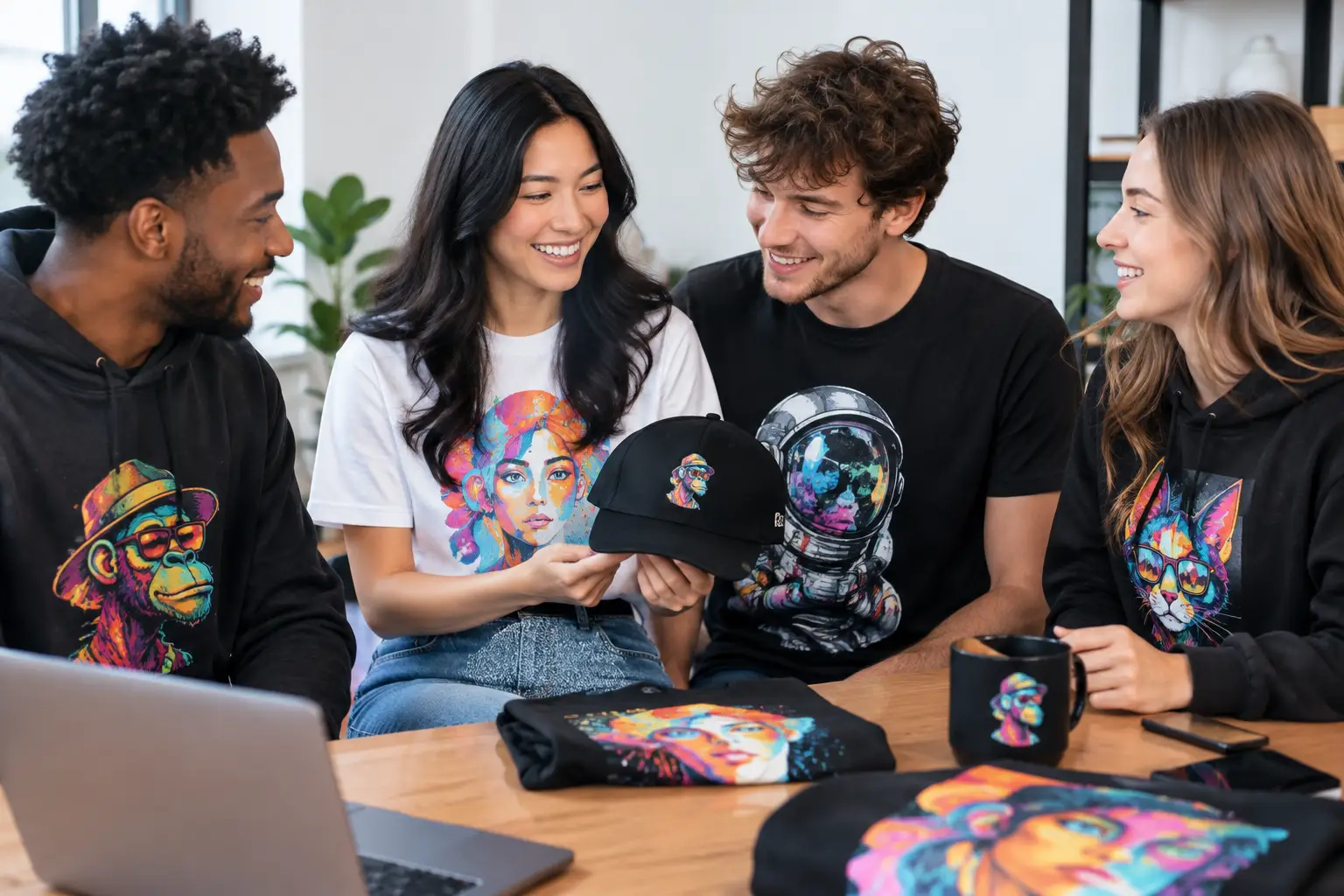
That visibility matters. Streetwear has always worked as a social signal: it tells people what scene, taste level, or idea you stand behind before you say a word. In Web3, authentic artist merch lets collectors and community members signal that they were early, that they understand the reference, or that they simply back the work.
The best pieces do more than print an NFT image at maximum size. They translate the artist’s world into a wearable design system. Think distinctive color, a recurring symbol, a cryptic phrase the community understands, or a detail that rewards a second look. The goal is not just branded clothing. It is clothing people genuinely want to wear.
2. Artist merch benefits community, not just the creator
A community becomes stronger when its members have shared rituals, language, and visual cues. Merchandise creates all three. Seeing someone in the same project hoodie at an event can turn a stranger into a conversation. Receiving an exclusive patch can make a holder feel recognized. A limited drop can create a collective moment people remember long after the checkout window closes.
This is especially powerful for decentralized communities. Members may be spread across cities, countries, and time zones, but a physical item creates a common touchpoint. It says, “we are part of the same thing,” without needing a QR code or a wallet connect prompt.
There is a trade-off, though. Community merch should never feel like a tax on belonging. If every interaction becomes a sales pitch, the culture gets thin fast. Strong brands use drops to add value to a community that already exists, not to fake one. Offer meaningful designs, clear release details, and products that respect different budgets. A sticker pack or patch can carry the same emotional charge as a premium jacket when the creative direction is right.
3. It creates revenue without flattening the art
Original art sales, royalties, commissions, and licensing can be unpredictable. Merch gives artists another way to earn from their visual universe without selling the same piece twice or relying on constant new mints.
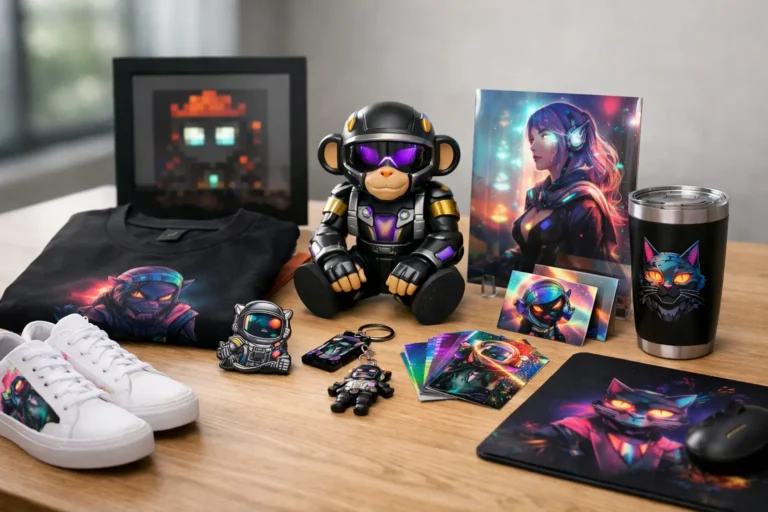
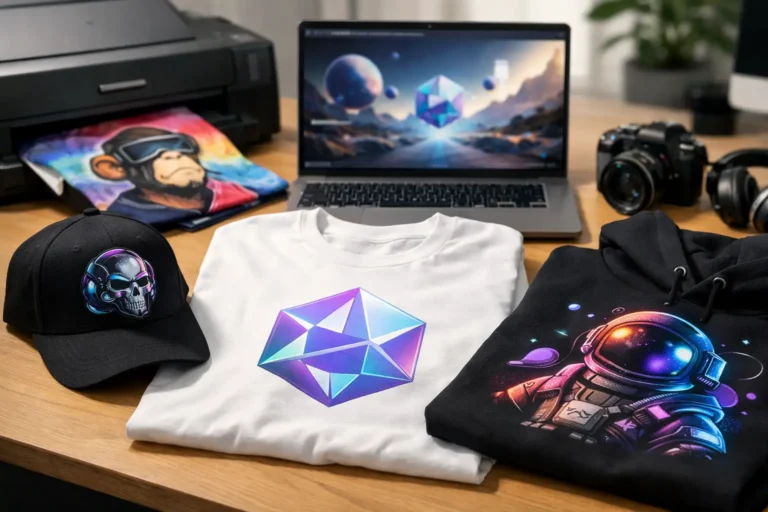
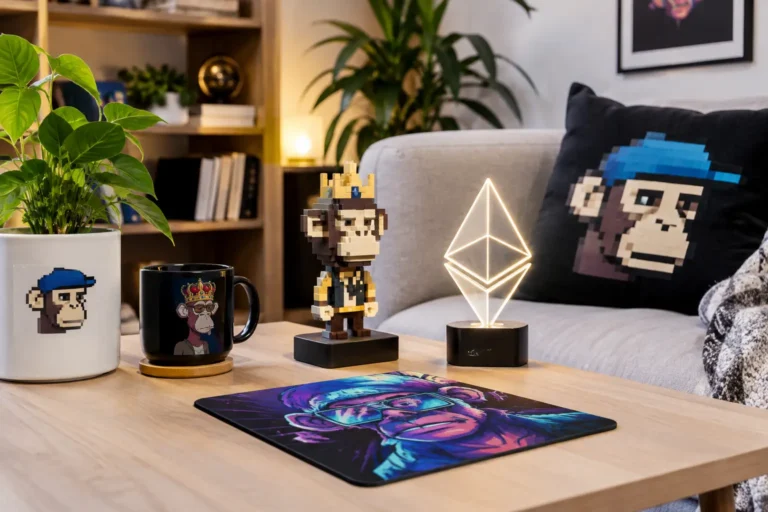
On-demand production is particularly useful for emerging artists and niche NFT brands. There is no need to gamble on a warehouse full of inventory before knowing whether a design will move. Creators can test a graphic on a tee, sweatshirt, mug, or print, learn what their audience responds to, and build from there. No minimum order quantities also make smaller, highly specific releases possible.
That flexibility does not mean every product needs every design. Flooding a store with twenty versions of the same artwork weakens scarcity and makes the collection feel generic. Start with the formats that fit the art. Character-driven projects may work beautifully on tees, caps, and stickers. Detailed illustration might deserve a poster or blanket. A bold mark could become an embroidered patch or bag detail.
Price matters too. Premium merch needs premium rationale: stronger materials, considered fit, limited availability, artist involvement, or a real collectible angle. Fans are willing to invest when they can see where the value lives.
4. A physical drop extends the life of a project
The internet moves fast. A release can dominate the timeline for a weekend and disappear under the next cycle of news, mints, and memes. Physical merchandise has a longer orbit. It remains in closets, on desks, at meetups, and in photos long after the original announcement has cooled down.
Each item becomes a durable reminder of the project behind it. A collector wearing a tee to a local event introduces the art to people who may never have encountered the collection online. A poster in a bedroom or creative workspace keeps the visual world present. That kind of exposure is not forced advertising. It is culture traveling through real life.
Limited edition drops can heighten that effect, but only when scarcity is credible. Numbered runs, collaboration-exclusive designs, or time-bound releases create urgency because they mark a moment. Artificial scarcity on basic, endlessly repeated graphics does the opposite. People can tell when a drop is designed to honor the culture and when it is only designed to extract from it.
5. Merch gives collaborators a reason to build together
Artists do not have to carry every drop alone. The strongest merch projects often come from real collaborations: an NFT artist working with a streetwear-minded designer, two communities blending visual codes, or a creator partnering with a trusted merch destination that understands both production and culture.
Collaboration brings fresh eyes to an established visual identity. It can also introduce an artist to a neighboring audience that is likely to care about the work. A well-matched partnership feels like a crossover episode people wanted, not a logo swap nobody asked for.
The creative brief should protect what makes each side distinct. Decide early whose aesthetic leads, what symbols are off-limits, how the release will be framed, and whether holders receive early access or exclusive colorways. Clear decisions prevent a collaboration from becoming a watered-down compromise.
At NFT Merch, the focus is on bringing recognized NFT brands and digital artists into physical form without losing the edge that made the original work matter. The product is part of the story, but the partnership has to feel earned.
6. It gives fans a lower-friction way to participate
Not every supporter owns an NFT. Not every community member wants to navigate marketplaces, transaction fees, or wallet setup. Merch can offer a simpler entry point: someone can buy a piece because they love the art, connect with the message, or want to support a creator directly.
That accessibility expands the audience without diluting the core community. Holders may value gated access, rare colorways, or collectible details, while new fans can enter through an open release. Both groups can share the same visual language at different levels of participation.
For global communities, flexible payment options and worldwide fulfillment matter just as much as the design. Crypto-native fans appreciate the option to pay in crypto, but easy conventional checkout keeps the door open for everyone else. The best storefront experience respects how people actually buy, not how a brand assumes they should.
7. Good merch turns supporters into active storytellers
People do not share bland products. They share pieces that make them feel sharper, closer to a scene, or part of a moment worth documenting. When an artist’s merch has a strong point of view, the buyer becomes part of its distribution – wearing it, photographing it, gifting it, and taking it to events.
This is why design quality is non-negotiable. A shirt that shrinks badly or a print that feels cheap will not earn repeat wear, no matter how strong the community is. Fit, fabric, placement, packaging, and product photography all shape whether an item feels collectible or disposable.
Artists should also think beyond the front graphic. A small sleeve mark, a hidden inside label message, a back print, or a subtle reference can make a piece feel considered. Those details create the kind of ownership fans notice and talk about. They tell the buyer they did not purchase a billboard. They bought a piece of the world.
Build the piece people will keep wearing
The real value of merch is not measured only by units sold on launch day. It shows up months later, when someone reaches for the hoodie again, gets stopped at a convention, or recognizes a fellow collector across the room. Make something that carries the art with enough confidence to live beyond the feed. Own the culture. Wear the legacy.