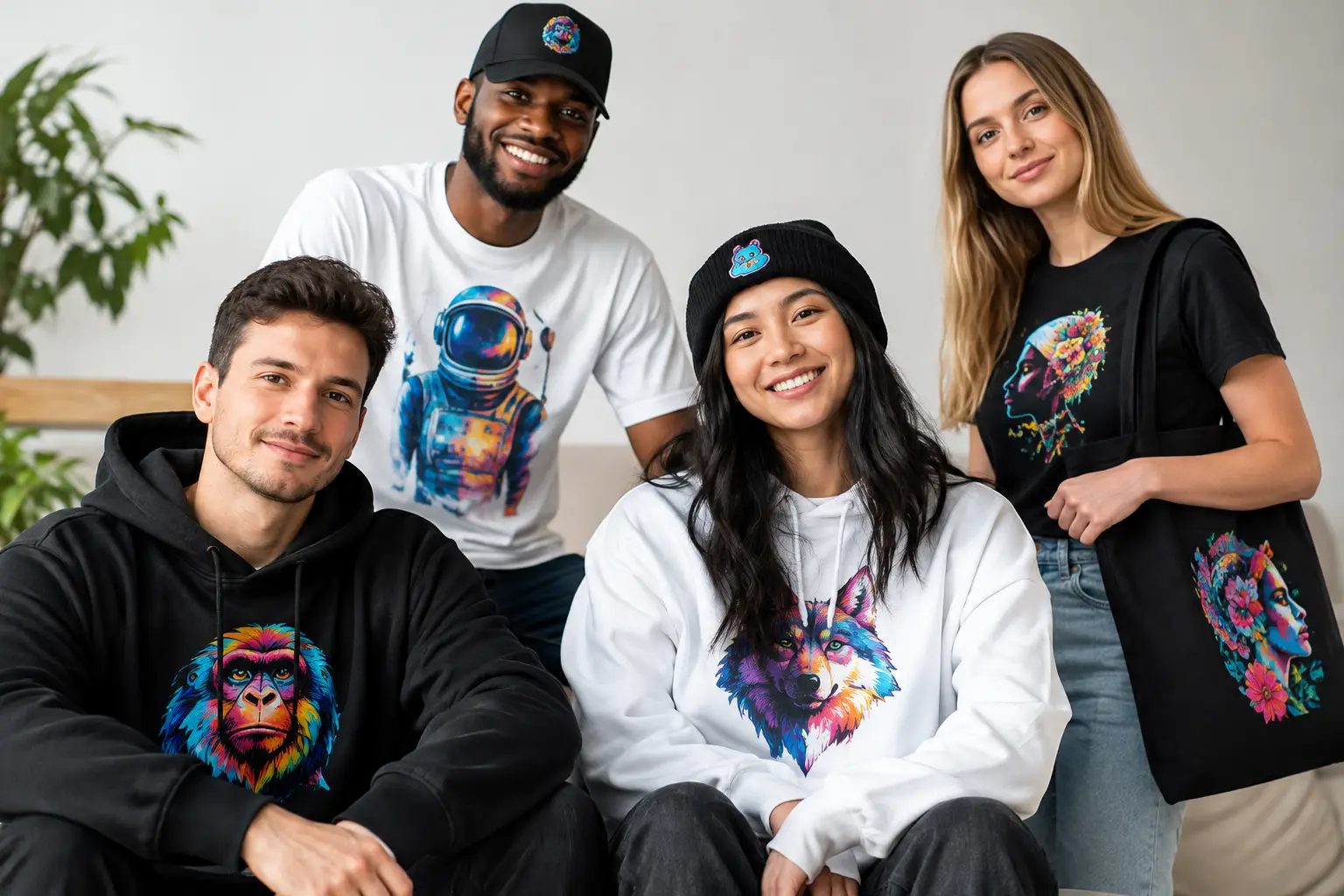
Creator Merchandise That Makes a Community Visible
A PFP can own the timeline. A hoodie can own the room. That is the real power of creator merchandise: it gives a digital community a physical presence people can wear, spot, collect, and recognize without opening a wallet or scrolling a feed.
For creators, NFT projects, and Web3 artists, merch is not a side quest. Done right, it is a signal of who built the culture, who was early, and who is still here when the hype cycle moves on. The difference between a forgettable logo tee and a piece people reach for every week comes down to identity, design, and a reason to belong.
Creator Merchandise Is More Than a Logo
The low-effort version of merch is easy to recognize. Take a profile image, put it in the middle of a blank shirt, add a name, and call it a drop. It may get a few support purchases, but it rarely becomes part of anyone’s rotation.
Strong creator merchandise starts with a point of view. It translates the visual language, lore, inside jokes, and attitude of a community into something that stands on its own as streetwear. A graphic can reference a trait from a collection without shouting it. A cap can carry a subtle mark that only holders instantly clock. A poster can turn a digital artwork into a room-defining piece.
That distinction matters because the buyer is not only paying for cotton, ink, or a collectible accessory. They are buying a visible connection to a creator or movement that already means something to them. The product has to respect that connection.
For Web3 communities, this is especially potent. Digital ownership is native to the culture, but physical goods make ownership social. They create a moment of recognition at an event, a meetup, a coffee shop, or an airport. The right piece says, quietly or loudly, I know the reference.
What Makes a Drop Feel Worth Wearing
Merch works best when it does two jobs at once: it serves the community and it looks good to someone outside it. That does not mean sanding off every strange, niche, or on-chain detail. It means treating those details with enough design confidence that they feel intentional.
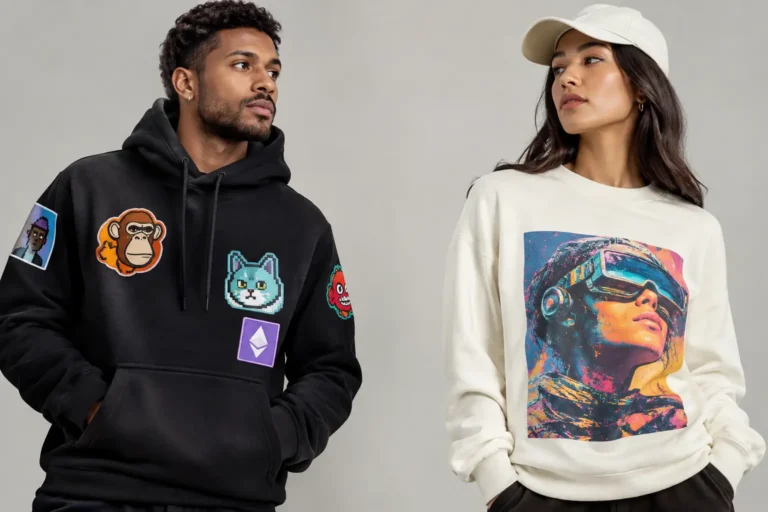
A great drop usually has a clear visual hierarchy. The hero graphic gets attention, but the garment, fit, color palette, and placement give it staying power. Oversized back prints, tonal embroidery, washed finishes, sleeve hits, and well-placed patches can carry more energy than a giant front-facing logo. The best route depends on the creator’s world. A loud digital-art universe can go maximal. A more refined collector brand may earn more from restraint.
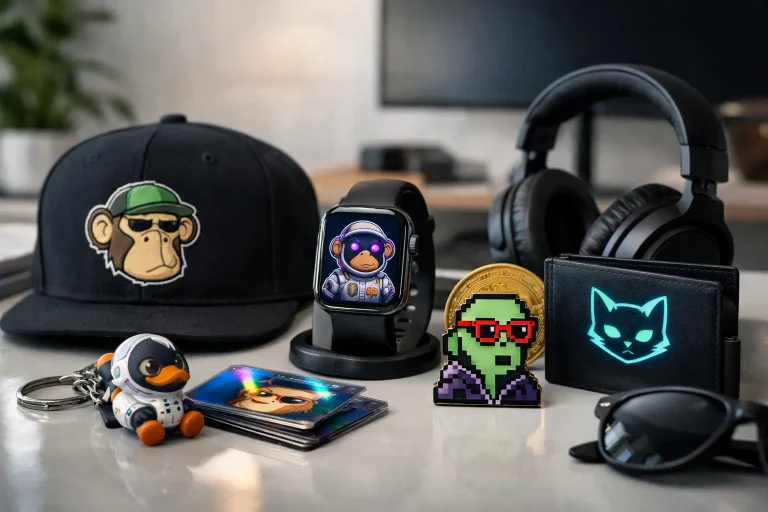
The product mix matters too. Not every community needs twenty categories at launch. Start with the pieces that match how your audience actually lives. Tees and hoodies are natural anchors, but a cap, tote, sticker pack, mug, or blanket can make a collection feel more collectible and accessible at different price points.
Limited releases can add urgency, but scarcity alone is not a strategy. If every item is labeled exclusive, none of it feels exclusive. Give the drop a real reason to exist: a collaboration, a milestone, a new chapter in the art, a conference appearance, or a holder-led moment. People can tell when a release has a story and when it is just inventory wearing a countdown timer.
Design for recognition, not just reach
The strongest community symbols are rarely the most obvious ones. Think about the motifs that members use in replies, memes, spaces, and collector chats. A color combination, a phrase, a character detail, or a visual glitch can become a shorthand for belonging.
This is where creators have an edge over generic apparel brands. You already have a language your audience understands. Use it. A piece that feels coded for the community can be more powerful than one designed to appeal to everyone.
There is a trade-off, of course. Go too obscure and new supporters may feel locked out. Go too broad and core members may feel like the culture has been diluted. The smart middle ground gives insiders a deeper reference while still making the design visually strong on first look.
Physical Merch Extends Digital Ownership
A wallet proves provenance. A shirt makes the affiliation public.
That does not make physical merchandise a replacement for NFTs or digital collectibles. It is a different layer of the same identity. The NFT can be the access point, art object, membership marker, or historic receipt. The garment becomes the real-world extension of that relationship.
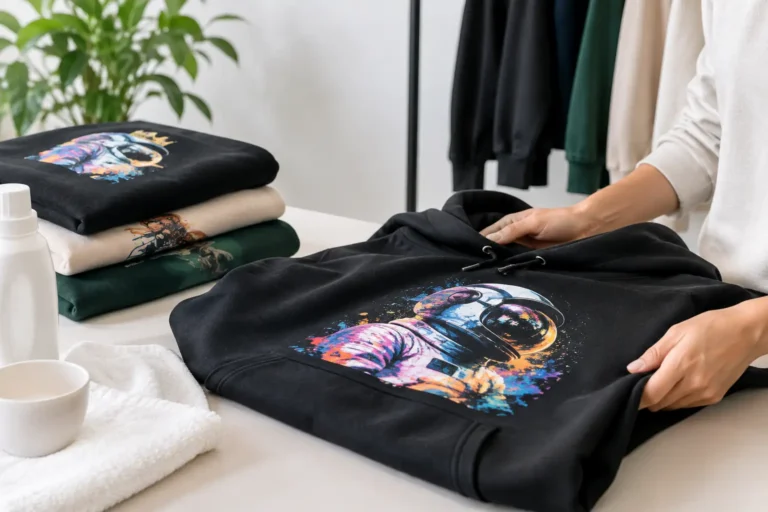
This is why quality matters more than a low headline price. A community member will forgive a longer wait for on-demand production more readily than they will forgive a hoodie that shrinks after one wash or a print that cracks before the next event. On-demand production also has a practical upside: creators can test demand without sitting on a garage full of unsold stock, and supporters can buy the size and item they actually want.
For collectors, physical pieces can become artifacts of a specific era. A first collaboration, a minted collection anniversary, or a breakout creator moment can carry meaning years later. That is not guaranteed by adding a numbered label, but thoughtful presentation helps. Consider collection names, release dates, artist credits, and packaging details that give the item context without turning it into a gimmick.
Build Trust Before You Ask for the Checkout
Web3 buyers are used to checking receipts. They know the difference between official art, a licensed collaboration, and someone farming attention from a recognizable project. A merch drop needs to make its authenticity clear through consistent branding, credited artists, and an obvious connection to the creator or community it represents.
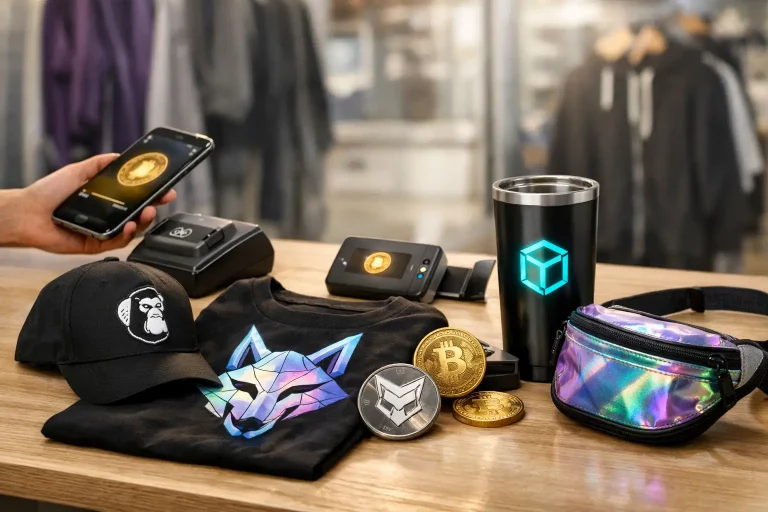
That trust should continue through the buying experience. Clear sizing, realistic product imagery, transparent production expectations, worldwide delivery options, and familiar payment choices remove friction without making the release feel corporate. Crypto payments can be a meaningful option for a Web3-native audience, but they should complement straightforward checkout rather than become a barrier.
Authenticity also means respecting the creative work. If a project has a distinctive visual system, do not flatten it into stock graphics and recycled crypto slogans. If the artist is known for surreal characters, bold typography, or a particular color universe, let those choices lead. People buy official merchandise because they want proximity to the source, not an approximation.
This is the lane NFT Merch is built for: physical products that carry recognized digital culture into the real world, with curated collaborations instead of generic print-shop energy. The goal is not to make every community look the same. It is to give each one a credible way to be seen.
How Creators Can Plan a Better First Drop
Before choosing products, get precise about the role the collection will play. Is it a reward for existing holders? An entry point for fans who missed the mint? A collaboration designed to reach adjacent streetwear audiences? The answer changes the release size, pricing, messaging, and visual direction.
Then choose one central idea and let the collection orbit it. A single hero design can appear differently across a heavyweight tee, hoodie, cap, and poster, while smaller accessories give supporters lower-commitment ways to join. Cohesion beats an overloaded catalog. If every item tells a different story, the drop can feel like a random asset dump.
Pay attention to the details buyers notice after delivery. Garment color is not neutral. Black may make a neon graphic hit harder, while cream can make an illustration feel more like an art print. Print placement changes perceived quality. A front chest mark and full back graphic may feel more intentional than a single oversized image. Product descriptions should explain the concept, but they should not need to rescue a weak design.
Finally, give the community something to do with the release beyond purchasing it. Encourage fits at meetups, collector photos, artist features, or a shared tag that turns individual orders into a visible moment. Merchandise becomes more valuable when people see it being worn by others who understand the culture.
The next time you plan a drop, do not ask only what can go on a shirt. Ask what your people would be proud to wear when the screen is off. Build that piece, and the community will carry the signal further than any feed can.