Do Token Gated Drops Ship? What Holders Need to Know
A token gate can get you through the digital velvet rope, but the question that matters once the drop lands is simple: do token gated drops ship? When the release includes physical merch, the answer is usually yes – but your wallet is only the access pass. You still need to claim the item, provide a shipping address, and understand how that specific drop handles production and fulfillment.
That distinction matters. A token-gated product can be a digital collectible, a permission to buy, a free holder redemption, or a limited physical item already included with a purchase. Each model has a different path from your wallet to your doorstep.
Do Token Gated Drops Ship Automatically?
Not always. Token gating verifies that you are eligible. Shipping begins only when the drop’s claim flow captures the details needed to fulfill a physical order.
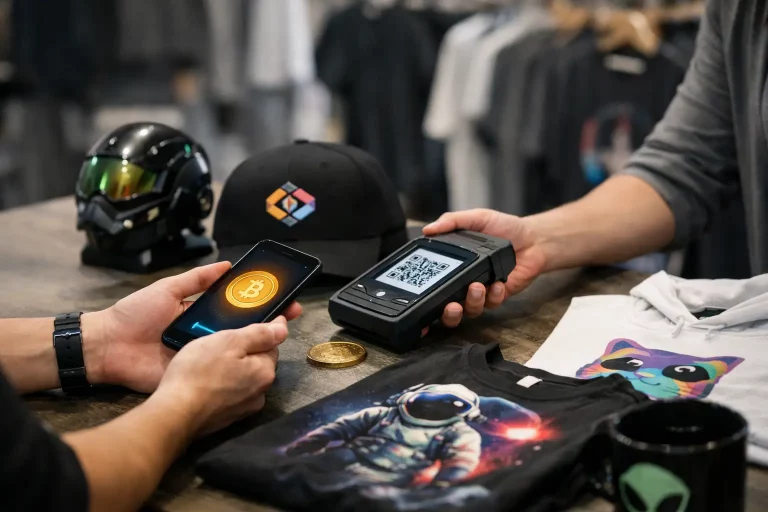
For a holder-only streetwear release, you may connect the wallet holding the required NFT, select your size and color, then enter your delivery address and pay shipping if applicable. In that case, the item is shipping to you just like any other ecommerce order. The gate protects access. The checkout creates the fulfillment order.
Some drops are structured as free redemptions. The NFT or token proves eligibility for one item, but you may still need to cover postage, taxes, or both. Others are purchase-gated: holders receive early access or exclusive access, then buy the item during a defined window.
There is also a third setup that catches people out: token-gated drops that are entirely digital. A wallet claim, an airdrop, or a token-gated mint does not automatically mean a box is coming. If the listing does not clearly describe a physical product, size options, shipping regions, or fulfillment timing, assume it is digital until the drop terms say otherwise.
The Four Most Common Physical Drop Models
Physical Web3 merch is not one-size-fits-all. Knowing the format helps you understand what you are committing to before you hit claim.
Holder redemption
A collection holder can redeem a physical item, often one per eligible NFT or wallet. The product may be free, while shipping is charged at checkout. This format rewards early community members without turning the item into an open public release.
Read the redemption rules closely. Some campaigns require you to burn, lock, or transfer the token to redeem. Others only verify ownership at the moment you claim. Those are very different decisions, especially if the asset has collector value beyond the merch.
Token-gated purchase
This is closer to a private store opening. Your NFT grants access to a product page or checkout, and you purchase the item normally. The gate may offer a limited colorway, a holder-only graphic, first access before a public launch, or a special price.
Because it is a standard purchase flow, shipping is usually straightforward. You will receive an order confirmation, a production update where relevant, and tracking once the package is handed to the carrier.
Claim code or allowlist drop
Some communities verify holders first, then distribute a code or allowlist spot. The code lets you place an order during a specific period. It is still token-gated in spirit, but you may not need to connect your wallet at checkout.
Treat the code like access, not ownership of the product. Until your order is confirmed, your merch is not reserved unless the release explicitly says it is.
Bundled physical utility
A few digital collectibles include future physical merch as part of their utility. The item might be sent after a reveal date, a collection milestone, or a holder snapshot. These drops can feel automatic, but most still require an address collection step.
Never assume the project can ship to the wallet holder. A blockchain address is not a mailing address, and responsible fulfillment partners should not ask you to expose more data than necessary.
What Happens After You Claim?
Once the claim is complete, physical fulfillment follows a familiar ecommerce rhythm, with a few Web3-specific checkpoints. Your eligibility is checked, your order information is recorded, and the item enters either inventory fulfillment or production.
If the product is made on demand, production starts after the order is placed. That model is especially useful for apparel because it reduces dead stock and lets communities offer more sizes without guessing demand months in advance. The trade-off is that it can take longer than shipping an item from a warehouse shelf.
A stocked, pre-produced limited run may move faster, but size sellouts and hard caps are more likely. A made-to-order drop gives more holders a fair shot, while a pre-made drop can feel more collectible because the quantity is fixed from day one. Neither is automatically better. It depends on whether the community values speed, scarcity, size inclusion, or lower-waste production most.
After production, the package is packed and passed to a carrier. Tracking is generally created at that point. International orders can take additional time because of customs processing, local carrier handoffs, and country-specific import rules.
Shipping Costs, Taxes, and International Orders
A gated drop is exclusive access, not necessarily free global delivery. Shipping terms vary by product, destination, and release format.
For US buyers, domestic shipping is usually the cleanest route, though sales tax may apply based on the delivery address. For international holders, the checkout price may or may not include duties and taxes. If those charges are not collected at checkout, your local customs authority or carrier may request payment before delivery.
This is not a hidden Web3 fee. It is the same cross-border reality that applies to any physical purchase. The difference is that token-gated communities are global by default. A holder in Los Angeles, London, Seoul, and São Paulo may all qualify for the same drop, but their shipping cost and delivery window will not be identical.
Before ordering, check whether your country is supported, whether the shipping method includes tracking, and whether import fees are prepaid or due on arrival. If a drop is tied to a short claim period, do not wait until the last hour to discover that your region is excluded.
Before You Claim: Read These Details
The strongest drops make fulfillment details easy to find. If you are spending crypto, fiat, or collector access on a physical piece, look for clear answers on the product page or in the claim instructions.
You want to know whether the item is physical, what qualifies your wallet, whether ownership is checked once or throughout the process, and whether a token must be burned or retained. Confirm the claim deadline, sizing information, production timeline, shipping destinations, delivery fees, and refund or exchange policy.
For apparel, sizing deserves extra attention. Limited drops can have restricted exchanges, particularly when each item is produced after ordering. Check the size chart against a garment you already own and like. The flex is better when the fit is right.
Also protect your wallet. A legitimate gate should ask for a wallet connection or signature to verify ownership. Be cautious if a site asks for your seed phrase, private keys, or an unclear transaction approval. No merch drop needs your recovery phrase. Ever.
Why Shipping Makes Token-Gated Merch More Than a Perk
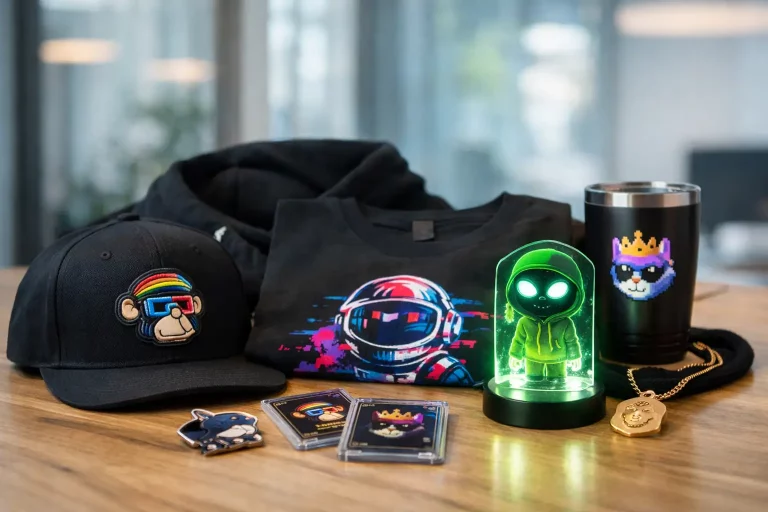
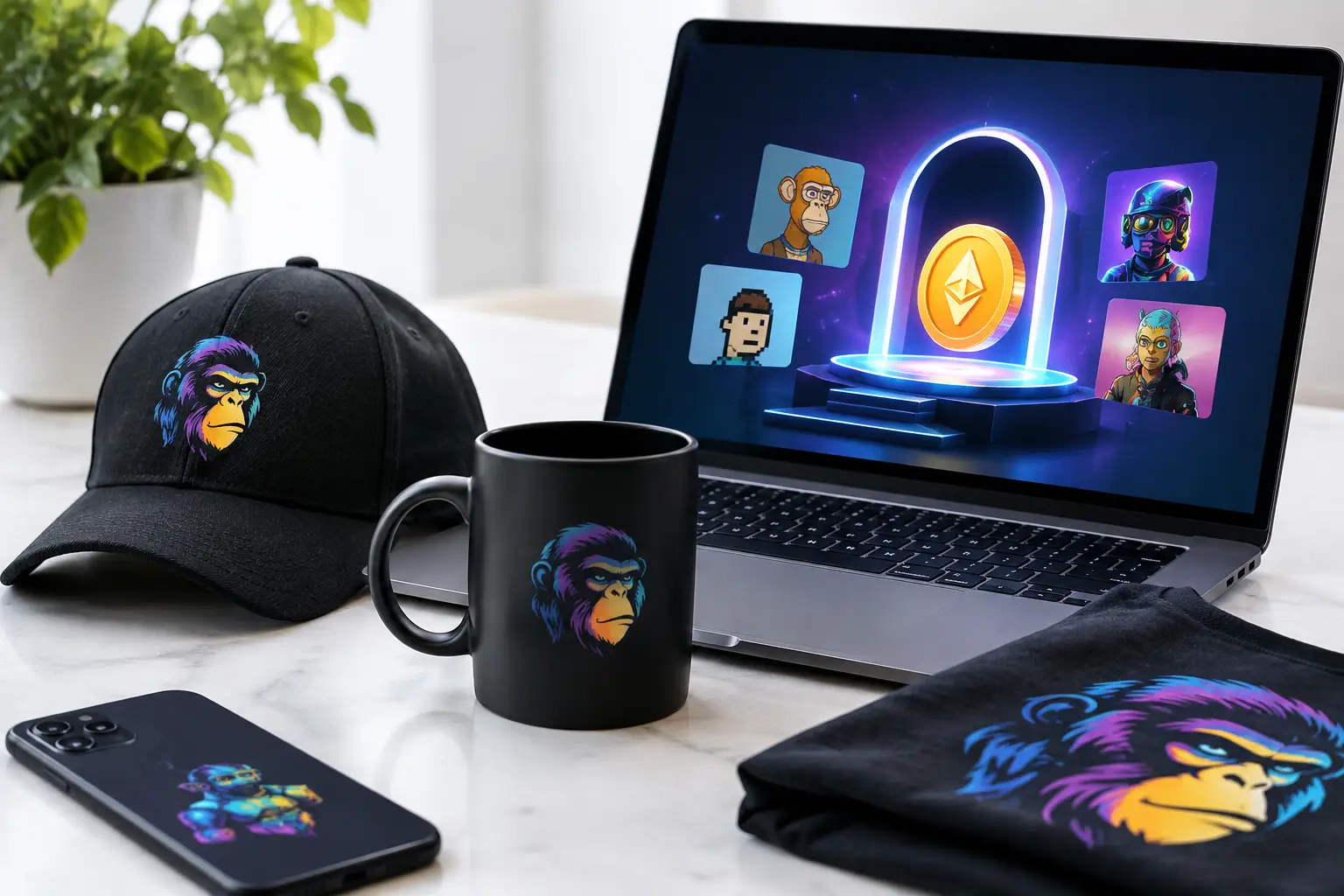
Digital ownership has always been visible online. Physical drops give it weight offline. A hoodie, cap, poster, or patch turns a wallet-held affiliation into something that shows up at a meetup, on campus, at a festival, or in the daily rotation.
That is why fulfillment is part of the product experience, not an afterthought. Poorly explained shipping can turn a high-energy launch into a support nightmare. Clear claim windows, honest production times, and reliable tracking let the community focus on the part that matters: wearing a piece of the culture they helped build.
At NFT Merch, the point of physical Web3 apparel is not to slap a token on a blank tee. It is to make digital identity feel real, wearable, and worth keeping long after the feed moves on.
If you are considering a token-gated drop, claim with the same intention you bring to collecting: verify the terms, choose your size carefully, and keep your confirmation details. The best package is not just proof that you got in. It is proof that your community can travel with you.