A Guide to Limited Merch Drops That Matter
A limited drop can sell out before the group chat has finished arguing about the best colorway. That is the point. This guide to limited merch drops is for collectors who see a hoodie, cap, or print as more than a checkout-page purchase. The right piece carries a community signal from the timeline into real life.
In Web3, digital identity moves fast. A project can own the conversation for a week, a season, or years. Physical merch gives that identity weight. It is a way to represent the art, the lore, the people, and the era you were actually part of. But scarcity alone does not make a drop worth owning. Authenticity, design, timing, and personal connection do.
What Makes a Limited Merch Drop Different
A limited merch drop is a release available in a restricted quantity, for a short window, or only to a defined community. Sometimes all three apply. The scarcity may come from a numbered run, a members-only presale, a collaboration that will not be repeated, or an on-demand order window that closes on a specific date.
That final model matters. Made-to-order drops can be limited by time rather than a pile of pre-produced inventory. It gives collectors a fairer shot while reducing excess production. The trade-off is simple: you may need to wait for your piece to be made and shipped. If you expect next-day fulfillment from a limited, on-demand release, you are reading the format wrong.
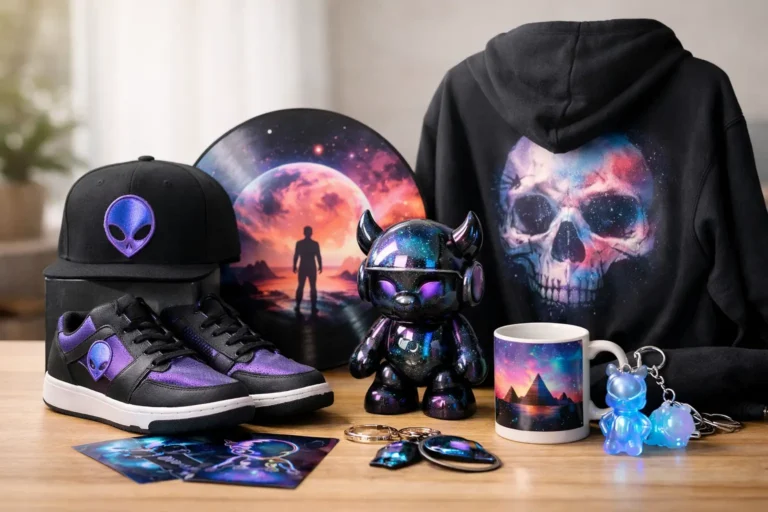
The best drops have a reason to exist beyond a countdown clock. They translate recognizable project art, artist signatures, or community references into something that still looks sharp away from a screen. A tee with a random wallet joke may get a laugh. A well-built graphic with a real visual point of view can become part of your rotation.
Start With the Signal, Not the Hype
Before you chase a drop, ask what it says about the community behind it. Is the design tied to a recognized NFT project, an established Web3 artist, or a moment that holders actually care about? Is it official, licensed, or released through a credible partner? Those questions separate culture from copy-paste crypto apparel.
Authentic merch is not only about protecting resale value. It is about respect for the artists and projects that gave the imagery meaning in the first place. Unofficial designs often flatten a community into its most obvious visual trait. Official collaborations can go deeper, pulling from character details, lore, visual language, and collector history that outsiders miss.
There is also a personal filter. You do not need to buy every drop attached to a project you follow. The piece should fit your life. A loud all-over print might be perfect for an event, while a heavyweight crewneck with a smaller mark may get more wear. Status is strongest when it feels natural, not rented for one photo.
Check the drop mechanics
Scarcity can be real, but it can also be vague marketing. Read the release details before the window opens. Look for whether the drop is quantity-limited, time-limited, exclusive to holders, or open to everyone. Each model creates a different collector experience.
A holder-gated release rewards long-term participation but may leave newer community members outside the rope. An open timed drop is more accessible, though it may feel less rare. A fixed-quantity run has the sharpest urgency, but it can favor people with the fastest connection and the earliest alert. There is no perfect format. The right one depends on whether you value access, scarcity, or proof of early participation.
How to Prepare for a Drop Without Panic Buying
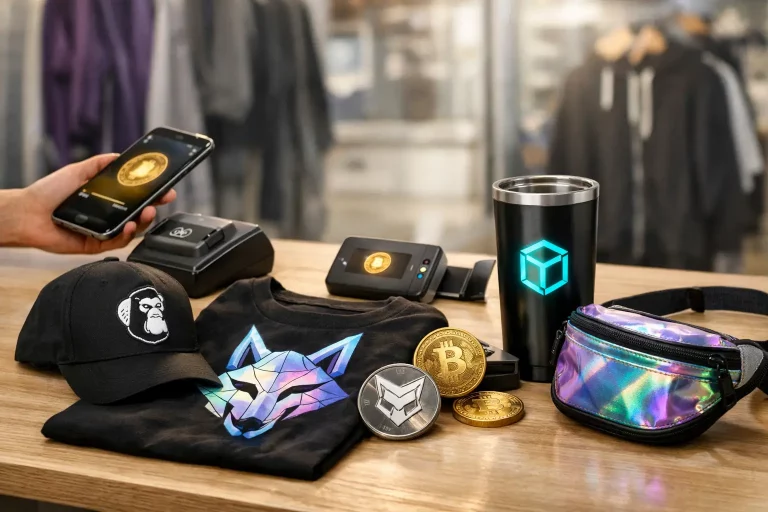
The cleanest checkout happens before launch day. Know your size, shipping address, payment method, and spending limit. If crypto is an option, make sure your wallet and network are ready well ahead of time. Do not try a first-time payment setup while stock is disappearing.
Set a real budget, especially when a community has several pieces releasing at once. A full collection can look powerful in the campaign imagery, but you may only wear one or two items regularly. Choose the hero piece first. That might be the jacket, the graphic tee with the strongest art, or the accessory that makes the collaboration instantly recognizable.
Use this quick decision filter before you check out:
- Is this official merch from a project, artist, or trusted collaborator?
- Would I wear or display it if nobody knew it was limited?
- Does the fit, material, and color work with what I already own?
- Am I buying the piece itself, or only reacting to the timer?
- Can I afford it without treating merch like a speculative asset?
That last question keeps the culture healthy. Some limited pieces may gain collector interest, but merch is not a guaranteed trade. Buy it because the design and affiliation mean something to you. Any future demand is a bonus, not the thesis.
Read Product Details Like a Collector
A campaign image tells you the mood. Product details tell you what arrives at your door. Check the garment type, fit notes, sizing chart, fabric composition, print placement, care guidance, and fulfillment timeline. Streetwear is visual, but comfort determines whether a piece earns repeat wear.
Pay special attention to fit. An oversized tee, a standard unisex tee, and a cropped silhouette can all look similar in a stylized product shot while wearing completely differently. Measure a favorite item you own and compare it to the listed dimensions when available. It takes two minutes and saves the usual post-drop regret.
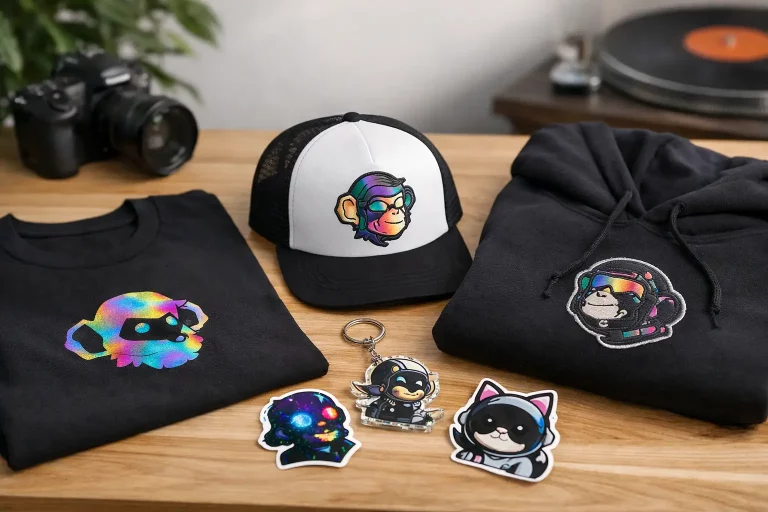
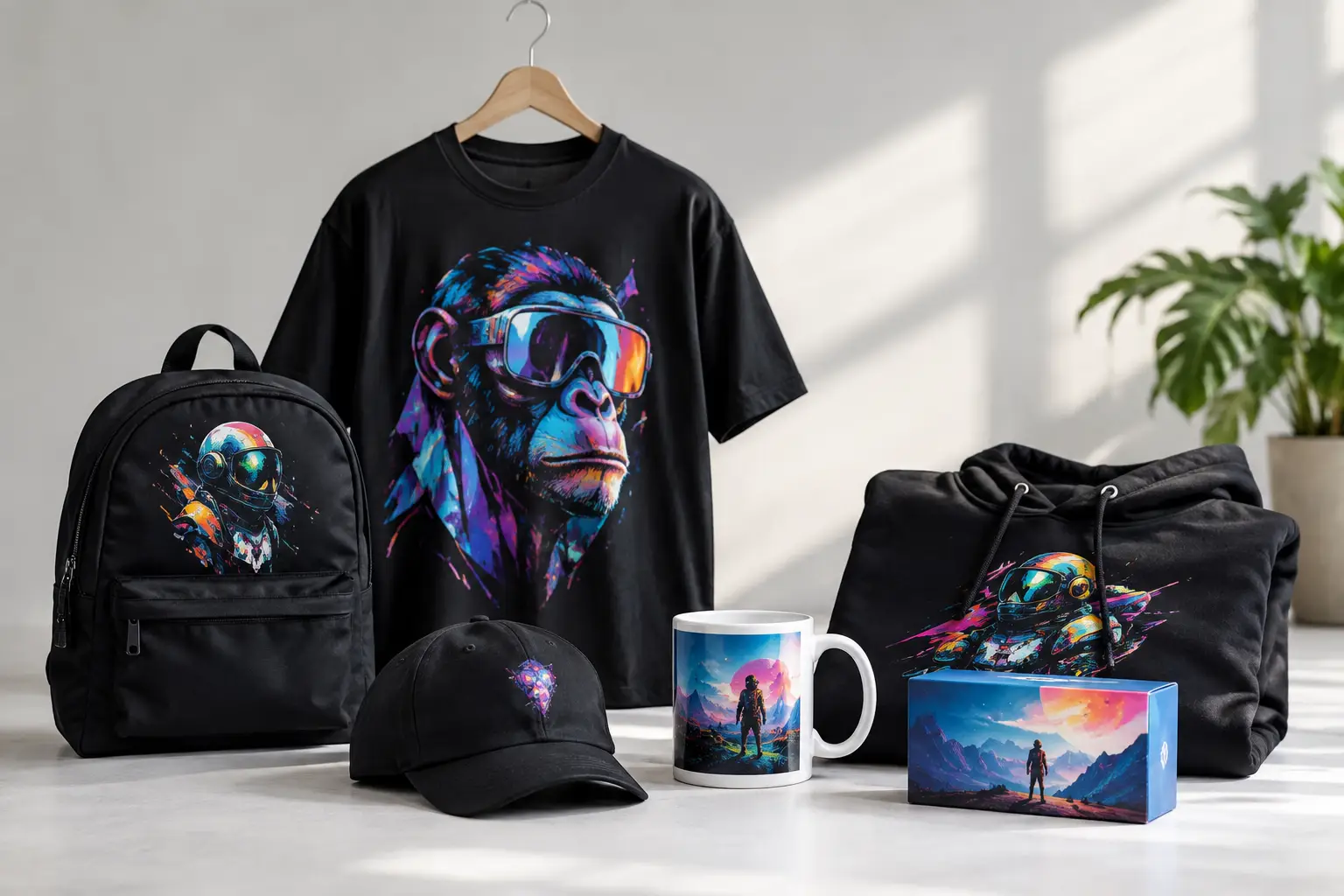
For accessories and home pieces, think about use rather than novelty. A patch works if you have a jacket or bag ready for it. A poster works if the art deserves wall space. A towel or blanket can be a statement piece, but only if the graphic is strong enough to carry the scale. The format should serve the design.
Why On-Demand Can Be the Better Flex
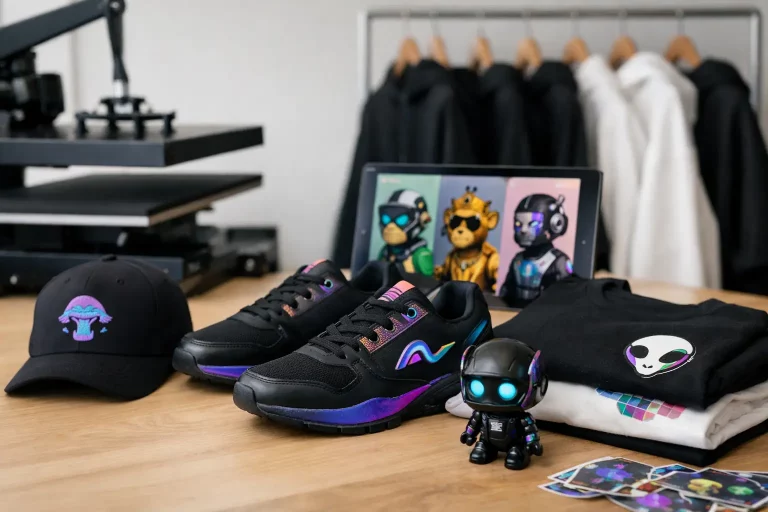
Traditional limited drops often rely on overproduction, guessing demand, and leaving latecomers empty-handed. On-demand production changes the equation. It allows a collection to remain exclusive through its release window while avoiding unnecessary inventory sitting in a warehouse.
For Web3 communities, that model fits the culture. Digital ownership has trained collectors to care about provenance, access, and intentional supply. Physical goods can reflect the same mindset without forcing every purchase into an artificial race. You still need to act before the window closes, but the drop can reward commitment rather than only speed.
The compromise is fulfillment time. Production begins after an order is placed, so patience is part of the transaction. For a collaboration you genuinely want to wear, that is usually a fair exchange for a piece made for your order rather than pulled from surplus stock.
Wear the Reference, Do Not Overdo It
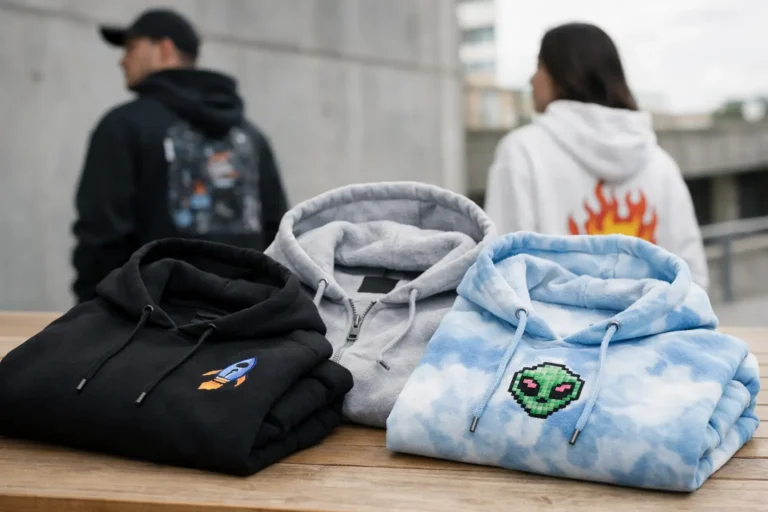
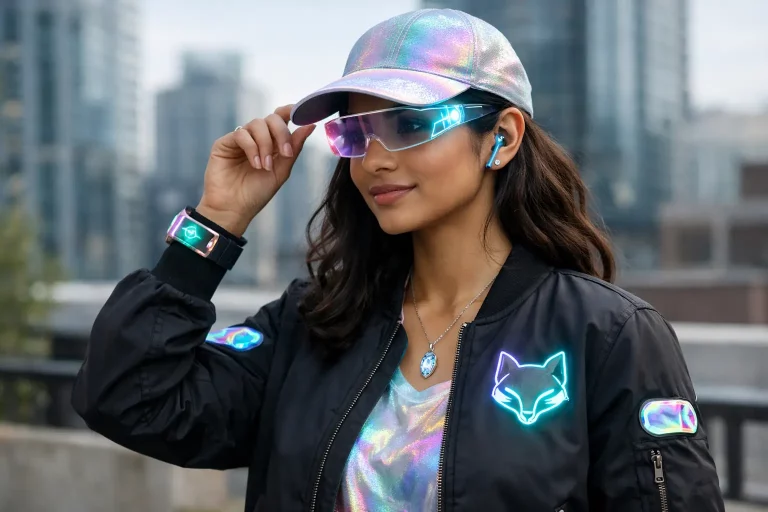
The most effective Web3 fits let one reference lead. If your hoodie carries a bold project graphic, balance it with clean pants and simple sneakers. If you are wearing a subtle cap or patch, you have more room to layer in color and texture. The goal is not to turn yourself into a walking mood board. The goal is to make the reference land.
This is where limited merch earns its place beyond the feed. At an IRL event, a recognizable graphic can start a conversation before you introduce yourself. At home, a print or blanket can make your space feel connected to the art and communities that shaped your online life. The item becomes a physical handshake between people who already share context.
NFT Merch approaches that connection through official-feeling, culture-first pieces made for collectors who want more than generic crypto slogans. The strongest collaborations make the project recognizable without making the wearer look like an ad.
The Drop You Miss Is Not Always the One You Lost
Missing a release stings, especially when the community is posting fit pics an hour later. But forcing a purchase out of fear rarely creates a piece you will value. More drops will come. Better designs will come. Your collection should feel edited, not anxious.
Keep an eye on artists, projects, and collaborations that consistently match your taste. When the right release appears, show up prepared, buy with intention, and give it a real place in your wardrobe or space. Own the culture in a way that feels like you – not like the countdown told you to.