How to Launch Creator Merch Fans Will Wear
A creator’s first merch drop should not feel like a digital business card printed on a tee. Your community already has screenshots, profile pictures, memes, and collectible assets. Physical merch has to earn space in their rotation by turning that shared language into something they want to wear outside the timeline.
That is the real answer to how to launch creator merch: build a product people recognize as a signal, not a souvenir. The best drops turn audience loyalty into an offline identity. They make a holder, collector, fan, or Discord regular feel like they are part of the story – without making them look like a walking ad.
Start with the community signal
Before choosing blanks, colors, or product pages, get clear on what your community is actually proud to claim. A successful creator merch line is not built around your logo alone. It is built around the symbols, phrases, visual codes, and cultural moments that your people already share.
For a digital artist, that might be a signature character silhouette or a color treatment collectors instantly recognize. For a Web3 creator, it could be a recurring meme, a trait from a collection, a lore reference, or a phrase that only the community understands. The strongest design references do not need a paragraph of explanation. They create instant recognition for the people who get it.
This is where generic creator merch falls apart. Slapping an avatar, wallet address, or oversized logo on a standard shirt may satisfy the urge to launch quickly, but it rarely creates demand beyond the first wave of superfans. Treat the brand world as raw material, then edit it through a streetwear lens.
Ask a direct question: would someone wear this even when they are not attending a meetup, livestream, or conference? If the answer is no, the concept needs more work.
Define what the drop is meant to do
Merch can drive revenue, reward early supporters, create a collectible moment, or give a growing community a clearer visual identity. It can do all four, but one goal should lead. That decision shapes the product count, pricing, release format, and how loudly you promote it.
A community-reward drop may work best as a limited run with a private access window. A growth-focused collection needs stronger hero pieces and broad appeal, so newcomers can participate without needing years of lore. If the goal is pure experimentation, on-demand production lets you test a concept without gambling on a garage full of inventory.
Scarcity is powerful, but only when it is real. A limited drop should have a genuine reason for its limit: a collaboration, a seasonal concept, a numbered design, or a specific cultural moment. Manufactured hype gets old fast. Communities can spot it.
Build a tight first collection
Your first launch does not need 30 products. In fact, too many choices can make a new line feel unfocused and make every product harder to market. Start with a small, deliberate capsule built around one visual world.
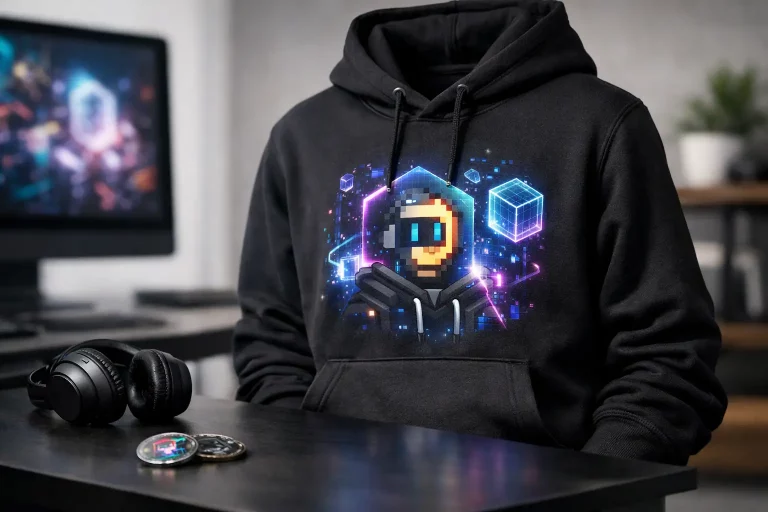
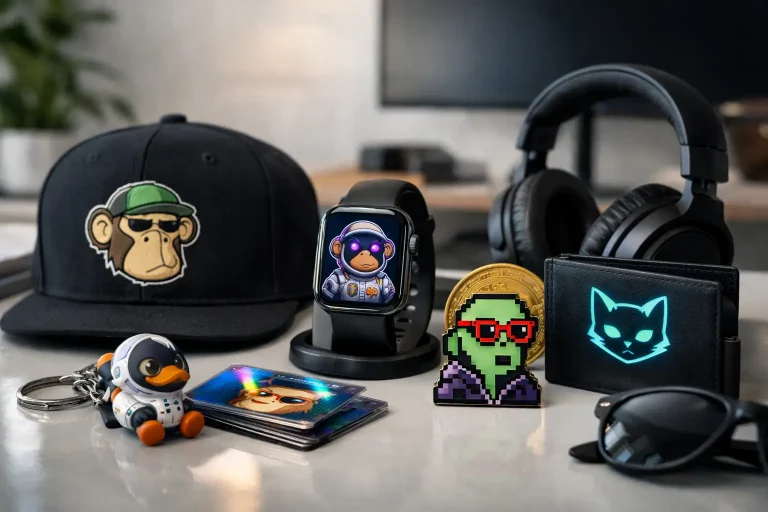
A reliable opening collection usually includes a hero garment, an accessible entry piece, and one collectible accessory. Think heavyweight hoodie, graphic tee, and a cap, tote, poster, or sticker pack. The hero product carries the identity. The entry piece gives more people a way in. The accessory keeps the drop visible in desks, bags, and everyday setups.
Choose products based on your audience’s real behavior. Hoodies make sense for a community that lives in gaming servers, late-night spaces, and colder climates. Tees are easier to buy on impulse and easier to style. Posters and patches can be smart for collectors who want the art without another garment. The point is not to copy a streetwear catalog. The point is to create the right physical extension of your digital culture.
Make every piece feel intentional
Use garment color, print placement, fabric weight, and fit to say something. A small chest mark with a bold back graphic can feel more premium than a giant front print. A washed black tee may suit a darker collection better than bright white. An inside label message, numbered hangtag, or subtle sleeve detail can turn a basic item into a piece people talk about.
Be disciplined with design. If the artwork only works because it is huge, busy, or covered in text, it may be trying too hard. Great merch creates a second look. It rewards recognition.
Price for trust, not just margin
Creators often make one of two mistakes: pricing so low that the product feels disposable, or pricing so high that the community feels treated like an ATM. The right price depends on garment quality, print complexity, production method, packaging, shipping, and the strength of your brand equity.
Premium positioning can absolutely work in Web3, especially when the product feels exclusive, thoughtfully designed, and tied to real community history. But premium has to show up in the experience. Product images should make fit and details clear. Descriptions should explain what makes the item special without inflating the story. Customers should know when it will ship and what they are paying for.
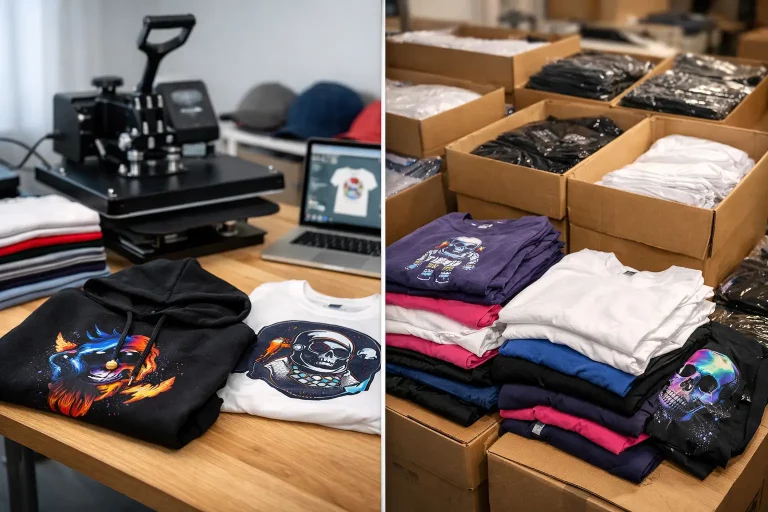
On-demand production is especially useful when you want to avoid minimum order quantities and reduce dead stock. The trade-off is that fulfillment timing can be longer than shipping from a warehouse, and product quality needs careful testing. Order samples before launch. Wear them. Wash them. Photograph them in real light. A community that values authenticity will notice the difference between a thoughtful piece and a rushed print-on-demand placeholder.
Create a launch story, not a product announcement
A post saying “merch is live” is an announcement. A launch story gives people a reason to care before the checkout page appears.
Start teasing the world behind the drop one to two weeks early. Show cropped artwork, fabric close-ups, sketches, visual references, or a detail from the design that will mean something to your core audience. Let the community speculate. Give them enough to build anticipation, not so much that the launch has no reveal left.
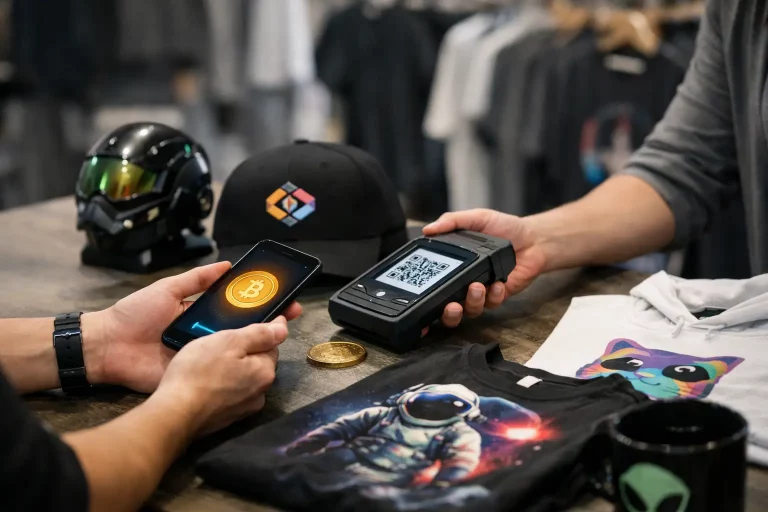
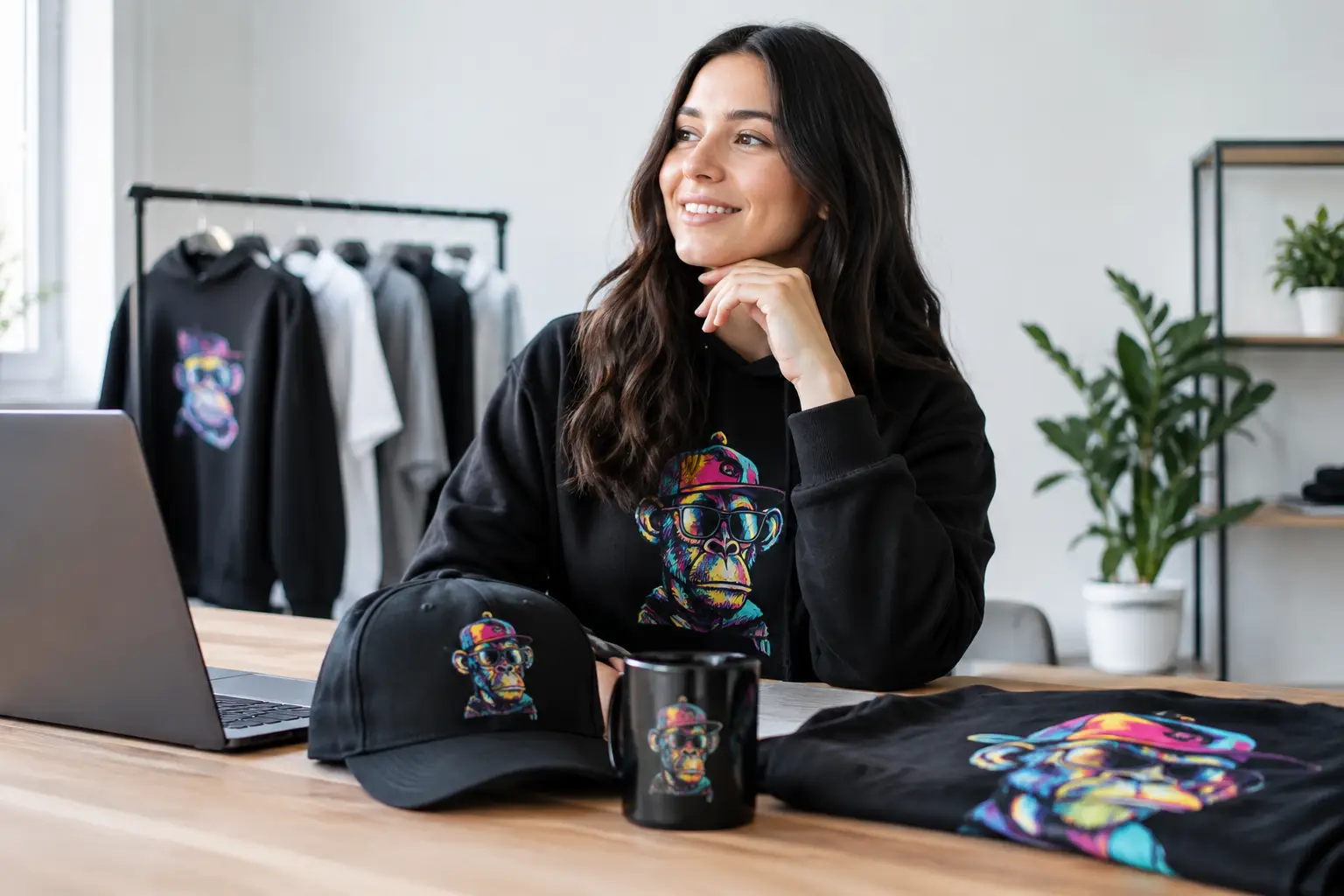
Then show the merchandise in context. Styled photos beat isolated mockups when you are selling identity. Put the hoodie in a city setting, at a studio desk, in a collector’s space, or at an event where your community already shows up. The product should look like it belongs in the life your audience wants to lead.
Your launch content should answer three questions quickly: what is this, why does it matter now, and how do I get it? Keep the path to purchase clean. Avoid making people hunt through multiple platforms for sizing, availability, or shipping details.
Give your inner circle a real advantage
The people who helped build your culture should not hear about the drop last. Offer early access to holders, subscribers, Discord members, or longtime supporters when it fits the project. This does more than increase early sales. It makes participation feel earned.
Access can be simple: a private window, a password, an allowlist, or a limited bonus item. Do not overcomplicate it unless your audience genuinely enjoys the mechanics. The reward should feel like appreciation, not an obstacle course.
Treat fulfillment as part of the brand
The unboxing is where digital hype becomes a real-world judgment. Clear sizing, transparent delivery expectations, responsive support, and accurate product photography matter as much as the launch trailer. A late package or confusing exchange process can erase the goodwill generated by a great concept.
This is also where a specialized merch partner can make a difference. NFT Merch, for example, is built around translating Web3 identity into physical products with on-demand production, global fulfillment, and no minimum order quantities. That model can give creators room to test a capsule without carrying the risk of bulk inventory, while keeping the focus on brand world and community experience.
Still, no partner can replace creative direction. You own the signal. Make sure the artwork is licensed correctly, the community understands what is official, and the product details match the standard your name implies.
Measure what people do after launch
Sales matter, but they are not the only signal. Watch which products sell first, where customers drop off, what sizes move, and which creative assets get shared. Pay attention to community photos after delivery. The image of someone wearing your piece in the wild is often more valuable than another polished campaign render.
If one design gets comments but does not convert, it may be visually interesting without being wearable. If a quieter piece sells out while the loud hero graphic lingers, your audience may be asking for subtler signals. Use the first drop as proof, not prophecy.
The next collection should feel connected to the first, but never copied. Build a recognizable product language over time: a recurring mark, a consistent fit philosophy, an evolving lore system, or a familiar approach to graphics. That is how merch becomes a culture layer instead of a one-off revenue play.
Your community already lives online. Give them something worth carrying into the real world – a piece with enough meaning for insiders, enough style for everyday wear, and enough truth behind it to still matter after the launch post disappears.