Streetwear Licensing: Who Gets to Wear the IP?
A hoodie can carry more than a graphic. For an NFT holder, a project logo, character, or signature visual language can signal early belief, collector status, and membership in a community that exists far beyond a Discord server. That is why streetwear licensing matters. It determines who has the right to turn digital culture into physical product – and whether that product builds the brand or cheapens it.
The difference between official merch and a quick copy is not just a tag, a higher price point, or sharper artwork. It is permission, creative direction, quality control, and a shared understanding of what the culture represents. When the IP is real, the drop hits differently.
What Streetwear Licensing Actually Covers
Streetwear licensing is an agreement that allows one party to use another party’s intellectual property on apparel, accessories, and related products. The IP owner might be an NFT project, a digital artist, a character brand, a music label, or a creator collective. The licensee is the brand, retailer, or manufacturer producing and selling the goods.
In Web3, the conversation gets more interesting because ownership can be distributed. A community may feel deep emotional ownership of a project, while the actual legal rights to its name, artwork, characters, traits, and logos may belong to a founding company, artist, DAO, or individual holder. Feeling like you own the culture is not always the same as having the right to print it on a tee.
A proper license spells out the practical details: which artwork can be used, which product categories are approved, where products can be sold, how long the partnership lasts, and how the IP owner gets paid. It can also define whether a collection is exclusive, whether designs need approval before production, and what happens to inventory when the agreement ends.
For consumers, this structure is mostly invisible. But it is the reason an official drop feels intentional instead of opportunistic.
Why Official Merch Carries More Weight
Streetwear has always run on symbols. A logo, mascot, phrase, or distinctive colorway becomes valuable because people recognize the tribe behind it. Web3 communities bring a new layer to that equation: provenance. People want to know where the design came from, who approved it, and whether the brand relationship is real.
Officially licensed apparel gives fans confidence that their purchase supports the project, creator, or rights holder behind the image. It also protects the visual language that made the community matter in the first place. A strong licensing relationship helps prevent a recognizable NFT brand from being buried beneath low-effort copies, distorted artwork, or products that have no connection to the people who built the culture.
That does not mean every unofficial reference is automatically bad streetwear. Remixing, parody, commentary, and community-made art can all have a place. The legal and cultural lines are different, though. If a product uses protected logos, official characters, or branded project artwork to suggest an authorized connection, it needs real permission. No amount of crypto vocabulary turns an unapproved graphic into a collaboration.
The Rights Check Before the Drop
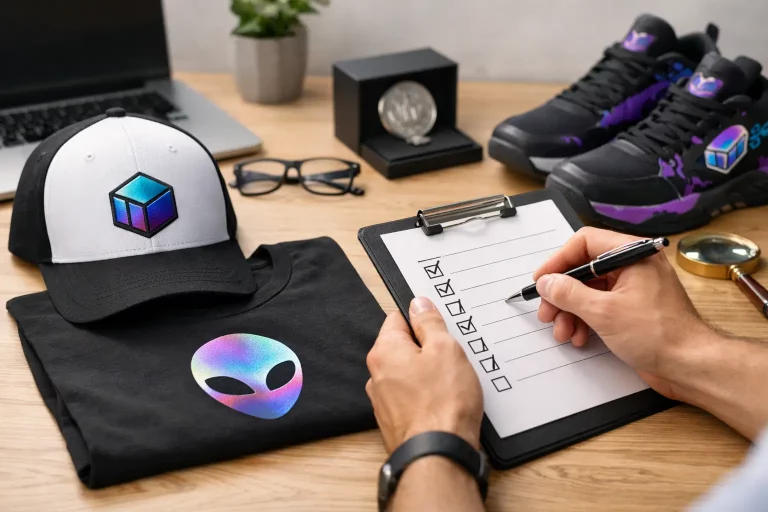
For brands and creators, licensing begins before mood boards, mockups, and product pages. The first question is straightforward: who owns or controls the rights being licensed?
That answer can be complicated in NFT ecosystems. A collection may grant holders commercial rights to the individual token they own, while reserving trademarks, collection-wide branding, and other assets for the project. Another collection may allow personal use but require separate permission for commercial merchandise. Some projects have clear published terms. Others operate through evolving community norms and ambiguous announcements.
If holder rights are involved, confirm exactly what the holder can authorize. Owning a token does not necessarily give someone the authority to license the project name, the broader collection logo, other holders’ artwork, or the brand’s reputation. A smart collaboration checks the IP terms instead of assuming the blockchain record answers every question.
There is also a brand-safety reality. The best streetwear partnerships do not treat a license as a folder of PNG files. They treat it as a living identity. The IP owner should know how designs will be styled, where the products will appear, what language will be used in marketing, and whether the collection belongs in a premium capsule, an open-edition offering, or a limited collector drop.
The Clauses That Shape the Collection
A licensing deal does not need to smother creativity, but it does need to remove costly ambiguity. The most useful agreements cover a few non-negotiables.
Scope of use defines what can be made. A license for T-shirts may not include hats, footwear, posters, bags, or digital collectibles. It should name the approved IP assets and make clear whether new designs require separate approval.
Territory and channels set the selling boundaries. Global ecommerce is powerful, but a rights holder may have existing regional partners or retail restrictions. A collection approved for direct-to-consumer sales may not automatically be cleared for marketplaces, wholesale, or pop-up events.
Exclusivity determines whether the partnership owns a category or shares it. Exclusive rights can make a capsule more desirable, but they usually cost more and may come with sales commitments. Non-exclusive licensing offers flexibility, though it may create a crowded market if several partners release similar products.
Royalties and reporting establish how value flows back to the rights holder. This may be a percentage of net sales, a flat fee, a minimum guarantee, or a mix of all three. The strongest partnerships keep reporting clear enough that nobody is guessing how the drop performed.
Approvals and quality standards protect the final product. The IP owner may want sign-off on artwork, garment blanks, print placement, product photography, packaging, and launch messaging. This can slow a release, especially when approvals involve multiple stakeholders, but it also prevents a rushed item from becoming the public face of a major brand.
Design for the Community, Not Just the Trademark
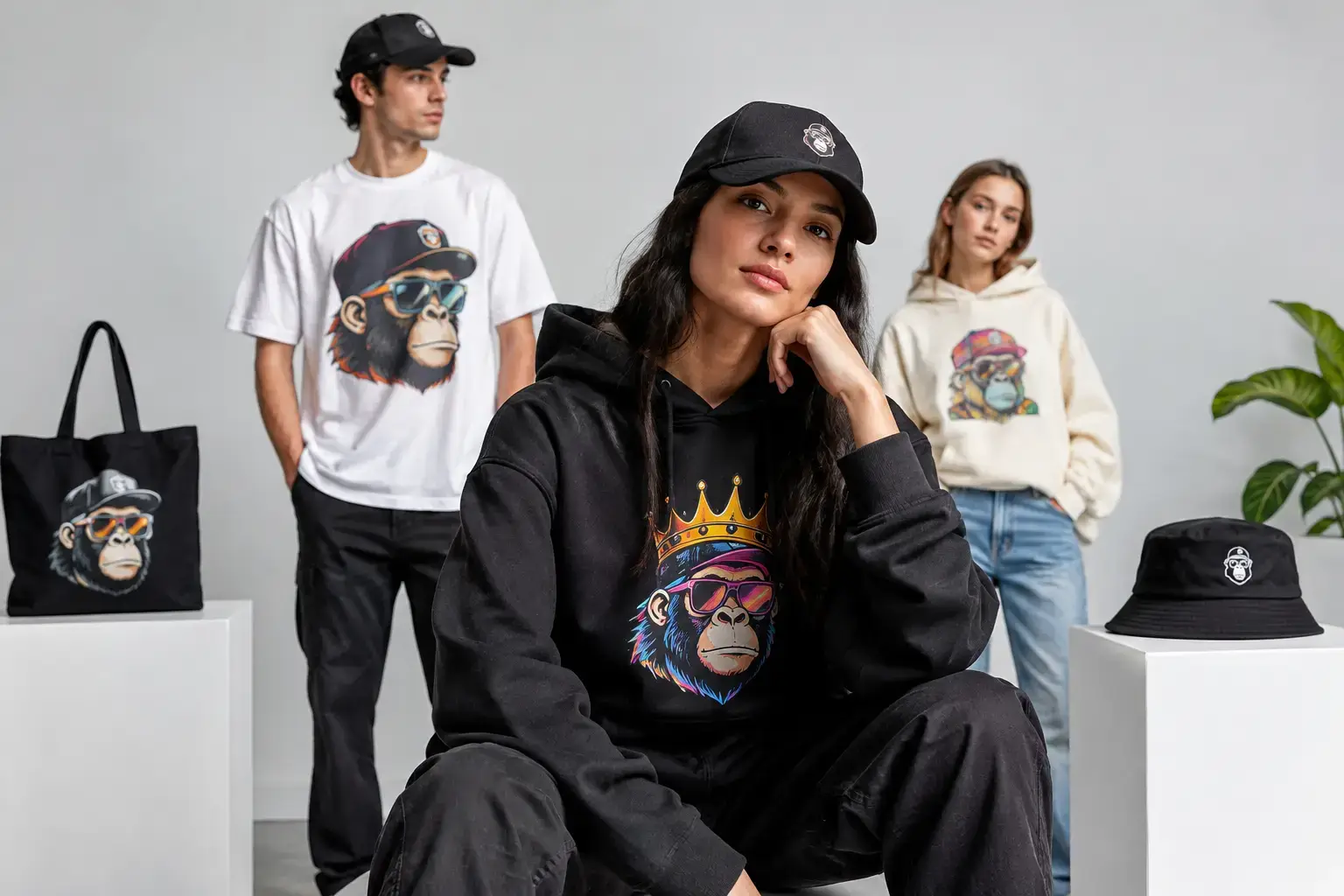
A licensed logo on a standard blank is not automatically culture. The strongest collections understand the codes of both the IP and the audience wearing it.
That might mean oversized silhouettes for a community that values fashion-forward fits, understated embroidery for collectors who want a signal rather than a billboard, or graphics that reference a specific on-chain moment without explaining the joke to everyone else. The design should reward the people who get it while still standing on its own in the real world.
This is where curation matters. A shirt can be technically official and still feel off-brand if the fabric, cut, color, or graphic treatment ignores the visual world around the project. Conversely, a considered capsule can turn a familiar token image into something people want to wear even when nobody is asking about floor price.
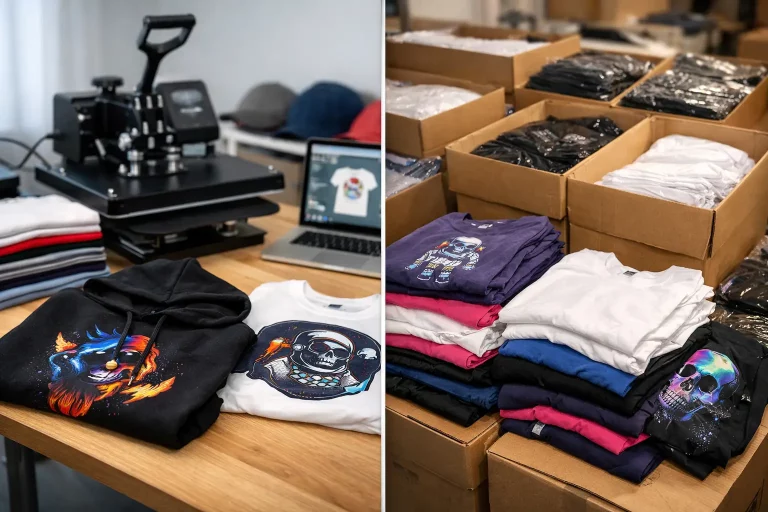
NFT Merch approaches this space as physical culture, not novelty printing. Recognized project partnerships, creator-led artwork, and on-demand production make room for official merch without forcing communities into huge minimum runs or piles of unwanted inventory.
On-Demand Production Changes the Risk, Not the Rights
On-demand fulfillment is especially useful for Web3 brands because communities are global and demand can be unpredictable. A project can test a design, serve international fans, and avoid committing to thousands of units before it knows the collection has traction. It also reduces the waste that comes with guessing the right size curve for a digital-first audience.
Still, on-demand does not eliminate licensing obligations. Every item produced under the agreement is a licensed use, whether it is the first order or the five-hundredth. Royalty reporting, quality standards, product approvals, and the end date of the license all remain relevant.
The trade-off is speed versus control. On-demand models can launch fast, but premium positioning may require tighter sample review, garment testing, and photography standards. Limited preorders can create stronger scarcity and more deliberate production planning, though fans may wait longer for delivery. The right setup depends on whether the goal is broad community access, collector exclusivity, or a mix of both.
Build a Drop People Can Stand Behind
Licensing works best when everyone sees the long game. The rights holder protects the IP. The merch partner creates product worthy of the name. The community gets a legitimate way to wear its affiliation beyond the timeline, wallet, or profile picture.
For buyers, the signal is simple: look for clarity. Official collaboration language, recognizable creative direction, thoughtful product execution, and a brand willing to stand behind its merchandise are better indicators than hype alone. If the design feels like it belongs to the culture, the wearer will feel it too.
The next great Web3 streetwear drop will not win because it borrowed attention. It will win because it earned permission, respected the source, and gave a digital community something real to carry into the street.