Why Crypto Culture Hoodies Hit Different
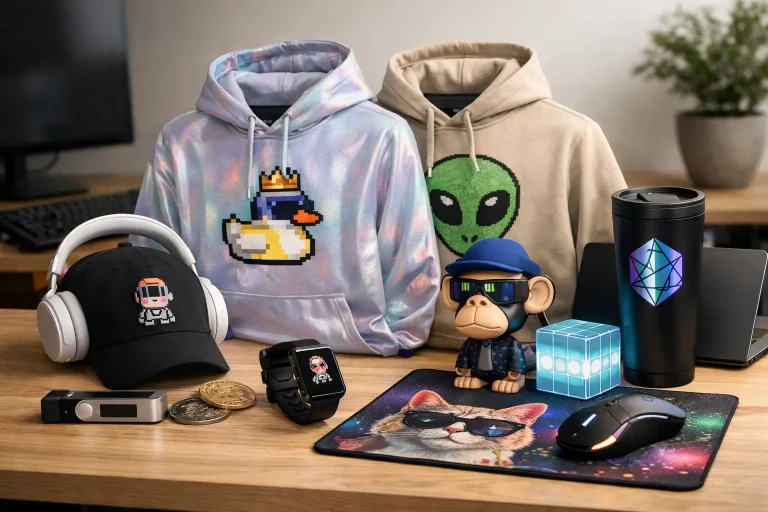
The right hoodie tells people what server you live in before you say a word. In Web3, that matters. Crypto culture hoodies are not just another layer for cold weather – they’re a signal, a flex, and a way to carry digital identity into real life without explaining your wallet history to anyone.
That’s why this category keeps growing beyond novelty merch. The best pieces don’t feel like throwaway promo gear from a random token launch. They land more like streetwear with context – tied to communities, artists, projects, and inside references that actually mean something to the people wearing them.
What makes crypto culture hoodies different
A basic hoodie with a coin logo on the chest is easy to make. A hoodie that feels native to the culture is harder. The difference usually comes down to authenticity, design language, and whether the piece reflects a real community instead of chasing a trend from six months ago.
Crypto culture moves fast, but it also has a memory. People remember which projects shaped the space, which artists built loyal followings, and which communities turned profile-picture collections into real-world identity systems. When a hoodie connects to that history, it carries more weight. It stops being merch and starts acting like a badge.
That badge can mean different things depending on who’s wearing it. For some, it’s about representing a collection they hold. For others, it’s about backing a creative scene, showing taste, or being early to a movement before the wider market catches up. Same garment, different message.
From online identity to offline uniform
Web3 has always been visual. PFPs, memes, mint graphics, custom traits, token-gated art – the space runs on recognizable symbols. Fashion was always the next step because online identity eventually wants a physical form.
That’s where hoodies make sense. They sit at the center of streetwear, they work across seasons, and they give designers room to build a front, back, sleeve, or all-over concept that feels considered. A tee can make a statement, but a hoodie has more presence. It reads like commitment.
For NFT collectors and crypto-native shoppers, that physical presence changes the game. Wearing community-linked apparel in the real world creates an instant point of recognition. It can start a conversation at an event, signal alignment at a meetup, or simply let you rep your corner of the internet without saying anything at all.
There’s also a status layer here that shouldn’t be ignored. In Web3, ownership means something. If a piece is tied to an established brand, artist, or project, it carries more credibility than generic “crypto” apparel made for tourists. People in the space can tell the difference fast.
Why design matters more than the logo
The old model of merch was simple: print the brand mark, ship the garment, call it done. That approach rarely works for crypto culture hoodies because the audience is too design-aware and too online to settle for lazy execution.
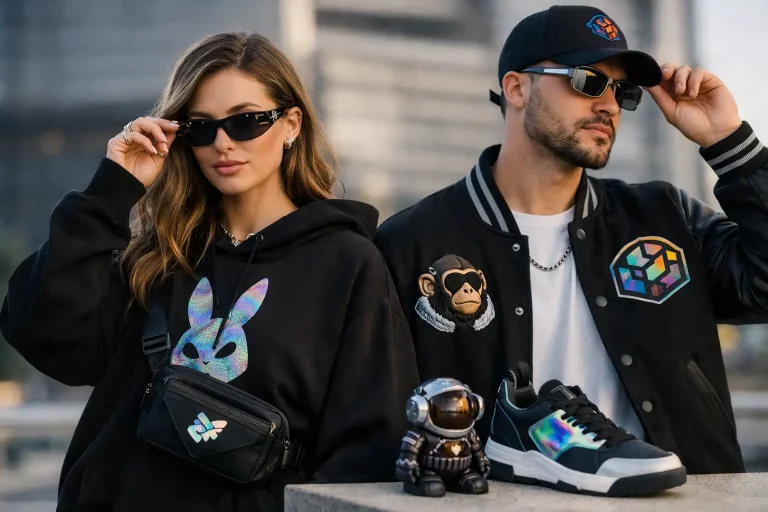
Strong pieces usually borrow from real streetwear codes. That can mean oversized graphics, washed palettes, heavier blanks, bold back prints, or subtler details that reward people who know the reference. The best designs don’t scream for attention from everyone. They speak clearly to the right crowd.
This is where a lot of brands miss. They assume crypto buyers only care about affiliation, when in reality they care about aesthetics too. Web3 culture is full of collectors, creators, and people with strong visual taste. If the hoodie looks cheap, feels generic, or reads like conference swag, it loses value even if the project behind it is respected.
A good design also understands the project’s personality. Not every NFT brand should translate into the same visual formula. Some communities have loud, chaotic energy. Others feel more luxury-coded, more minimal, or more art-led. The hoodie should match that tone. Otherwise it feels disconnected from the identity it’s supposed to represent.
Authenticity is the whole game
This market has a trust problem for a reason. Web3 audiences are used to copycats, fake collections, unofficial artwork, and low-effort cash grabs. That makes authenticity one of the biggest drivers behind a purchase.
When crypto culture hoodies come from recognized collaborations or legitimate brand relationships, the product carries a different level of authority. It tells the buyer they’re not just purchasing a design inspired by the culture – they’re buying into the culture through a real connection to it.
That matters for collectors who care about provenance. It matters for communities that want their symbols handled correctly. And it matters for shoppers who are tired of seeing iconic NFT visuals stripped of context and sold as generic hype gear.
Official merch hits differently because it protects the meaning behind the art. It preserves the link between creator, community, and product. In a space built around ownership, that’s not a small detail. It’s the core of the value.
The streetwear angle is not optional
If crypto merch wants to survive beyond bull market noise, it has to function as actual fashion. That means fit, fabric, print quality, and silhouette all matter as much as the graphic itself.
Streetwear gave this category a better template. Limited drops create energy. Recognizable collaborations create demand. Strong visual world-building creates loyalty. Crypto already understands scarcity and community, so the overlap feels natural. The difference is that fashion still has to deliver on wearability.
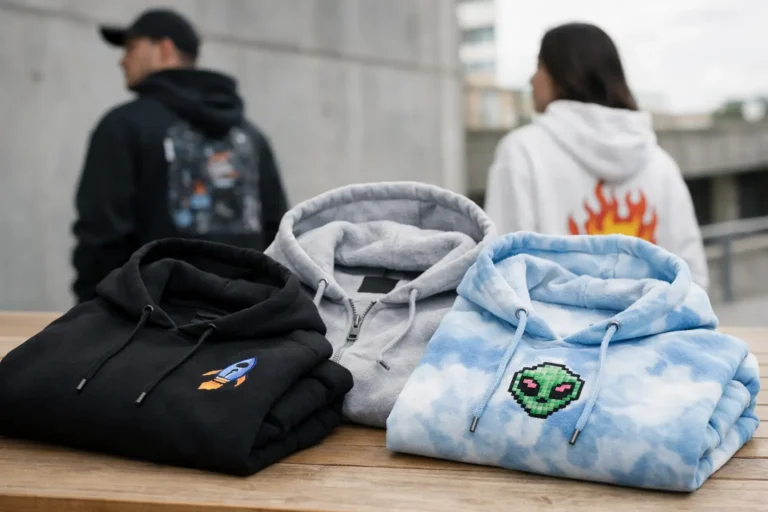
A hoodie can carry a strong concept and still miss if the blank feels thin or the cut is awkward. On the other hand, a well-made piece with a clean design can become part of someone’s regular rotation, which is where real brand value gets built. The more often it gets worn, the more visible the culture becomes.
That’s also why on-demand production makes sense for this space, even if there’s a trade-off. It cuts down on overproduction and opens the door for more niche community designs, but buyers still expect the end product to feel premium. Convenience helps. Quality closes the sale.
Who is buying crypto culture hoodies?
Not just traders. The audience is wider and more style-conscious than that.
Some buyers are holders who want to represent a project they’ve backed from day one. Some are fans of digital artists who want a physical extension of work they already collect on-chain. Others are simply drawn to the visuals and the cultural codes, even if they’re not deep in every Discord server.
There’s also a growing crossover audience: people who came in through streetwear, gaming, design, or internet culture and now see Web3 merch as part of a broader identity mix. For them, the hoodie is less about making a technical statement and more about wearing a piece of a movement that still feels early, creative, and community-built.
That mix is why the category has room to grow. It doesn’t rely on one type of customer. It speaks to belonging, taste, and access all at once.
How to spot a hoodie worth buying
The first question is simple: does it feel official, or does it feel extracted? If the design seems disconnected from a real artist, brand, or NFT community, it probably is.
Next, look at the garment itself. A strong hoodie should hold up on quality, not just concept. Fabric weight, print clarity, and fit all shape whether the item feels collectible or forgettable. Then look at the art direction. Does it feel like someone understood the culture, or just borrowed the language?
There’s also the matter of longevity. Some pieces are built for a hype cycle. Others can live past the current moment because the design stands on its own. That balance matters. If a hoodie only works when a token is pumping, it’s probably not a strong piece of fashion.
This is where curated merch platforms have an edge. When the selection is built around established NFT brands and artists instead of random uploads, the customer spends less time filtering out noise. That curation adds value because it protects both the look and the legitimacy of what’s being sold.
Why this category keeps winning
Crypto culture hoodies sit at the intersection of identity, ownership, and style. That’s a strong place to be. They let communities move from screen to street without losing the meaning that made them matter online in the first place.
For brands, they’re one of the cleanest ways to turn audience loyalty into something visible and wearable. For buyers, they offer more than warmth or convenience. They offer recognition. They say you’re not just watching the culture happen – you’re part of it.
That’s why the best merch stores in this space are not acting like generic print shops. They’re building around real collaborations, sharper design standards, and products that feel worthy of the communities behind them. NFT Merch fits that shift because the model is not just about putting graphics on garments. It’s about translating Web3 identity into pieces people actually want to wear.
Own the culture carefully. The right hoodie should still feel relevant after the timeline moves on.