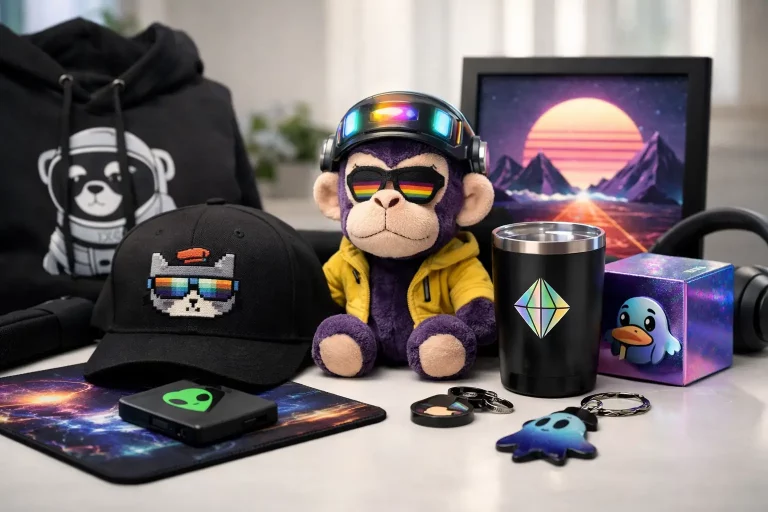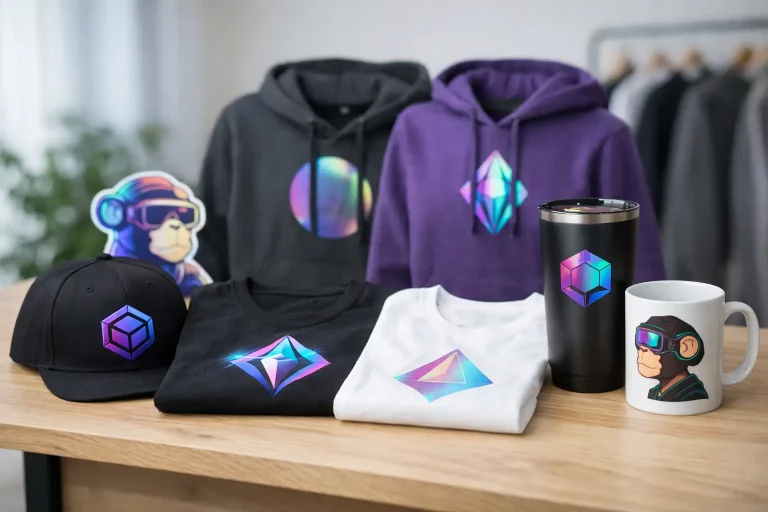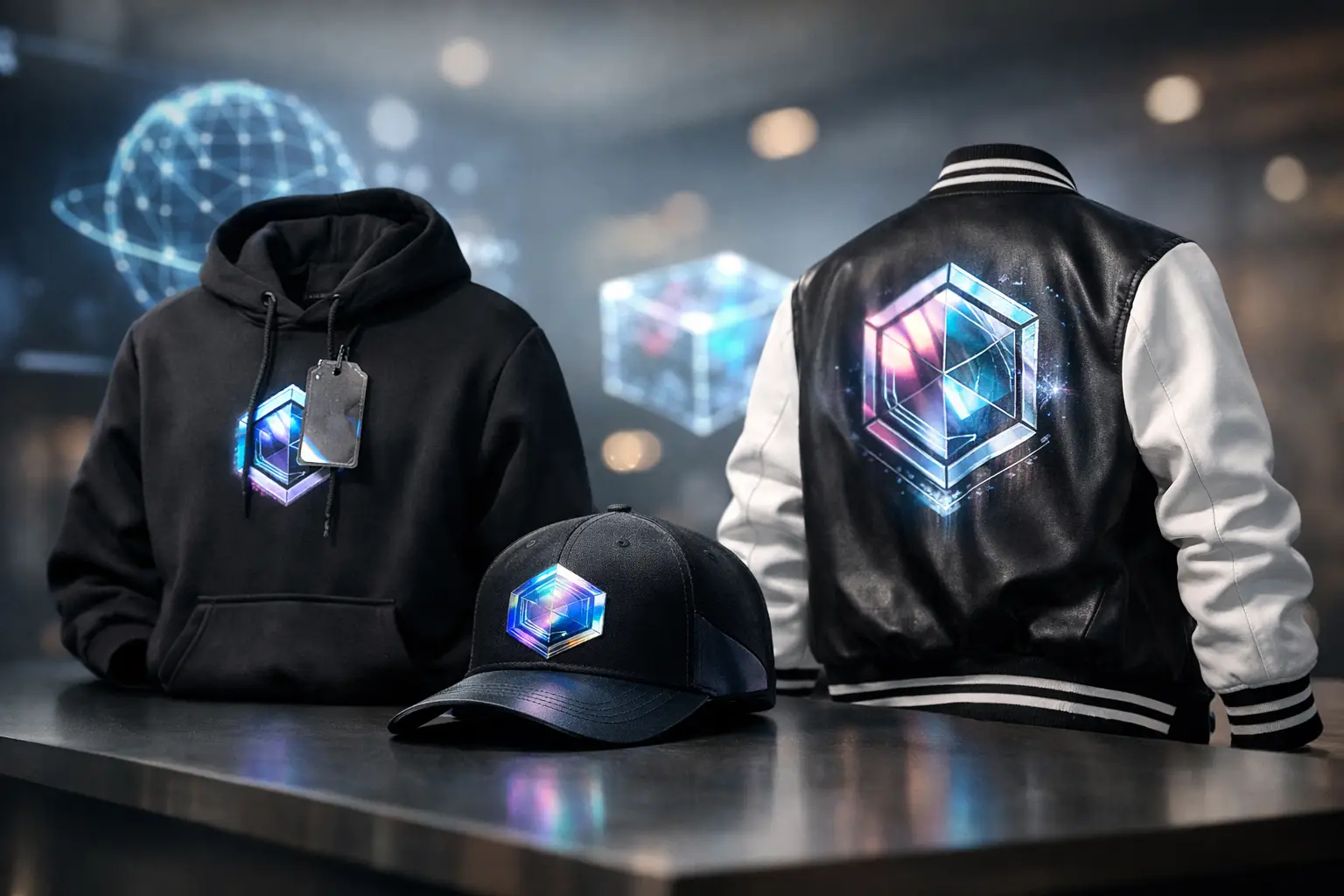
Exclusive Web3 Clothing Drops That Matter
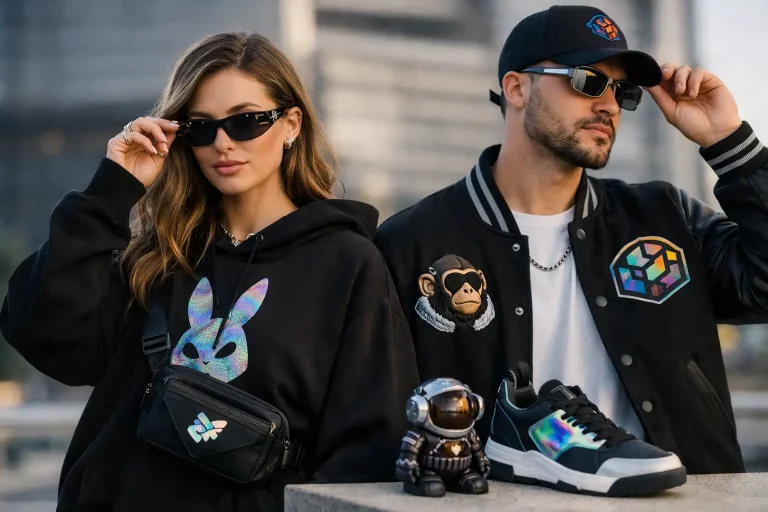
Streetwear only feels special when not everyone can get it. That same rule hits harder in Web3, where identity, access, and timing already shape the culture. Exclusive web3 clothing drops work because they take what people signal on-chain and bring it into real life – not as generic crypto merch, but as pieces tied to actual communities, artists, and moments that mean something.
This is where a lot of brands get it wrong. They treat Web3 apparel like a novelty print job, slap a token-inspired graphic on a hoodie, and call it community. Real drops do more than decorate fabric. They mark belonging. They turn a holder, collector, or fan into a visible part of a culture that usually lives behind avatars, wallets, Discord roles, and X profiles.
Why exclusive web3 clothing drops hit differently
Scarcity has always been part of fashion. Limited pairs, collab capsules, invite-only access – that language is already native to streetwear. Web3 adds another layer because exclusivity can be tied to verifiable ownership, community status, or a specific digital moment. That changes how a drop feels.
When someone buys into an NFT project or follows a digital artist early, they are not just consuming content. They are buying into taste, access, and narrative. Physical merch becomes proof of participation. A tee from a random crypto brand says you saw an ad. A piece from an actual community drop says you were there.
That difference matters because this audience can spot fake affiliation fast. If the merch is unofficial, visually lazy, or disconnected from the source culture, it falls flat. The best drops understand that the product is not only apparel. It is social currency.
What separates a real drop from generic crypto merch
The gap between collectible and forgettable usually comes down to authenticity. Strong exclusive web3 clothing drops are built around recognized IP, credible artist collaborations, or established communities with a clear visual world. They feel intentional because they come from the culture instead of borrowing the aesthetic from a distance.
Design is the first filter. Good Web3 merch should stand on its own even if someone does not know the project behind it. That is the standard streetwear has always used. If a hoodie only works as inside-joke fandom, its shelf life is short. If it blends clean graphics, wearable silhouettes, and project-native references, it can move from Discord flex to everyday rotation.
The second filter is access. Not every exclusive drop needs a token gate, but it should have a reason for being limited. Maybe it is tied to a collab, maybe it marks a campaign, maybe it is available for a short run and never reprinted. The point is not artificial scarcity for its own sake. The point is giving the item a clear place in the culture.
Then there is product quality, which gets overlooked too often. In Web3, hype can move fast, but bad blanks and weak print quality get exposed even faster. If the fit is off or the material feels cheap, the drop loses status. People might mint impulse buys. They do not wear low-quality merch twice.
The role of identity in Web3 fashion
A lot of mainstream fashion sells aspiration. Web3 fashion often sells recognition. That is a different kind of value. The person wearing a project-linked hoodie is not just saying they like the artwork. They are signaling membership, alignment, and sometimes early conviction.
That makes clothing more powerful in this space than it looks from the outside. On-chain identity is visible to a niche audience. Physical style broadens that signal. It lets digital affiliation move through cities, events, meetups, conventions, studios, and everyday life. You stop being a wallet on a screen and become part of a recognizable visual culture.
There is also a practical edge here. Not everyone wants to lead with an NFT profile picture in every online space. Apparel gives people a more flexible way to express that identity. Subtle pieces work for people who want insider recognition without going full billboard. Louder graphics work when the goal is to make a statement. The best brands understand both lanes.
Wearability matters as much as rarity
Some drops are collectible first and wearable second. That can work for posters, accessories, or special edition pieces. But apparel lives or dies by whether people actually want to put it on. If a design looks dated in three months, the exclusivity does not save it.
That is why the strongest Web3 clothing brands lean into streetwear logic. Clean cuts. Better fabric choices. Graphics with enough edge to feel current but enough restraint to stay in rotation. A limited drop should feel rare, but it should also feel lived in. That is how it becomes part of someone’s identity instead of sitting folded in a drawer.
How to judge exclusive web3 clothing drops before you buy
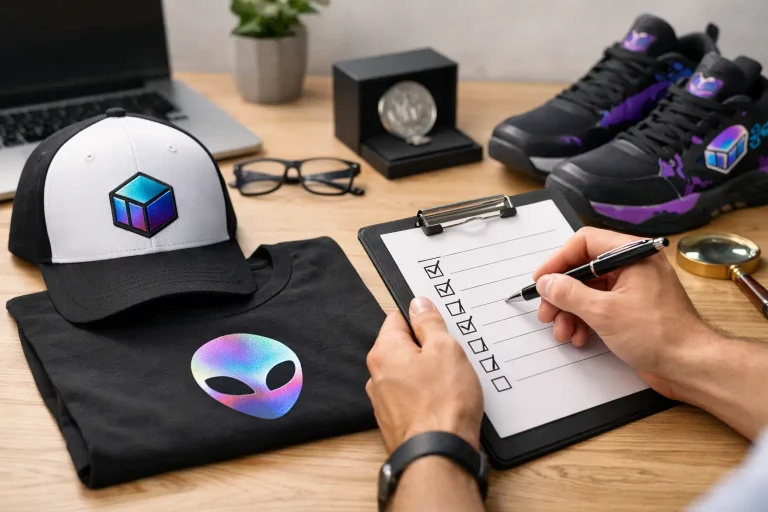
Hype is easy. Quality control is harder. Before you commit to a drop, it helps to look past the countdown timer and ask a few sharper questions.
Start with the source. Is the drop connected to an actual NFT brand, artist, or community with cultural weight, or is it just using Web3 language to sell basics? Authenticity shows up in the details – licensing, design consistency, artwork use, and whether the collaboration makes sense.
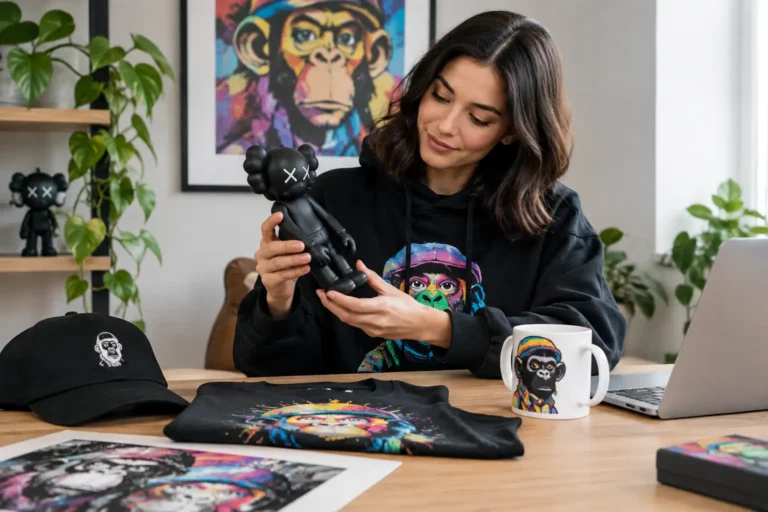
Then look at the product itself. Are the mockups doing all the work, or does the piece have clear construction, fit, and material information? A limited release should still meet the standards of premium ecommerce. Scarcity is not an excuse for vague product pages.
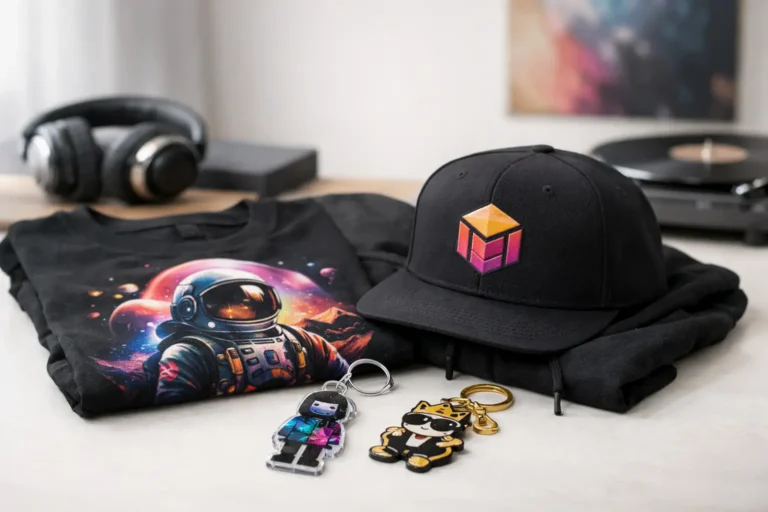
You should also think about why you want it. Some buyers are collecting a moment. Others want everyday gear that connects online identity to offline style. Neither reason is wrong, but the right purchase depends on the goal. A heavy graphic piece tied to a major collab might be great for collecting and event wear. A simpler embroidered cap or hoodie may offer more long-term use.
And yes, fulfillment matters. The Web3 audience is global, impatient, and used to digital speed. Physical merch has more friction by nature. That means clear expectations around production, shipping, and payment options are not extras. They are part of trust.
Why on-demand drops fit the culture
Old-school fashion trained people to think that exclusivity only counts if units are sitting in a warehouse. That is outdated. In Web3, on-demand production can make more sense, especially for niche communities spread across regions and time zones.
A made-to-order model keeps the barrier to launch lower for artists and communities while reducing waste from overproduction. It also creates room for more experimental capsules, smaller runs, and timely releases without forcing brands into risky inventory bets. That flexibility matters in a culture that moves fast.
There is a trade-off, of course. You may wait longer than you would for mass-produced basics. But many Web3 buyers are fine with that if the product is official, well made, and tied to a real collaboration. Waiting hits differently when the item feels earned instead of mass distributed.
For a retailer built around authentic NFT and artist partnerships, that model can be a strength rather than a compromise. It protects variety, supports exclusivity, and gives communities access to merch that would not exist under a traditional volume-first approach.
Where exclusive web3 clothing drops are headed
The next phase is not about putting more token logos on tees. It is about better integration between digital ownership and physical product. That could mean holder-first access, redemption mechanics, collectible packaging, or apparel that marks specific milestones in a project’s history. The strongest brands will treat merch like a real extension of the ecosystem, not a side hustle.
At the same time, design standards are going up. The audience is maturing. People want merch that can hold its own next to any respected streetwear label, not just inside crypto circles. That raises the bar in a good way. It pushes brands to build products with sharper art direction, better fits, and more selective partnerships.
This is why curated platforms matter. When a retailer works with recognized NFT brands and digital artists instead of printing anything for anyone, it gives buyers more confidence in what they are getting. It also protects the cultural value of the merch itself. That is a big reason platforms like NFT Merch stand out – the point is not just to sell clothing, but to translate digital culture into pieces worth owning.
Exclusive web3 clothing drops are not interesting because they are rare. They are interesting when they make digital belonging tangible, wearable, and unmistakably real. Own the culture if you want – but wear the pieces that actually earned that claim.