Custom Merch for NFT Artists That Actually Sells
A floor price can spike overnight. Attention can vanish even faster. That is exactly why custom merch for NFT artists matters – not as an afterthought, but as part of the brand itself.
The right merch gives your art a second life off-chain. It lets holders wear the project, collectors flex their taste, and your community recognize each other in the real world. Done right, merch is not random logo slapping. It is identity made physical.
Why custom merch for NFT artists hits differently
Most artists do not need more digital noise. They need stronger signals. A well-made hoodie, heavyweight tee, embroidered cap, or limited poster does something your timeline cannot. It turns followers into visible participants.
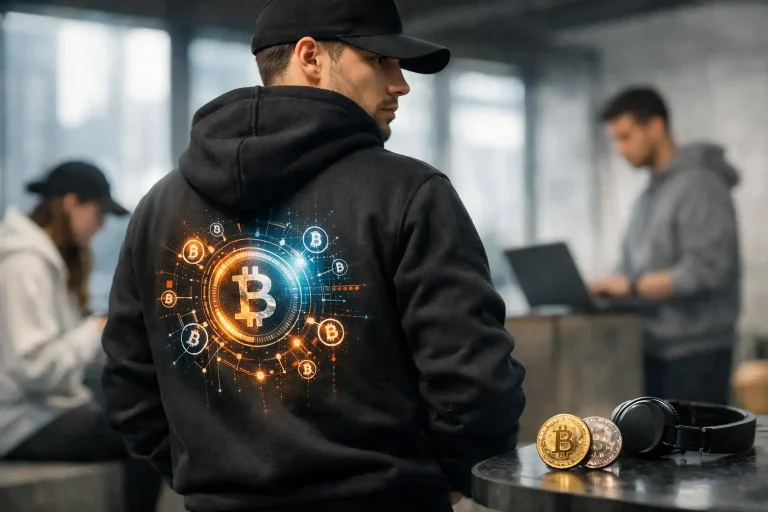
That shift matters in Web3 because community is not passive. People want proof of taste, access, and alignment. A clean piece of merch can say more than a profile picture ever will. It tells people you were there early, you know the reference, and you are part of the culture.
There is also a business angle, and it is real. Merch can create a revenue stream that does not depend on secondary royalties or another mint. For artists with a strong visual language, physical goods can extend the life of a collection long after launch week is over.
Still, not every project should rush into it. If your art has no distinct visual system, if your audience is tiny and inactive, or if the only idea is to print the NFT image front and center on a cheap blank, the result usually feels forced. Merch works best when there is already a world people want to step into.
What actually sells in custom merch for NFT artists
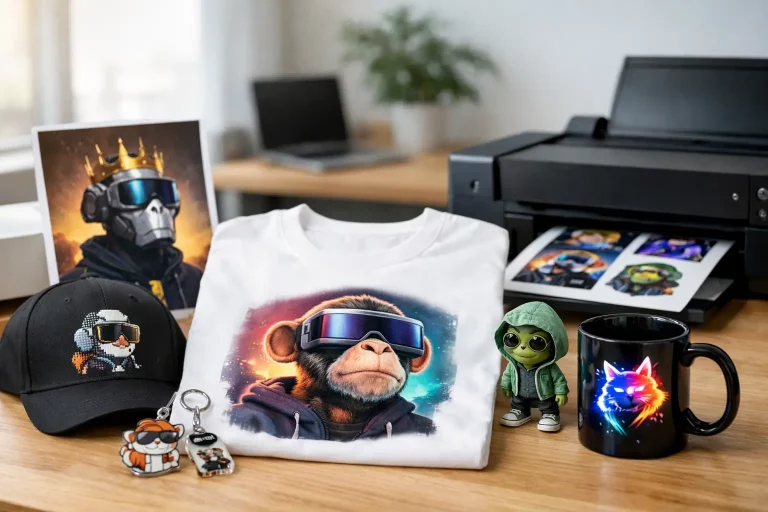
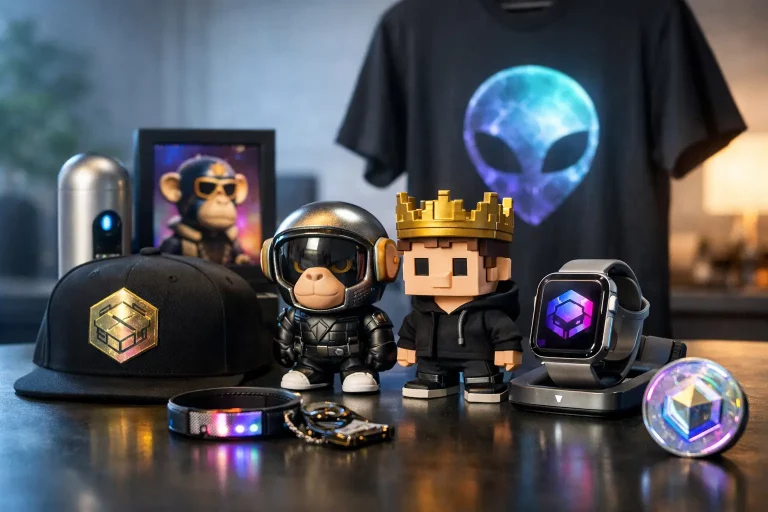
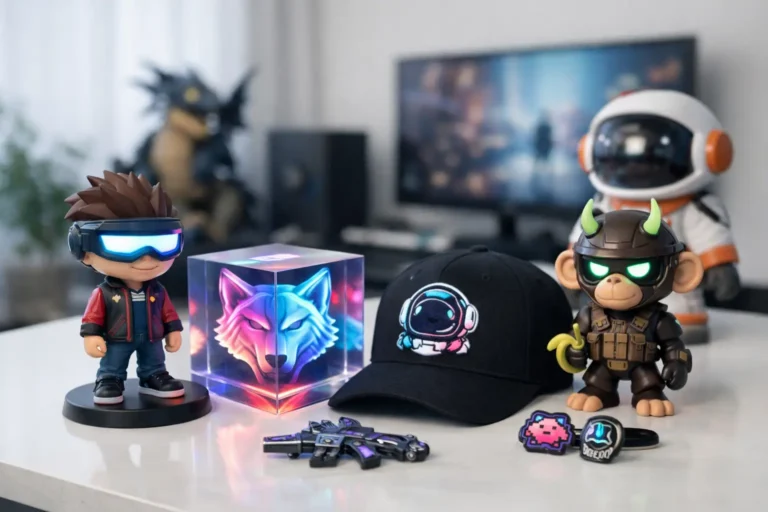
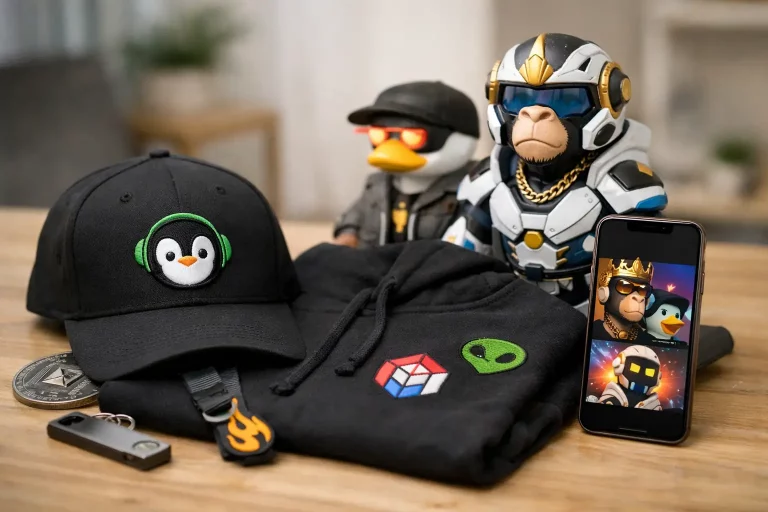
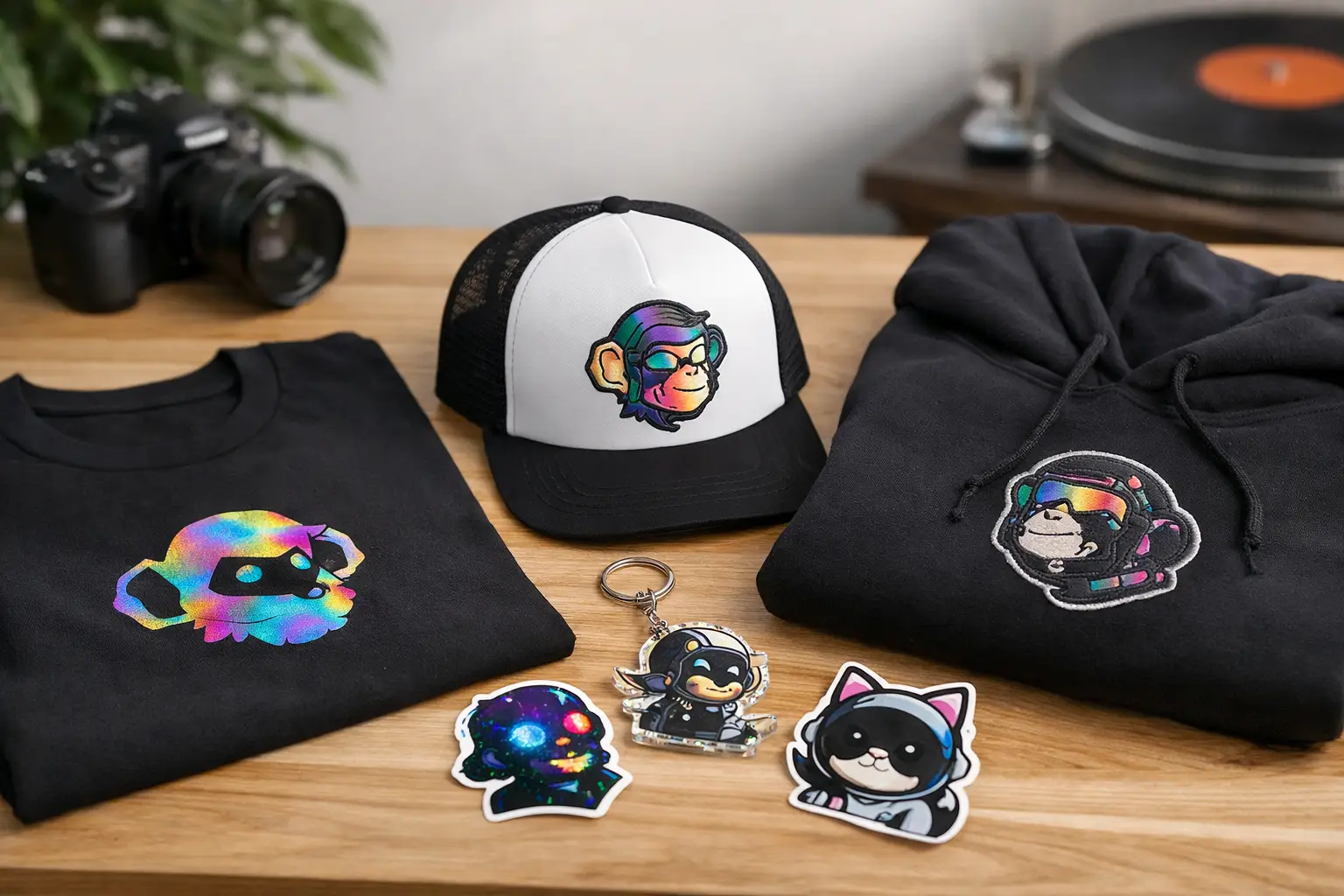
The strongest merch usually lands in one of two lanes. The first is streetwear with cultural weight – oversized tees, premium hoodies, washed caps, and cut-and-sew pieces that feel collectible even if someone has never seen the project before. The second is accessory-driven merch – mugs, tote bags, patches, posters, stickers, and blankets that give collectors a lower-friction way in.
Streetwear wins when the design language is confident enough to stand on its own. If your collection has bold iconography, memorable type, layered lore, or a recognizable mascot, apparel can move fast. But wearability matters. Most people do not want merch that looks like conference swag. They want pieces they would choose even outside the NFT context.
Accessories work well when your audience is broad or when you want to offer entry points at different price levels. A collector may buy a hoodie, while a casual fan grabs stickers or a mug. That spread helps turn attention into actual orders without forcing everyone into the same spend.
Limited runs can drive hype, but only if the concept deserves it. Slapping “limited” on everything gets old fast. Scarcity needs a reason – a collab drop, an event tie-in, a holder-exclusive graphic, or a design tied to a milestone in the project story.
Design first, not just branding
This is where a lot of NFT merch misses. The art may be strong on-screen, but the translation to fabric is weak. A great profile image does not automatically become a great chest print.
The best artists treat merch like product design, not promo. That means thinking about scale, placement, texture, negative space, garment color, and how the piece reads from six feet away. A full graphic may crush on a poster but feel too loud on a hoodie. A tiny embroidered symbol might hit harder because it feels more elevated and less literal.
There is a trade-off here. Highly conceptual merch can look better and age better, but some buyers still want obvious affiliation. That is why many strong collections balance both. One piece is subtle and fashion-forward. Another is bolder and instantly recognizable to the community.
If your collection has traits, rarity tiers, or recurring visual motifs, use them intelligently. Build around symbols, not just screenshots. Pull typography from the lore. Use coordinates, token references, or insider graphics that reward people who get it. That is how merch starts feeling native to Web3 culture instead of imitating it.
Quality is not optional
If the design is strong but the blank is weak, people will remember the weak part.
NFT communities care about status, but they also care about authenticity. Cheap print quality, thin fabric, awkward sizing, and fading graphics kill trust fast. When someone buys merch tied to a project they care about, they are not just buying an item. They are buying into the world behind it.
That is why premium basics matter. Heavier cotton, quality fleece, durable stitching, and print methods that suit the artwork all make a difference. So does fit. If your audience leans streetwear, the cut has to reflect that. A great design on a bad silhouette will sit in drawers.
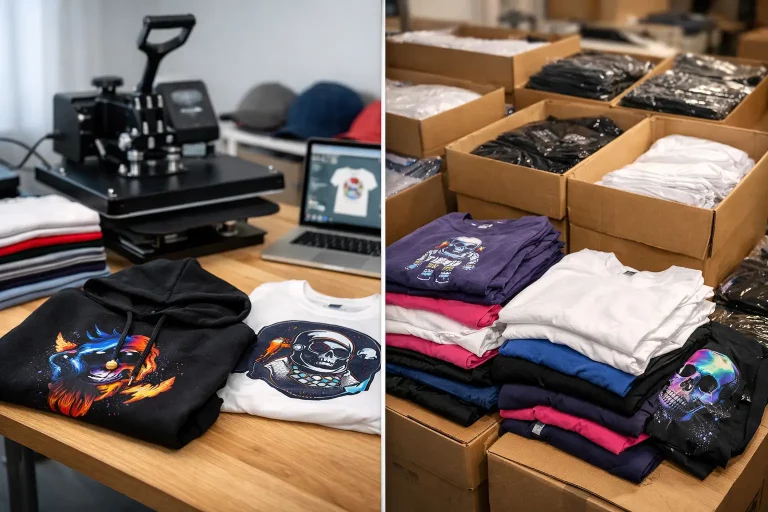
On-demand production is often the smartest move for artists because it lowers risk and avoids overcommitting inventory. But it still needs curation. Not every product category makes sense for every brand. The real move is choosing fewer items with stronger fit, better materials, and clearer design intent.
Build for your community, not for everyone
The temptation is to make something universal. Usually that waters the brand down.
The better question is this: who is this for inside the ecosystem around your art? Early holders? Core Discord regulars? New collectors discovering your work? Fashion-first buyers who want the aesthetic without needing every reference?
Each group wants something different. Holders may want exclusive access, numbered drops, or designs with deeper lore. Broader fans may want clean merch that signals the project without being too insider. If you try to satisfy every layer with one item, the result is often forgettable.
This is where tiered merch works. A public drop can carry the brand outward, while a smaller holder-only piece preserves status. Both can coexist without diluting each other. In fact, that split often strengthens the brand because it respects how Web3 communities actually operate.
Launch strategy matters as much as the product
Even great merch can flop if it lands with no context.
A strong drop needs a reason to exist. Maybe it celebrates a collection anniversary. Maybe it comes off the back of a collaboration. Maybe it is tied to a live event, token milestone, or new chapter in the artist’s universe. Context makes the product feel like part of a story, not a random sales post.
Presentation counts too. Mockups should feel editorial, not generic. Product naming should sound intentional. Copy should speak the language of the community. If your brand feels premium online, the merch page has to carry that same energy.
There is also a pacing issue. Too many products at once can weaken demand. Too few options can leave money on the table. For most NFT artists, the sweet spot is a focused first release with a few standout pieces, then expansion based on what actually gets traction.
The real value goes beyond revenue
Yes, merch can sell. But the deeper win is cultural permanence.
NFT projects live online, where sentiment swings hard and memory is short. Physical merch slows that down. It gives the art weight in daily life. A hoodie in rotation, a poster on a wall, a patch on a bag – those things keep the project present in a way digital assets alone cannot.
That is especially valuable for independent artists building long-term brand equity. A collector who wears your work becomes part customer, part ambassador. The piece travels. It starts conversations. It creates moments of recognition outside the timeline.
That is why custom merch for NFT artists is bigger than product. It is infrastructure for community identity. It makes the brand portable.
For artists ready to move with intent, a curated on-demand model can be the cleanest path. It keeps overhead lighter, lets you test demand, and gives your audience access without forcing massive inventory bets. Brands like NFT Merch have leaned into that model because it fits how Web3 moves – fast, global, and culture-first.
If your art already means something to people, give them a way to wear that meaning. Own the culture in digital form, then let the community carry it into the street.