DTG Versus Screenprinting for Streetwear
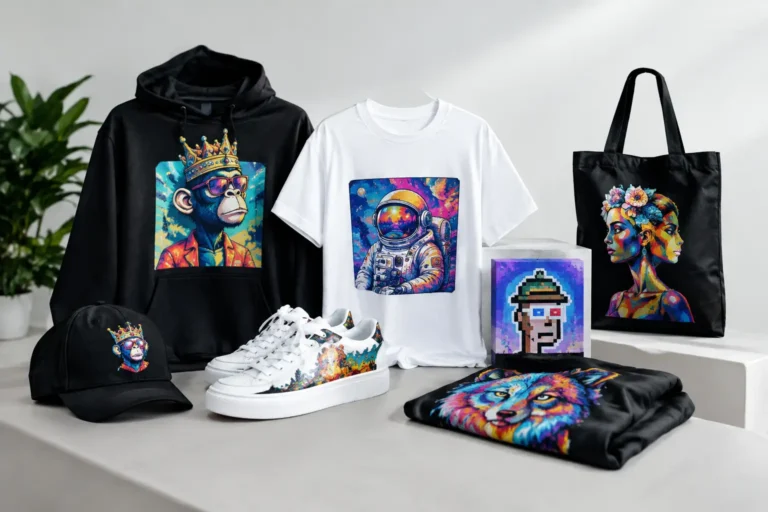
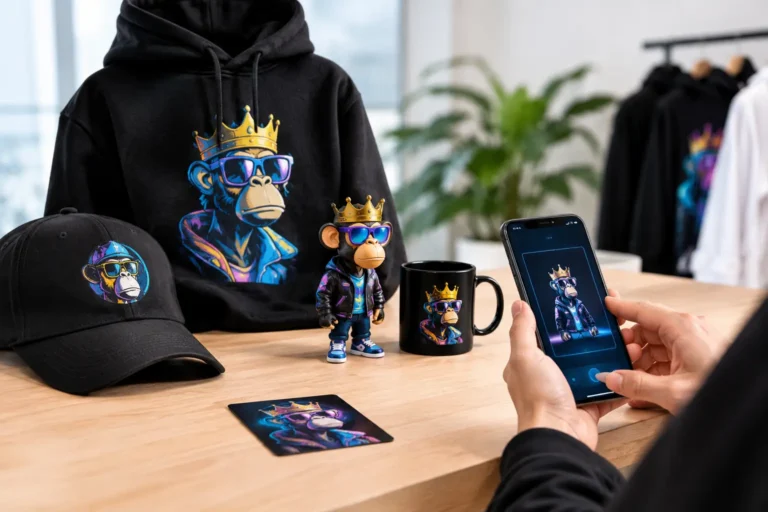
A pixel-perfect PFP looks different once it leaves the wallet and lands on a heavyweight tee. That is where DTG versus screenprinting becomes more than a production question. It affects the texture, color payoff, price point, and perceived status of your merch drop.
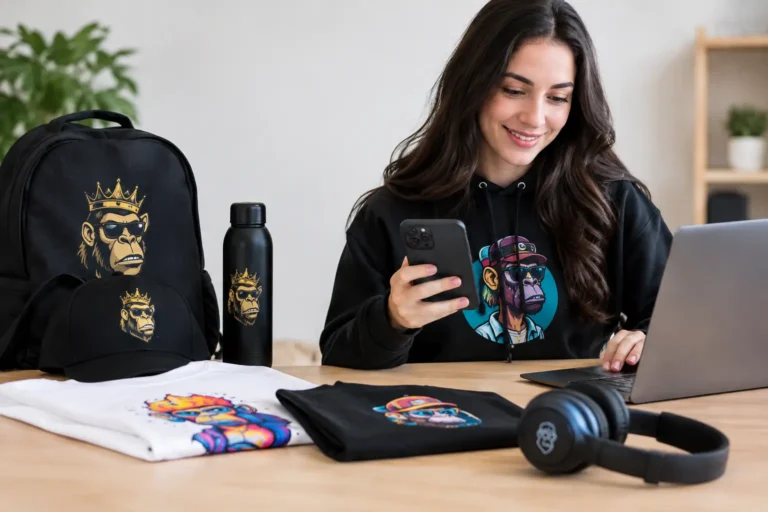
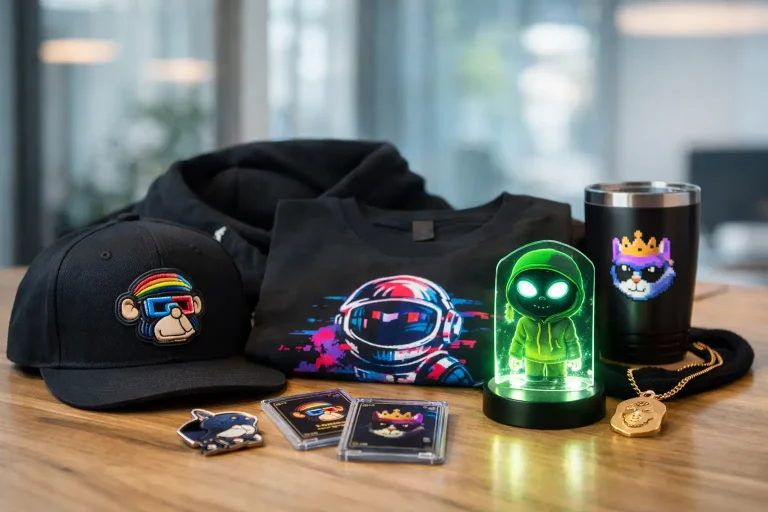
For Web3 communities, apparel is a real-world signal. A hoodie can say you minted early, backed an artist before the timeline caught on, or belong to a community that moves with conviction. The print method needs to respect that identity. Neither DTG nor screenprinting wins every time. The right choice depends on the artwork, garment, order volume, and the kind of moment you are creating.
DTG Versus Screenprinting: The Real Difference
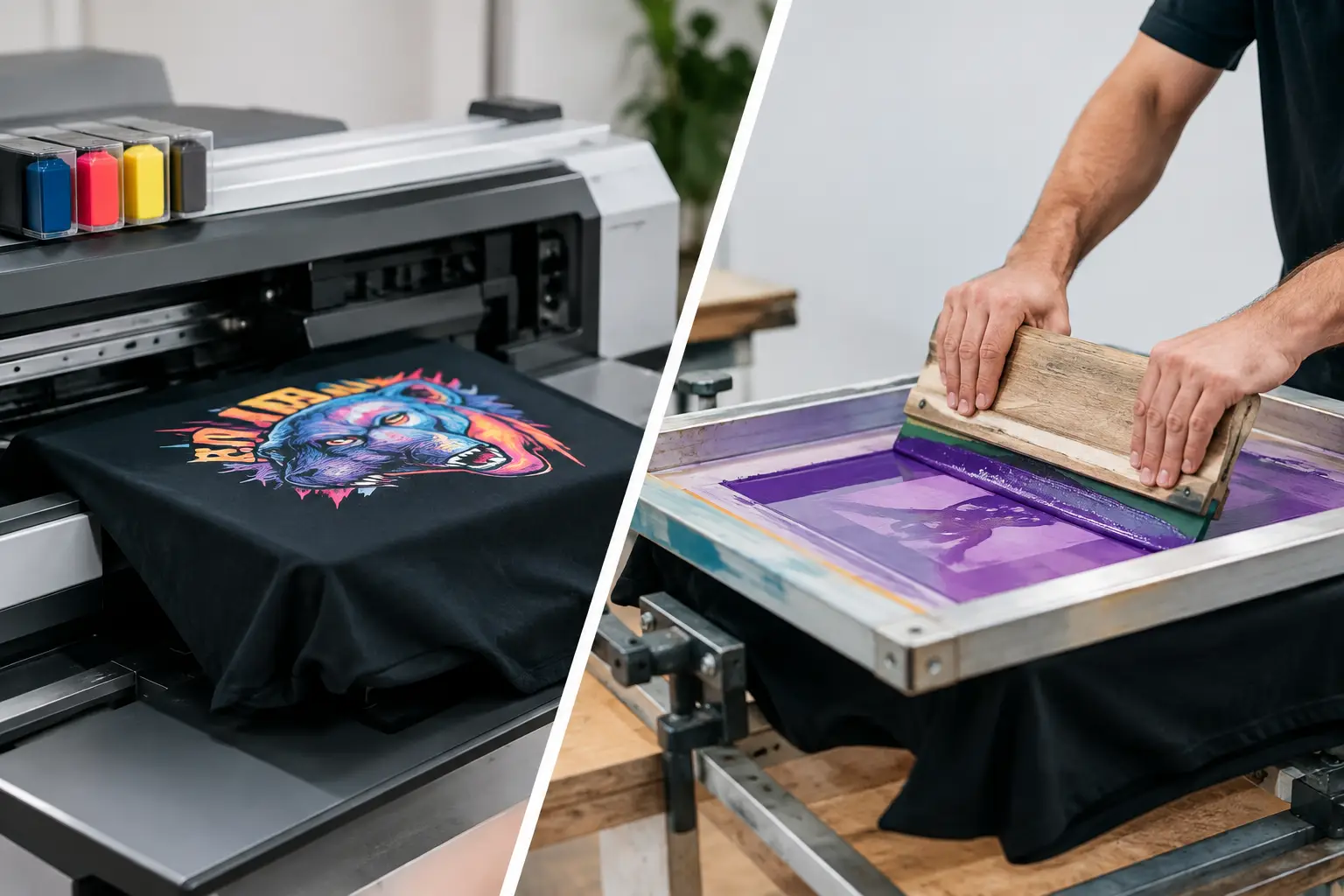
DTG, short for direct-to-garment, works much like a high-end inkjet printer for apparel. The design is printed directly onto the fabric, usually after the garment has been pretreated. It is especially effective for full-color art, photography, gradients, and intricate digital illustrations.
Screenprinting uses a different logic. Each color in the design is pushed through a mesh screen onto the garment. That setup takes time, but once the screens are ready, the process is fast and highly consistent across a larger run. It is the traditional route behind many bold graphic tees, tour merch pieces, and streetwear staples.
Think of DTG as built for complexity and flexibility. Think of screenprinting as built for impact and scale. Both can produce premium merch. The distinction is whether the method supports the creative and commercial goal of the drop.
When DTG Makes the Most Sense
Digital art does not always want to be simplified. If your graphic includes layered textures, soft shadows, neon gradients, detailed character work, or a wide color palette, DTG gives it room to breathe. There is no need to separate every shade into an individual screen, so the artwork can stay close to the original file.
That matters for NFT-inspired apparel. A generative collection may use subtle trait variations that would be expensive or impractical to recreate with traditional screens. An artist’s illustrated world may depend on tiny details that collectors recognize instantly. DTG is often the stronger fit when faithful reproduction is part of the product’s value.
It is also the natural choice for on-demand merchandise. With no screen setup required, a single shirt can be printed without forcing a community to hit a minimum order quantity. That keeps the barrier low for new collectors, lets holders choose their preferred size, and avoids piles of leftover inventory after a limited activation.
DTG works best on cotton-rich garments, particularly light- to mid-weight tees, sweatshirts, and hoodies with a smooth print surface. On dark garments, a white ink base is typically printed beneath the color layer. This helps bright artwork stand out, but it can make the print feel slightly more noticeable than ink applied directly to a light shirt.
The trade-off is simple: DTG can be slower and more expensive per unit as quantities rise. A one-off or small batch can make perfect sense. Printing hundreds of the same simple design is where the economics start shifting toward screenprinting.
The DTG look and feel
A good DTG print can feel soft because the ink becomes part of the fabric rather than sitting on top in a thick layer. Results depend on the garment, pretreatment, artwork, and print provider. Large areas of white ink on a dark hoodie may have more texture than a minimal multicolor print on a cream tee.
For art-led drops, that is not a weakness. It is a design consideration. Choose garments that complement the piece, prepare the artwork properly, and keep expectations grounded in the fact that fabric is not a phone screen. The goal is wearable art, not a flat digital mockup.
When Screenprinting Takes the Crown
Screenprinting earns its reputation when the design is bold, repeatable, and made for a crowd. A clean one- or two-color logo on the chest, a huge back graphic, or a sharp typographic statement can look exceptionally strong with screenprint. The ink coverage is rich, colors are punchy, and the finished piece carries the familiar visual weight associated with established streetwear.
For a major community milestone, event merch, or a drop with proven demand, screenprinting can also bring the per-unit cost down. The upfront setup is higher because each color needs its own screen, but that cost is spread across the run. The more identical pieces you print, the more attractive the math becomes.
This method rewards restraint. A simplified mark, mascot silhouette, or recognizable trait can become more iconic when it is reduced to a few confident colors. Not every digital design needs every effect preserved. Sometimes translating it for fabric creates a stronger garment than reproducing it literally.
Screenprinting is particularly compelling for projects that want a tactile, collectible feel. Specialty inks can add dimension, including puff, metallic, reflective, or high-density effects. These choices are not for every graphic, but used with intent, they turn a shirt into an object people want to keep rather than another giveaway tee.
The screenprint trade-offs
Screenprinting is less forgiving when every order is different. Multiple garment colors, frequent artwork changes, and tiny quantities can become inefficient quickly. It also gets more costly as a design adds colors, especially if it includes complex gradients or photographic detail.
There are workarounds, such as halftones and simulated process printing, but those require skilled production and artwork built for the method. A full-color digital illustration can be screenprinted beautifully, yet it is not automatically the most practical option. The creative ambition has to justify the setup.
Choose by Drop Strategy, Not Hype
The biggest mistake is treating print methods like a status contest. Premium merch is not defined by whether it says DTG or screenprinted on a spec sheet. It is defined by whether the garment, graphic, and production approach belong together.
Choose DTG when your audience wants variety, the artwork is detailed, or you are building an always-available catalog with on-demand fulfillment. It is ideal for collector-specific art, personal purchases, and designs where every color matters.
Choose screenprinting when you have a clear bestseller, a design that works in a limited palette, and enough demand to support a dedicated run. It is a strong move for a community uniform, a token-gated event piece, or a high-energy drop that needs visual force.
There is also room for both. A project can use DTG for its long-tail artist catalog and screenprinting for a hero design tied to a major mint, anniversary, or IRL meetup. That is not inconsistency. It is good merchandising.
Artwork Prep Changes the Final Result
Whichever route you choose, start with production-ready art. Use high-resolution files, clean transparent backgrounds, and colors that match the intended garment. A low-resolution image may look acceptable in a Discord post, then reveal blurry edges and weak detail at print size.
For DTG, avoid relying on ultra-subtle colors against a similarly toned garment. Contrast is your ally. For screenprinting, identify the colors that make the design recognizable and build around them. A restrained palette often looks more intentional than an overcrowded one.
Garment color matters just as much. A black tee delivers instant contrast and a classic streetwear stance, but it changes how ink is built. Washed charcoal, bone, forest green, and faded navy can make a familiar graphic feel more considered. The physical object should feel like a continuation of the project’s visual world.
Make the Merch Worth Wearing Offline
Digital ownership is personal. Physical merch makes it visible. Whether a design is printed through DTG or screenprinting, the best outcome is a piece that feels authentic enough to wear beyond a conference, a Twitter Space, or a profile refresh.
At NFT Merch, that means treating every graphic like a culture signal, not a file placed on a blank shirt. Pick the method that protects the art, matches the scale of the community, and gives collectors a reason to reach for the piece again next week. Own the culture. Wear the legacy.