NFT Brand Activations That People Actually Wear
The strongest NFT brand activations do not end when a wallet connects, a token is claimed, or a social post gets its spike of engagement. They leave the screen. They show up at events, on airport runs, in group photos, and across the everyday places where community identity becomes visible. That is where a digital brand starts to feel like a real cultural force.
For NFT communities, attention is rarely the problem. The hard part is turning attention into belonging that lasts longer than a campaign window. Physical merch can do that when it is treated as part of the activation itself, not an afterthought with a logo dropped onto a blank tee.
Why NFT Brand Activations Need a Physical Layer
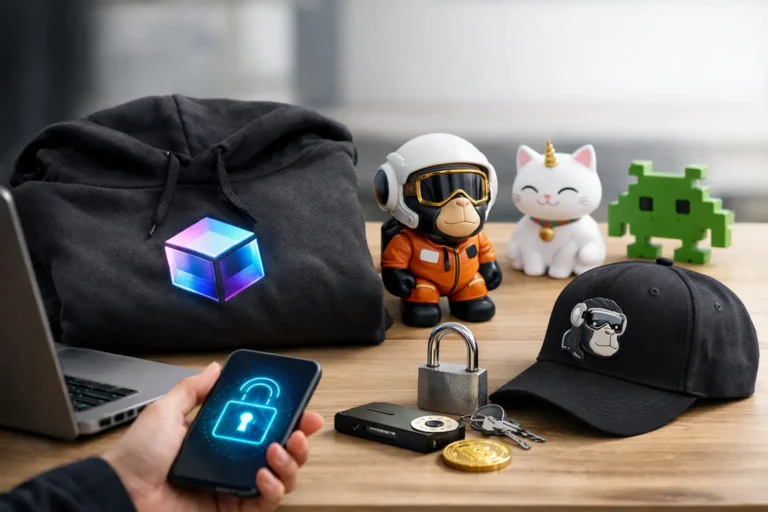
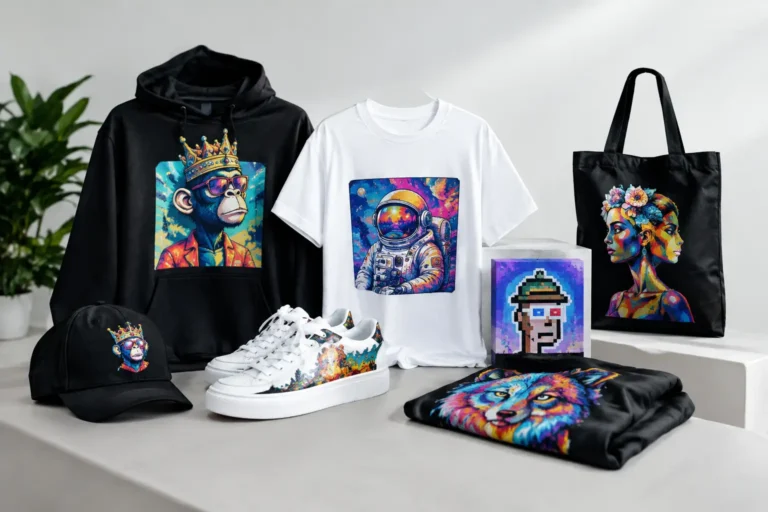
NFTs gave digital communities a new language for ownership. A PFP can signal taste, status, humor, and allegiance in an online space before someone says a word. But the offline world still runs on visual cues people can recognize in seconds: a cap, a heavyweight hoodie, a patch on a bag, a graphic that only the right people understand.
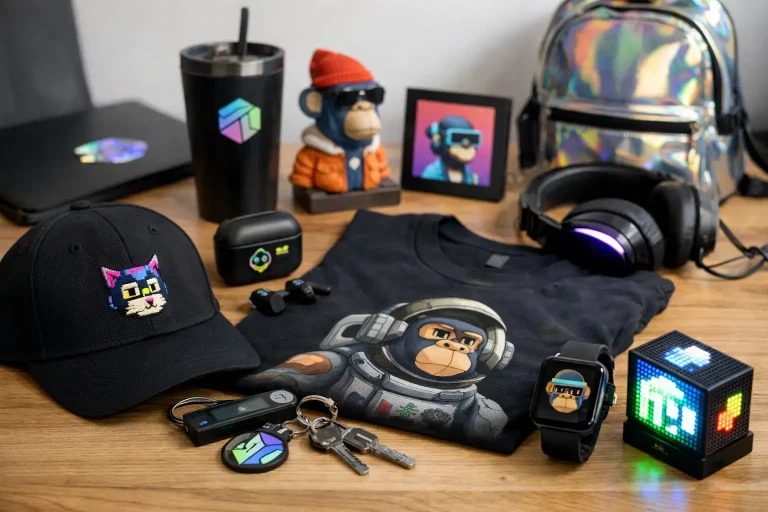
That is why well-built physical products give an activation more surface area. A collector might mint once, but they can wear a hoodie fifty times. A limited poster can become part of a desk setup, a video call backdrop, or a piece of event content. The product keeps putting the project in circulation without asking the community to repost another campaign asset.
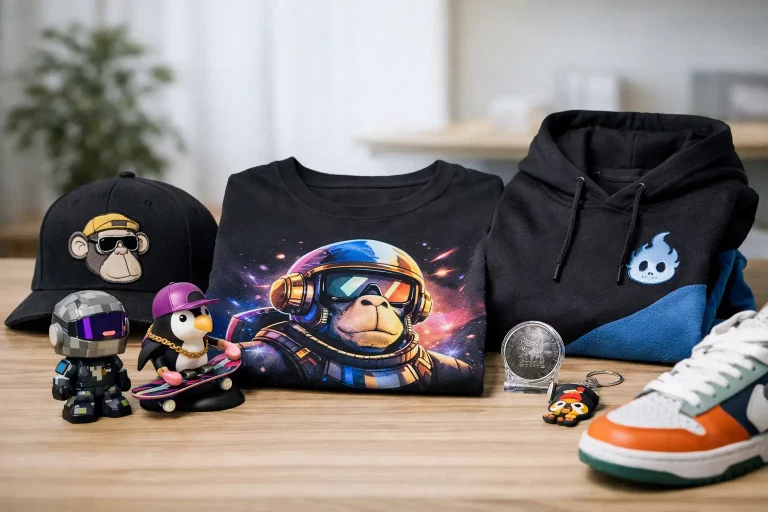
The point is not to force every NFT brand into fashion. Some projects are better served by art prints, collectible accessories, towels, or utility-focused bags. The point is to choose an object that matches how the community already behaves. Streetwear makes sense for a style-driven PFP collective. A premium desk item may land better with an art-focused digital community. Culture fit beats generic merch every time.
Start With the Signal, Not the Product
Weak activations begin with a question like, “What should we give away?” Better ones start with, “What does a member get to signal by owning this?”
That shift matters. Free items can create reach, but they often create a pile of disposable campaign leftovers. A piece people choose to wear or display creates a different kind of value. It says membership is worth making visible.
A useful creative brief should define the community signal in plain language. Is the project irreverent and loud? Refined and collector-led? Built around lore, pixel nostalgia, gaming, or digital-art credibility? The answer should shape the garment silhouette, color palette, graphic scale, packaging, and even the product category.
A bold mascot graphic on an oversized tee may work for a community that thrives on memes and high-energy Discord culture. The same graphic could feel completely off-brand for a minimal generative art project whose collectors expect considered design. Do not confuse recognizable with desirable. A logo alone is rarely enough to earn closet space.
Make the Holder Feel Seen Without Making Everyone Else Feel Excluded
Token-gated access can add real value. Early access, holder-only colorways, numbered runs, or a private claim period reward the people who built the community early. These mechanics work because they turn ownership into a tangible privilege.
Still, full exclusion is not always the move. A public release can bring in future collectors and make the brand easier to discover beyond crypto-native circles. One strong model is a two-stage drop: holders get first access to a limited edition, then a separate open-edition item arrives for the wider audience. The holder piece carries status. The public piece spreads the culture.
This balance depends on the project’s goals. If the activation is designed to deepen loyalty, keep the holder benefit meaningful. If the goal is broader brand awareness, reduce the barriers to entry. The mistake is treating gating as a flex with no clear benefit for the community or the campaign.
Build the Activation Around a Moment
The best merchandise drops have a reason to exist now. That reason might be a major conference, an artist collaboration, a collection anniversary, a new chapter of project lore, or a real-world pop-up. Context gives the item a story, and stories create demand that discounts cannot.
Think of the activation as a sequence rather than a single product launch. First, tease the visual world and let the community speculate. Then reveal the details that matter: the artist, the material, the holder perk, the date, and the quantity if it is genuinely limited. Launch with a clear action. After the drop, make the people wearing and receiving the product part of the campaign story.
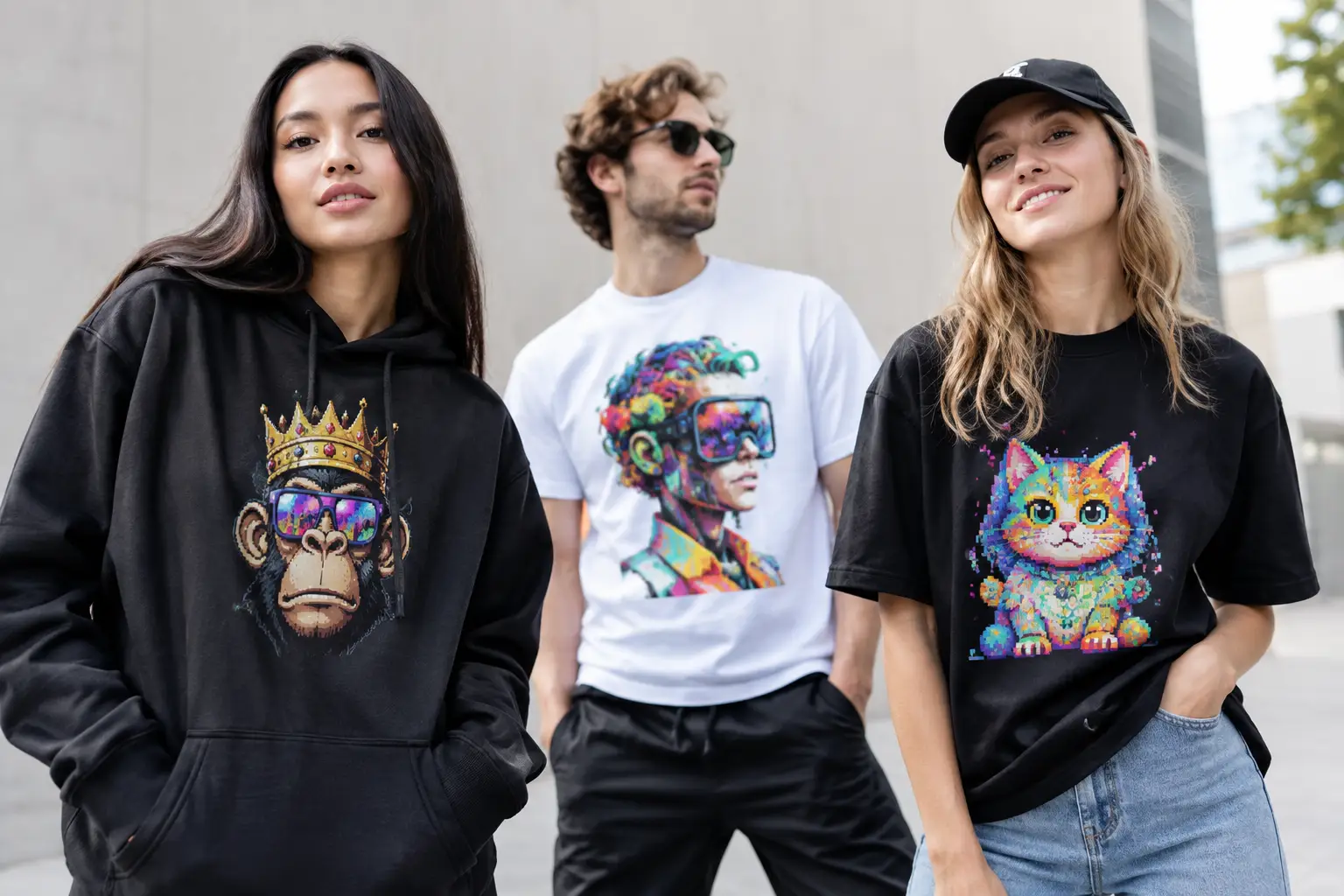
Community content is especially powerful here. A polished campaign shoot establishes the standard, but a collector styling the piece in real life proves it has entered the culture. Feature different kinds of members, not just the loudest accounts. The person who wears a project cap to a local meetup can be just as valuable as the creator with a large following.
Pair Digital Rewards With Something Worth Keeping
A physical item does not have to replace digital utility. It can extend it. A purchase might come with access to a private event, an on-chain proof of participation, early entry to a future drop, or a digital collectible tied to the campaign’s artwork.
The trade-off is complexity. If claiming a tee requires three wallet signatures, a bridge, and a crash course in gas fees, the activation has stopped serving the community. Keep the reward mechanism proportional to the value offered. A high-concept collector release can support more technical steps. An open merch drop should be quick, clear, and welcoming.
The same rule applies to crypto payments. Offering them is a strong signal for Web3-native buyers, but conventional payment methods keep the door open for fans who love the art and community without wanting a wallet involved. Good activation design meets people where they are without diluting what makes the brand distinct.
Design for Wearability, Not Just the Feed
A campaign mockup can look perfect on a launch graphic and still fail as apparel. Fabric weight, print placement, fit, and color matter because they decide whether an item becomes a repeat wear or a one-photo purchase.
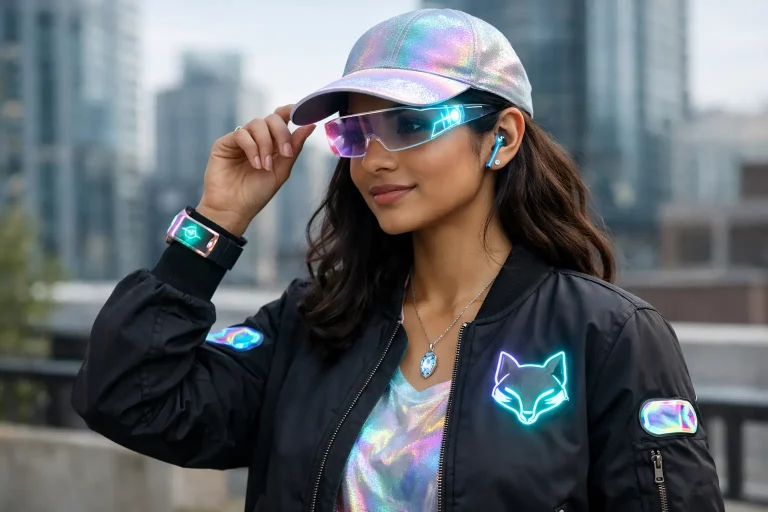
Use design codes from the project, but translate them for the product. A full PFP blown up across the chest can be right for a loud limited release. For an everyday staple, a smaller icon, a woven label detail, an embroidered mark, or an inside reference may carry more long-term appeal. The people closest to a project often value the subtle signals most.
Quality is part of authenticity. If a brand positions itself as premium, the merchandise cannot feel like a rushed conference giveaway. On-demand production is useful for reducing inventory risk and avoiding waste, particularly for global communities, but the product choices still need intention. Choose pieces you would want to receive, photograph, and wear again.
At NFT Merch, that translation from digital identity to real-world streetwear is the whole point: recognized Web3 culture, made wearable without turning it into generic crypto apparel.
Measure More Than the Sellout
A fast sellout feels good, but it is not the only sign that an activation worked. In fact, an artificially tiny run can sell out and tell you almost nothing about real demand. Look at what happened around the release and what happened after it.
Track conversion from eligible holders, repeat purchases, average order value, and the share of customers who are new to the brand. Watch organic posts, event sightings, creator styling, and community conversation in the weeks after delivery. If the activation includes a digital benefit, measure redemption too. A reward nobody claims may be too complicated, poorly communicated, or simply not valuable enough.
Also pay attention to where friction appears. Did international buyers abandon at shipping? Did customers ask about sizing? Did the claim process confuse people? Those details are not operational footnotes. They are creative intelligence for the next drop.
The Activation Is a Receipt of Belonging
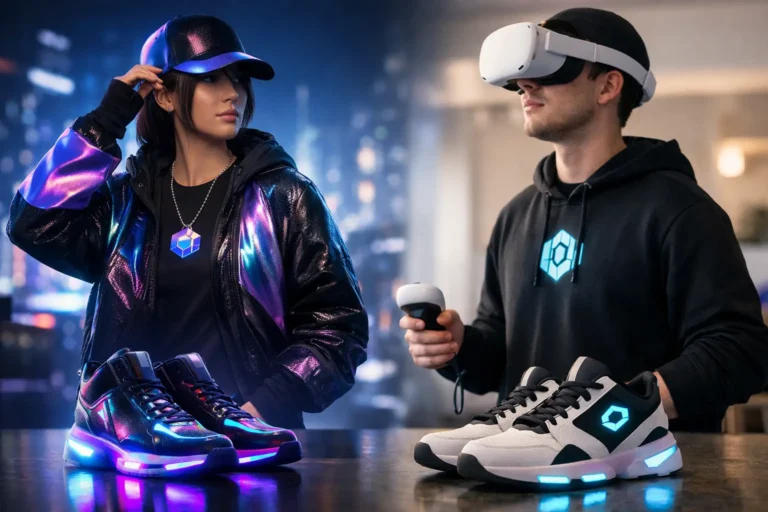
Digital ownership established a new kind of membership. Physical merchandise gives that membership weight, texture, and presence. It lets a collector carry the culture beyond a profile picture and gives a brand a place in real life where feeds cannot reach.
Make the next piece worth more than a quick flex. Give your community a signal they will be proud to wear long after the mint page closes.