Creator Commerce Makes Digital Identity Physical
A PFP can signal membership in a Discord. A hoodie can signal it everywhere else. That is the real opportunity behind creator commerce: turning online attention, shared language, and digital ownership into objects people actually want in their lives.
For Web3 communities, this is bigger than putting a logo on a T-shirt. The strongest merch gives holders and fans a way to carry a project’s identity into the physical world. It makes an inside joke visible at a festival, creates a conversation at a meetup, and lets a collector rep the art they believe in without opening a wallet app.
What Creator Commerce Really Means
Creator commerce is the business of creators, artists, and communities selling products directly to the people who follow their work. It can include apparel, accessories, prints, collectibles, memberships, digital goods, and limited drops. The transaction matters, but the relationship behind it matters more.
Traditional merch often starts with the product: pick a blank, add a graphic, promote a sale. Creator-led commerce starts with identity. What does the community stand for? Which visual codes do members recognize instantly? What makes someone feel like they are part of the culture rather than standing outside it?
That distinction is especially sharp in Web3. A collector may own a token, but ownership alone does not always create a visible sense of belonging. Physical merch gives digital affiliation texture, weight, and presence. It takes a community that exists across wallets, feeds, and servers and gives it a place in everyday life.
The best pieces do not feel like promotional leftovers. They feel like artifacts from a movement.
Why Merch Is a Serious Creator Commerce Play
Fashion has always carried social signals. Streetwear made that obvious long before blockchain entered the conversation. People buy certain labels because of the design, but also because the label says something about their taste, scene, access, and point of view.
Web3 merch works on the same principle. A considered cap, heavyweight hoodie, graphic tee, or art print can communicate that someone was early, understands the reference, supports the artist, or belongs to a specific community. It turns passive fandom into a public expression of identity.
For creators and NFT brands, physical products also create a revenue stream that is not tied only to market cycles. Floor prices move. Attention shifts. A great visual world can still sell wearable products because the value is cultural, not purely speculative. That does not mean every project needs a store. It means the projects with a real audience, recognizable art, and a clear point of view have an underused lane to build in.
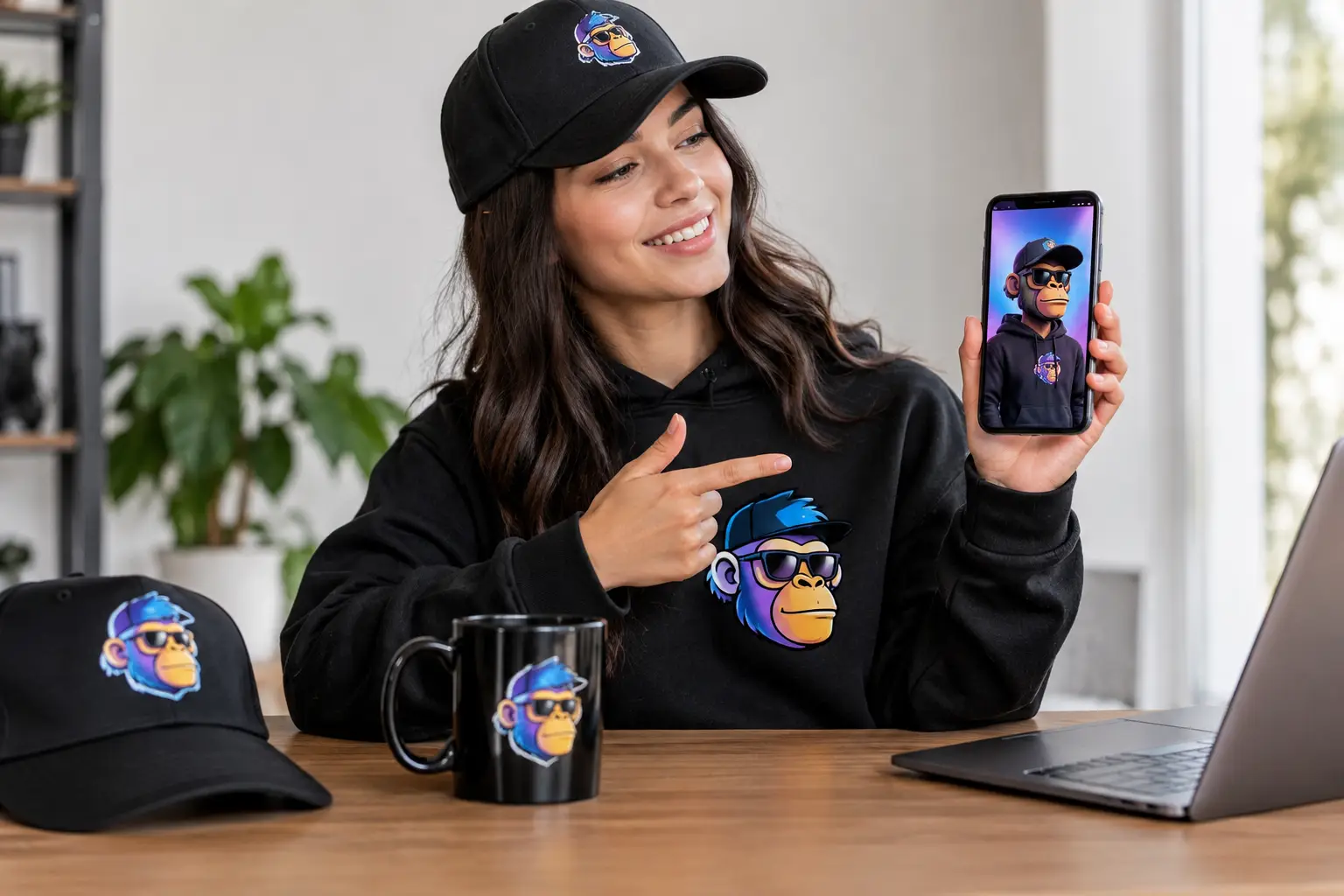
There is a practical upside, too. Merch creates more touchpoints than a single digital collectible. A hoodie gets worn repeatedly. A sticker lands on a laptop. A mug lives on a desk during calls. Every object can extend a brand’s presence without needing another ad impression.
The Difference Between Real Culture and Logo Drops
Not all creator commerce deserves attention. Communities can spot a lazy cash grab fast, especially audiences raised on limited streetwear releases and always-on internet culture. If the only idea is “our logo, but bigger,” the drop has no reason to exist.
Authentic merchandise starts with the source material. It may pull from a character trait, a visual motif, a phrase the community actually uses, a color system, or a piece of lore. The design should feel native to the project while still working for someone who cares about clothes. If it only makes sense as a promotional graphic, it will probably stay in a drawer.
Quality is part of the message. A community that prizes rarity and digital provenance should not receive thin, disposable apparel. Product choice, print quality, fit, and finishing all affect whether a customer sees an item as a collectible or a forgettable giveaway.
Exclusivity needs care as well. Limited drops can create momentum and reward early supporters, but artificial scarcity gets old when the product itself is weak. The strongest approach is to make the release worth owning first, then use limited quantities, timed availability, or collaboration access to make the moment feel special.
Building a Creator Commerce Drop People Want
A compelling drop begins before the product page. Start with a clear answer to one question: what part of this community should live in the real world?
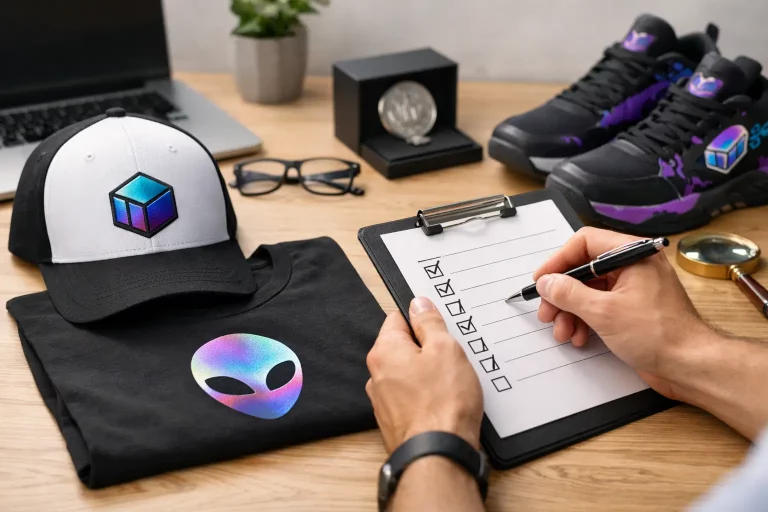
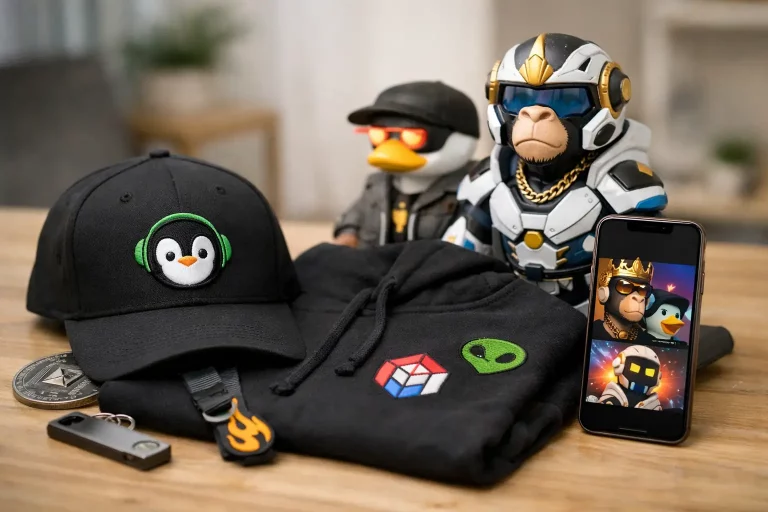
For some brands, that may be a hero character translated into a bold back print. For others, it is a quieter signal: embroidered iconography, a coded phrase, or a graphic that holders understand immediately. Loud statement pieces and subtle collector gear can both work. It depends on whether the community wants visibility, rarity, or a mix of both.
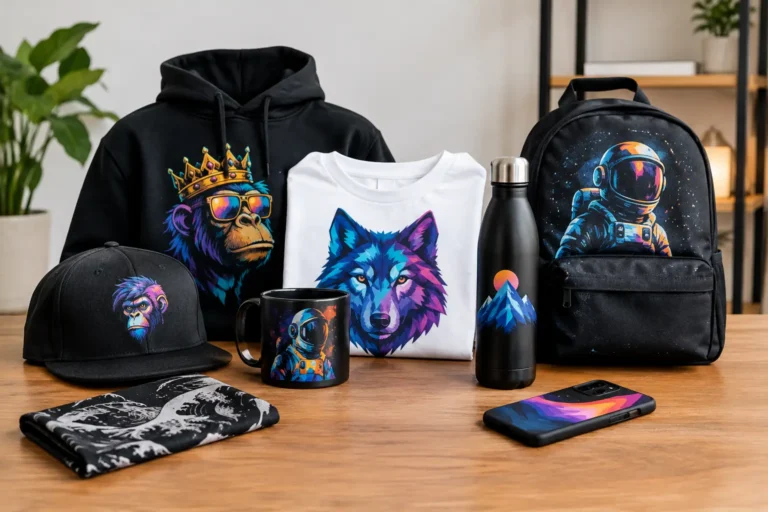
Then choose products that match the audience’s habits. Streetwear-led communities may respond to hoodies, heavyweight tees, caps, and bags. Art-first audiences may value posters, patches, or collectible home goods. Summer drops can make sense with swimwear, towels, and lighter layers. There is no need to force a massive catalog if one excellent piece carries the idea better.
A focused release also makes storytelling easier. Instead of presenting twenty unrelated items, build a small collection around one visual direction. Give it a name. Establish the mood. Make the imagery feel connected across apparel and accessories. This creates a drop that people remember, not just a list of SKUs.
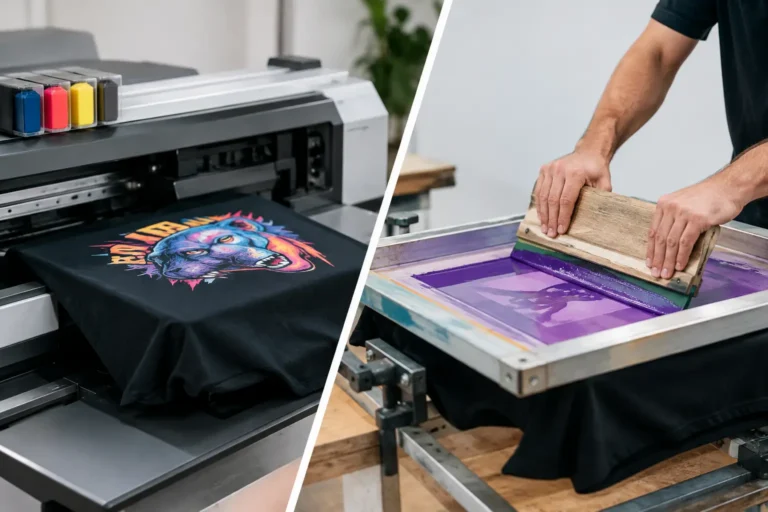
Production matters behind the scenes. On-demand fulfillment is a strong fit for creators who want global reach without betting heavily on inventory. It reduces waste, removes minimum-order pressure, and lets a community buy when it is ready. The trade-off is that demand needs realistic communication. Made-to-order products can take longer than stock held in a warehouse, so clarity on fulfillment is part of delivering a premium experience.
Community Is the Distribution Engine
The old ecommerce playbook treats customers as an audience to target. Creator commerce works better when the community is treated as a group of participants. They are not just buying products. They are helping decide what becomes part of the culture.
That can mean previewing early sketches, asking members to vote between two colorways, rewarding holders with early access, or showing the references behind a design. The goal is not to hand over every creative decision. It is to give people a reason to feel invested before checkout.
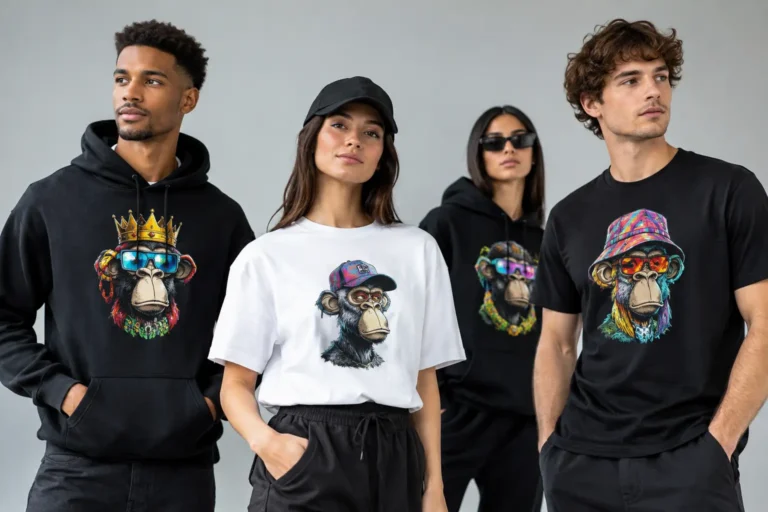
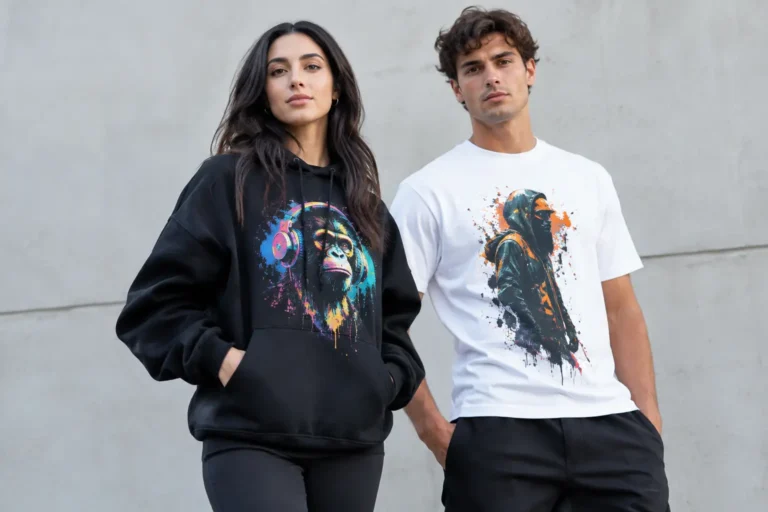
The best post-launch content comes from customers, not product mockups. A photo of someone wearing a piece at an event proves the merch has crossed from screen culture into lived culture. That visibility creates a flywheel: people see the community represented in public, want in, and add their own interpretation.
This is where a curated destination such as NFT Merch can add value. Recognized collaborations give fans confidence that the artwork and brand relationship are legitimate, while on-demand production and worldwide access lower the friction between discovering a drop and owning a piece of it.
Where Creators Get It Wrong
Overproduction is a common mistake. A creator sees attention spike and orders too much inventory before proving that the audience wants physical goods. Unsold stock drains capital and can make a once-special design feel permanently discounted. Starting with on-demand products or a controlled run gives the idea room to earn its scale.
Another mistake is confusing holder utility with product desirability. Token-gated access can be a meaningful benefit, but it cannot compensate for weak design. People may claim a free item out of habit. They will wear and recommend an item because it has actual taste.
Finally, do not treat every buyer the same. A die-hard holder may want a numbered, high-concept collector piece. A new fan may want an accessible tee that introduces them to the world. Offering a clear entry point alongside more exclusive releases can grow the community without diluting its edge.
The Physical Layer of Digital Ownership
Digital identity is not staying digital. People increasingly move between online communities and offline spaces without separating the two. What they wear, carry, and display becomes part of that movement.
Creator commerce gives artists and communities a way to own more of that relationship. Done well, it is not a side hustle attached to content. It is a cultural product line built from the symbols people already care about.
Make the piece worth wearing even if nobody knows the reference. Then make the reference rewarding for the people who do. That is how a drop becomes more than merch: it becomes a signal that the community is real, the culture has weight, and its next chapter belongs outside the screen too.