Streetwear Merch vs Generic Apparel Explained
A tee can carry a logo. That does not mean it carries a story. The real difference in streetwear merch vs generic apparel shows up the moment you wear it beyond your screen: at a meet-up, in a creative studio, at an event, or in the everyday places where your online identity becomes visible. For Web3 communities, the right piece is not just clothing. It is proof of taste, alignment, and participation.
Generic apparel is built to be broadly acceptable. Streetwear merch is built to mean something to the people who get it. That distinction changes the design, the feeling, and the value of every piece.
Streetwear Merch vs Generic Apparel: The Real Difference
Generic apparel usually starts with a blank product and a simple goal: put a graphic on it, keep the price accessible, and appeal to as many people as possible. There is nothing inherently wrong with that. A basic shirt has its place. But it rarely has a point of view.
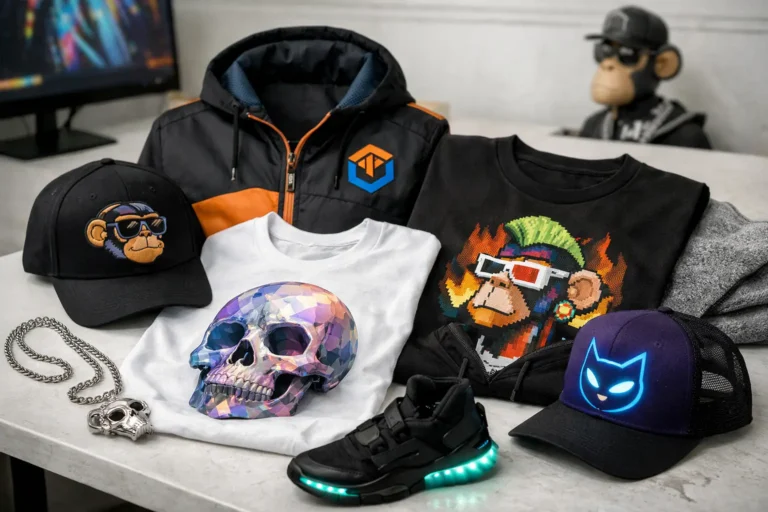
Streetwear merch starts somewhere else. It begins with a culture, a creative universe, or a community that already has visual language. The artwork, type, colors, references, and garment choice all have a job to do. They turn a digital signal into a physical object people want to own.
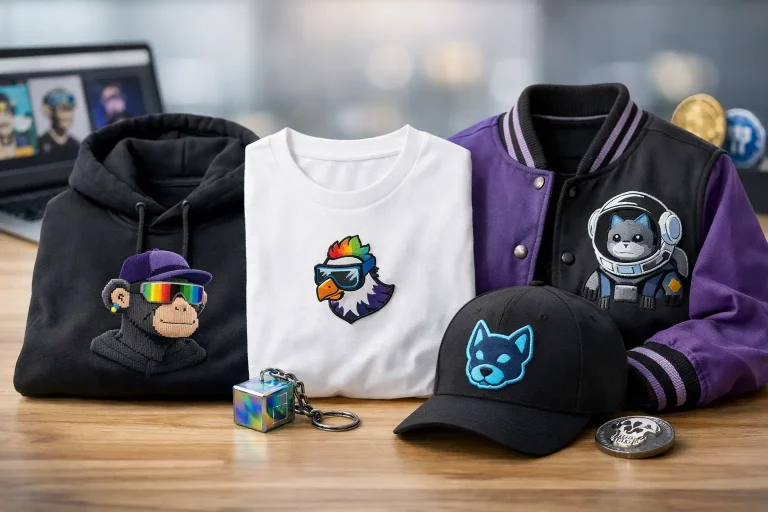
For NFT holders, collectors, and fans of digital artists, that matters. Your favorite project is not merely an image in a wallet. It can represent the moment you joined, the people you met, the work you backed, or the future you believe in. A well-made hoodie or cap gives that connection an offline form.
The difference is not just louder graphics. Great streetwear can be quiet, too. A subtle embroidered mark, a distinctive patch, or a print placed where insiders recognize it can say more than a chest logo ever could.
Generic Apparel Sells a Product. Merch Builds a Signal.
The strongest merch works as a social cue. It lets people recognize shared taste without requiring an introduction. In Web3, where communities can be global, pseudonymous, and always online, that physical recognition has real power.
A generic crypto shirt might use a familiar symbol or a catchphrase anyone could copy. It may get a laugh, but it does not necessarily connect to a living community. Authentic merch is tied to a specific brand, artist, or project. It has context. People know where it came from and why it exists.
That provenance creates a different kind of value. Wearing a piece from a recognized collection says you were close enough to the culture to know the source. It is not about gatekeeping. It is about wearing something with a real creative lineage rather than a borrowed aesthetic.
Think of it like the difference between a random graphic tee and a tour shirt from an artist you have followed for years. Both are cotton. Only one holds a memory, a relationship, and a signal to everyone else who was there.
Design Is More Than a File on a Blank Shirt
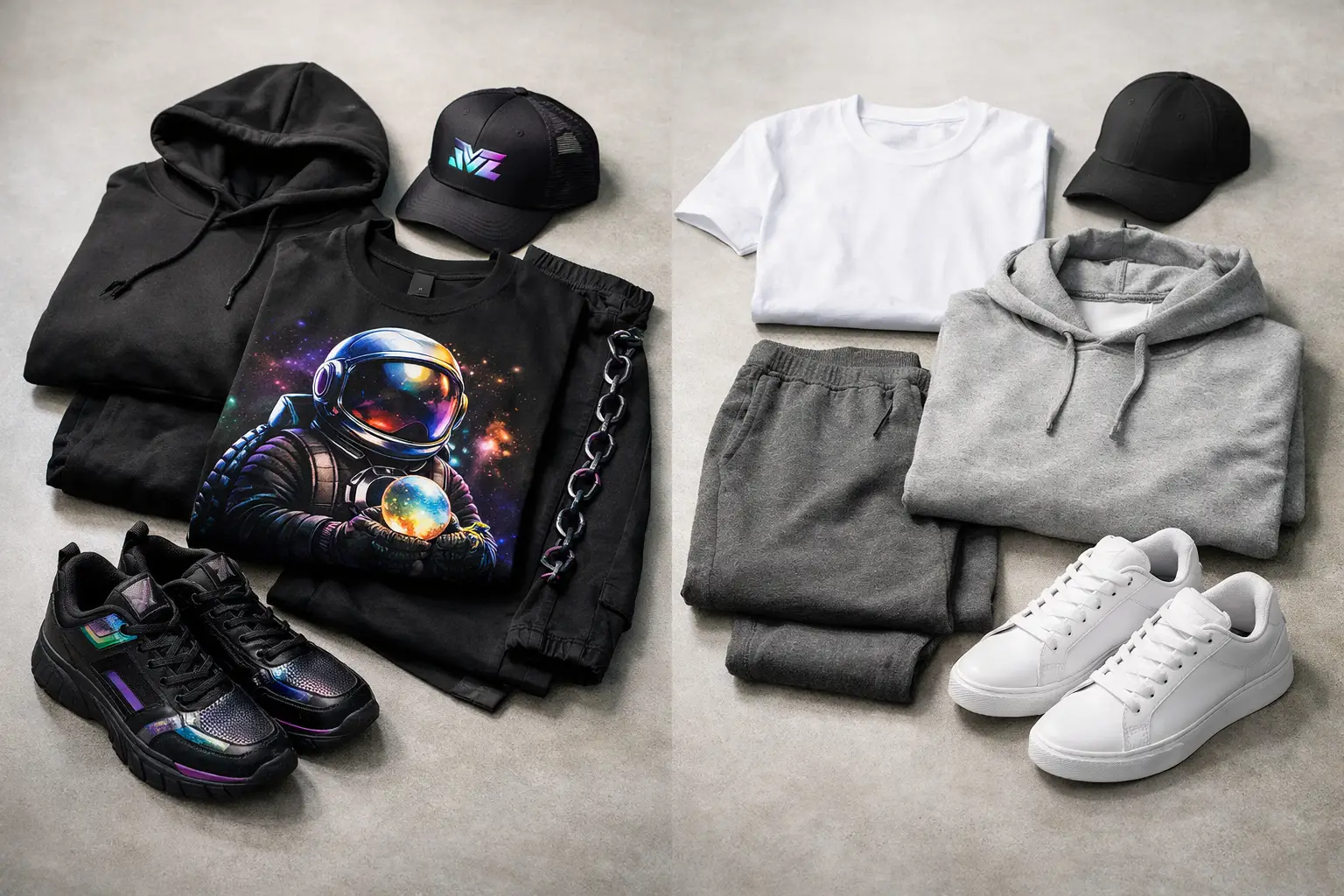
Generic apparel often treats the garment as packaging for a design file. The fit, fabric, print placement, and finish can become afterthoughts. That approach may work for novelty products, but it is weak when people expect streetwear they will reach for repeatedly.
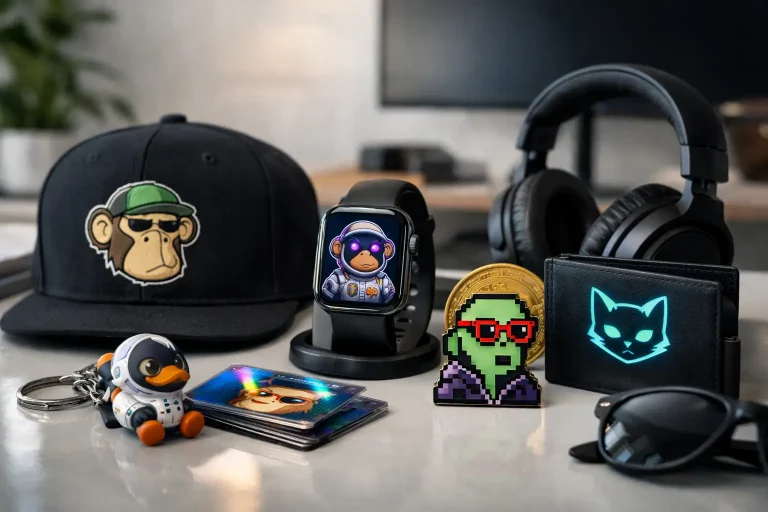
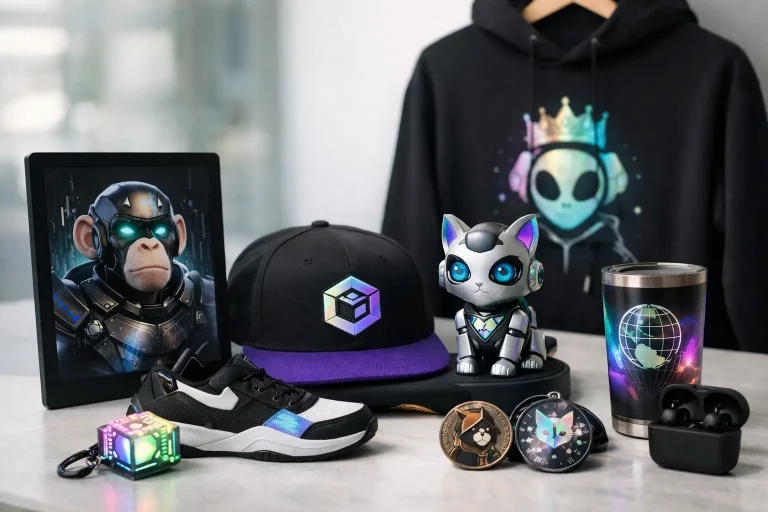
Streetwear merch treats the full piece as the canvas. A graphic may need room to breathe. A heavyweight sweatshirt might better match a bold illustrated world than a lightweight tee. A cap can turn an emblem into a low-key daily uniform. Posters, patches, bags, and accessories can extend the same visual language without repeating the exact same logo everywhere.
This is where curation matters. Not every piece of art should become every product. The best drops choose formats that make the artwork feel more collectible and more wearable. They understand when to go oversized, when to keep it minimal, and when a small detail will hit harder than a full-front print.
There is a practical trade-off here. On-demand production offers flexibility, no unnecessary inventory, and access to a broader product range. It is not the same model as a tiny, pre-stocked capsule with only fifty units. What matters is being clear about the value: thoughtfully selected items, made when demand is real, without forcing a community to buy into excess stock.
Authenticity Is the Part You Cannot Print
Anyone can place a token symbol, pixel character, or blockchain phrase on a sweatshirt. Authenticity comes from permission, collaboration, and respect for the original world behind the design.
Official merch gives artists and NFT brands control over how their identity appears in physical form. It helps ensure that colors, character details, visual references, and brand energy do not get flattened into a generic trend. It also gives buyers confidence that their purchase supports the culture they are representing rather than an opportunistic copy.
That confidence is especially important in a space where ownership is central. Web3 has always pushed a bigger question: who creates value, who owns it, and who benefits when culture moves? Official physical merchandise does not solve every part of that question, but it is a meaningful extension of it.
NFT Merch approaches this through curated collaborations with recognized NFT brands and Web3 artists, rather than treating digital culture as a clip-art category. The goal is simple: make pieces that feel connected to the source, not merely inspired by the hype around it.
Why Fit and Quality Still Decide What Gets Worn
Community meaning gets someone to buy a piece. Quality gets them to wear it again.
This is where generic apparel often loses momentum. A design can be clever, but if the tee twists after a wash, the print feels stiff, or the hoodie fit is forgettable, it becomes a drawer item. That is a missed opportunity for both the wearer and the brand.
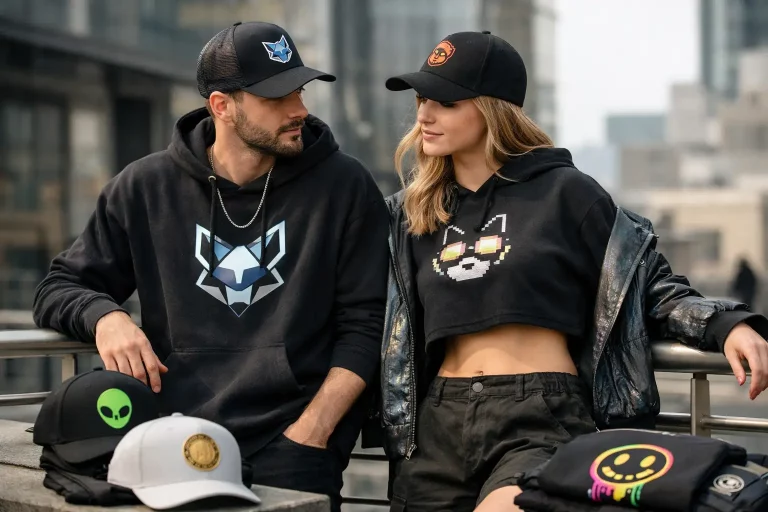
Streetwear-minded merch should earn a place in rotation. Look for product choices that match how you dress: tees for everyday layering, sweatshirts for travel and events, caps for low-effort signaling, bags for utility, and collectible home pieces for the spaces where you create and connect. The right category depends on your lifestyle, not just what is trending in a feed.
Premium does not always mean the heaviest garment or the loudest visual treatment. It means the piece feels intentional. The product, design, and community reference should all land in the same direction.
The Best Merch Has a Reason to Exist
Not every project needs a full apparel collection. Sometimes one sharp hoodie, a limited patch, or a well-designed poster does more for a community than twenty rushed products. Scarcity can be compelling, but it only works when it supports a real idea instead of manufacturing artificial pressure.
Ask a few direct questions before buying. Is this connected to the official project or artist? Does the design reflect a recognizable creative language? Would you still wear or display it if nobody asked what it was? Does it feel like an item made for the community, rather than a product made to chase the community’s attention?
The answers separate a cultural artifact from a disposable graphic.
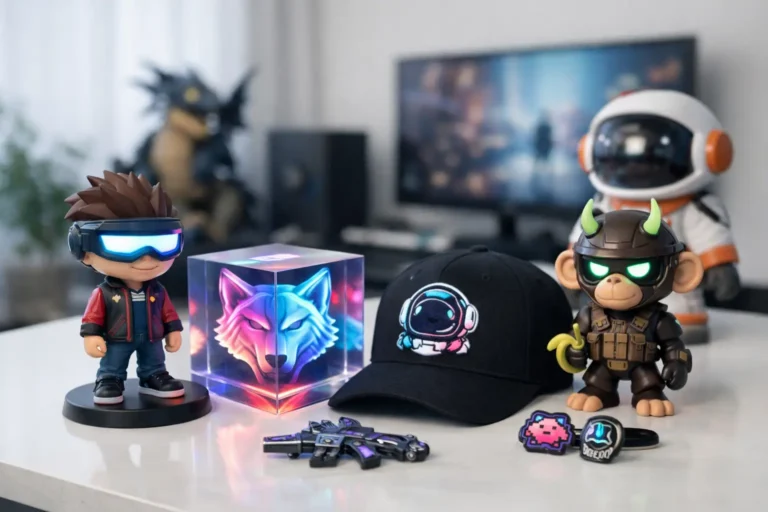
There is also room for different kinds of fans. A holder may want a statement piece for IRL events. A collector may prefer a framed print or limited accessory. Someone new to the project may start with a subtle tee. Good merch makes space for each level of affiliation without making the community feel like a uniform.
From Wallet to Wardrobe
Digital ownership changed how people gather around art, brands, and ideas. But a wallet screen is private by design. Streetwear makes that identity public, portable, and personal.
That is why the best Web3 apparel does not feel like corporate promotional merchandise. It feels like a bridge between the avatar and the person wearing it. It carries the humor, ambition, weirdness, and visual confidence that made the community worth joining in the first place.
Generic apparel can fill a closet. Authentic streetwear merch can mark a moment. Choose the pieces that make your digital identity feel real when you step outside.