Guide to Collectible Merch Drops
Miss the drop by six minutes and the best piece is gone. Not the basic tee. The one with the clean back graphic, the limited run patch, the collab energy everyone posts first. That is why a real guide to collectible merch drops matters. In Web3, merch is not filler. It is proof of taste, timing, and community alignment you can wear outside your wallet.
Collectible merch sits in a different lane from standard ecommerce. You are not just buying a hoodie because you need a hoodie. You are buying a physical artifact tied to a moment, a project, an artist, or a community signal. The value comes from scarcity, design, legitimacy, and context. If one of those breaks, the whole drop feels weak.
The smartest buyers know this. They do not chase every release. They look for the overlap between culture and quality. That is where collectible merch actually lands.
What makes a merch drop collectible
A collectible drop earns attention before it earns money. People care because the release says something specific. Maybe it marks a major project milestone. Maybe it brings a known NFT brand into physical streetwear without watering down the art. Maybe the run is limited enough to feel real, but not so restricted that it turns into a bot race with no community upside.
Authenticity is the first filter. If the merch is tied to an established brand, artist, or community with an actual following, the piece carries more weight. If it looks generic, feels rushed, or could belong to any random crypto account, it will not hold cultural value for long.
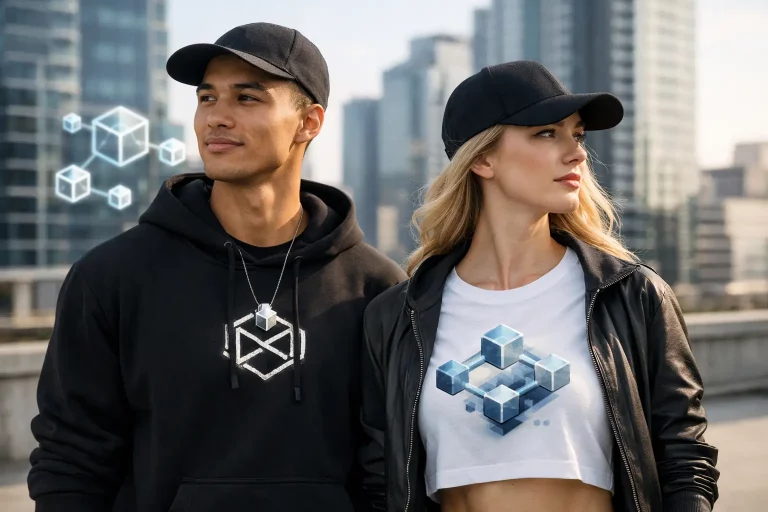
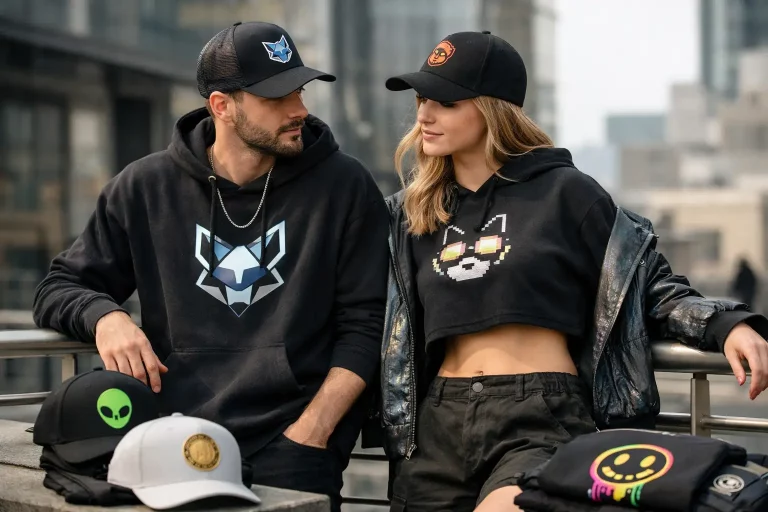
Design is the second filter. Strong collectible merch does not rely on a giant logo slapped on a blank. It translates digital identity into something wearable. That can mean subtle references, bold graphics, premium placement, or cuts and categories that fit the audience. Streetwear logic matters here. People want pieces they can style, not just archive.
Then there is scarcity. Scarcity works when it feels earned. A limited release can raise demand, but fake scarcity gets exposed fast. If a brand says exclusive and then restocks the same item three times, collectors notice. On the flip side, if supply is too tight, the community gets locked out and the drop becomes more flex than fandom. It depends on the goal. A commemorative capsule can be tighter. A community-wide release should still feel accessible.
The best guide to collectible merch drops starts with timing
Timing shapes the whole experience. In Web3 culture, momentum moves fast. A drop tied to a reveal, partnership, mint anniversary, or artist collab usually hits harder because people already have a reason to care. The merch becomes an extension of the moment.
That does not mean every time-sensitive drop is worth buying. Some brands force urgency to cover weak product. The signal to watch is whether the release feels connected to a genuine cultural beat. If the answer is yes, the item has a stronger chance of becoming part of the community memory instead of just another SKU.
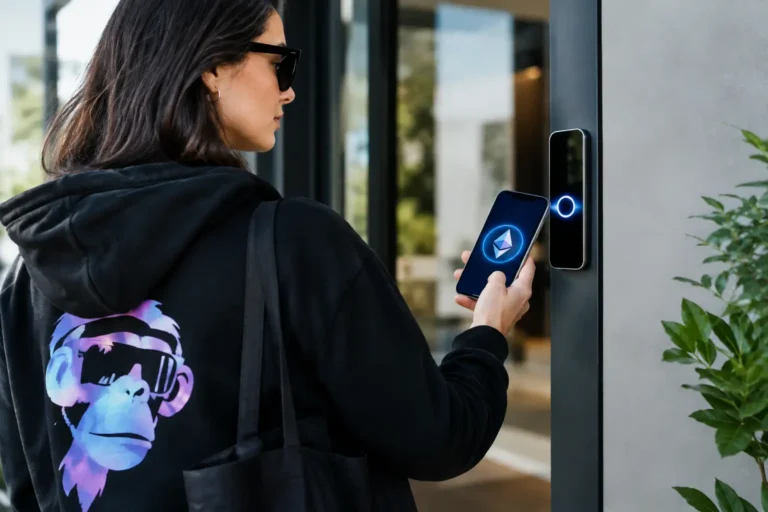
As a buyer, timing also means prep. The best collectible pieces are often decided before the cart opens. Know the launch window, know the sizes you want, and know which item matters most if inventory moves fast. If the store accepts multiple payment methods, choose the one that gets you through checkout cleanly. Speed matters, but clarity matters more. Panic buying is how people end up with the wrong fit and no budget left for the better piece two weeks later.
How to read a drop before you buy
Every strong drop tells you what it is within seconds. You should be able to see the creative direction, understand the collaboration or community tie, and recognize why the product exists. If the presentation is vague, the release probably is too.
Start with the brand relationship. Official partnerships matter. In Web3, where imitation moves fast, licensed or approved merch carries more trust. That trust affects resale potential, collector confidence, and simple pride of ownership. Nobody wants to wear something that looks unofficial when the whole point is cultural credibility.
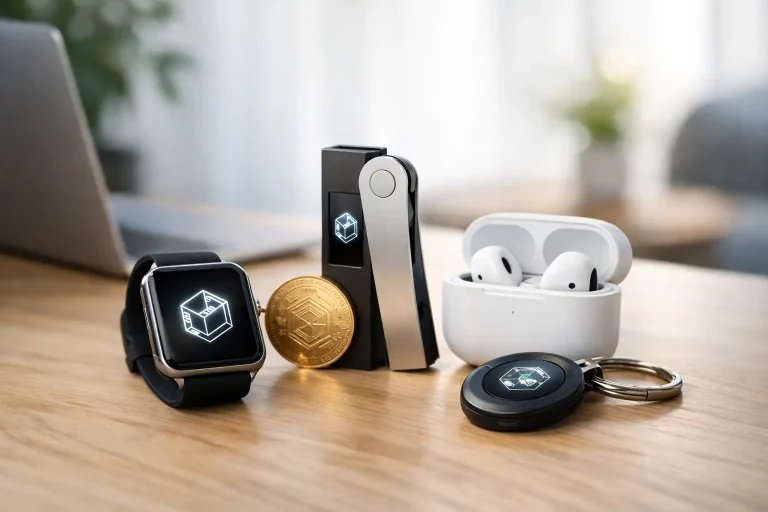
Next, look at the product categories. A collectible drop does not have to be limited to apparel, but every item should still fit the identity of the release. Tees, hoodies, caps, bags, posters, patches, and accessories can all work if they feel intentional. Random category stuffing weakens the signal. A towel in a summer capsule makes sense. A mug in a hardcore streetwear collab might not.
Materials and production matter more than some buyers admit. Great art on a weak blank will not age well. If the piece is meant to be worn, quality should back the price. On-demand production can still deliver value, especially when it supports broader access and less waste, but the finish, print quality, and fit still need to meet the standard. Collectible does not excuse cheap.
Hype is real, but legitimacy lasts longer
A lot of people confuse demand spikes with long-term value. They are not the same thing. A merch drop can sell out fast because the community is active, because the quantity was tiny, or because everyone got pulled in by a loud rollout. That says something, but not everything.
Legitimacy lasts longer than hype. Officially connected drops, artist-backed capsules, and pieces linked to recognized NFT communities tend to hold relevance because they carry a real story. They are part of a wider brand ecosystem. That matters more than short-term noise.
This is where taste separates collectors from impulse buyers. You are not just asking, Will this sell out? You are asking, Will this still feel worth owning in six months? Maybe the answer is yes because the graphic is strong enough to stand on its own. Maybe it is yes because the collab is unlikely to repeat. Maybe it is no because the drop leans too hard on temporary meme energy. There is no universal formula, but there is a pattern. The best pieces balance current heat with lasting design.
A practical guide to collectible merch drops for Web3 buyers
If you want to buy smarter, build your own filter. Start with source. Buy from official stores, recognized collabs, and retailers that clearly position themselves inside NFT and digital art culture rather than farming trends from the outside. That single move cuts out a lot of low-grade noise.
Then check intent. Ask whether the item reflects the project identity in a way that feels wearable. Some merch is made to be posted once. Better merch becomes part of your rotation. That is especially true for streetwear categories where fit, silhouette, and graphic placement decide whether the piece lives in your closet or stays in the package.
After that, look at exclusivity without getting blinded by it. Limited editions can be powerful, but forced rarity is not the same as meaningful rarity. If a drop feels over-engineered around FOMO, slow down. If it feels like a sharp release tied to a real community moment, move.
Finally, think about your role. Are you buying as a fan, a collector, a holder, or a style-first customer? Those goals overlap, but they are not identical. A poster might be perfect for a collector. A heavyweight hoodie might be the stronger move if you want daily wear with status attached. Buy for your lane.
For buyers moving between digital identity and physical style, that is where a curated platform can actually make a difference. A store like NFT Merch works when it brings recognized NFT brands and Web3 artists into one retail space without flattening what makes each drop distinct. The point is not to stock everything. The point is to stock what deserves to exist offline.
Where collectible merch is heading next
The next phase of collectible merch drops will be sharper, not louder. More buyers now understand the gap between official and generic, between designed and lazy, between community product and cash grab. That raises the bar.
Expect stronger artist capsules, cleaner streetwear execution, and more releases that treat physical merch as part of a broader ownership experience. Not every drop needs token gating or heavy mechanics. Sometimes the smartest move is simple: make the product real, make the partnership credible, and make the design good enough that people want it even without the backstory.
That is the part many brands miss. Collectible merch wins when it can hold two truths at once. It needs to mean something to the community, and it needs to look right in the real world. If it only does one, it fades.
The best piece is not always the rarest one. It is the one that still feels like your project, your taste, and your moment every time you wear it.