Token Gating Gives Web3 Culture a Front Door
A wallet should mean more than a balance. In the strongest Web3 communities, token gating turns verified ownership into a real-world signal: early access, private drops, members-only events, exclusive content, and merch that says you were there before the timeline caught up.
That is the point. Token gating is not a gimmick for adding friction to a storefront. Done well, it gives digital identity weight. It tells holders their commitment carries beyond a profile picture or transaction history, then creates a clear line between being aware of a project and belonging to it.
What Token Gating Actually Does
Token gating is a verification system that checks whether someone holds a specific NFT, token, or asset in their crypto wallet before granting access to something. That something might be a Discord channel, a mint, a pre-sale window, a live event, a downloadable asset, or a physical product drop.
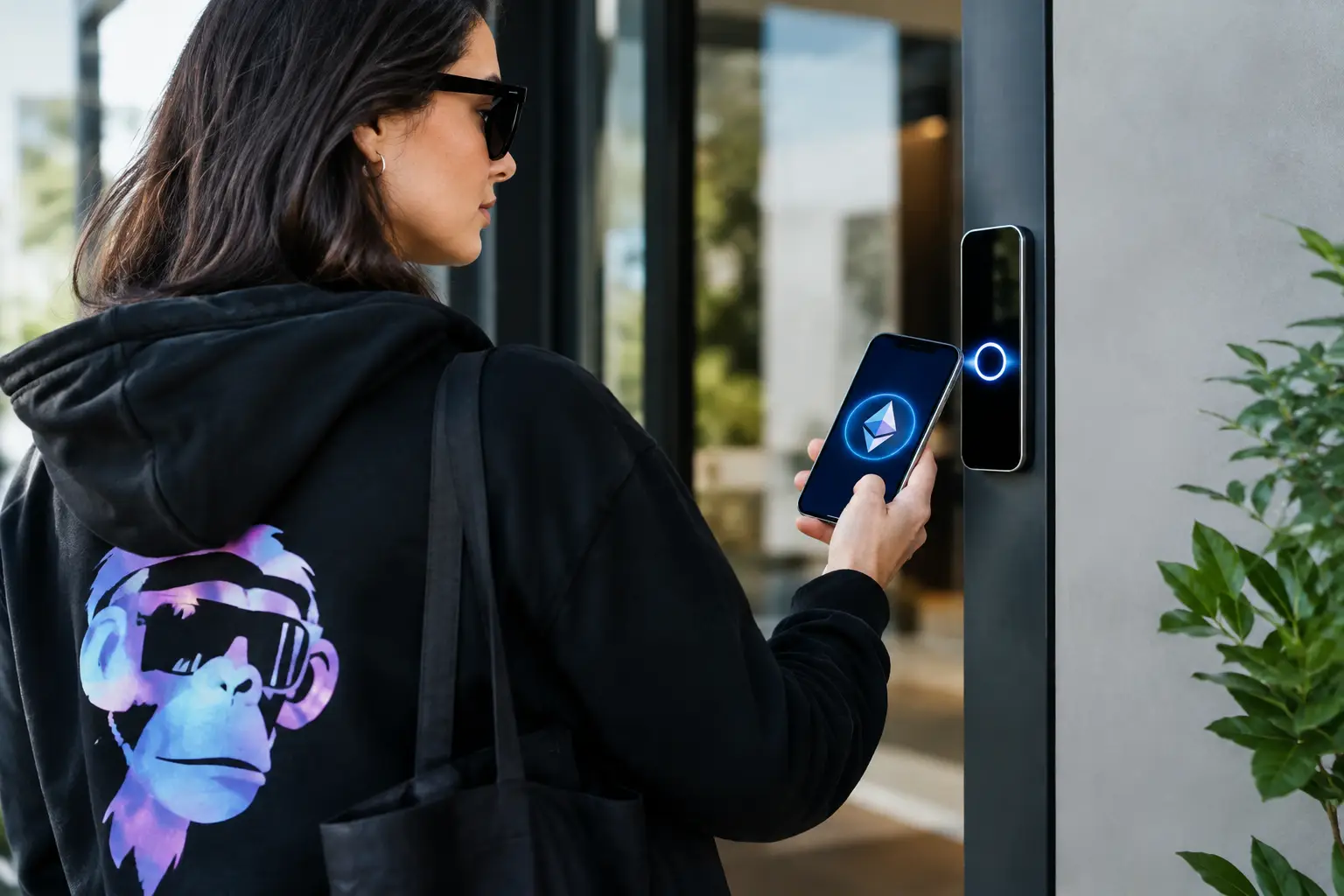
The blockchain is not the product. The experience is. A holder connects a wallet, the system verifies the required asset, and access is granted according to the rule the community has set. No spreadsheet hunting. No screenshots. No manual approval process that turns a limited release into an inbox problem.
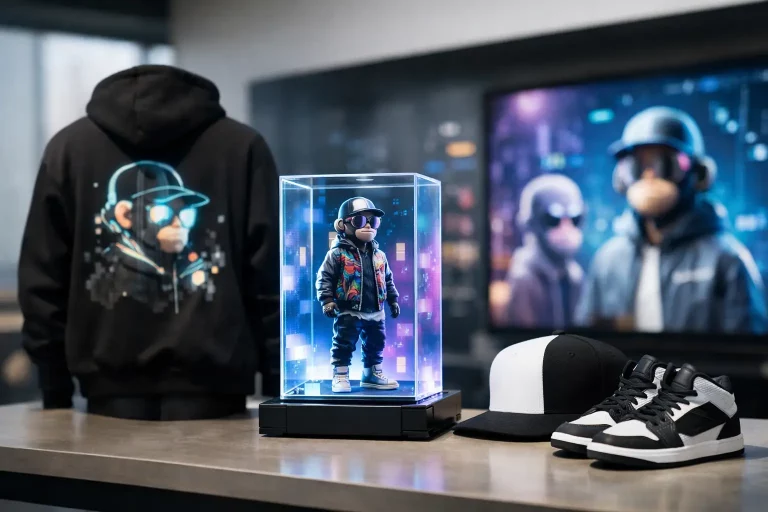
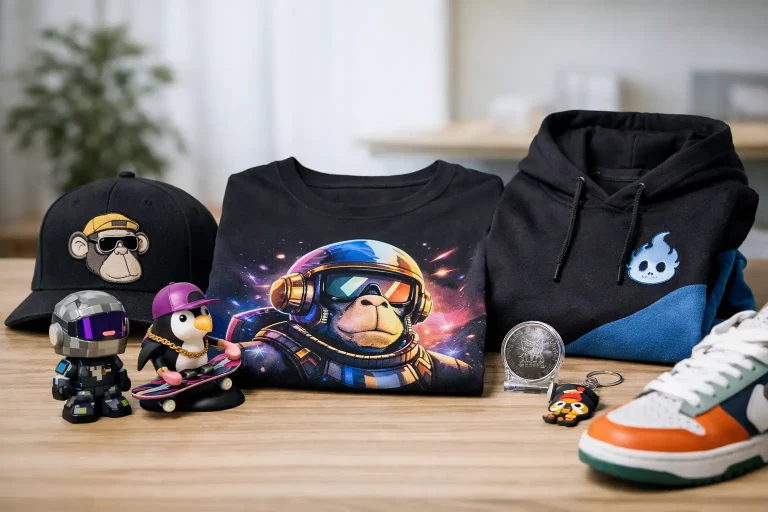
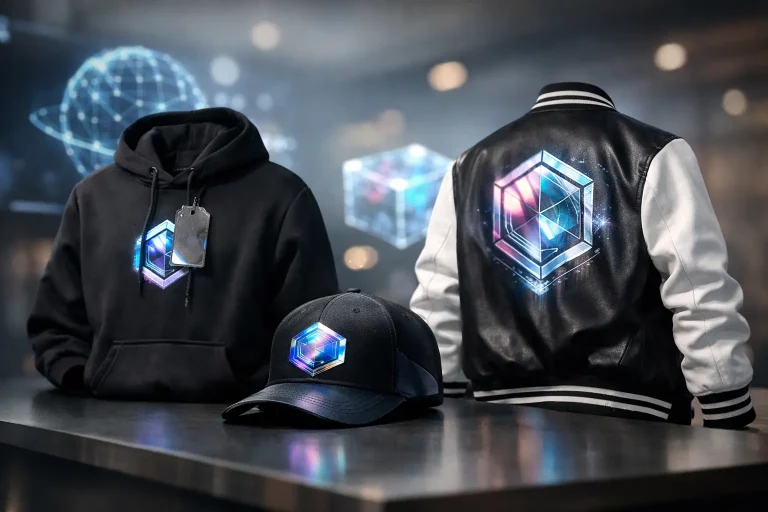
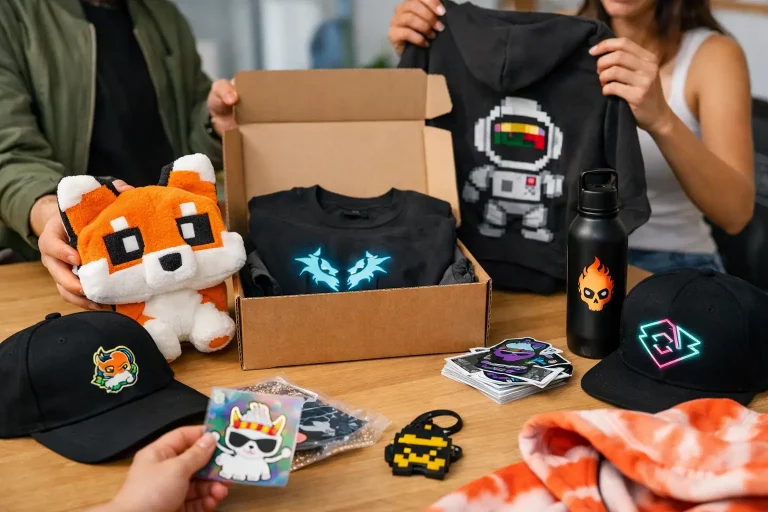
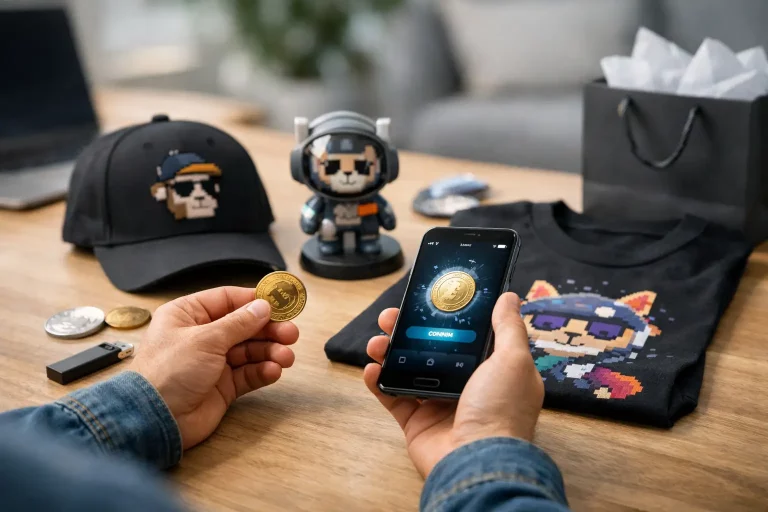
For merch, the use case is especially clear. A project can reserve a capsule for genesis holders, release a patch only to event attendees with a commemorative NFT, or offer a private colorway to collectors who have held through multiple seasons. The garment becomes proof of affiliation in the physical world, not just another logo on a blank tee.
Why Holder-Only Access Has Real Value
Scarcity gets attention, but recognition builds loyalty. People collect because they want more than a product. They want participation, status, memory, and proximity to a culture they helped support.
A well-designed gate rewards the members who showed up early or stayed involved. It also gives newer people something concrete to aspire to. That does not mean every benefit needs to be expensive, rare, or permanently unavailable. It means the relationship between contribution and access should feel honest.
Physical merch makes that relationship visible. A limited hoodie from a holder-only drop can travel through airports, meetups, campuses, and city streets. It lets community members spot each other without opening an app. Digital ownership becomes a shared uniform, then a conversation.
For brands, token-gated access can also protect collaboration quality. Instead of producing broad, generic crypto apparel, a project can make fewer pieces with a sharper reason to exist. That is better for the community and better for the product story.
Token Gating Is Not Just for Whales
The fastest way to drain energy from a community is to make every meaningful experience available only to high-value wallets. Big holders matter, but a culture that only rewards purchasing power eventually feels like a private club with no future members.
The smarter approach is to create multiple paths to access. One tier can recognize holders of a flagship NFT. Another can reward contributors, artists, event participants, or members who completed a community quest. A lower-cost token or free claim can open the door to entry-level benefits without flattening the value of premium ownership.
Access can also be temporary. A 48-hour holder window before a public release gives collectors a clear advantage while allowing the wider audience to buy in later. This works well for on-demand merch, where a brand can honor holder priority without gambling on excess inventory.
It depends on the goal. If the drop is meant to commemorate a tight, historic group, permanent exclusivity makes sense. If the goal is growth, use the gate as early access rather than a brick wall. The community should understand why the rule exists and what behavior it is designed to reward.
Build the Gate Around a Moment, Not a Feature
Nobody wakes up excited to pass a wallet check. They get excited about what the check lets them claim.
Start with a moment that has emotional value: an anniversary, an artist collaboration, a major reveal, a convention, a milestone sale, or a community win. Then decide what holders receive that everyone else cannot get. The answer could be a limited product, first choice of sizing, a signed insert, a collectible packaging detail, or access to a private order window.
The best gated drops have a simple story. For example, holders of a first-generation collection get 72 hours to claim a numbered crewneck inspired by the project’s original art. After that period, any unclaimed units are released to the public in a separate, unnumbered edition. The holder reward is obvious. The public is not treated like an afterthought. And the difference between the two products is meaningful without being confusing.
Avoid gates that exist only because the technology is available. If the benefit is a standard product at a standard price with an extra connection step, members will notice. The value needs to be felt in access, design, timing, service, or story.
The Holder Experience Must Be Friction-Light
Web3-native buyers may understand wallets, but that does not give brands permission to make checkout painful. Every unnecessary signature, confusing network switch, or unclear eligibility rule creates drop-off. The gate should feel like an invite being checked at the door, not an audit.
Set expectations before the release. State which asset qualifies, whether it must be held at the time of purchase, whether delegated wallets count, how long the access period lasts, and whether quantities are limited per wallet. If a collection spans multiple contracts or chains, say so in plain language.
Wallet verification should request only what it needs. Connecting a wallet to confirm ownership is different from asking for signing authority or access unrelated to the drop. Community trust is hard-earned and easy to burn. Be precise about what is being checked and why.
Support matters too. Some collectors hold through custodial platforms, hardware wallets, or wallets they do not use for daily purchases. A clear troubleshooting path helps legitimate members participate without creating loopholes for resellers.
Think Through Resale Before the Drop Goes Live
NFTs move. That is part of the model. If access is tied to current ownership, someone can buy a qualifying asset shortly before a drop, claim the benefit, and sell it afterward. This is not always a problem. In some communities, it can increase demand for the asset and bring new collectors into the ecosystem.
But if the reward is meant for long-term supporters, add a holding-period rule. Eligibility can be based on owning the asset before a published snapshot date, holding for a minimum period, or maintaining ownership until the order window closes. Each approach has trade-offs. Snapshot rules are easy to explain but can exclude recent genuine collectors. Holding periods favor loyalty but require more coordination and may feel restrictive.
You should also decide whether the product itself is transferable. A numbered, holder-exclusive piece may become collectible on secondary markets, which can amplify its cultural value. On the other hand, unlimited resale can frustrate members who wanted something personal rather than speculative. There is no universal answer. Match the policy to the community’s values.
Use Merch to Extend the Community, Not Extract From It
A gated drop should not feel like a tax on belonging. Price products fairly, make the quality visible, and keep the promise specific. A premium may be justified for specialty materials, complex print work, limited packaging, or a small production run. It is not justified by a token check alone.
This is where on-demand production can work in a community’s favor. Brands can offer more size inclusivity, reduce dead stock, and let qualified holders order during a defined window instead of rushing through a tiny inventory pool. The scarcity comes from eligibility and time, not from forcing members to fight bots for a checkout button.
At NFT Merch, the strongest collaborations treat apparel as a continuation of the collection’s visual language. The art, references, colors, and community lore should be recognizable to the people who earned access. If the design could belong to any project, the gate will not save it.
Measure More Than Sell-Through
A sellout can be exciting, but it is not the only proof that token gating worked. Look at the percentage of eligible wallets that participated, the number of first-time buyers, repeat purchase behavior, customer support issues, and how much conversation the release generated inside the community.
Pay attention to who did not convert. Was the wallet connection confusing? Was the sizing unclear? Did international shipping make the item unreachable for a global holder base? Did the price or release time favor one region too heavily? These details shape whether a gate feels like a benefit or a burden.
The strongest signal is long-term: do members still wear, post, trade, and talk about the piece after the campaign ends? Great merch becomes part of the community archive. It captures a specific era and gives its holders a way to carry that era forward.
Build access with purpose, make the reward worth showing off, and leave enough room for the next believer to earn their way in. That is how a wallet check becomes culture.